

Chemotherapy targets rapidly dividing cells. That is how it works against cancer, and it is also why it affects the bone marrow, where the white cells that fight infection are made.
The result is a period after each cycle when the immune system is genuinely depleted. During that window, an infection that would otherwise be minor can become dangerous within hours.
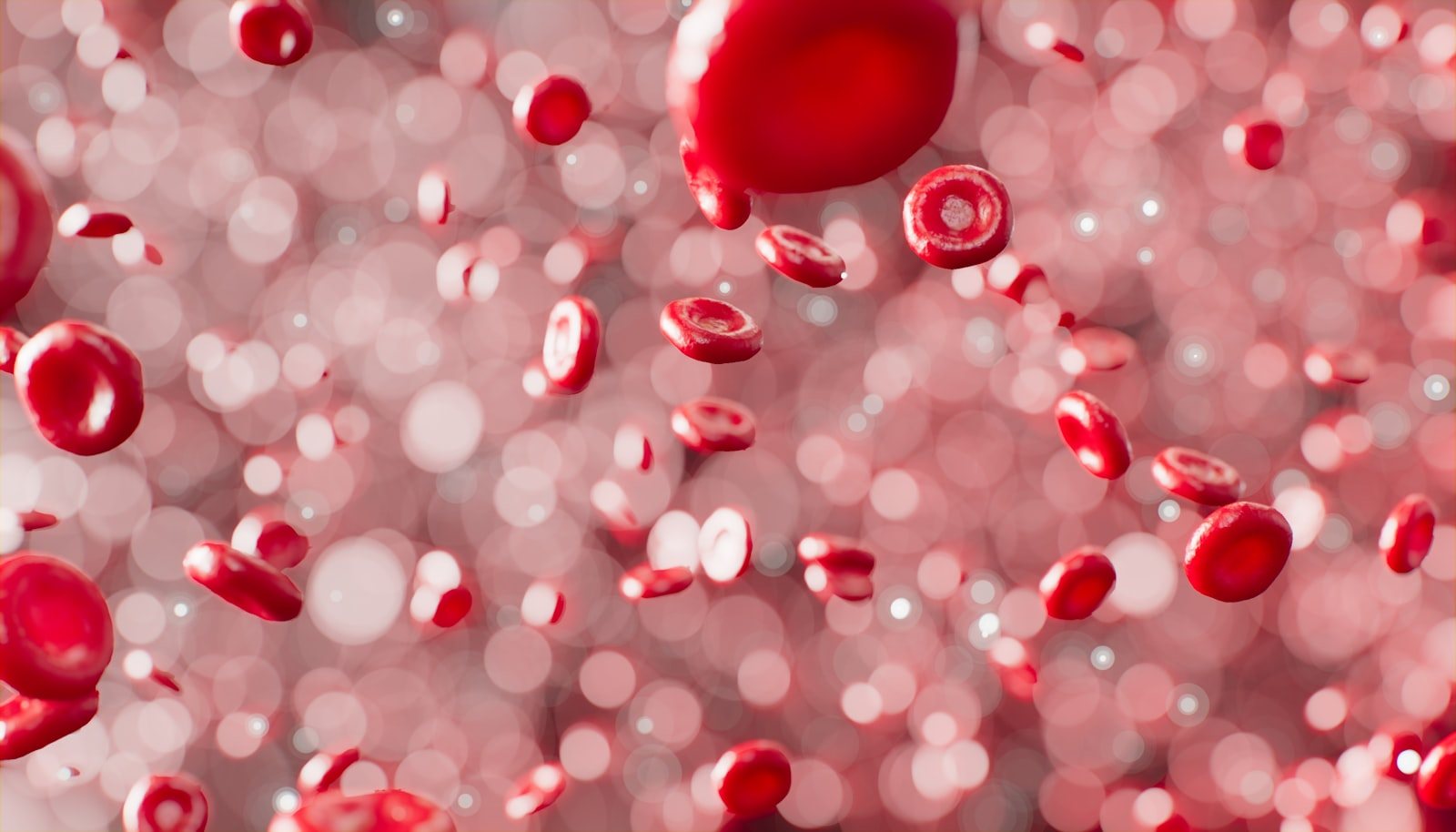
Why the risk rises
Neutrophils are the white cells that do most of the early work against bacterial infection. When their numbers fall, the usual containment does not happen and bacteria that would normally be dealt with quietly can spread.
That state is called neutropenia. The lower the count and the longer it lasts, the higher the risk, and the less obvious the usual signs of infection become.
This is the crucial part: with few neutrophils, there is little to produce pus, swelling or redness. Fever may be the only sign that anything is wrong at all.
When counts are lowest
White cell counts typically fall to their lowest point around seven to fourteen days after a dose of chemotherapy, then recover before the next cycle.

Knowing roughly when that window falls for your regimen is useful. It is worth asking your team directly, and marking it on a calendar, so that a fever during those days prompts immediate action rather than deliberation.
The window varies between regimens, and some treatments suppress counts far more than others. Do not assume a general rule applies to yours.
Counts are checked before most cycles, and treatment is sometimes delayed or the dose adjusted if they have not recovered. That is routine management rather than a setback, though it rarely feels that way at the time.
A fever is an emergency
This is the single most important thing in this article. A fever during chemotherapy is not something to monitor overnight. It is a reason to contact your team immediately, at any hour.
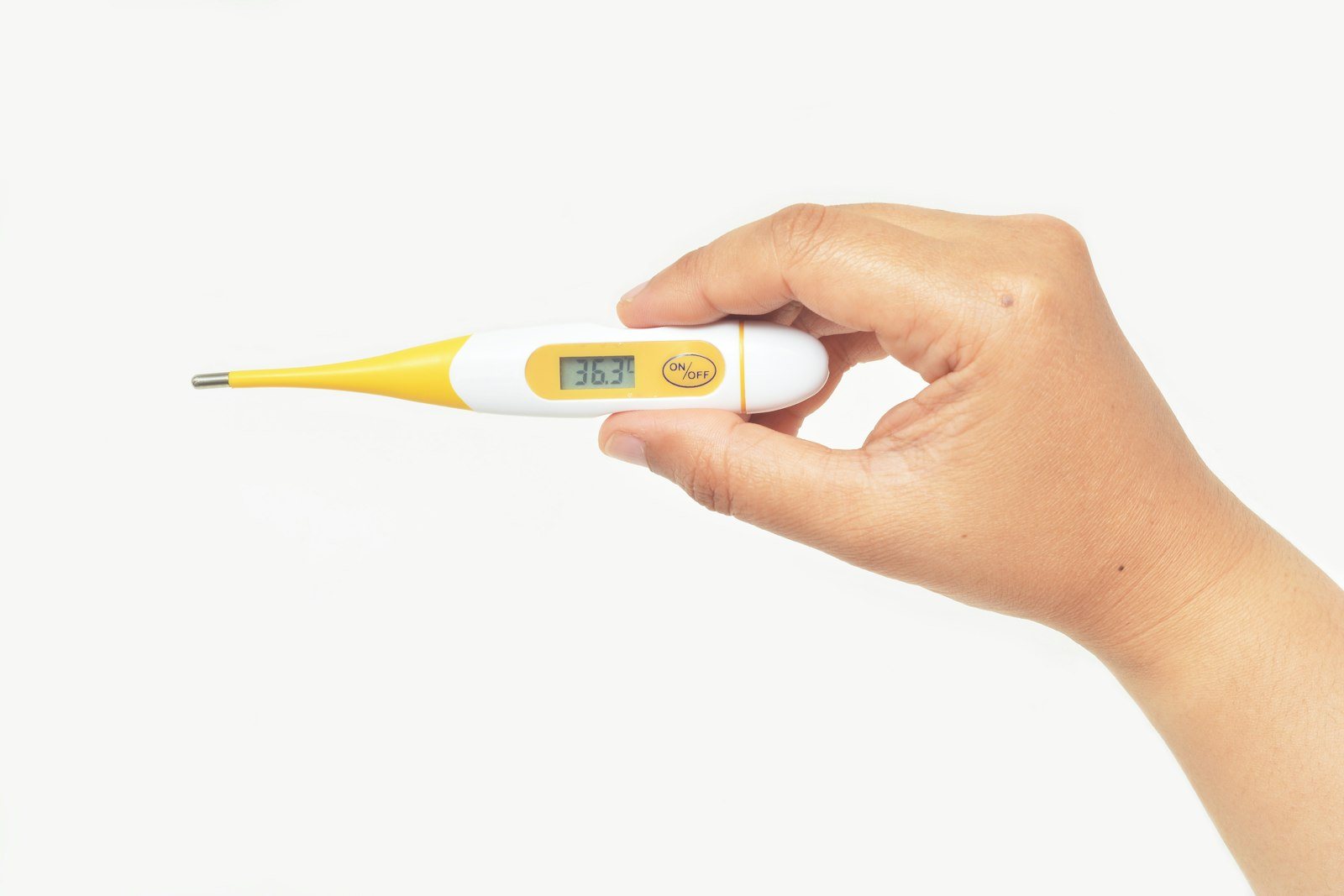
The usual thresholds are a single reading of 100.4°F (38°C) or higher, or a temperature that stays around that level for an hour. Your team may give you different numbers; use theirs.
Do not take acetaminophen or ibuprofen to bring a fever down before calling. It can mask the only sign of a serious infection and delay treatment. Call first.
The reason for the urgency is that neutropenic fever can progress to sepsis quickly, and outcomes depend heavily on how fast antibiotics are started.
Treatment for neutropenic fever usually starts before anyone knows what the infection is. Broad antibiotics go in quickly and are narrowed once cultures return, which is the same principle described in our article on the warning signs of sepsis.
Other symptoms that warrant an immediate call
Because the usual signs are blunted, several less dramatic symptoms carry more weight than they otherwise would.
| Symptom | What it may mean | What to do |
|---|---|---|
| Temperature 100.4°F or above | Possible serious infection | Call immediately, day or night |
| Shaking chills, even without fever | Possible bloodstream infection | Call immediately |
| New cough or breathlessness | Possible chest infection | Call the same day |
| Burning on passing urine | Possible urinary infection | Call the same day |
| Redness or pain at a line or port site | Possible line infection | Call the same day |
| Mouth sores, or pain on swallowing | A common route for infection | Report at the next contact, sooner if severe |
| Persistent vomiting or diarrhea | Dehydration and infection risk | Call the same day |
If you are admitted, expect blood cultures and antibiotics quickly, often within the first hour. That speed is deliberate, and it is why calling early rather than waiting until morning changes what happens.
Where infections tend to start
Knowing the usual entry points makes the precautions make sense rather than feeling arbitrary.
- The mouth, where chemotherapy-related sores break the lining
- A central line or port, where the skin is permanently breached
- The gut, where the lining is also affected by treatment
- The chest, particularly after a viral illness, as covered in our article on pneumonia in adults
- The urinary tract
- The skin, including around fingernails and any break in the surface
Most of these are internal rather than acquired from other people, which surprises many patients. A significant proportion of infections during treatment come from organisms already living on and in the body.
Reducing the risk day to day

- Wash hands frequently, and ask household members to do the same
- Avoid people who are unwell, and crowded indoor spaces during your low window
- Care for any central line or port exactly as instructed
- Keep up mouth care with a soft brush, since mouth sores are a common entry point
- Cook meat thoroughly, wash produce, and observe food dates carefully
- Avoid gardening without gloves, and avoid changing animal litter
- Ask before having any vaccine, and before dental work
Ask specifically about vaccination timing. Some vaccines are recommended and some are avoided during treatment, and the timing relative to cycles matters.
Caregivers matter here too. Anyone living with someone on chemotherapy should know the temperature threshold, know where the contact number is, and be willing to make the call themselves if the patient is playing it down.
Be ready before you need to be
The worst time to work out who to call is at two in the morning with a fever.

- Keep the 24-hour contact number written down where anyone can find it
- Keep a working thermometer, and know how to use it
- Carry your treatment alert card if you were given one
- Have a bag packed in case admission is needed
- Make sure someone else in the household knows the plan
- Know which hospital to attend, and tell staff on arrival that you are on chemotherapy
That last point matters. Saying you are neutropenic or on chemotherapy at reception changes how quickly you are seen, and it is worth being direct about it.
Frequently asked questions
What temperature means I should call?
Usually a single reading of 100.4°F (38°C) or higher, or a temperature that stays around that level for an hour. Your team may give you different thresholds; use theirs, and call at any hour.
Should I take acetaminophen for a fever during chemotherapy?
Not before calling. It can lower the temperature and mask the only sign of a serious infection, delaying treatment. Contact your team first and follow their advice.
When is my infection risk highest?
Usually around seven to fourteen days after a dose, when white cell counts reach their lowest point. The window varies by regimen, so ask your team when yours falls.
Can I still see family and friends?
Generally yes, and isolation carries its own costs. Avoid anyone who is unwell, keep hand hygiene tight, and be more cautious about crowded indoor settings during your low window.
Do I need antibiotics before dental work?
Ask your oncology team before booking anything, including routine cleaning. Timing relative to your cycles matters, and the answer depends on your treatment and counts.
More about the specialty is on the infectious disease physician page, and the contact page explains how to reach the practice.
Sources and further reading: American Cancer Society — Infections in people with cancer.
This article is general health information, not medical advice, and it cannot account for your own history or medications. Discuss your situation with a qualified clinician before acting on anything you read here.