
Most coughs are viral and settle on their own. Pneumonia is different: an infection in the lung tissue itself, where the small air sacs fill with fluid and stop doing their job.
The difficulty is that it does not always announce itself. Some people are visibly and obviously ill. Others feel unwell in an ordinary way for a week before anyone suspects anything.
How it differs from a cold or bronchitis
All three produce a cough. What separates them is where the infection sits and how the whole person feels.
| Cold | Acute bronchitis | Pneumonia | |
|---|---|---|---|
| Where it is | Nose and throat | Airways | Lung tissue itself |
| Fever | Mild or none | Mild or none | Often present, sometimes high |
| Cough | Mild, tickly | Prominent, can last weeks | Often productive, sometimes painful |
| Breathing | Normal | Usually normal | Often faster or harder work |
| How you feel | Under the weather | Tired but functioning | Genuinely unwell |
| Usual treatment | Rest and fluids | Rest and fluids | Antibiotics if bacterial |
Colored phlegm does not distinguish them, and neither does the cough lasting two weeks. Bronchitis routinely does both, which is one reason our article on why antibiotics are not always the answer spends time on it.
The signs that need same-day assessment
Some features shift this from something to monitor to something to act on.
- Breathlessness at rest, or struggling to complete a sentence
- Chest pain, particularly on breathing in
- Confusion, drowsiness or a sudden change in behavior
- A high fever with shaking chills
- Coughing up blood
- Blue or grey lips or fingertips
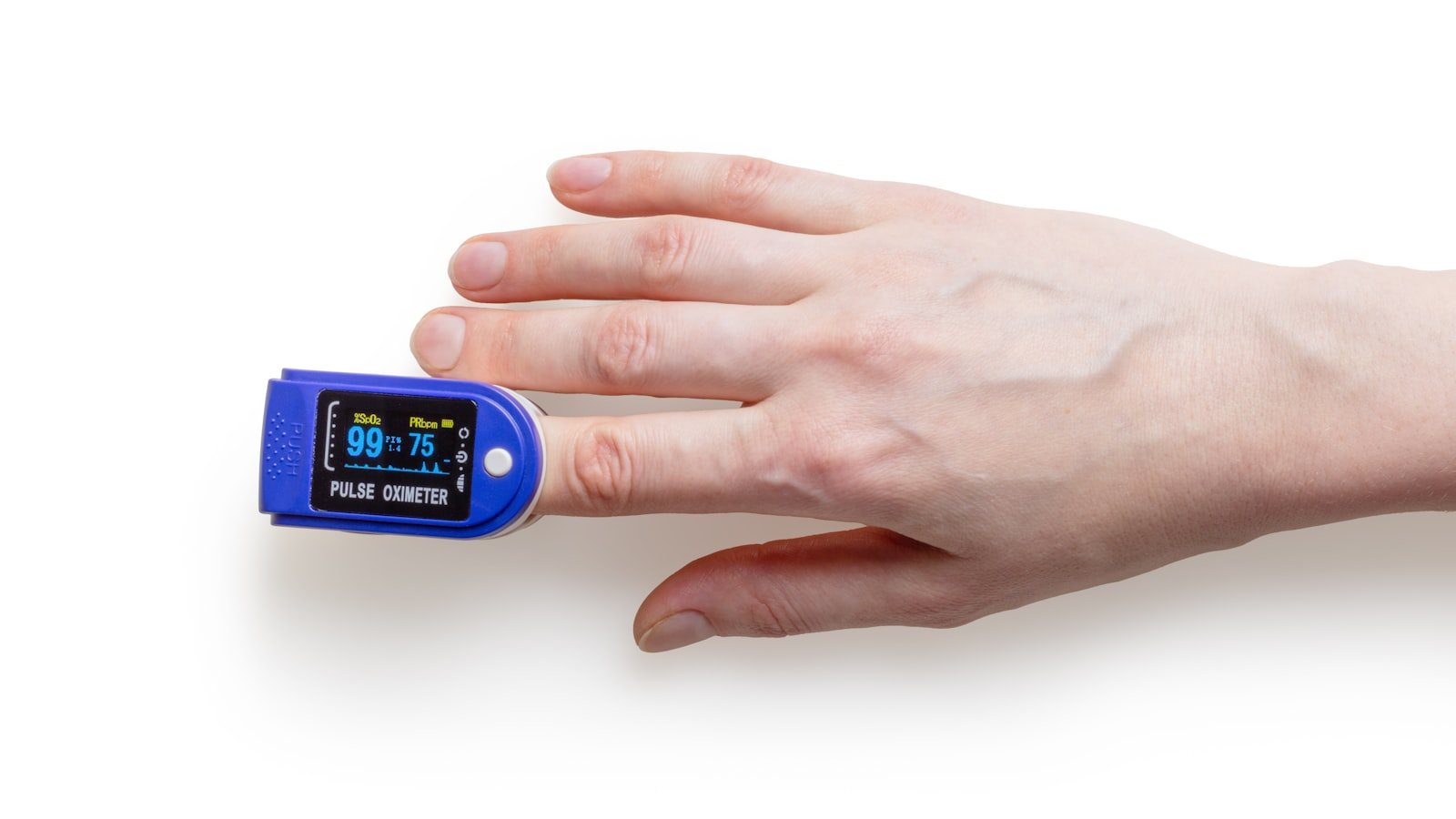
- A pulse oximeter reading below your usual level, or below 92 percent
Confusion, breathlessness at rest, chest pain or blue-tinged lips need emergency assessment. Pneumonia is one of the commonest triggers for sepsis, which can develop within hours.
One more distinction is worth holding on to. Feeling unwell all over, rather than just having a cough, is the feature that most reliably separates pneumonia from the illnesses it resembles.
Who is more likely to become seriously unwell
- Adults over 65, and very young children
- People with COPD, asthma, heart failure, diabetes or kidney disease
- Anyone whose immune system is suppressed by illness or treatment
- Smokers, and people with a heavy alcohol intake
- People who have recently had influenza or another viral illness
- Anyone with difficulty swallowing, or who has recently choked on food or drink
In older adults, pneumonia can present without a fever and without an obvious cough. Confusion, a fall, or simply not being themselves may be the first sign, and that deserves as much attention as a textbook presentation.
How it is diagnosed
Assessment starts with listening to the chest, checking oxygen levels, and taking a temperature, pulse and breathing rate. Those simple measurements do most of the work in deciding how serious it is.

A chest radiograph confirms it where the picture is unclear or the illness is severe. Blood tests and sputum or blood cultures may be added, particularly if hospital treatment is needed.
Not everyone needs imaging. Many cases are diagnosed and treated on clinical grounds in someone who is otherwise well.
Treatment
Bacterial pneumonia is treated with antibiotics, chosen for the likely organism and adjusted if cultures identify something specific. Viral pneumonia is not, though antiviral treatment is sometimes used for influenza or COVID-19.

Most people treated at home start to improve within two or three days. If there is no improvement by then, or things are getting worse, that is a reason to be reassessed rather than to wait out the course.
Severe cases need hospital treatment: oxygen, intravenous antibiotics and fluids. Where prolonged intravenous therapy is required afterwards, it can often be completed through an office infusion center.
Who can be treated at home
Most people with pneumonia are treated at home. The decision turns on how the whole person is doing rather than on what the chest sounds like: breathing rate, oxygen level, blood pressure, mental state, age and other conditions.
Clinicians use scoring tools to support that judgment, but the underlying question is simple enough: can this person be safely looked after outside hospital, and is there someone to notice if they deteriorate?
If you are treated at home, make sure you leave knowing what would mean coming back, and by when you should expect to feel better. Those two pieces of information do more for safety than anything else in the consultation.
Recovery is slower than people expect
This is the part that surprises people most. The infection may be gone long before you feel normal.

A rough guide: the fever settles within about a week, the chest pain and mucus production improve over about four weeks, the cough and breathlessness over about six, and the tiredness can persist for three months.
That timeline is normal. Knowing it in advance prevents a great deal of unnecessary worry, and prevents people from assuming that a lingering cough means the antibiotics did not work.
Two further points about recovery. A cough that is slowly improving is different from one that has plateaued or worsened, and only the second needs review. And a second fever after the first has settled is always worth reporting, because it can signal a complication rather than a relapse of the same illness.
Reducing the risk
- Keep influenza and pneumococcal vaccination up to date as advised for your age and health
- Stop smoking; it is the single largest modifiable risk factor
- Keep chronic lung, heart and kidney conditions well controlled
- Wash hands regularly, particularly in winter
- Seek review early if a viral illness is followed by a second deterioration
Adult vaccination is easy to lose track of. A pre-travel appointment is a natural moment to review it, alongside the destination-specific advice covered in our article on how far in advance to plan travel vaccines.
Frequently asked questions
How long does pneumonia take to recover from?
The fever usually settles within a week, but the cough and breathlessness often take around six weeks and fatigue can last up to three months. A slow recovery is normal and does not mean treatment failed.
What is walking pneumonia?
An informal term for a milder pneumonia, often caused by particular organisms, where people remain up and about. It still deserves assessment, because mild at the start does not guarantee mild throughout.
Do I need a chest x-ray?
Not always. Many cases are diagnosed clinically. Imaging is used when the picture is unclear, the illness is severe, or symptoms are not improving as expected.
Can pneumonia be viral?
Yes, and viral pneumonia does not respond to antibiotics. Influenza and COVID-19 both cause it, and bacterial infection sometimes follows a viral one, which is why a second deterioration matters.
When should I go back if I am not improving?
If there is no improvement after two or three days of treatment, or if breathing becomes harder, confusion develops or the fever returns after settling, be reassessed promptly rather than finishing the course first.
More about the specialty is on the infectious disease physician page, and the contact page explains how to reach the practice.
Sources and further reading: American Lung Association — Pneumonia symptoms and diagnosis.
This article is general health information, not medical advice, and it cannot account for your own history or medications. Discuss your situation with a qualified clinician before acting on anything you read here.