

Being told you do not need antibiotics can feel like being turned away. You are unwell, you came for help, and you are leaving without a prescription.
It is worth knowing what is behind that decision, because it is not caution for its own sake and it is not about cost. Antibiotics that do not help you can actively harm you, and the harm is not hypothetical.

Antibiotics do nothing to viruses
Antibiotics work on structures and processes that bacteria have and viruses do not: cell walls, bacterial ribosomes, bacterial enzymes. A virus has none of these, so there is nothing for the drug to act on.
That is why colds, influenza, COVID-19, most sore throats, most sinus congestion and most coughs get no benefit whatsoever from an antibiotic. Not a small benefit. None.
Illness lasting a week or more does not make it bacterial either. Viral illnesses routinely run ten days or longer, and the yellow or green mucus that many people take as proof of bacterial infection is simply what happens when immune cells arrive.
How resistance actually develops
Every time an antibiotic is taken, it kills the bacteria that are susceptible to it. Any bacteria that happen to survive are, by definition, the ones it does not kill well, and they now have less competition.
Repeat that often enough and the surviving population becomes the normal one. This is not the person becoming resistant to antibiotics, which is a common misunderstanding. It is the bacteria changing.
Those resistant bacteria are not confined to the person who took the course. They spread, which is why this is a shared problem rather than an individual one.
What an unnecessary course costs you personally
Even setting resistance aside, an antibiotic you did not need is not neutral.
- Side effects: nausea, diarrhea, rash and thrush are common
- Disruption of the normal gut bacteria, which takes weeks to recover
- A meaningfully raised risk of Clostridioides difficile infection for months afterwards
- Allergic reactions, occasionally severe
- Interactions with medicines you already take
- A future infection that is harder to treat because the easy options no longer work

Which illnesses antibiotics do and do not help
| Illness | Usual cause | Do antibiotics help? |
|---|---|---|
| Common cold | Virus | No |
| Influenza and COVID-19 | Virus | No; antivirals may be used instead |
| Most sore throats | Usually viral | Only if strep is confirmed by testing |
| Most sinus congestion | Usually viral | Rarely, and only if it persists or worsens |
| Most acute bronchitis | Usually viral | No, even with a productive cough |
| Bacterial pneumonia | Bacteria | Yes |
| Urinary tract infection | Bacteria | Yes, guided by culture where possible |
| Cellulitis | Bacteria | Yes |
The judgment in the middle rows is exactly where clinical assessment earns its keep, and where a confident yes or no cannot be made from symptoms alone.
What actually helps a viral illness
Nothing here is glamorous, which is part of why it disappoints. It is also what works.
- Fluids, and more rest than feels necessary
- Acetaminophen or ibuprofen for fever and aches, as directed
- Warm drinks, honey for cough in adults and children over one year
- Saline rinses or steam for nasal congestion
- Time, and a plan for what would change the picture
That last point matters. A good consultation ends with you knowing which specific developments would mean coming back, rather than simply being told to wait.
When the picture does change
Antibiotics are genuinely necessary sometimes, and the aim is not to avoid them but to use them when they will work.

- Symptoms that improve and then clearly worsen again
- A fever that returns after settling
- Breathlessness, chest pain, or coughing up blood
- A spreading area of red, warm, tender skin
- Severe pain confined to one area, such as one sinus or one ear
- Being unable to keep fluids down, or becoming confused or very drowsy
Any of these is worth a reassessment. Some are urgent: our guide to the warning signs of sepsis covers the ones that mean emergency care rather than an appointment.
It is also worth saying that pressing for antibiotics puts clinicians in a difficult position, and that a prescription written to end a conversation helps nobody. A better question than “can I have antibiotics?” is “what would make you think this is bacterial?” That is a question with a useful answer.
If you are given a prescription
Take it as directed and complete the course your prescriber specified. Do not save leftovers for next time, do not take someone else’s, and do not press for a repeat of something that worked once for a different illness.
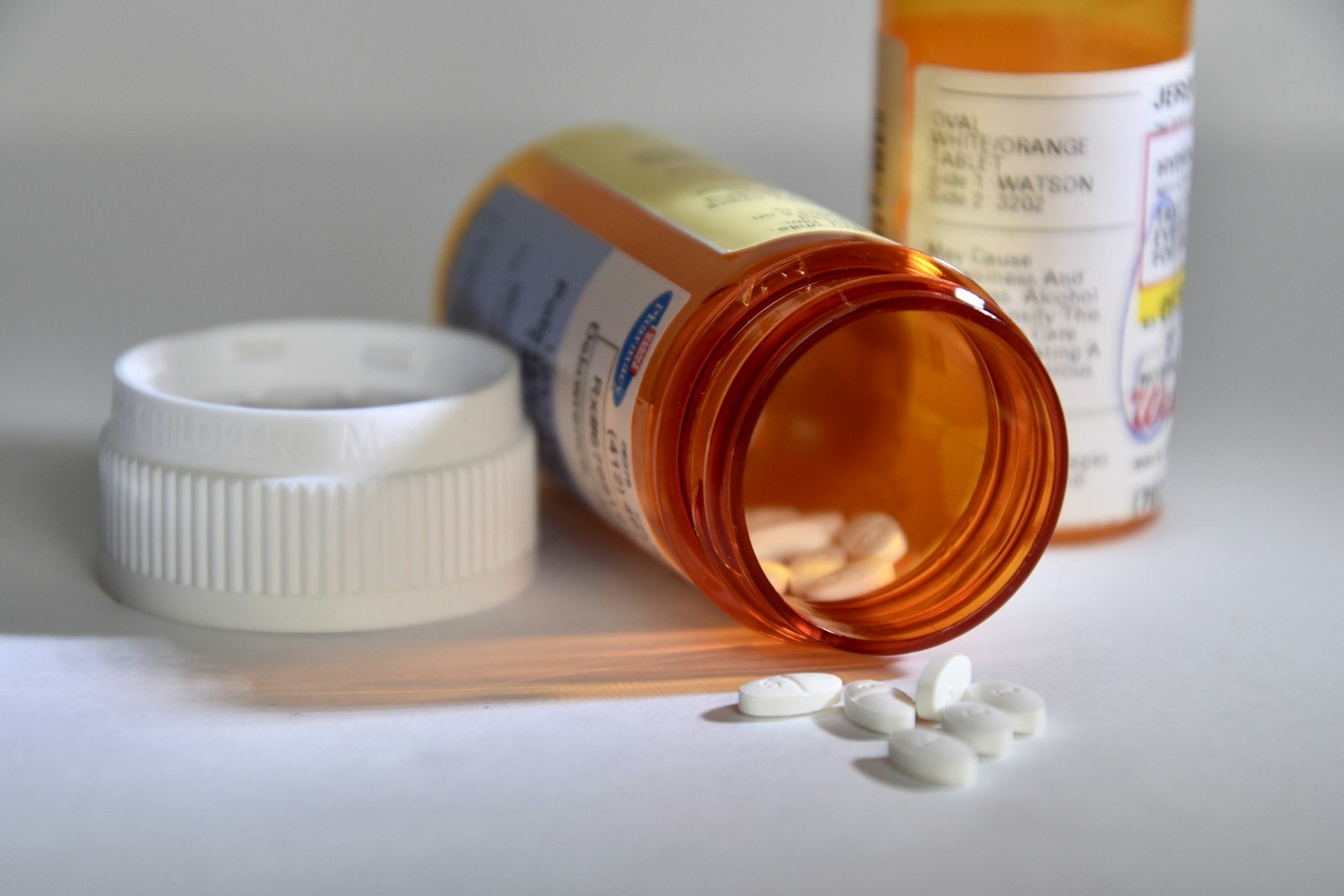
Tell the prescriber about any previous reaction, about a history of C. difficile, and about every other medicine you take. Those details change what is safe to prescribe.
Why the trajectory matters
Resistance is not a distant problem. Infections that were once routine to treat already require second- and third-choice drugs in some patients, and those tend to be more toxic, more expensive, and more likely to be given intravenously.
That is the practical shape of the problem: not that antibiotics stop working overnight, but that treatment slowly becomes harder, longer and more invasive. Patients needing weeks of intravenous therapy for infections that oral drugs once handled is what this looks like in a clinic.
What stewardship means in practice
Antimicrobial stewardship is the deliberate effort to use these drugs only when they help, and to use the narrowest effective option for the shortest effective time.

It is a large part of what an infectious disease physician does day to day: choosing a drug for an identified organism, narrowing broad treatment once cultures return, and setting a duration that is long enough and no longer. Our guide to when an infection needs a specialist covers when that input is worth requesting.
Frequently asked questions
Why won’t my doctor give me antibiotics for a cough?
Most acute coughs are viral, including ones that produce colored phlegm and last two or three weeks. Antibiotics do not shorten them and carry real side effects. Your clinician should tell you what would change that assessment.
Does green or yellow mucus mean I need antibiotics?
No. The color comes from immune cells arriving at the site and is entirely normal in viral infections. It is not evidence of bacterial infection on its own.
Can I become resistant to antibiotics?
People do not become resistant; bacteria do. But the resistant bacteria that develop can live in and on you, and can cause your next infection, so it does affect you personally.
Should I keep leftover antibiotics for next time?
No. Partial courses encourage resistance, the leftovers may be wrong for the next illness, and they expire. Return unused antibiotics to a pharmacy for disposal.
If antibiotics are risky, why are they still prescribed so often?
Because when an infection is bacterial they are genuinely effective and sometimes life-saving. The aim of stewardship is not fewer antibiotics for their own sake, but the right antibiotic, for the right infection, for the right length of time.
You can read more on the our practice page, or reach us through the contact page.
Sources and further reading: World Health Organization — Antimicrobial resistance.
This article is general health information, not medical advice, and it cannot account for your own history or medications. Discuss your situation with a qualified clinician before acting on anything you read here.