

Most infections behave predictably. You feel unwell, you are diagnosed, you take a course of treatment, and within a week or two it is behind you. Primary care handles the vast majority of these episodes without involving anyone else.
A smaller group of infections does not follow that script. The fever keeps returning, the second antibiotic works no better than the first, or a culture grows an organism nobody expected. That is the territory of the infectious disease physician, and knowing when to cross into it can save months of circling the same problem.
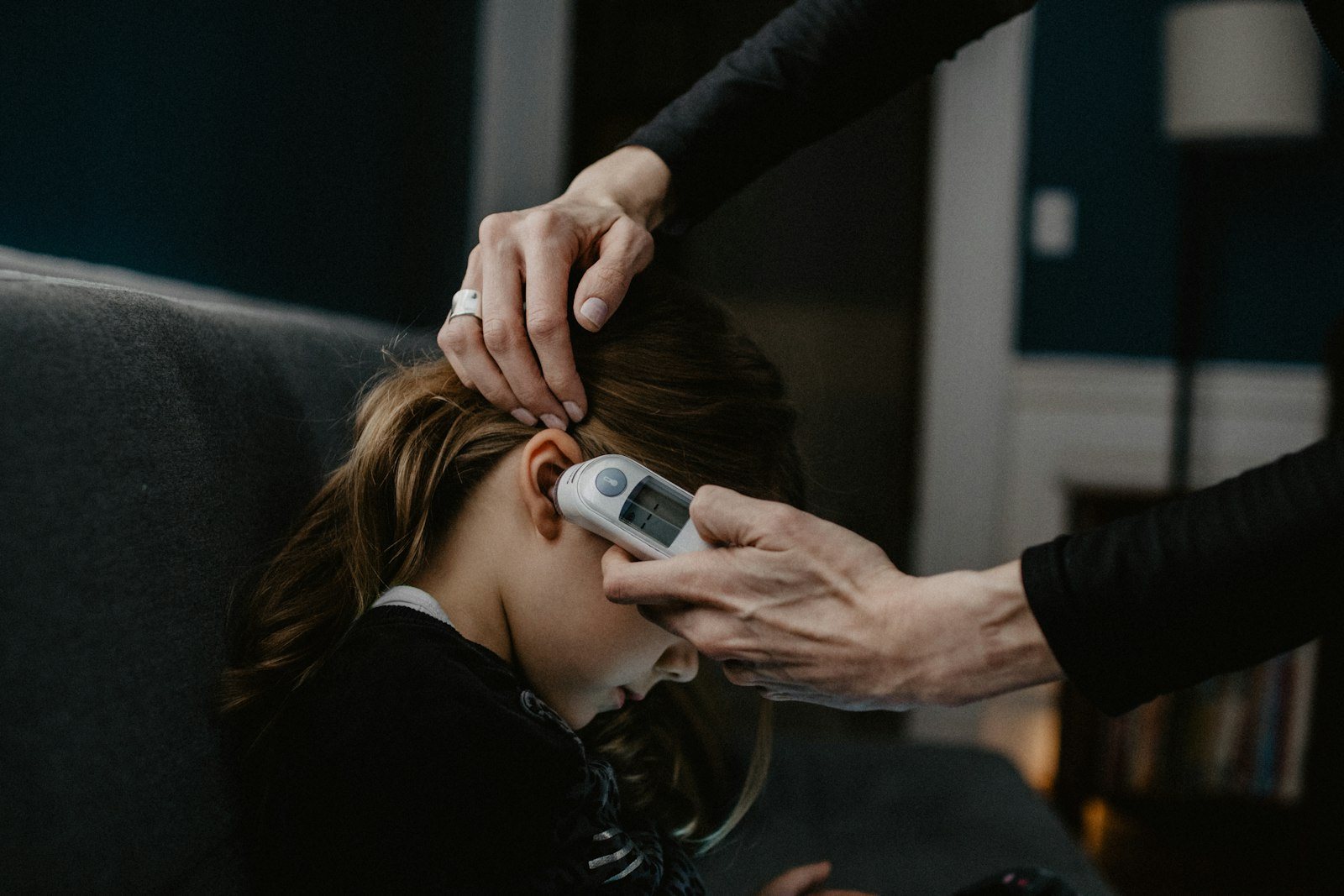
What an infectious disease physician actually does
Infectious disease is a subspecialty of internal medicine. Physicians in the field complete a residency in internal medicine and then further fellowship training focused on bacteria, viruses, fungi and parasites, and on the antimicrobial drugs used against them.
The practical difference is diagnostic rather than procedural. An infectious disease physician rarely operates. What they do is assemble an explanation from culture results, imaging, exposure history and travel history, then match a specific organism to a specific drug, dose and duration.
That last part matters more than most patients realize. Two people carrying the same organism in the same site can need very different treatment lengths depending on whether implanted hardware is involved and how the immune system is behaving. Getting the duration wrong is a common route back to relapse.
Signs an infection may need specialist input
There is no single threshold, but a handful of patterns come up repeatedly in referrals. Any one of them is worth raising with your own physician.
The infection has not responded to treatment
If you have finished a course of antibiotics and the symptoms are unchanged, or they returned within days of stopping, the working diagnosis may be wrong. Sometimes the organism is resistant to the drug chosen. Sometimes the problem was never bacterial.

The same infection keeps coming back
Recurrence in one site — repeated urinary tract infections, recurring skin and soft tissue infections, sinus infections that return each season — suggests something is sustaining the organism. Finding that reservoir is usually more productive than another round of the same treatment.
You have a fever with no obvious source
Prolonged fever without an identified cause has its own diagnostic pathway. It is a classic reason for referral, because the list of possibilities is broad and includes conditions that are not infectious at all.
Your immune system is suppressed
Transplant recipients, people receiving chemotherapy or long-term steroids, and those living with HIV can develop infections that would not trouble anyone else. Presentations are often muted, so a mild symptom can carry more weight than it appears to.
You have traveled recently
Fever, diarrhea or a rash after international travel deserves a history that includes where you went and what you were exposed to. Planning ahead through a pre-travel medicine consultation prevents a good share of these, though not all of them.
An implant or device is involved
Infections around joint replacements, cardiac devices, surgical mesh or vascular grafts behave differently from ordinary tissue infections. They frequently need longer treatment and close coordination with the surgical team.
Primary care and specialist care compared
The distinction is not one of seniority. Both roles are necessary, and most patients need the specialist only for a defined stretch of a much longer relationship with their own physician.
| Primary care physician | Infectious disease specialist | |
|---|---|---|
| Typical role | First assessment and continuing general care | Consultative opinion on one specific infection |
| Best suited to | Common infections that respond to first-line treatment | Infections that are resistant, recurrent, unexplained or unusually located |
| Testing emphasis | Point-of-care and routine laboratory tests | Cultures, susceptibility testing, specialized serology, targeted imaging |
| Treatment approach | Empiric therapy aimed at the likely organism | Organism-directed therapy with a defined drug, dose and duration |
| Length of involvement | Continuous, across all health concerns | Usually time-limited, ending when the infection resolves |
| Referral direction | Refers into specialist care | Reports back with a written plan |
Conditions these specialists commonly manage
The scope of the field is unusually wide, because infection can occur anywhere in the body. Areas frequently seen in an outpatient practice include:
- Bone and joint infections, including osteomyelitis and prosthetic joint infection
- Endocarditis and infections of implanted cardiac devices
- Complicated skin and soft tissue infections, often alongside specialist wound care
- HIV medicine and related preventive care
- Hepatitis B and hepatitis C
- Tuberculosis and other mycobacterial disease
- Fungal infections, particularly in people who are immunocompromised
- Illness acquired during or after international travel
- Fever of unknown origin
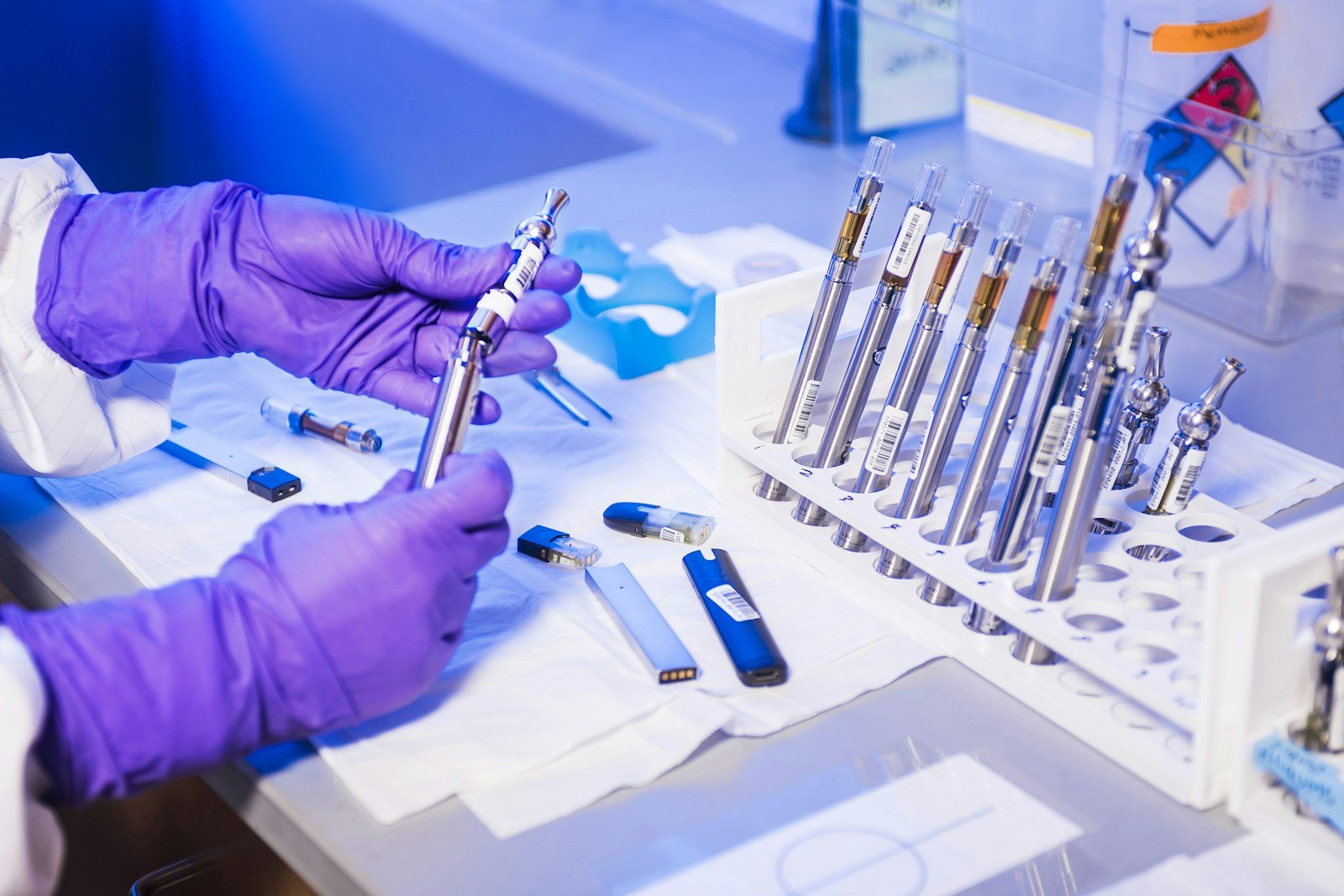
How a referral usually works
In most cases the process starts with your existing physician rather than with you.
- Your primary care physician, surgeon or hospital team identifies a question they want specialist input on.
- They send a referral with the relevant records — culture results, imaging reports, operative notes, and the antibiotics already tried.
- The practice contacts you to arrange an appointment and explains what to bring.
- After the consultation a written assessment goes back to the referring physician, so everyone is working from the same plan.
Some visits, particularly travel medicine appointments, can be arranged directly. If you are not sure which applies to you, the practice contact page is the quickest way to ask.
What to expect at a first consultation
A first appointment runs longer than a routine visit and is mostly conversation. Expect detailed questions about the timeline of your illness, every treatment you have had, your occupation, pets, hobbies, recent travel and any hospital stays.
Those questions can feel tangential. They are not: exposure history is often the only thing separating two organisms that look identical on a report.
An examination follows, and frequently further testing. You may not leave with a final answer on the first day, because cultures take time to grow and susceptibility results take longer still.

How to prepare for the appointment
A little preparation makes a real difference to how much gets settled in one visit.
- A complete medication list, including supplements and anything stopped recently
- Every antibiotic taken for this problem, with rough dates and whether it helped
- Any results you hold yourself — laboratory reports, imaging discs, discharge summaries
- Dates and destinations of travel in the last twelve months
- Your allergies, and what actually happened during each reaction
- Your questions, written down in advance; consultations move quickly
The patient guide covers the administrative side of a first visit, and the patient portal is where you can review results and messages afterwards.

Seek urgent care rather than a routine referral if you have a high fever with confusion, a rapidly spreading area of redness, difficulty breathing, a stiff neck with severe headache, or you feel dramatically worse within a few hours.
Frequently asked questions
Do I need a referral to see an infectious disease specialist?
It depends on the practice and on your insurance plan. Many consultations arrive by referral, because the specialist needs the records that come with it. Some visits, particularly pre-travel appointments, can be arranged directly. Check with both the practice and your insurer first.
How long does infectious disease treatment usually last?
It varies widely by condition. A skin infection may need about a week, while bone and joint infections and endocarditis are often treated for six weeks or longer. Completing the full course matters even after you feel well.
Will I need intravenous antibiotics?
Only some patients do. When an infection requires intravenous therapy but you are otherwise stable, treatment can often continue outside hospital through an office infusion center rather than as an inpatient.
What should I bring to the first appointment?
A full medication list, a record of every antibiotic tried for this problem, any laboratory or imaging results you hold, your travel history for the past year, your allergies with a description of each reaction, and your written questions.
Can a specialist help if no cause has been found yet?
Yes. Unexplained fever is one of the standard reasons for referral. The work is largely diagnostic, and part of its value lies in ruling conditions out, including ones that turn out not to be infections at all.
You can read more about the clinicians on the provider profiles page or the practice overview.
Sources and further reading: MedlinePlus (U.S. National Library of Medicine) — Infections.
This article is general health information, not medical advice, and it cannot account for your own history or medications. Discuss your situation with a qualified clinician before acting on anything you read here.