
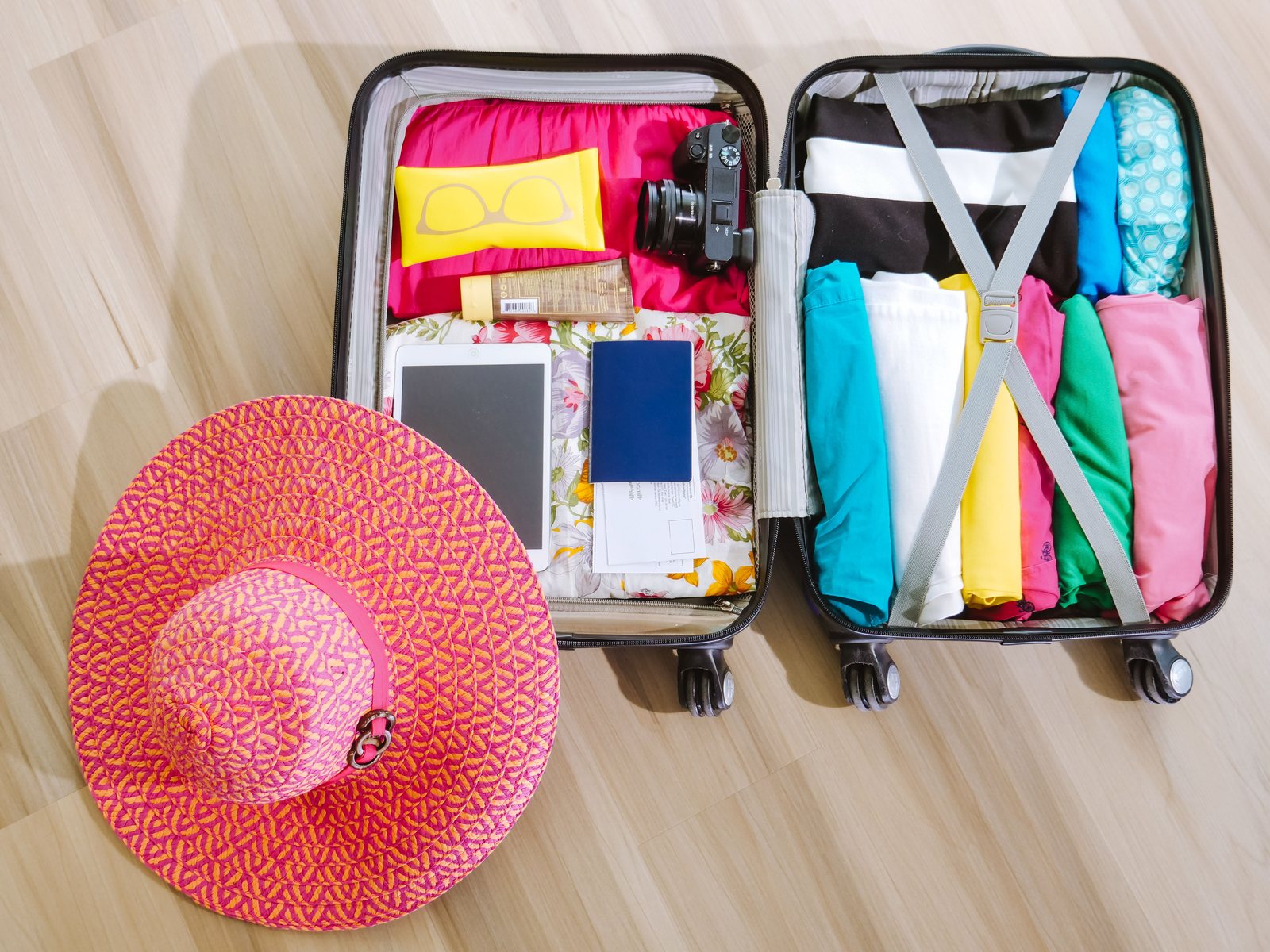
The question comes up in almost every pre-travel appointment, usually a little too late: how far ahead should this have been booked?
The short answer is four to six weeks before departure, and eight weeks is better. The longer answer explains why, and what can still be done when the trip is sooner than that.

Why the timing matters
Three separate factors drive the lead time, and they stack.
First, vaccines take time to work. Your immune system needs roughly two weeks after the final dose to mount a reliable response. Being vaccinated the day before a flight offers far less protection than the same vaccine given a month earlier.
Second, several travel vaccines are given as a series rather than a single dose. A course spread over three or four weeks cannot be compressed into one appointment.
Third, yellow fever has an administrative rule on top of the biological one. Under the International Health Regulations, the certificate becomes valid ten days after vaccination. Countries that require proof of vaccination on entry will look at that date, so a vaccination given nine days before arrival will not satisfy the requirement.
Some travellers should plan earlier still
Four to six weeks is the general figure. Several groups benefit from starting sooner, often two to three months ahead.
- Anyone on immune-suppressing treatment, where live vaccines need individual assessment by an infectious disease physician
- Families traveling with young children, who may be mid-way through routine schedules
- Long-stay travellers, volunteers and those doing rural or fieldwork placements
- Travellers with chronic conditions that complicate malaria prophylaxis choice
- Anyone needing a multi-dose series such as rabies or Japanese encephalitis
Typical lead times by vaccine
These are general planning figures. Your actual schedule depends on your destination, your vaccination history and your own health, and is set at the consultation.
| Vaccine | Typical schedule | Book at least |
|---|---|---|
| Yellow fever | Single dose | 10 days before arrival for a valid certificate |
| Hepatitis A | Dose, with a later booster for long-term protection | 2 weeks |
| Typhoid | Single injection, or an oral course over about a week | 1–2 weeks |
| Rabies (pre-exposure) | Two or three doses over roughly a week or a month | 3–4 weeks |
| Japanese encephalitis | Two doses, usually 28 days apart | 5–6 weeks |
| Hepatitis B | Multi-dose series, accelerated schedules exist | 4–8 weeks |
| Routine boosters | Single doses, checked against your record | 2 weeks |
What if you are traveling sooner than that?
Go anyway. A late consultation is far better than none, and this is one of the most common reasons people hesitate to book at all.
Several things still work at short notice. Some vaccines have accelerated schedules. Partial protection from an incomplete series is generally better than none. Malaria prophylaxis, travellers diarrhea standby treatment and altitude medication are prescriptions rather than vaccines, so they can be arranged quickly.
What cannot be fixed at short notice is a yellow fever certificate for a country that requires one on entry. That ten-day window is not clinical discretion.
Destination changes everything
There is no standard travel vaccine package. Two people flying to the same country can need entirely different recommendations depending on where they are going within it and what they will be doing.

A business trip staying in a city hotel carries different exposures from six weeks of rural fieldwork in the same country. Season matters too, since mosquito-borne disease risk shifts with rainfall.
Bring your itinerary to the appointment, not just the destination. Regions, dates, accommodation type and planned activities all change the advice given at a travel medicine consultation.
What a pre-travel consultation covers
Vaccines are one part of a broader review. A consultation usually works through:
- Your vaccination history, and which routine boosters are due
- Destination-specific vaccine recommendations and entry requirements
- Malaria risk and the right prophylaxis for your region and itinerary
- Food and water precautions, and standby treatment for travellers diarrhea
- Insect bite prevention, including repellents and treated nets
- Altitude, motion sickness and jet lag where relevant
- How your existing conditions and medications interact with travel
If you have a condition that suppresses your immune system, mention it early. Live vaccines may need to be avoided or handled differently, and that changes the whole plan.
You should leave with a written record of what was given, prescriptions for anything you need to carry, and clear instructions on what to do if you become unwell abroad. The patient guide covers what to bring to any appointment, and vaccination records are available afterwards through the patient portal.
Keep a photograph of your certificate on your phone as well as the paper copy. Losing the card mid-trip is a much smaller problem when a legible image of it exists.
The parts that are not vaccines
For several major travel illnesses there is no vaccine at all. Dengue, chikungunya and Zika are mosquito-borne and largely prevented by avoiding bites.

That makes repellent use, appropriate clothing and treated bed nets a genuine medical intervention rather than an afterthought. The same applies to food and water care, which prevents more travel illness than any single vaccine.
What to bring to the appointment
- Your full itinerary, including regions and dates
- Any vaccination records you hold, including old yellow cards
- A list of your current medications
- Details of any chronic conditions, pregnancy, or immune suppression
- The purpose of the trip — tourism, work, volunteering or visiting family

If you develop fever, diarrhea or a rash after returning, tell whoever assesses you exactly where you traveled and when. Some illnesses appear weeks after the trip ends, and the travel history is what points to the diagnosis.
Frequently asked questions
How far in advance should I get travel vaccines?
Aim for four to six weeks before departure, and eight weeks if you can. That allows time for multi-dose series to be completed and for your immune response to develop before you travel.
Is it too late if I leave next week?
No. Accelerated schedules exist for some vaccines, partial protection still helps, and malaria tablets and standby medication can be prescribed straight away. The only firm barrier is a yellow fever certificate, which is not valid until ten days after vaccination.
Do I need the same vaccines every time I travel?
Not usually. Several travel vaccines give protection for years, and yellow fever vaccination is now generally considered to give lifelong protection. Bring your records so only what is genuinely due gets given.
Are travel vaccines covered by insurance?
Coverage varies by plan and by vaccine, and some travel vaccines are not covered at all. Check with your insurer before the appointment so there are no surprises.
Can I get travel vaccines if I am pregnant or immunocompromised?
Some, but not all. Live vaccines in particular need individual assessment. Raise it at the start of the consultation, because it may change both the vaccine plan and the destination advice.
General preventive advice is collected on the promoting health and wellness page, an overview of the practice sits on the our practice page, and appointments can be arranged through the contact page.
Sources and further reading: CDC Travelers’ Health.
This article is general health information, not medical advice, and it cannot account for your own history or medications. Discuss your situation with a qualified clinician before acting on anything you read here.