

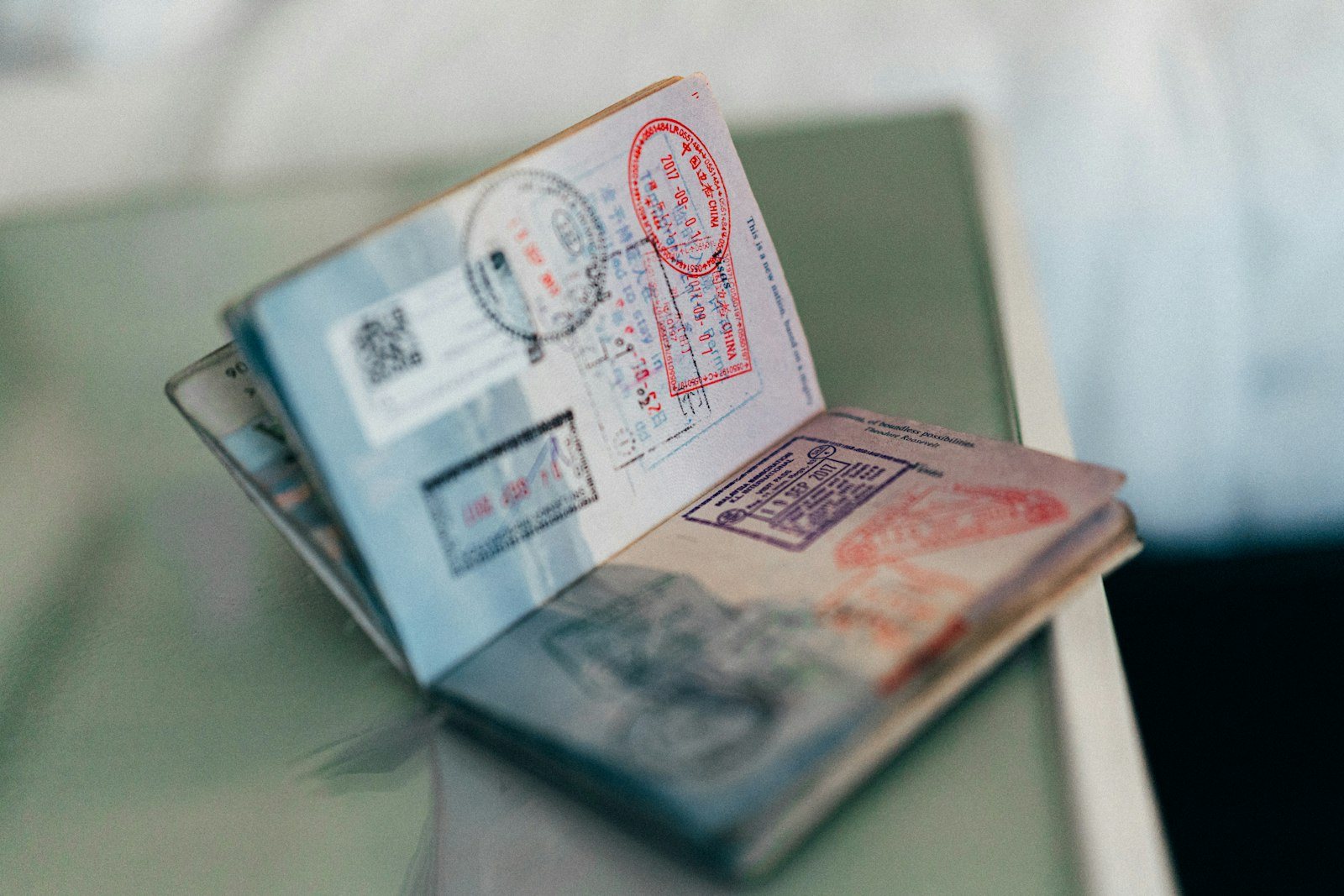
The single most useful thing you can say to a clinician when you are unwell is that you have been abroad. It sounds obvious. It is left out constantly, because by the time the fever arrives the trip feels finished and unrelated.
Malaria is the reason this matters more than any other. It is treatable and it can kill, the difference between those outcomes is often measured in days, and it is diagnosed by a test nobody runs unless someone mentions travel.
Why the timing does so much of the work
Infections have incubation periods, and the gap between coming home and falling ill rules whole groups of them in or out. This is why the first questions are about dates and places rather than about how bad you feel.
| Time since return | What comes into view | What it means for you |
|---|---|---|
| Under a week | Traveler’s diarrhea, dengue, chikungunya, flu | Common, mostly short-lived, but dengue needs assessing |
| One to four weeks | Malaria, typhoid, hepatitis A | The highest-priority window; malaria is the concern |
| One to six months | Malaria still possible, tuberculosis, hepatitis | Worth mentioning travel even if it feels long ago |
| Six months to a year | Tuberculosis, some parasitic infections | Rare, but the travel history remains relevant |
| Any time, with severe symptoms | Malaria until proven otherwise | Same-day assessment, not a routine appointment |
The last row is the one to act on. A fever after travel to a malaria area is treated as urgent regardless of how well you otherwise feel, because malaria can go from mild-seeming to dangerous inside a day.
Malaria, and why prevention is not a guarantee
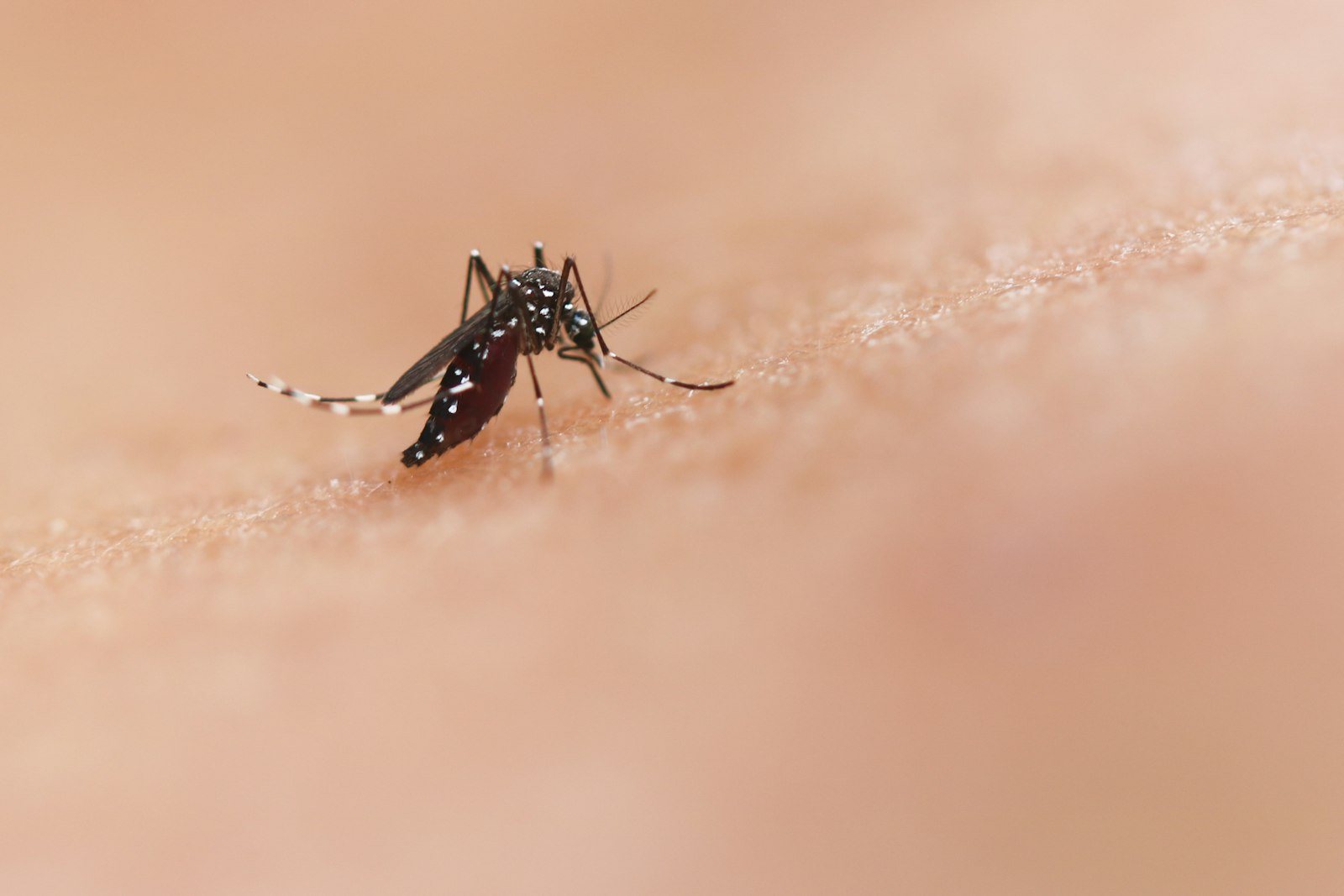
Taking preventive tablets substantially lowers the risk. It does not remove it, and it can delay the onset of symptoms by weeks, which is exactly the circumstance in which people stop connecting the illness to the trip.
Malaria has no signature symptom. It often looks like flu: fever, chills, headache, aches, sometimes vomiting or diarrhea. Nothing about how it feels distinguishes it from the ordinary illnesses in our article on flu and its treatment. The distinction is made by a blood test, and only when someone thinks to order it.
If you develop a fever within a year of returning from a malaria area, say so explicitly and early: “I was in [country] [x] weeks ago.” Do not wait to be asked. The travel history is the single piece of information that changes what gets tested.
What actually gets checked

The core test is a blood film, looked at under a microscope, often alongside a rapid antigen test. If the suspicion is high and the first film is negative, it is usually repeated over the following day or two, because parasites come and go from the bloodstream in cycles.
- Blood films and a rapid malaria test, repeated if the first is negative
- Full blood count and liver and kidney function
- Blood cultures, which is where our article on culture and sensitivity results explains the wait
- Urine testing, and a chest film if there are respiratory symptoms
- Dengue and other specific tests, guided by where you went
- Stool testing if diarrhea is prominent
The list looks long because the differential is wide. Most of it is one blood draw.
Two things change the order of that list. A rash, which points toward dengue and several other specific infections, and diarrhea, which redirects attention to the gut. Both are worth mentioning without being asked, because neither is visible once you are sitting in a consulting room describing a fever that has temporarily settled.
The other possibilities, briefly
- Dengue causes high fever, severe headache and joint pain. The dangerous phase can begin as the fever settles, which is counterintuitive and worth knowing.
- Typhoid builds gradually over a week or more, often with constipation rather than diarrhea early on.
- Traveler’s diarrhea is common and usually self-limiting; if it persists or follows antibiotics, see C. difficile
- Hepatitis A may cause jaundice weeks after exposure; it is vaccine-preventable, as our article on travel vaccines covers
- Tuberculosis can present months later with weight loss, night sweats and a lasting cough; see latent tuberculosis
- Something entirely unrelated to travel, which is in fact the most common answer of all
That last point is worth holding onto. Most fevers after a trip turn out to be the same infections people get at home. The travel history is not a prediction; it is a set of possibilities that must be excluded first because some of them are dangerous.
What to tell them, and what to bring
- Every country and region you visited, including stopovers and short side trips
- The dates you left and returned, as precisely as you can
- What preventive tablets you took, whether you finished them, and any doses missed
- What vaccines you had before going, and when
- What you did: rural areas, fresh water swimming, animal contact, unfiltered water, street food, insect bites, any new sexual partners
- Whether anyone who traveled with you is also unwell
- Any medical care you received while away, including injections or transfusions
Freshwater swimming and animal contact are asked about because they open up specific diagnoses; the bites and animal contact article covers the rabies question, which is time-critical and separate from fever.
When it needs to be today
- Any fever within a year of travel to a malaria area
- Confusion, severe headache, or a stiff neck
- Breathlessness, chest pain, or a very fast heartbeat
- Persistent vomiting, or being unable to keep fluids down
- Yellowing of the eyes or skin, or dark urine
- Unusual bleeding or bruising, which matters particularly with dengue
- Any of the warning signs of sepsis
A travel clinic before departure is the other half of this. Our article on how far in advance to book travel vaccines explains the timing, and the practice runs a travel medicine service. If you are unwell now and it followed a trip, you can reach us through the contact page.
Frequently asked questions
I took my malaria tablets. Can I still get malaria?
Yes. Prevention greatly reduces the risk but does not eliminate it, and it can delay symptoms by weeks. Having taken tablets is a reason to mention them, not a reason to rule malaria out.
How long after travel should I still mention the trip?
A year, as a working rule. Most illness appears within a month, but malaria and tuberculosis can appear much later, and the travel history costs nothing to volunteer.
My fever settled by itself. Do I still need to be seen?
If you traveled to a malaria area, yes. Malaria fevers characteristically come and go in cycles, so a fever that has settled is not reassuring in the way it would otherwise be.
Should I go to the emergency department or my own doctor?
If you are seriously unwell, confused, breathless or unable to keep fluids down, go to the emergency department. Otherwise a same-day appointment is reasonable, provided you say clearly that you have been abroad.
Everyone I traveled with is fine. Does that rule things out?
No. Mosquito exposure, food and water exposure and susceptibility all vary between people in the same group. It is useful information, not an exclusion.
Sources and further reading: Northwestern Medicine — Malaria and other travel-related infections.
This article is general health information, not medical advice, and it cannot account for your own history or medications. Discuss your situation with a qualified clinician before acting on anything you read here.