

RSV has a reputation as an infant illness, and for decades that is where nearly all the attention went. The reputation is out of date. Respiratory syncytial virus sends tens of thousands of American adults to hospital every year, and almost all of them are older adults or people with chronic lung or heart disease.
It rarely gets named, because in an adult it looks like a bad cold that will not lift and is usually recorded as one. Testing has become more common, and the picture that has emerged is of an illness comparable to flu in the people it hits hardest.
Why it gets mistaken for a cold
The first few days are indistinguishable: runny nose, sore throat, tiredness. What separates RSV is where it goes next. It moves into the lower airway more readily than a common cold, which is why the cough becomes the dominant symptom and why wheezing appears in people who do not usually wheeze.
| Common cold | Flu | RSV in an adult | |
|---|---|---|---|
| How it starts | Gradual, over a day or two | Abruptly, often hour by hour | Gradual, like a cold |
| Fever | Mild or none | Usually prominent | Often mild or absent |
| The dominant symptom | Congestion | Aches and exhaustion | Cough, often with wheeze |
| Typical course | Better within a week | Worst days two to four | Cough drags on for weeks |
| Who ends up in trouble | Very few | Older adults and chronic illness | Older adults, COPD, heart failure |
That final column is the part clinicians have come to take seriously. An RSV infection frequently destabilizes a chronic condition rather than causing dramatic symptoms of its own, and the hospital admission is for the heart failure or the COPD flare rather than for the virus.
Who is genuinely at risk
- Adults 75 and over, where the risk climbs steeply
- Adults 50 to 74 with a chronic condition that raises their risk
- Chronic lung disease, particularly COPD and poorly controlled asthma
- Heart failure and coronary artery disease
- Diabetes, kidney disease and liver disease
- Anyone whose immune system is suppressed, including during cancer treatment
- Residents of nursing homes and long-term care
If that list looks like the one in our article on flu antivirals, it is nearly the same list. The vulnerability is to respiratory infection generally rather than to any one virus, which is also why pneumonia so often follows.
What to watch, and what a home reading does and does not tell you
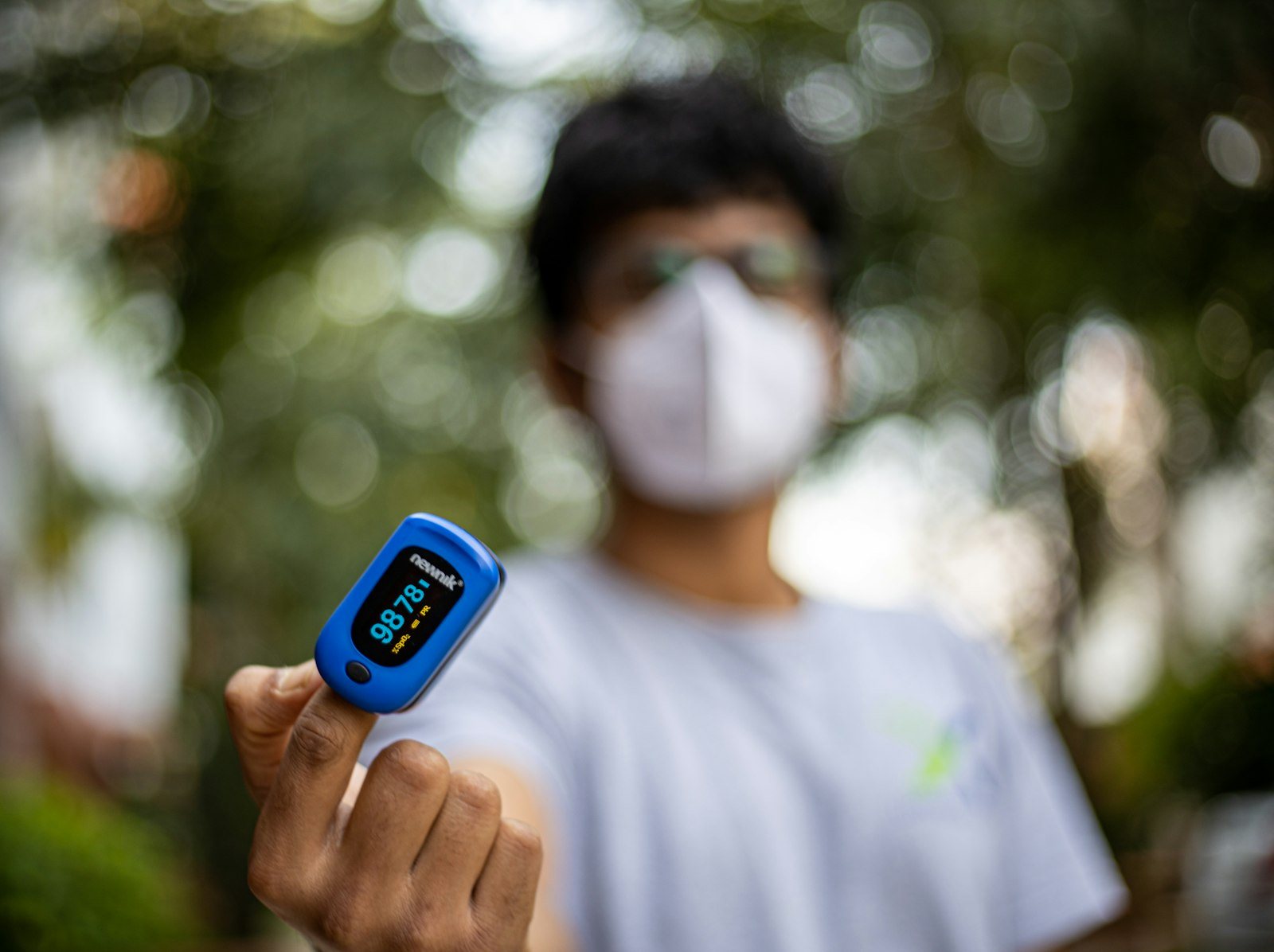
The symptom that should prompt a call is breathing, not coughing. Coughs from RSV are unpleasant and long-lasting and are not by themselves alarming. Being short of breath walking across a room, when you were not the week before, is a different matter.
Home pulse oximeters have become common. They are genuinely useful for spotting a trend, and they mislead in specific ways: cold hands, nail polish and poor circulation all lower the reading, and darker skin tones can read a few points higher than the true value, which risks false reassurance. Use it alongside how you feel, not instead.
- Breathlessness at rest, or on much less exertion than usual
- A wheeze that is new, or worse than your normal baseline
- Blue or grey lips or fingertips, which is an emergency
- Confusion or unusual drowsiness, especially in an older adult
- A rescue inhaler that is not lasting as long as it should
- Any of the warning signs of sepsis
In an older adult, an infection can announce itself as confusion, a fall, or simply not being themselves, without much cough and without fever at all. Our article on infections in older adults covers why.
Season, spread, and where adults catch it
RSV runs on roughly the same calendar as flu in most of the United States, building through late fall and peaking in winter, though the season has been less predictable since 2020. It spreads through respiratory droplets and, more than most respiratory viruses, through hands and surfaces.
Young children are the main reservoir. They shed a great deal of virus, for longer than adults do, and they are not careful about it. Grandparents and anyone providing childcare are therefore a well-recognized route into exactly the age group least able to tolerate the infection.
- Wash hands after contact with young children, particularly before touching your face
- Do not share cups or utensils during respiratory season
- Clean the surfaces and toys that hands touch most
- Keep away from vulnerable relatives while you have any respiratory illness
- Consider a mask when visiting someone frail if you are unwell but unavoidably there
Treatment is supportive, and that is not a brush-off
There is no antiviral for RSV in adults. That sounds like bad news and mostly is not: the treatment that matters is managing the chronic condition the virus has upset, which means adjusting inhalers, treating a COPD flare properly, or managing fluid in heart failure.
Antibiotics do nothing for RSV itself. They are prescribed when a bacterial pneumonia develops on top of it, which does happen. That is a decision based on how the illness evolves, not a routine addition, and our article on antibiotic resistance explains what routine addition costs.
What the vaccine changed
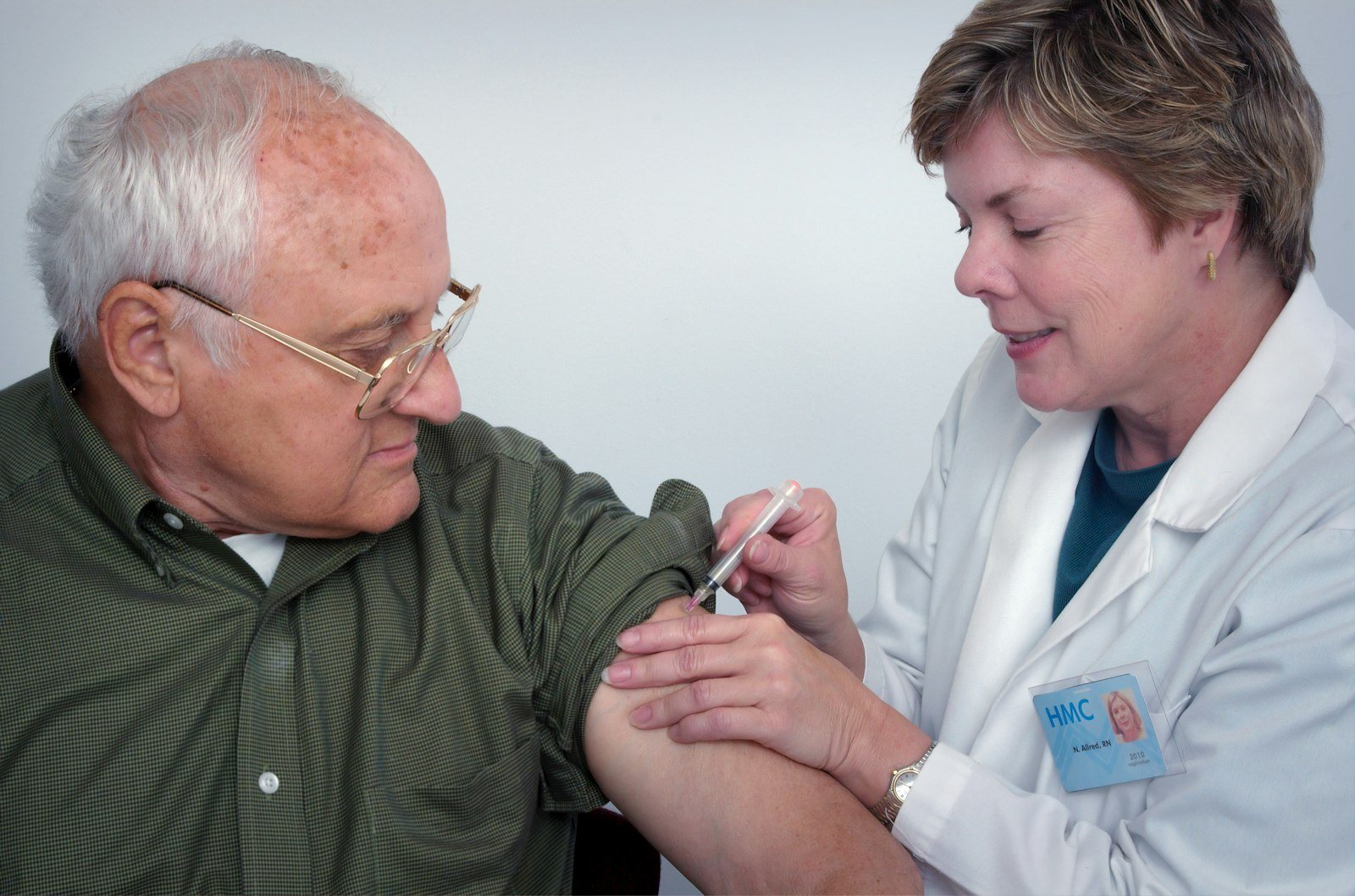
Until recently there was nothing to offer in advance. There are now RSV vaccines for older adults, and in real-world use they have substantially reduced hospital visits for RSV. Recommendations center on adults 75 and over, and on adults from 50 with conditions that raise their risk.
Unlike flu, this is not currently an annual vaccine, and the age thresholds have shifted more than once since 2023. That is a reason to ask what applies to you now rather than to rely on a number you read a year ago. Our article on adult vaccines covers what else may be due at the same visit, including shingles.
If a respiratory infection has left you not recovering, or infections keep coming back, a specialist assessment can help. You can reach us through the contact page.
Frequently asked questions
Is RSV in an adult serious?
For most healthy adults it is a bad cold with a long cough. In adults over 75, and in people with COPD or heart failure, it causes tens of thousands of hospital admissions a year in the United States.
How do I know whether I have RSV, flu or a cold?
You mostly cannot without a test. Flu tends to start abruptly with fever; RSV starts like a cold and settles into the chest. The distinction matters most if you are in a high-risk group, because flu has a treatment and RSV does not.
Can I catch RSV from my grandchildren?
Yes, and that is a common route. Children carry it readily and shed a lot of virus. It is one of the reasons the vaccine is discussed with older adults who provide childcare.
Why is there no antiviral for RSV in adults?
None has yet proven effective enough in adults to be recommended. Treatment concentrates on supporting breathing and on managing the lung or heart condition the infection has destabilized.
Do I need the RSV vaccine every year?
Currently no. It is not an annual vaccine, and the recommendations on age and repeat doses have changed more than once. Ask what applies this season rather than assuming last season still applies.
Sources and further reading: Yale Medicine — Should you get an RSV vaccine?.
This article is general health information, not medical advice, and it cannot account for your own history or medications. Discuss your situation with a qualified clinician before acting on anything you read here.