

Being invited to join a clinical trial can feel like being handed a decision you have no training to make. The document is long, the language is technical, and the person explaining it is often someone you have only just met.
You do not need a research background to decide well. You need a clear picture of what the study asks of you, what it might offer, and what happens if you say no.
These are the questions worth asking before you sign anything.
What a clinical trial actually is
A clinical trial is a study that tests a medical approach in people. That might be a new drug, a new combination or dose of existing drugs, a vaccine, a device, or a different way of delivering care.
Trials follow a written protocol that specifies exactly who can take part, what happens and when, and what is measured. That rigidity is deliberate: it is what makes the results interpretable.
Studies are reviewed by an independent ethics committee, often called an institutional review board, before they can enrol anyone. Approval is a meaningful safeguard, though it is not the same as a guarantee of benefit to you.
Understanding the phases
Where a study sits in the development sequence tells you a lot about what is already known and what is not.
| Phase | Main question | Typical size |
|---|---|---|
| Phase 1 | Is it safe, and what dose is tolerable? | A small group |
| Phase 2 | Does it appear to work, and what are the side effects? | Tens to low hundreds |
| Phase 3 | Is it better than the current standard treatment? | Hundreds to thousands |
| Phase 4 | How does it behave in wide, long-term use? | Large populations after approval |

Informed consent is a process, not a signature
The consent document describes the study purpose, procedures, risks, potential benefits and alternatives. Reading it in the room, under mild social pressure, is not the intended use.
You are entitled to take it home, discuss it with your family and your own physician, and come back with questions. A well-run study expects that.

Signing also does not lock you in. You can withdraw at any point, for any reason or none, without affecting the care you receive otherwise.
Questions worth asking
About the study itself
- What is this trial trying to find out?
- What phase is it, and what is already known about this treatment?
- Who is funding and sponsoring the study?
- Is there a placebo group, and what are my chances of being assigned to it?
- Will I be told which group I am in, and if not, when will I find out?
About your time and commitment
This is where trials most often surprise people. Study visits are usually longer and more frequent than routine care.
- How many visits are there, and how long does each one take?
- How long does participation last in total?
- What tests are involved, and are any of them invasive?
- Will travel or parking be reimbursed?
- Do I need someone to accompany me to any visits?
About risks and possible benefits
- What are the known side effects, and how likely is each one?
- What is not yet known about this treatment?
- Might I benefit personally, or is the benefit mainly to future patients?
- What happens if I am harmed as a result of taking part?
- Who do I contact, at any hour, if something goes wrong?
It is worth being clear-eyed about the second-to-last point. Early-phase studies in particular are designed to answer safety questions rather than to treat you, and honest investigators will say so.
About cost and your existing care
- What is provided by the study, and what will be billed to me or my insurer?
- Will my own physician be kept informed?
- Do I have to stop any current medications to take part?
- What are my alternatives if I decline, including standard treatment?
About leaving
- What happens to my data if I withdraw?
- Will I still be able to access this treatment afterwards if it helps me?
- Could the study be stopped early, and what happens to me if it is?
What screening involves
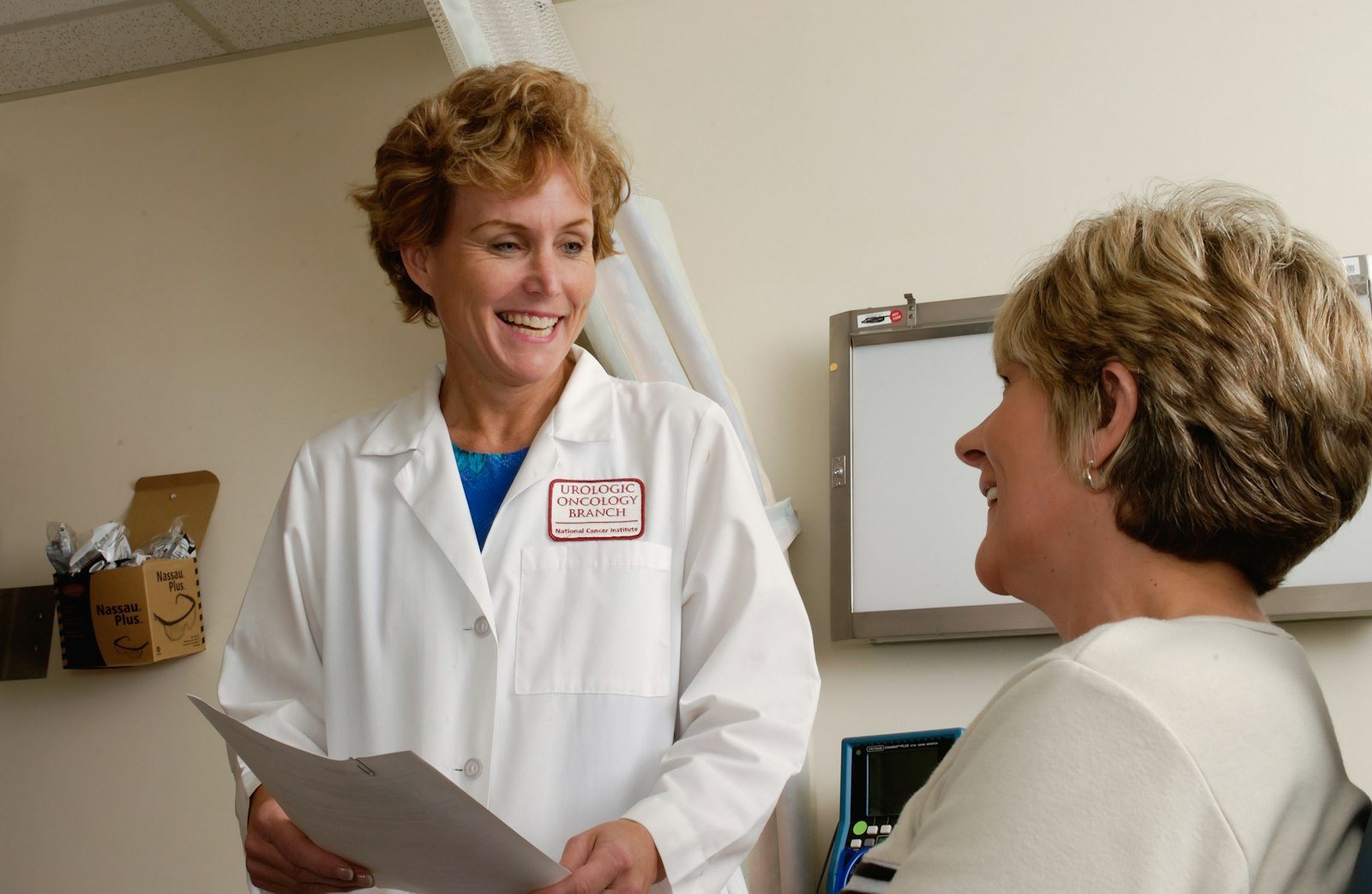
Agreeing to be screened is not the same as joining. Screening establishes whether you meet the eligibility criteria, and a proportion of people who screen do not go on to enrol.
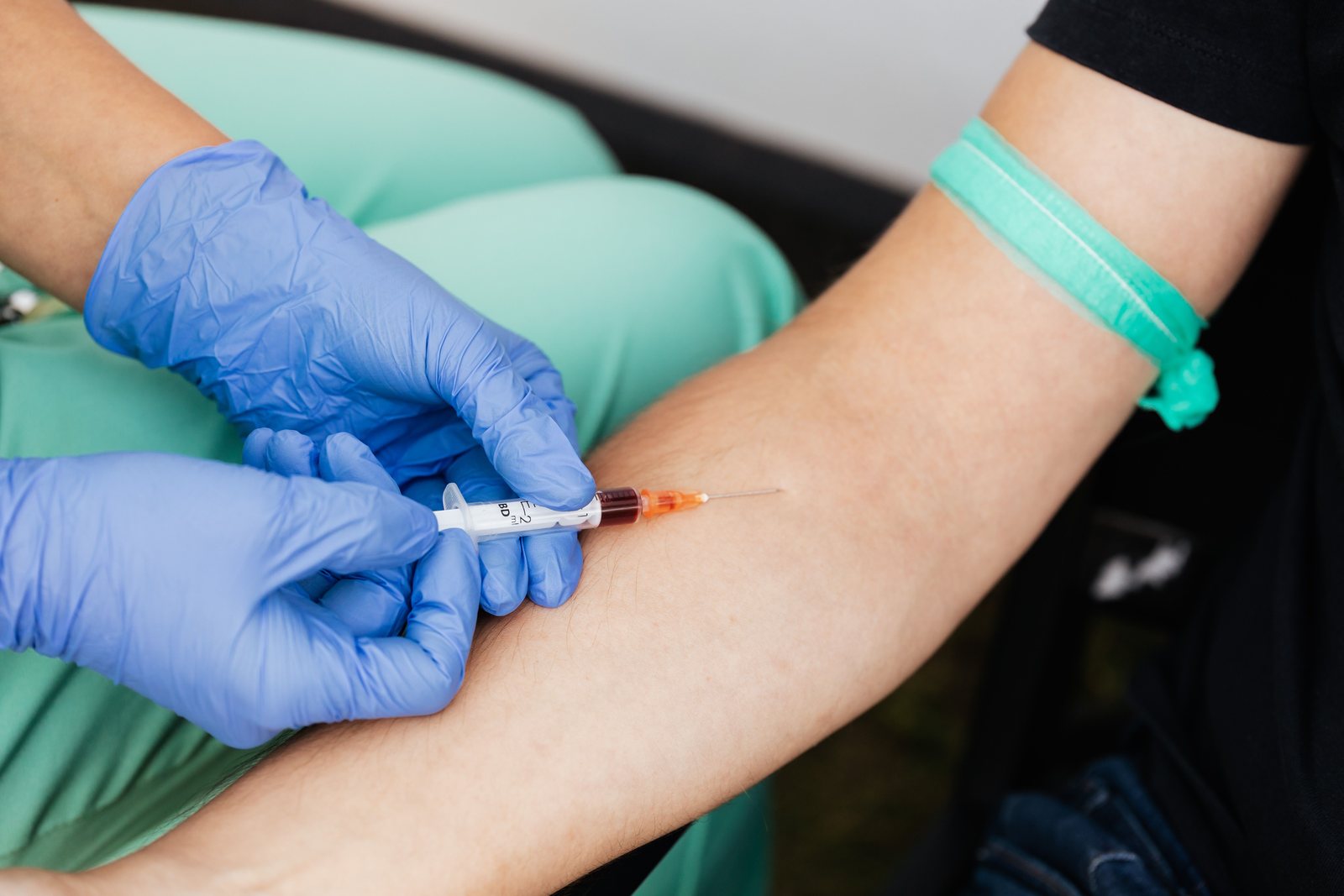
Expect a detailed medical history, a review of your medications, blood tests, and sometimes imaging. If you do not qualify, you should be told why, and it says nothing about your care in general.
Bring the same things you would to any specialist appointment: a full medication list, your relevant records, and your allergies with a note of what each reaction involved. The patient guide covers this in more detail.
Making the decision
Take the consent document home. Write your questions down as you read, because they surface at the kitchen table rather than in the clinic.

Talk it through with someone who knows your history. Your own physician can tell you how a study fits alongside the rest of your care in a way the research team cannot.
And weigh the practical side honestly. A study that is scientifically appealing but requires weekly visits you cannot realistically make is not a good fit, and withdrawing halfway helps nobody.
Declining a trial does not affect the standard care you are entitled to. If you ever feel that it might, that is itself a reason to raise the question directly.
Frequently asked questions
Will I definitely receive the new treatment?
Not necessarily. Many trials compare a new approach against standard treatment or a placebo, and assignment is usually random. Ask what the chances are and what the comparison group receives, because in most studies it is active standard care rather than nothing.
Can I leave a clinical trial after I have started?
Yes. Participation is voluntary throughout, and you can withdraw at any time without giving a reason and without it affecting your other care. Tell the study team so they can arrange any safety follow-up.
Does taking part cost me anything?
It varies. Study-specific procedures are often covered by the sponsor, while routine care may still be billed to your insurer. Ask for the split in writing before you agree, and ask about travel and parking reimbursement.
Is a clinical trial safe?
Trials are reviewed by an independent ethics board and monitored throughout, but every study carries risk, and part of the purpose is to identify risks that are not yet known. The consent discussion should set out what is known and what is not.
How do I find out what trials exist for my condition?
Public registries list studies by condition and location, and your own physician can help interpret whether any are a realistic fit. You can also ask the practice directly about its clinical trials program.
More about the practice and its clinicians is on the provider profiles page and the practice overview; the contact page lists how to get in touch.
Sources and further reading: ClinicalTrials.gov — Learn about studies.
This article is general health information, not medical advice, and it cannot account for your own history or medications. Discuss your situation with a qualified clinician before acting on anything you read here.