

The infection is treated. The blood tests have normalized, the antibiotics have finished, and everyone involved has moved on. And you are exhausted by lunchtime, cannot follow a conversation properly, and are wondering what is wrong with you.
Nothing is wrong with you. Recovery from a serious infection takes far longer than the treatment does, and almost nobody is told this in advance.
What actually takes time
Fighting a significant infection costs the body a great deal. Muscle is broken down for fuel, appetite disappears, sleep is disrupted for days or weeks, and if there was a hospital stay, physical activity stopped almost entirely. None of that reverses when the last dose is taken.
| The expectation | The usual reality | |
|---|---|---|
| Energy | Back to normal when treatment ends | Weeks to months, improving unevenly |
| Strength | Returns on its own | Needs deliberate, gradual rebuilding |
| Concentration | Unaffected | Commonly foggy for weeks, especially after hospital |
| Mood | Relief | Low mood and anxiety are common and rarely mentioned |
| Appetite and weight | Recovers quickly | Often slow; weight lost is mostly muscle |
| Sleep | Normalizes immediately | Frequently disturbed for weeks, particularly after an ICU stay |
The pattern that surprises people most is that recovery is not linear. A good day is often followed by two poor ones, and that is normal rather than a sign of relapse.
The fatigue is real and it is not deconditioning alone
This is not simply being out of shape. The immune response itself produces profound tiredness, and it does not switch off the moment the organism is cleared. Our article on why the tiredness of mono outlasts the sore throat describes the same phenomenon in a milder illness.
What helps is pacing rather than pushing. Doing slightly less than you feel able to on a good day tends to produce steadier progress than doing everything and paying for it for three days.
It also helps to have a rough marker of progress that is not how you feel on a given morning. How far you can walk, how many stairs before stopping, or how long you can concentrate on something demanding are all better measures over weeks than day to day mood, which fluctuates too much to tell you anything.
The mental fog, and the part nobody warns about

Difficulty concentrating, losing the thread of conversations, and forgetting why you walked into a room are common after a severe infection, particularly after time in hospital. It is frightening if you do not know it is expected, and it usually improves over weeks to months.
Low mood and anxiety are equally common and even less often mentioned. Having been seriously ill is a genuinely frightening experience, and intrusive memories, poor sleep and a sense of vulnerability afterwards are ordinary responses rather than weakness. Where an intensive care stay was involved, these symptoms are common enough to have a name and a body of research behind them.
If low mood, anxiety or intrusive memories are not improving after a few weeks, or are affecting your sleep and relationships, that is worth raising with your own doctor. It is a recognized part of recovery, not a separate failing.
Rebuilding, in the right order
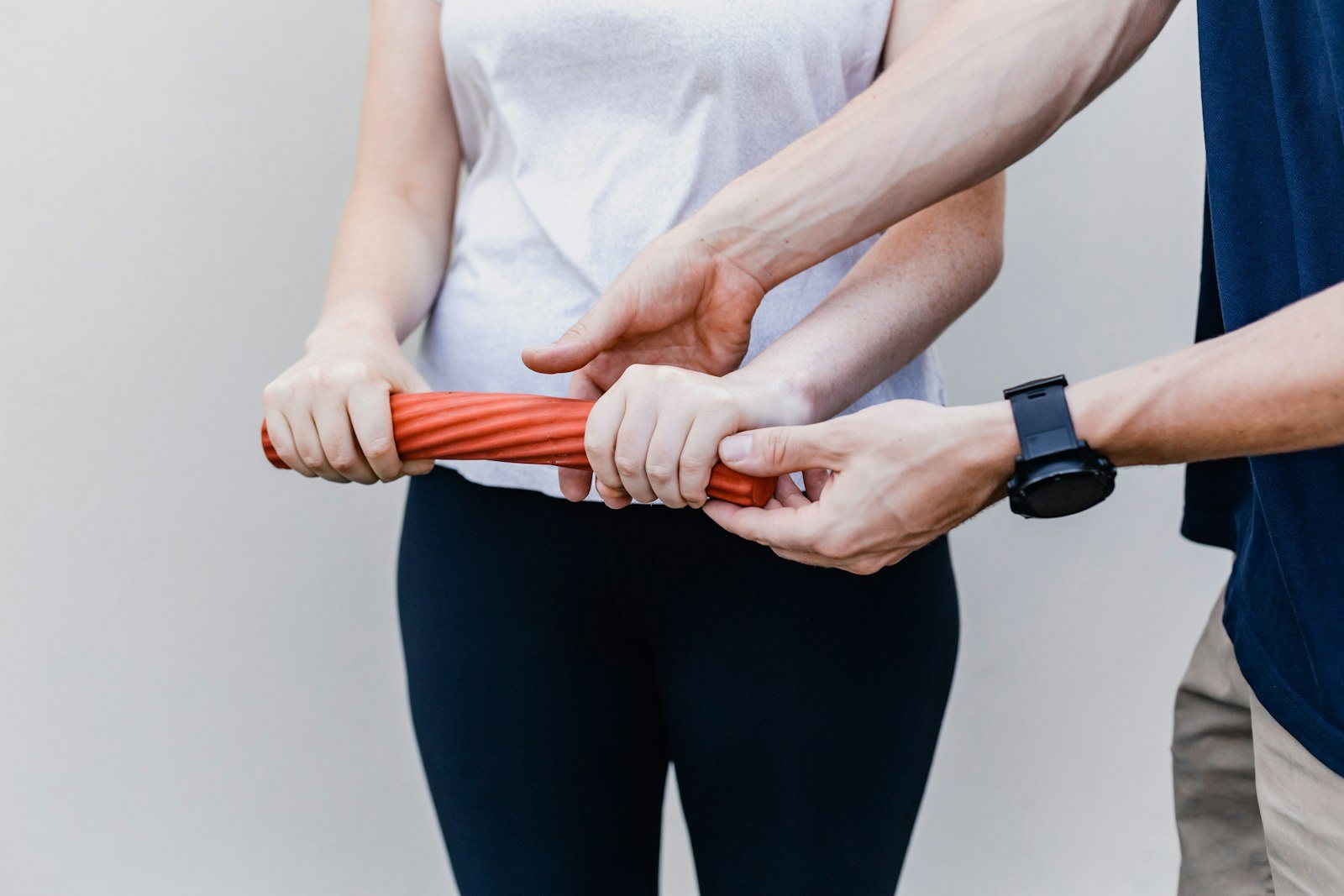
- Start with a routine: getting up, dressed and outdoors at roughly the same time
- Walk daily, adding a little distance every few days rather than every day
- Eat enough protein; appetite is poor exactly when the body needs building blocks
- Add gentle strength work — sit-to-stands, stairs, resistance bands
- Expect setbacks; a bad day is not a reversal
- Ask about formal rehabilitation if progress has stalled, particularly after an intensive care stay
Where treatment continues at home, as with outpatient IV antibiotics, recovery and treatment overlap and it is worth asking what activity is reasonable while the line is in.
Going back to work
Returning to work is where most people misjudge the timeline, usually by going back full time on the first day they feel capable of it, and then losing the following week to it.
- Ask for a phased return if that is possible; a few shorter days beats a full week followed by a collapse
- Expect concentration rather than physical stamina to be the limiting factor in desk work
- For physical work, expect strength to lag energy by several weeks
- Tell someone at work what to expect, so a bad afternoon is not a surprise
- Be specific with your doctor about what your job involves, because lifting, driving, night shifts and public contact each change the advice
- Where a line is still in place for IV antibiotics, ask what activity is reasonable with it
What the people around you can do
Families usually want to help and are given nothing concrete to do. The most useful things are unglamorous: keeping a written note of appointments and questions, noticing changes the person themselves may not see, and quietly taking over the tasks that cost the most energy.
It is also worth knowing that families of people who have been critically ill commonly experience their own anxiety and disturbed sleep afterwards. That is documented rather than unusual, and it is a reasonable thing to raise with a doctor of your own.
What is not just recovery
Slow improvement is normal. Getting worse is not, and a few things should prompt a call rather than patience.
- Fever returning after it had settled
- Pain at the original site of infection increasing again
- Breathlessness that is new or worsening; see a cough that outlasts the illness
- Weight loss continuing after appetite has returned
- Night sweats, which after weeks warrant investigation; see a fever that will not go away
- Any of the warning signs of sepsis
- Confusion in an older adult, which is covered in infections in older adults
If recovery has stalled, or you are not sure whether what you are feeling is expected, a specialist review can be useful — partly to check nothing has been missed, and partly to have someone say plainly what normal looks like. You can reach us through the contact page.
Frequently asked questions
How long should recovery take?
It varies with the severity of the illness and your health beforehand, but weeks to months is usual after a serious infection, and longer after an intensive care stay. Improvement is uneven rather than steady.
Is it normal to feel low afterwards?
Yes, and it is one of the least discussed parts of recovery. Low mood, anxiety and intrusive memories are common after serious illness. If they persist beyond a few weeks or affect sleep and relationships, raise them.
Why can I not concentrate?
Difficulty concentrating and short-term memory trouble are common after severe infection, especially after hospital admission. It generally improves over weeks to months. Writing things down helps more than trying harder.
Should I push through the tiredness or rest?
Neither extreme. Pacing works better: do slightly less than you feel capable of on a good day, and add activity gradually. Complete rest slows the return of strength.
When should I worry rather than wait?
Returning fever, increasing pain at the original site, new breathlessness, continued weight loss or night sweats are reasons to be seen rather than to keep waiting.
Sources and further reading: Society of Critical Care Medicine — Patient and family resources.
This article is general health information, not medical advice, and it cannot account for your own history or medications. Discuss your situation with a qualified clinician before acting on anything you read here.