
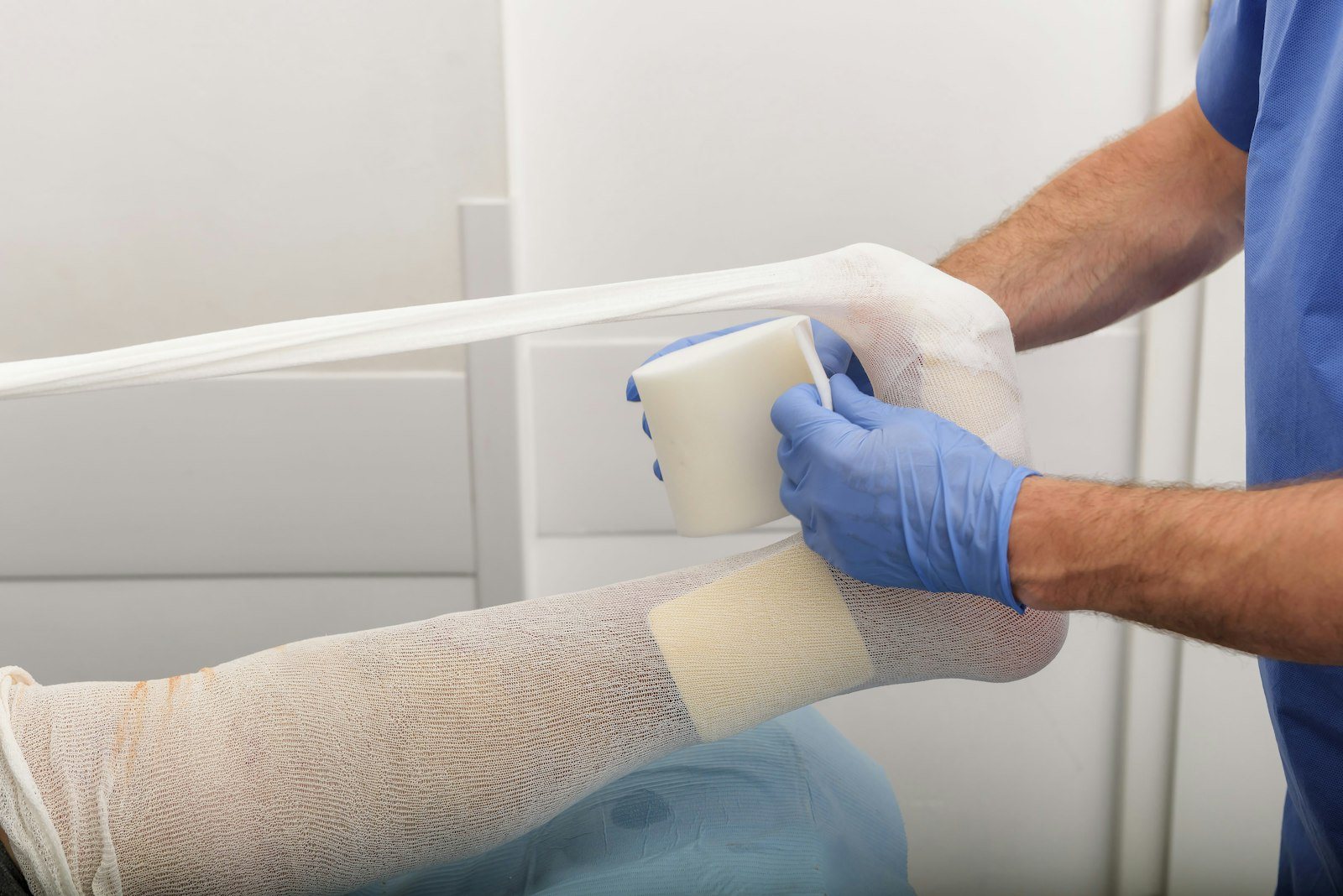
Healing is normally an orderly process. Bleeding stops, inflammation clears the debris, new tissue fills the gap, and the repair gradually strengthens over the following weeks.
Most wounds move through those stages without anyone needing to think about it. Some stall. They sit in the inflammatory phase for weeks or months, never quite closing and never quite worsening enough to force the question.
A wound that has not made meaningful progress in four weeks, or has not healed in three months, is generally considered chronic. At that point the useful question is not which dressing to try next but what is blocking the process.
Why healing stalls
Chronic wounds usually have a reason, and often more than one. Identifying them is what separates wound care from wound dressing.
The blood supply is inadequate
Healing tissue needs oxygen and nutrients delivered by blood. Where arterial supply is reduced, repair slows regardless of how well the wound is dressed.
Venous disease causes the opposite problem. Blood pools in the lower leg, pressure builds in the tissues, and the skin breaks down. Venous leg ulcers are among the most common chronic wounds, and they respond to compression far more than to dressings.
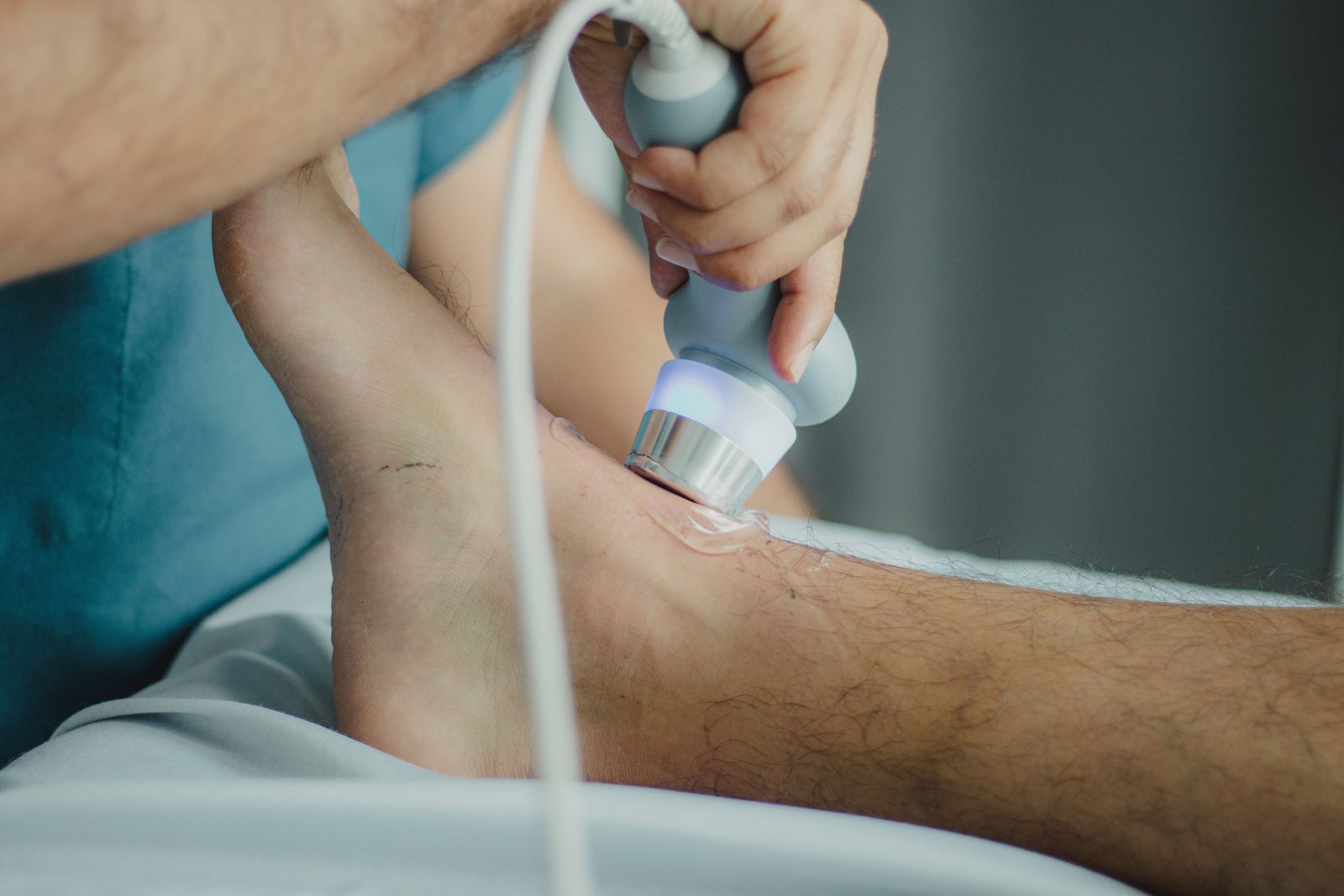
Diabetes is affecting sensation and repair
Diabetes interferes with healing in several directions at once. Elevated blood glucose impairs immune cell function, small vessel disease reduces perfusion, and peripheral neuropathy removes the pain that would normally make you notice an injury.
That last effect is the most dangerous. A blister or a stone in a shoe can go unnoticed for days, and by the time it is found the damage is well established.
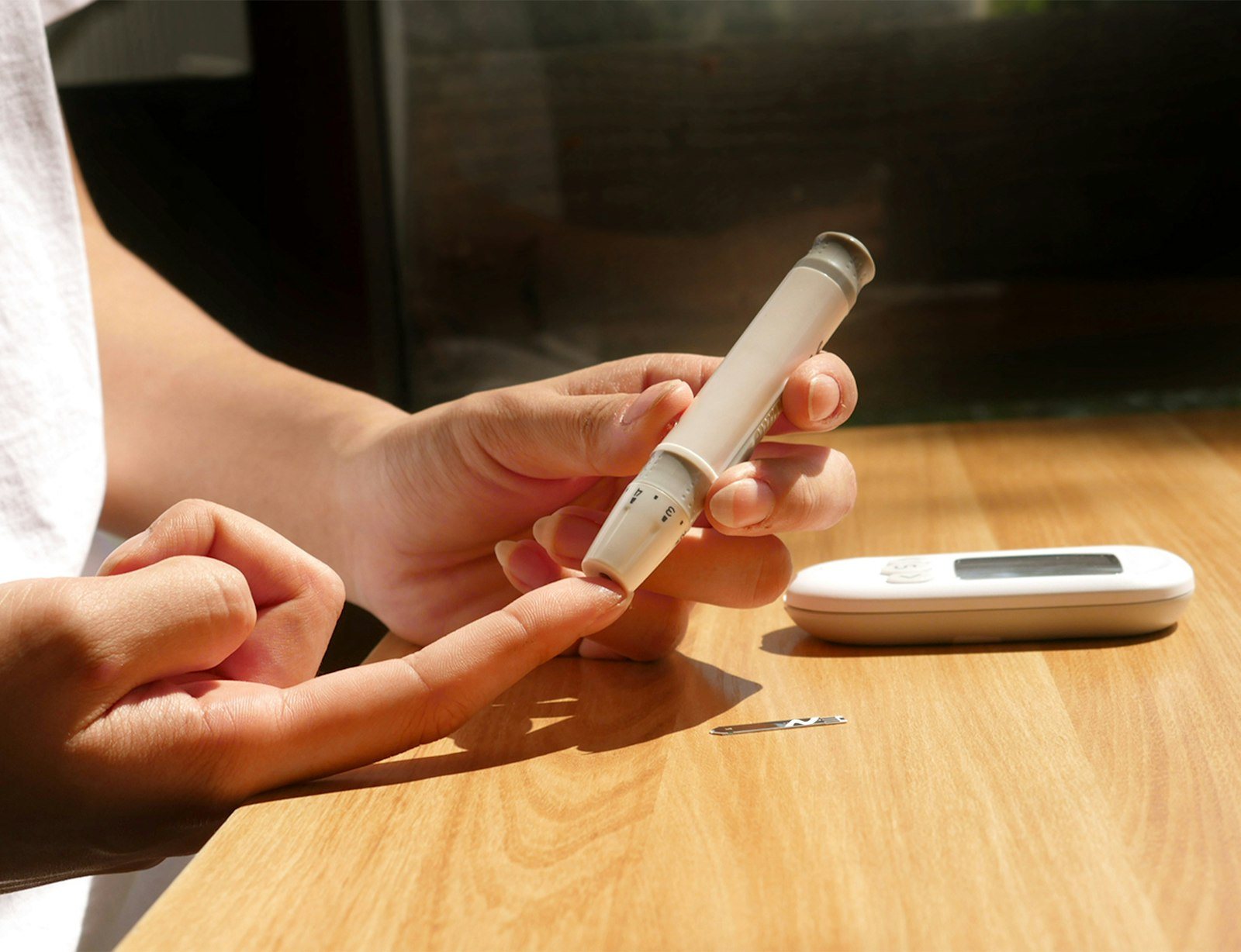
Pressure is not being relieved
Sustained pressure cuts off local blood flow. On the heel, sacrum or the sole of a foot, unrelieved pressure will reopen a wound as fast as treatment closes it.
Offloading, whether by specialist footwear, a total contact cast, repositioning or pressure-redistributing surfaces, is frequently the single most important intervention for these wounds.
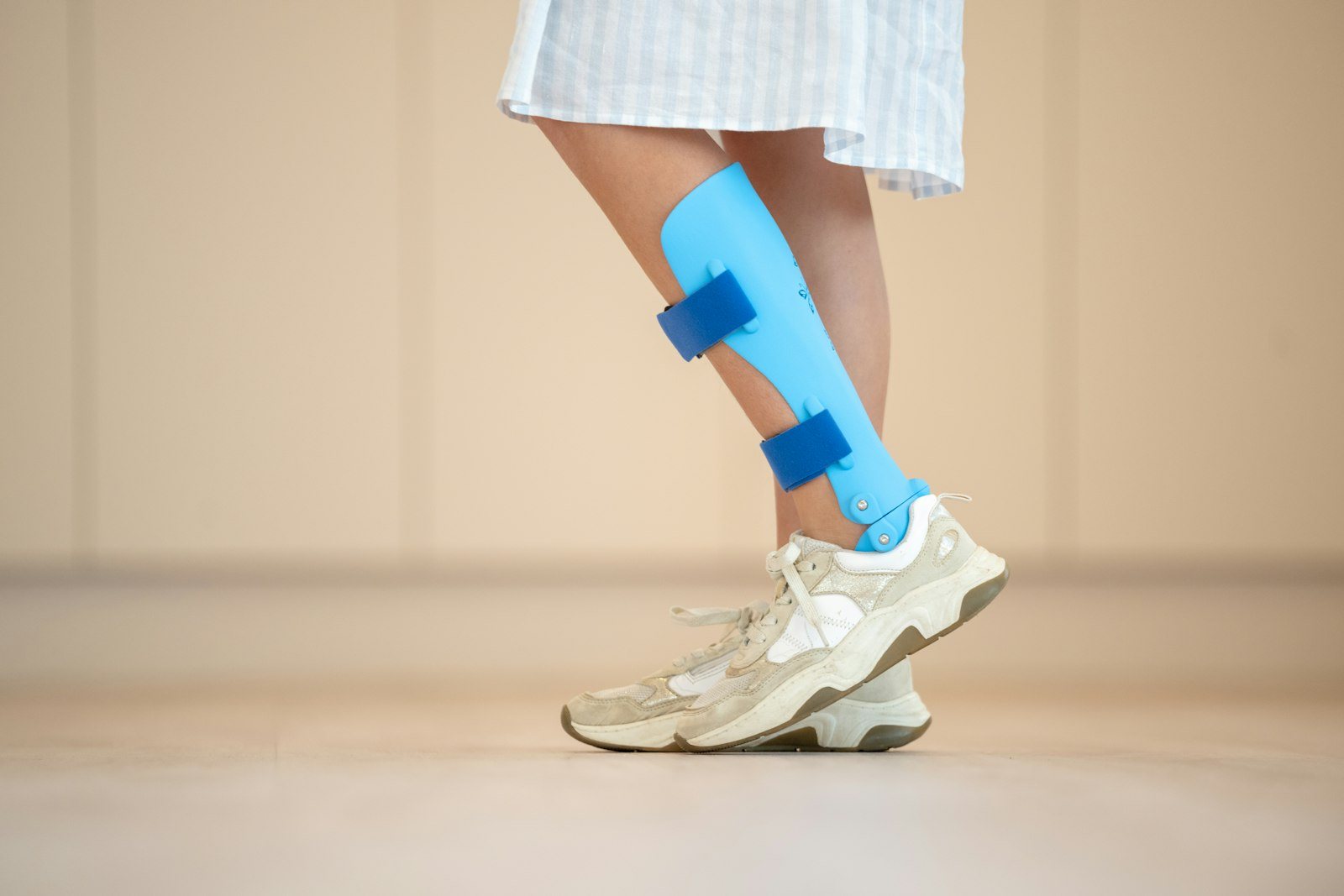
Infection or biofilm is present
Not every chronic wound is infected, but a persistent bacterial burden keeps the wound in an inflammatory state. Bacteria can form a biofilm, a protective layer that shields them from both antibiotics and the immune system.
Biofilm is one reason antibiotics alone frequently fail to resolve a chronic wound. Physical removal of dead tissue through debridement is usually needed alongside them, and this is a common point at which an infectious disease physician becomes involved.
Nutrition is insufficient
Building new tissue requires raw material. Protein, vitamin C, zinc and adequate calories all feed into repair, and deficiency is common in older adults and in anyone who has been unwell for a long stretch.

Medications and other conditions are interfering
Long-term steroids, some immune-suppressing drugs and certain chemotherapy agents slow healing directly. Smoking constricts blood vessels and reduces tissue oxygen. Kidney disease, autoimmune conditions and untreated edema all contribute.
These factors rarely act alone. A diabetic foot ulcer with reduced arterial supply, unrelieved pressure and low protein intake has four problems, and treating one of them well will not close it. Untangling that combination is the reason chronic wounds are usually managed by more than one specialty at once, with input from the clinicians listed on the provider profiles page.
Common types of chronic wound
Most non-healing wounds fall into a handful of categories, and the category points directly at the treatment.
| Type | Typical location | Main driver | Central treatment |
|---|---|---|---|
| Venous leg ulcer | Lower leg, around the ankle | Venous hypertension and edema | Compression therapy |
| Arterial ulcer | Toes, foot, bony prominences | Reduced arterial blood supply | Restoring circulation |
| Diabetic foot ulcer | Sole of foot, toes, heel | Neuropathy plus pressure and perfusion problems | Offloading, glucose control, infection management |
| Pressure injury | Sacrum, heels, hips | Sustained unrelieved pressure | Repositioning and support surfaces |
| Surgical wound dehiscence | Any operative site | Infection, tension or poor tissue quality | Debridement and infection control |
Signs a wound has become infected
Some inflammation is normal early on. The features below suggest something more than ordinary healing.
- Increasing pain rather than gradually decreasing pain
- Redness spreading outward from the wound edge
- Increased or newly discolored drainage, or a new odour
- The wound enlarging or breaking down at the edges
- Fever, chills, or feeling generally unwell
- New swelling or warmth in the surrounding tissue
Spreading redness with fever, or a wound that becomes rapidly and severely painful, needs same-day assessment rather than a routine appointment.
What specialist wound care involves
A wound clinic assessment looks past the wound surface. Expect circulation testing, an assessment of sensation where relevant, measurement and photography for tracking, and often tissue sampling if infection is suspected.
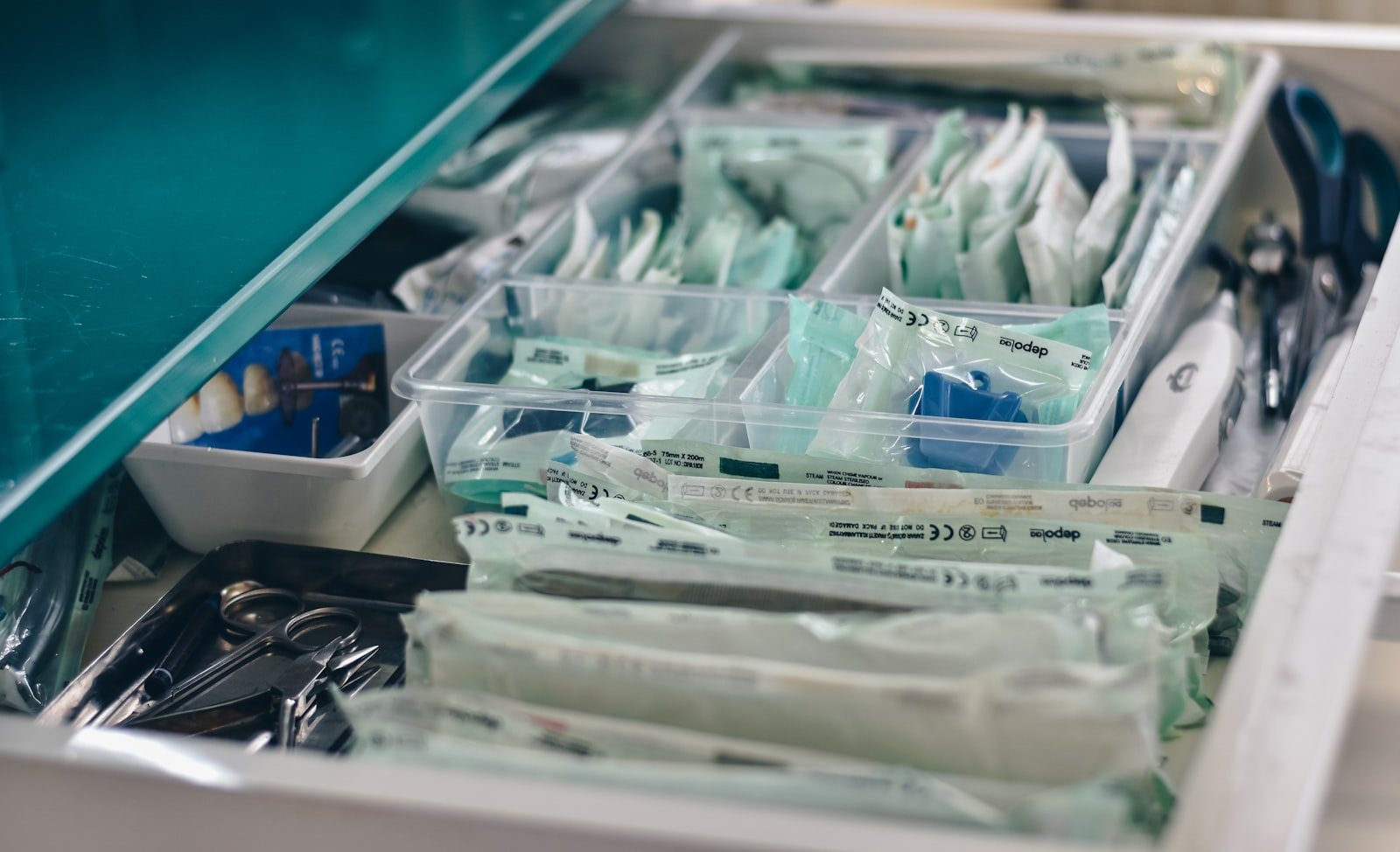
Treatment then addresses the causes found rather than the wound alone. That may mean debridement, compression, offloading, targeted antimicrobial therapy, referral for vascular assessment, or coordination with the team managing your diabetes.
Dressings still matter, but they are chosen for the wound stage and the amount of drainage, and they are the last part of the plan rather than the first. Specialist wound care is largely about removing obstacles so normal healing can resume.
What helps at home
- Keep blood glucose within your target range if you have diabetes
- Wear the footwear or compression you have been prescribed, consistently
- Inspect your feet daily if you have any loss of sensation
- Eat enough protein, and treat appetite loss as something to raise with your clinician
- Stop smoking if you smoke; the effect on tissue oxygen is direct and quick
- Elevate the leg when resting if you have venous disease or swelling
Photograph the wound weekly in similar light. Progress over four weeks is far easier to judge from images than from memory, and it gives your clinician something concrete. Results and messages are available through the patient portal.
Frequently asked questions
When is a wound considered chronic?
Generally when it has not improved meaningfully in four weeks or has not healed in three months. The exact figure matters less than the trend: a wound that is not steadily getting smaller deserves a fresh assessment.
Why do antibiotics sometimes not help a non-healing wound?
Because the wound may not be infected, or because bacteria have formed a biofilm that antibiotics cannot penetrate well. Removing dead tissue and addressing the underlying cause is usually needed alongside any antimicrobial treatment.
Does a wound heal better covered or uncovered?
For most wounds, a moist covered environment supports healing better than leaving the wound open to air. The right dressing depends on how much the wound is draining and what stage it is at, which is why selection changes over time.
Can a chronic wound heal completely?
Many do, once the underlying cause is identified and addressed. Timelines vary widely, and wounds driven by circulation or pressure problems tend to take longest. Recurrence prevention matters as much as closure.
Which specialist should I see for a wound that will not heal?
It depends on the cause. Vascular, podiatric, surgical and infectious disease input are all used, often together. Your primary care physician can direct the first referral, and the practice contact page explains how to reach this practice.
You can read about the clinicians involved on the provider profiles page or review services on the practice overview.
Sources and further reading: NIDDK — Diabetes and foot problems.
This article is general health information, not medical advice, and it cannot account for your own history or medications. Discuss your situation with a qualified clinician before acting on anything you read here.