
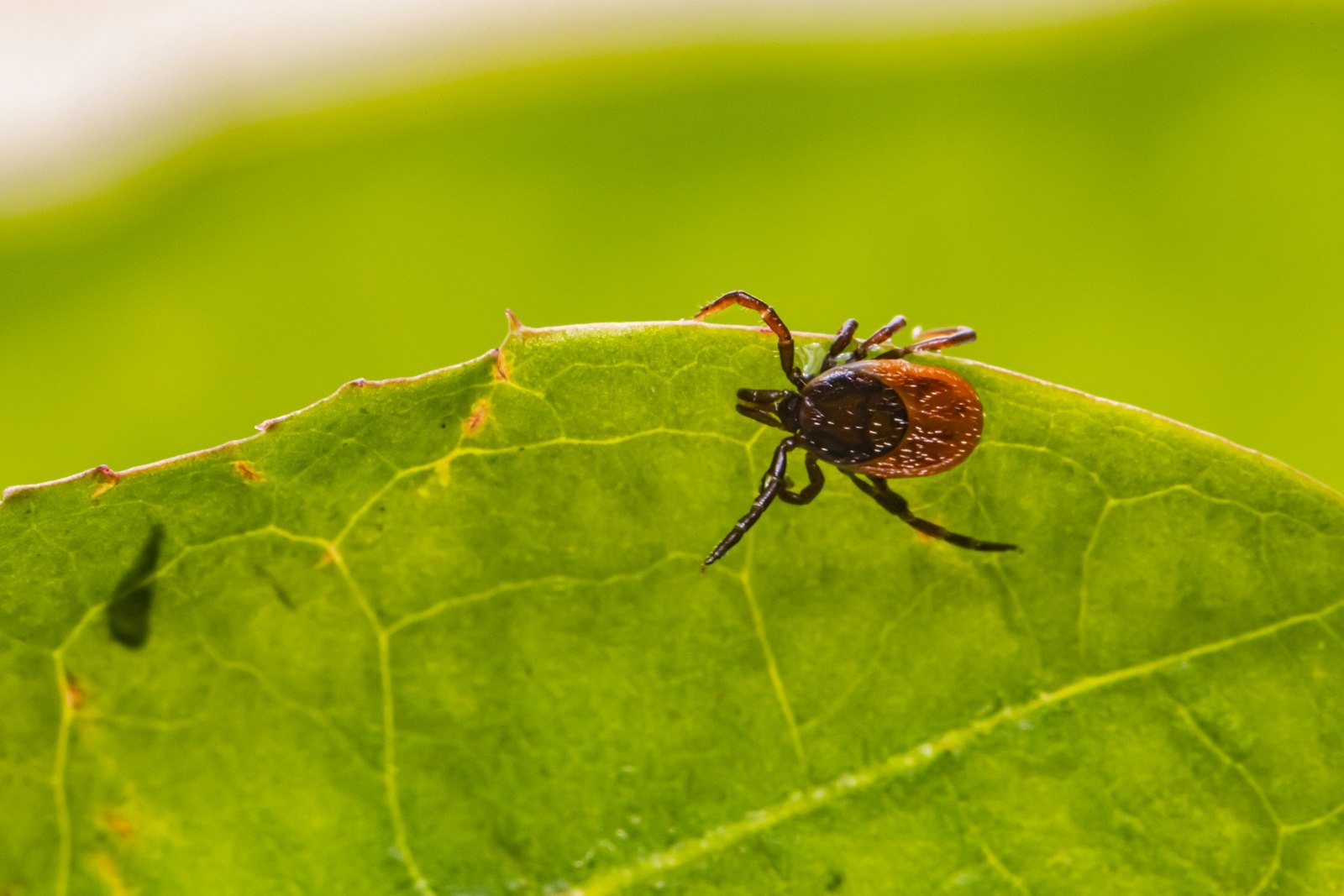
Georgia has ticks, and it has them for most of the year. Warm winters mean activity well outside the summer months, and the highest-risk period runs from spring through early autumn.
The great majority of tick bites cause nothing at all. The point of knowing about them is not alarm but timing: the illnesses that do follow are highly treatable when caught early, and considerably less so when they are not.
Where you actually encounter them
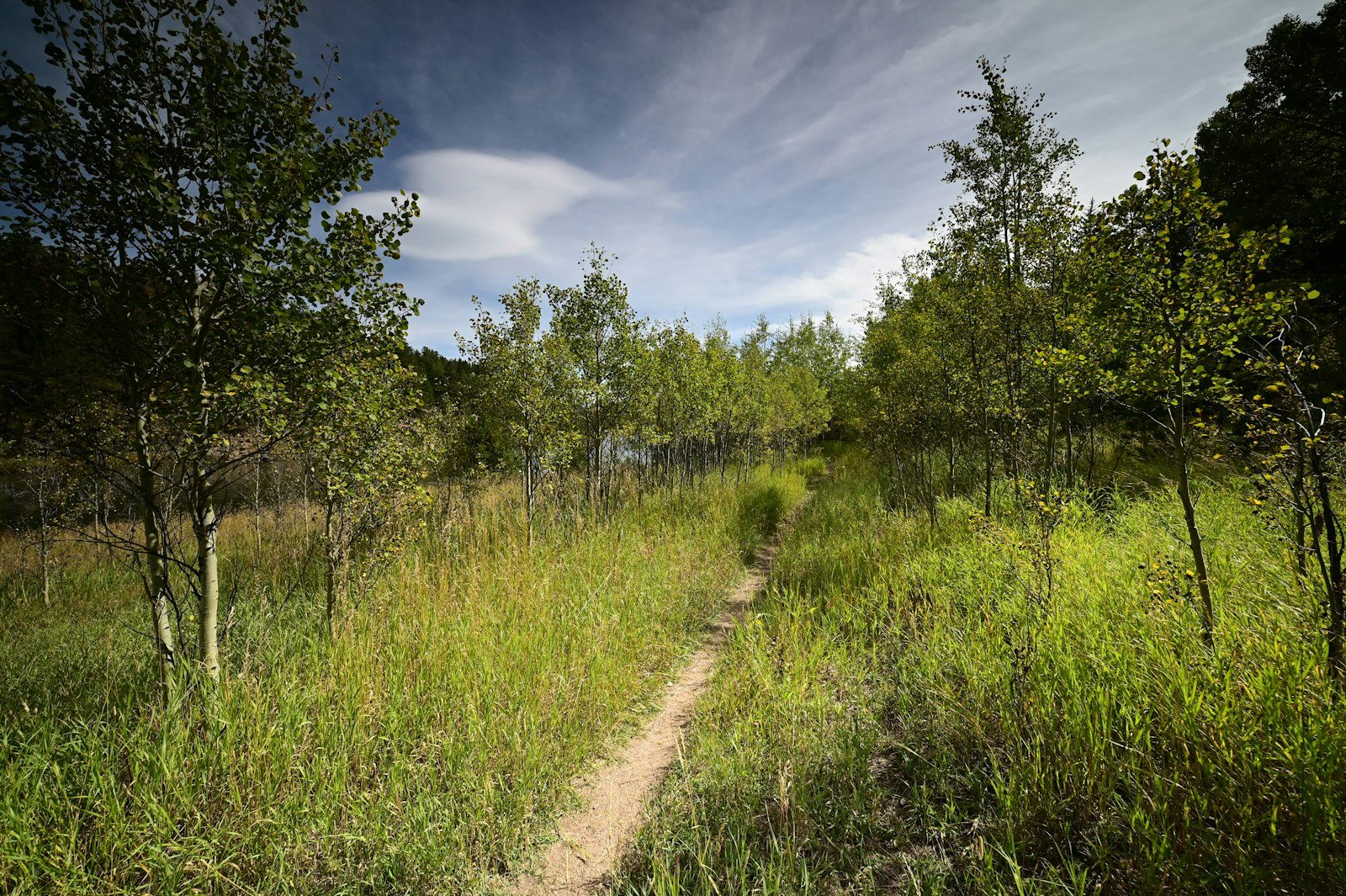
Ticks do not jump or fall from trees. They wait on the tips of grass and low vegetation with their front legs extended, and transfer onto whatever brushes past.
That makes the edges of things the risky places: the margin of a path, the boundary between lawn and woodland, leaf litter, long grass and brush. Walking down the center of a trail genuinely reduces contact.
Georgia’s common species include the lone star tick, the American dog tick and the blacklegged tick, and they carry different illnesses, which is part of why the picture here differs from the Northeast.
What ticks in Georgia can transmit
These are the ones most relevant locally. Timelines are typical rather than absolute.
| Illness | Typical onset after a bite | What it commonly looks like |
|---|---|---|
| Rocky Mountain spotted fever | Two to fourteen days | Fever and headache, then a rash often starting on wrists and ankles |
| Ehrlichiosis | One to two weeks | High fever, headache, fatigue, muscle aches, sometimes a rash |
| Lyme disease | Three to thirty days | An expanding rash, often with fever, fatigue and joint aches |
| Alpha-gal syndrome | Weeks to months | Delayed allergic reaction hours after eating red meat |
| Southern tick-associated rash illness | Days | An expanding rash resembling that of Lyme disease |
Rocky Mountain spotted fever deserves particular attention. It can become severe quickly, treatment is most effective when started early, and the rash may appear late or not at all. Fever after a tick bite is worth reporting promptly rather than waiting for a rash to confirm anything.
Alpha-gal syndrome is the outlier: not an infection but an allergy, triggered by a bite and producing reactions to red meat hours after eating it. The delay is what makes it so often missed.
Removing a tick properly
Speed matters more than technique, and technique matters more than folklore.

- Use fine-tipped tweezers and grasp the tick as close to the skin as possible
- Pull upward with steady, even pressure; do not twist or jerk
- If mouthparts remain, remove them with the tweezers or leave them to work out
- Clean the area and your hands with soap and water or an antiseptic
- Note the date, and photograph the tick if you can
- Dispose of it by sealing it in tape or flushing it
Do not use petroleum jelly, nail polish, alcohol or a hot match. These do not make the tick detach, and they waste the time during which prompt removal reduces risk.
What to watch for afterwards
A small red bump at the bite site for a day or two is a normal reaction, not an infection. Note the date of the bite, because the timeline is what makes later symptoms interpretable.

- Fever or chills in the days or weeks afterwards
- A rash, whether spreading outward from the bite or appearing elsewhere
- Severe headache, muscle aches or unusual fatigue
- Nausea, vomiting or abdominal pain
- Joint pain or swelling
- Any reaction occurring hours after eating red meat
Tell whoever assesses you that you had a tick bite, and when. Several of these illnesses are treated most effectively when started early and on clinical suspicion, before test results are available.
Keep any photograph you took of the tick. Identifying the species helps narrow which illnesses are plausible, and a clear image is often enough for that without needing the tick itself.
Avoiding bites in the first place
Prevention is unglamorous and effective.

- Use an EPA-registered repellent on exposed skin, following the label
- Treat clothing and gear with permethrin, or buy pre-treated items
- Wear long trousers tucked into socks in brushy or grassy areas
- Stay to the center of trails and avoid pushing through undergrowth
- Shower within two hours of coming indoors
- Do a full body check, including the scalp, waistband, armpits, groin and behind the knees
- Tumble-dry clothing on high heat for ten minutes to kill any ticks on fabric
One reassurance is worth stating plainly: the overwhelming majority of tick bites in Georgia lead to nothing at all. Knowing the timeline and the symptoms is not a reason to avoid being outdoors, it is what makes being outdoors straightforward.
Children and tick bites
Children spend more time in exactly the places ticks wait, and are less likely to notice or report a bite. Scalp and hairline bites are easy to miss entirely.
Check behind the ears, along the hairline, at the back of the neck and behind the knees after outdoor play. Removal is the same in children as in adults: fine-tipped tweezers, close to the skin, steady upward pressure.
Fever in a child in the weeks after outdoor exposure is worth mentioning the tick possibility about, even without a remembered bite. Rocky Mountain spotted fever in particular is treated on suspicion rather than waiting for confirmation.
Pets and yards
Dogs bring ticks indoors, and they get tick-borne illness themselves. Year-round veterinary tick prevention protects both the animal and the household.

Around the house, keeping grass short, clearing leaf litter, and maintaining a gravel or wood-chip border between lawn and woodland all reduce the tick population close to where people spend time.
If you travel outside Georgia, the mix of illnesses changes with the region, which is one of the things a pre-travel consultation covers, alongside vaccine timing.
Frequently asked questions
How long must a tick be attached to transmit disease?
It varies by organism, and some are transmitted considerably faster than others. That is why prompt removal matters rather than relying on any particular time threshold as reassurance.
Do I need antibiotics after every tick bite?
No. Most bites need only cleaning and watchful waiting. Preventive treatment is considered in specific circumstances, which is a decision for a clinician who knows the tick type, attachment time and your circumstances.
Should I get the tick tested?
Routine testing of the tick is generally not recommended for guiding your care. A negative result can be falsely reassuring and a positive one does not mean you were infected. What matters is watching for symptoms.
Is Lyme disease common in Georgia?
Rocky Mountain spotted fever and ehrlichiosis are reported more frequently here than in much of the country, and the regional picture differs from the Northeast. Any suspected tick-borne illness should be assessed locally.
What is alpha-gal syndrome?
An allergy to a sugar found in red meat, which can develop after a bite from the lone star tick. Reactions typically occur several hours after eating, which is why the link to food is so often missed.
More about the specialty is on the infectious disease physician page, and appointments can be arranged through the contact page.
Sources and further reading: Georgia Department of Public Health — Tick-borne diseases.
This article is general health information, not medical advice, and it cannot account for your own history or medications. Discuss your situation with a qualified clinician before acting on anything you read here.