

Pre-exposure prophylaxis, almost always shortened to PrEP, is medication taken by someone who does not have HIV in order to keep it that way. It is prevention, not treatment.
It has been available since 2012, and it works well when taken as prescribed. What stops people using it is rarely the medicine itself: it is not knowing what starting involves, or assuming it is meant for somebody else.
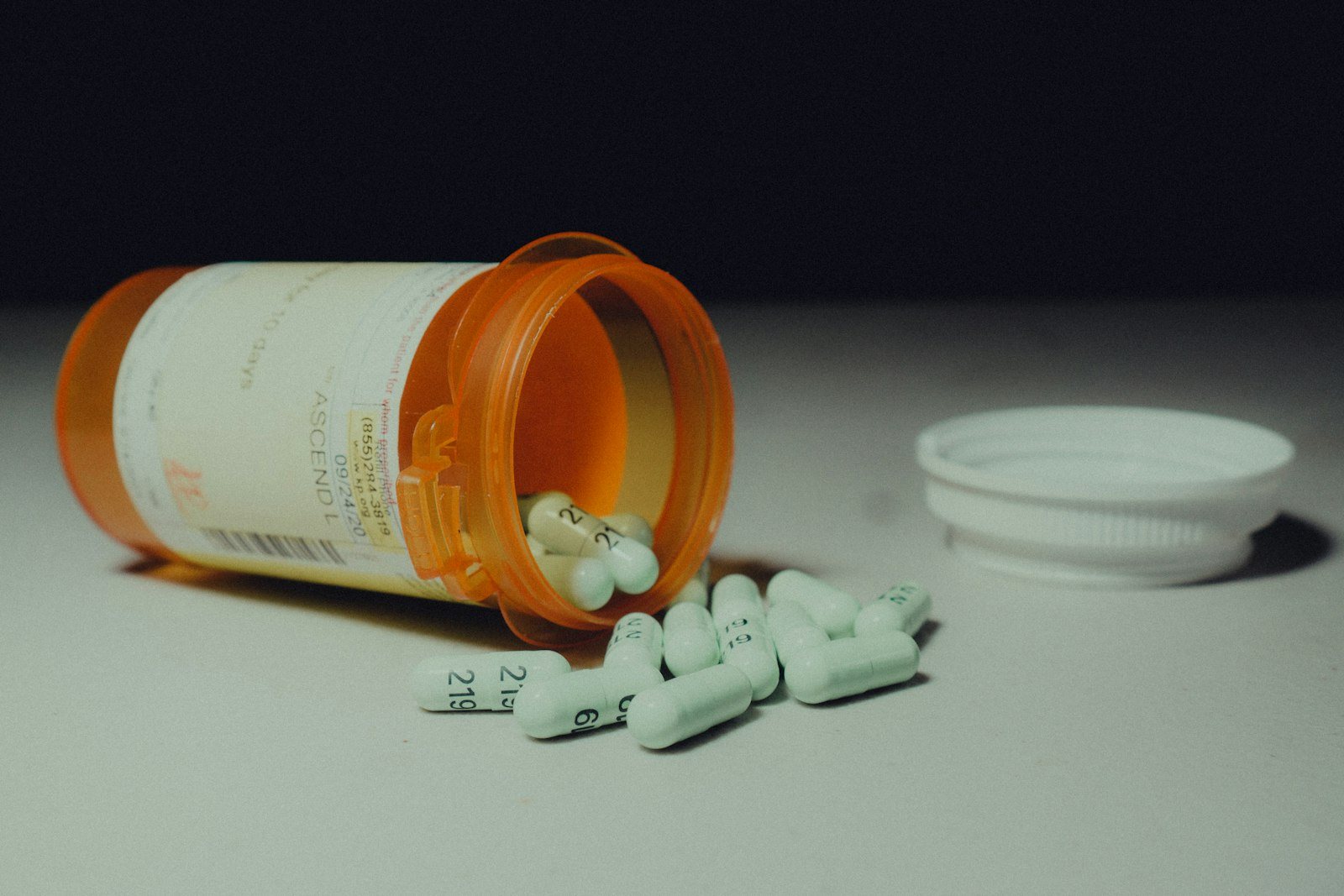
How it works
HIV needs to establish itself in the body during the hours and days after an exposure. PrEP keeps antiviral medication present in the tissues at concentrations that block that from happening.
When taken as prescribed, it reduces the risk of acquiring HIV from sex by about 99 percent, and by at least 74 percent among people who inject drugs. Those are among the strongest numbers in preventive medicine.
Both figures depend on the medication actually being in the body, which is why adherence and follow-up matter more than any other part of the plan.
PrEP, PEP and treatment are three different things
These get confused constantly, and the distinction is about timing.
| When it is used | Who it is for | |
|---|---|---|
| PrEP | Taken on an ongoing basis, before any exposure | People without HIV who want to stay that way |
| PEP | Started urgently after a possible exposure, ideally within 72 hours | People without HIV after a specific incident |
| HIV treatment | Taken continuously after diagnosis | People living with HIV, to suppress the virus and protect health |
PEP is a short emergency course and is time-critical. If you think you were exposed in the last three days, that is a same-day conversation with a clinician or an emergency department, not something to research at length first.
Who it is for
Current guidance is broad. Clinicians are encouraged to discuss PrEP with all sexually active adults and adolescents, and to prescribe it to anyone who asks for it, including people who do not describe any particular risk factor.
That framing is deliberate. Risk-based questioning misses people, and asking for PrEP is itself a reasonable indication.
It may also be an option during attempts to conceive, in pregnancy, and while breastfeeding, where one partner has HIV. That is a discussion to have specifically, because the plan is individualized.
Starting: what actually happens
You cannot start PrEP without an HIV test first. This is not bureaucracy. Taking PrEP while already having undiagnosed HIV can encourage the virus to develop resistance to those same drugs, which narrows treatment options later.
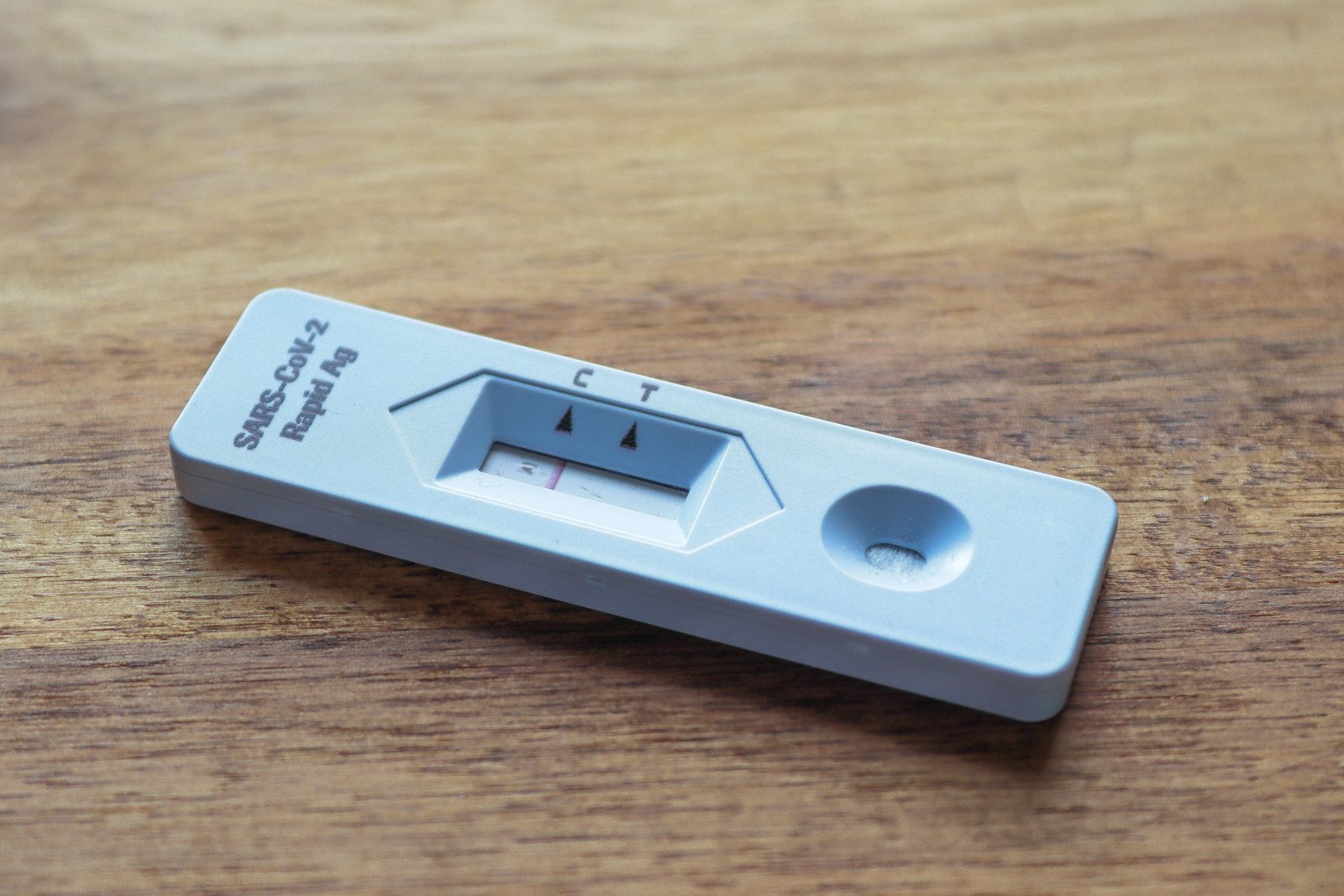
- An HIV test, plus tests for kidney function, hepatitis B and other sexually transmitted infections
- A discussion of which form of PrEP suits your circumstances
- A prescription, with clear instructions on when protection is established
- A follow-up appointment, usually within the first few months
- Regular reviews thereafter, typically every three months
Protection is not instant. How long it takes to become effective depends on the formulation and the type of exposure, so ask directly when you will be protected rather than assuming it begins on day one.
Staying on it
Daily oral PrEP asks something real of you: remembering, every day, to take a tablet for a condition you do not have. That is a different psychological task from taking medication because you feel unwell.
Longer-acting injectable options have been approved, given at intervals of months rather than daily, which removes the daily-adherence problem for people who struggle with it. Which options are appropriate and available for you is a conversation with your prescriber.
Do not stop or restart on your own. Stopping has rules of its own, and restarting requires repeat testing.
Monitoring while you take it
PrEP is not a prescription you collect and forget. Ongoing care usually means an HIV test roughly every three months, periodic kidney function checks, and screening for other sexually transmitted infections.
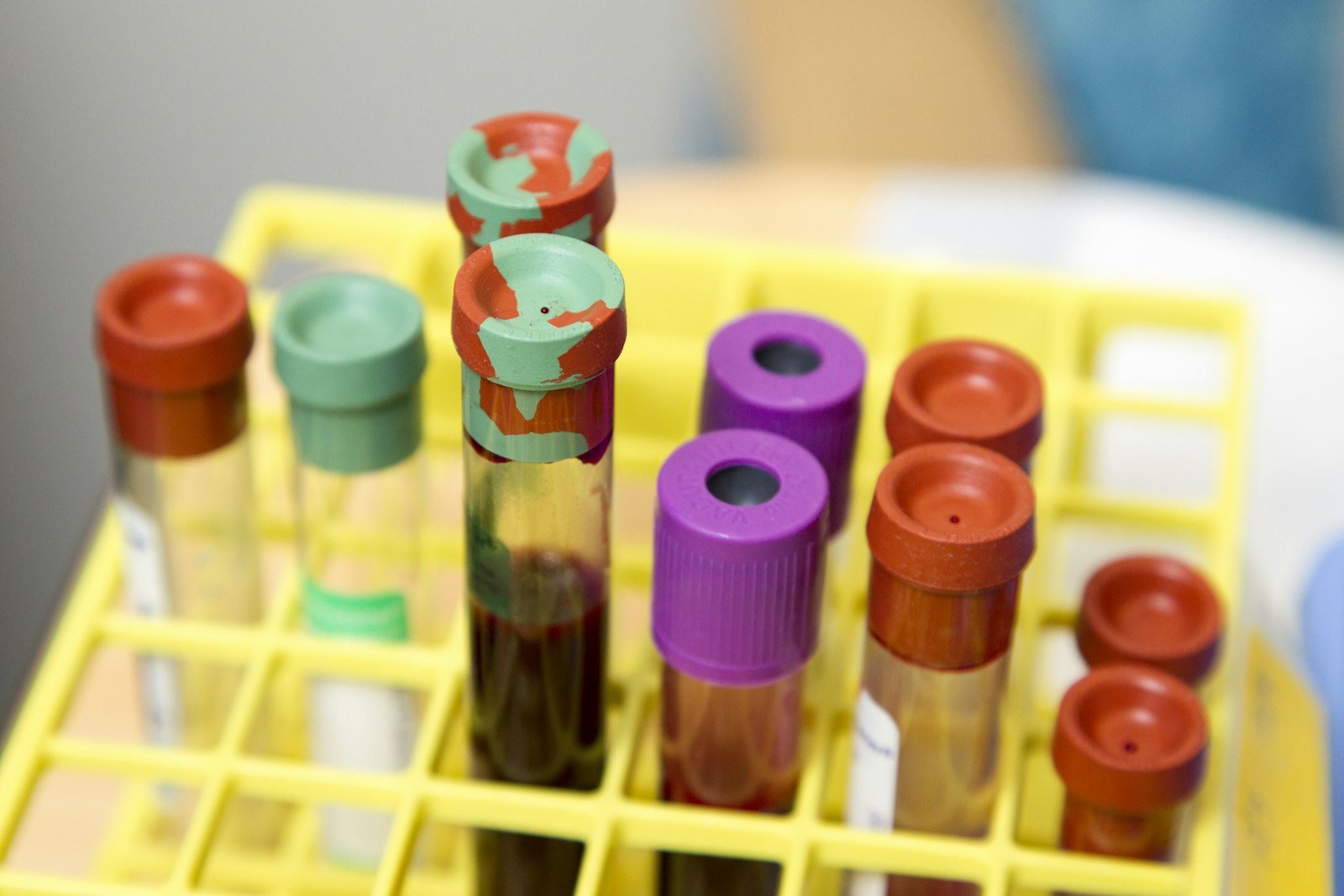
That regular testing is part of the protection, not an inconvenience attached to it. It catches the rare breakthrough infection early, when treatment choices are widest.
Privacy, and who needs to know
Concern about confidentiality keeps people away from PrEP more often than concern about the medication. Your care is confidential in the same way the rest of your medical care is, and the prescription itself does not announce anything about your life to anyone.
If specific worries apply to your situation, such as how a claim appears on a shared insurance plan, raise them at the first appointment. They are common questions, they are asked routinely, and there are usually practical answers.
Questions worth asking at the first appointment
- Which form of PrEP suits my circumstances, and why that one?
- From what point am I actually protected?
- What monitoring will I need, and how often?
- What should I do if I miss a dose?
- What does this cost me, and what does my insurance cover?
- How do I stop safely if I want to?
Cost and coverage vary by plan and by formulation, so ask specifically rather than assuming. The patient guide covers what to bring to a first appointment, and results are available afterwards through the patient portal.
What PrEP does not do
PrEP prevents HIV. It does nothing about chlamydia, gonorrhea, syphilis, hepatitis, or pregnancy.
That is worth stating plainly because it is the most common misunderstanding. Barrier methods and regular screening still have a role alongside PrEP, and the routine screening built into PrEP care exists partly for this reason.

If you think you may have been exposed to HIV within the last 72 hours, PEP is the relevant option and it is urgent. Contact a clinician or an emergency department the same day rather than waiting for a routine appointment.
Frequently asked questions
Does PrEP have side effects?
Most people tolerate it well. Some experience mild nausea, headache or fatigue in the first weeks, which usually settles. Kidney function is monitored because a small number of people are affected, which is one reason for the regular reviews.
How quickly does PrEP start working?
Not immediately, and the interval depends on the formulation and the kind of exposure. Ask your prescriber to tell you the specific point at which you are protected, and use other precautions until then.
Can I stop taking PrEP?
Yes, but stopping has its own instructions, and how long to continue after your last possible exposure varies. Speak to your prescriber rather than simply stopping, and expect repeat testing if you later restart.
Is PrEP only for certain groups of people?
No. Guidance encourages clinicians to discuss it with all sexually active adults and adolescents and to prescribe it to anyone who requests it, including people who do not report specific risk factors.
Will taking PrEP show up as HIV on a test?
PrEP does not cause a positive HIV test. You are tested before starting and regularly while taking it, precisely so that any infection is identified promptly.
You can read more about the specialty on the infectious disease physician page, see the clinicians on the provider profiles page, or reach us through the contact page.
Sources and further reading: HIV.gov — Pre-exposure prophylaxis (PrEP).
This article is general health information, not medical advice, and it cannot account for your own history or medications. Discuss your situation with a qualified clinician before acting on anything you read here.