
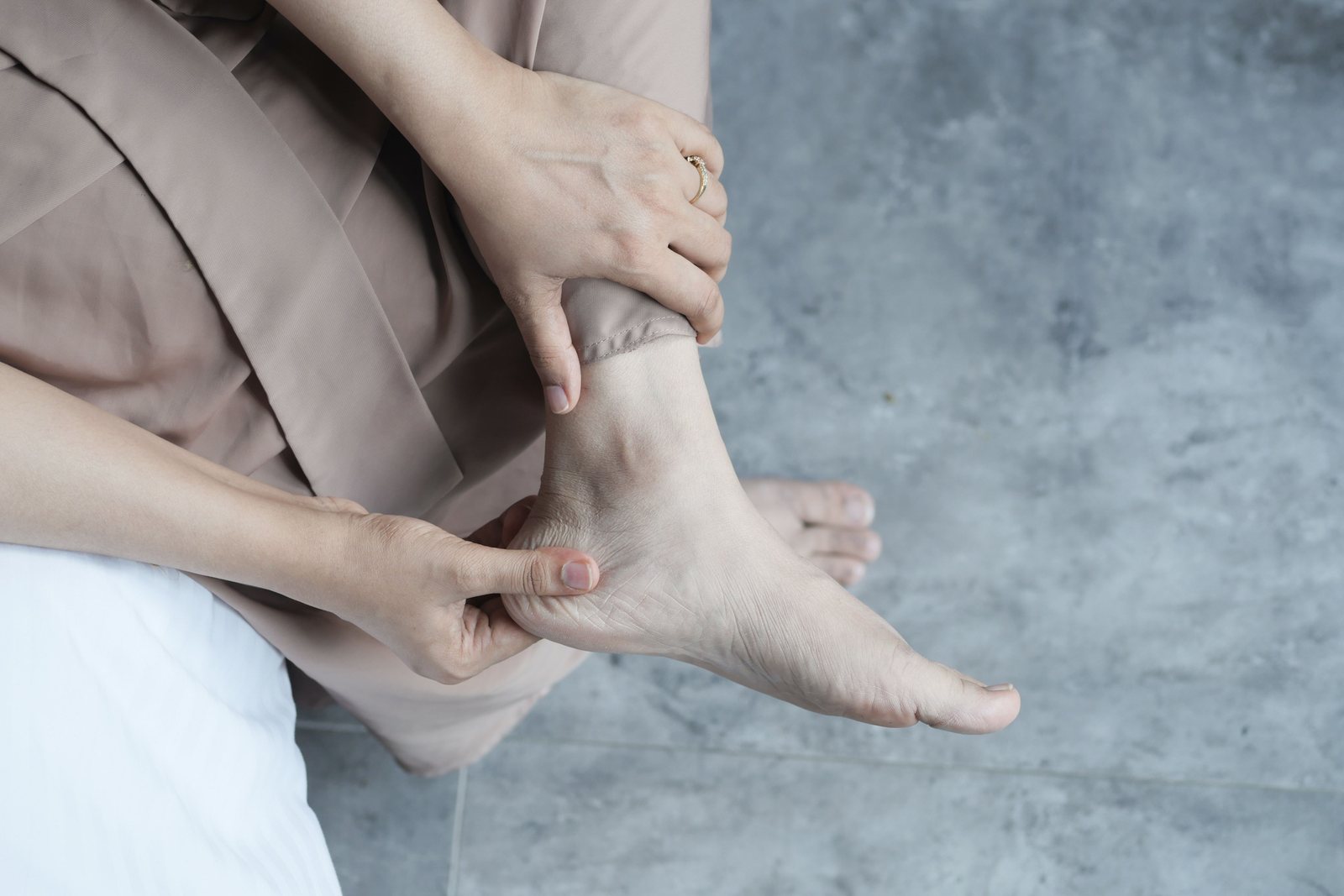
A few weeks after a bout of food poisoning or a urinary infection, a knee swells. Then an ankle. The original illness is long over, nothing grows on any test, and antibiotics make no difference at all.
This is reactive arthritis: joint inflammation triggered by an infection elsewhere, rather than infection of the joint itself. The distinction sounds academic and it governs the entire treatment.
Triggered, not infected
In septic arthritis, bacteria are inside the joint and it is an emergency. In reactive arthritis, the joint is sterile — the immune system, having responded to an infection somewhere else, goes on reacting in the joints afterwards.
That is why joint fluid grows nothing, why antibiotics do not help the arthritis, and why the treatment is anti-inflammatory rather than antimicrobial.
| Septic arthritis | Reactive arthritis | |
|---|---|---|
| Onset | Hours to a couple of days | One to four weeks after an infection |
| Joints involved | Usually one | Often several, asymmetric, lower limb |
| Fever | Usually, often high | Mild or absent |
| Joint fluid | Bacteria present | Inflammatory but sterile |
| Urgency | Emergency — same day | Prompt assessment, not an emergency |
| Treatment | Drainage and antibiotics | Anti-inflammatories; not antibiotics |
A single hot, swollen, very painful joint with fever is septic arthritis until proven otherwise, and it needs assessment the same day. Do not use this article to talk yourself out of that. Our article on bone and joint infections covers it.
Which infections trigger it
- Gut infections — campylobacter, salmonella, shigella, yersinia; see norovirus and food poisoning for the acute illness
- Chlamydia, which is the commonest genitourinary trigger; see what a full STI panel covers
- Occasionally other urinary or respiratory infections
- Rarely, following certain vaccinations — far less often than claimed
- In many cases no trigger is ever identified, which does not change the diagnosis
The original infection is often mild and sometimes passes unnoticed, which is why the connection is missed. A gut upset three weeks before a swollen knee rarely feels related to the person experiencing it.
What it looks like beyond the joints

Reactive arthritis is not only a joint condition, and the associated features are often what makes the diagnosis.
- Red, painful or light-sensitive eyes, which need assessment; our article on pink eye covers the ordinary causes that this is not
- Pain where tendons attach to bone — the heel is classic
- A whole finger or toe swollen rather than one joint
- Lower back and buttock pain from inflammation of the sacroiliac joints
- Skin changes on the palms or soles, and nail changes
- Mouth ulcers, which are usually painless
- Urinary symptoms without infection

Who gets it
Reactive arthritis is uncommon after any single infection — a small percentage of people who have the triggering illness — and a few things shift the odds.
- Age twenty to forty is the usual range, though it occurs outside it
- Men and women are affected in similar numbers after gut infections; genitourinary triggers are reported more often in men
- Carrying the HLA-B27 gene makes it more likely and more likely to be severe
- A previous episode makes another more likely
- The severity of the original infection does not predict it well
- Family history of related conditions, including ankylosing spondylitis and psoriasis
None of this is worth testing for in advance. It matters because it explains why one person in a household affected by the same food poisoning develops joint pain and nobody else does.
How it is diagnosed, and why the tests are mostly negative
There is no test that confirms reactive arthritis. It is a clinical diagnosis made by recognizing the pattern and excluding the things it resembles.
- Joint aspiration where a joint is hot and swollen, principally to exclude infection
- Inflammatory markers, usually raised; see what CRP and ESR mean
- Tests for the triggering infection — stool, urine or chlamydia testing
- Tests to exclude other causes, including gout and rheumatoid arthritis
- HLA-B27, which is associated but neither confirms nor excludes
- Imaging, which is often normal early on
Patients frequently find the run of negative results unsettling, as though nothing has been found. In this condition the negatives are the finding.
One question comes up repeatedly and deserves a direct answer: whether this is the start of a lifelong arthritis. For most people it is not. The majority of cases resolve and do not return, and even among those who have a second episode, most do not go on to a chronic condition. The minority who do are identified over months rather than at the first appointment, which is frustrating and is the honest position.
Living with it while it settles
The months before it resolves are the hard part, and a few practical things make a measurable difference.
- Keep moving within the limits of the pain; immobility stiffens joints faster than the arthritis does
- Use anti-inflammatories regularly rather than occasionally, if they are suitable for you
- Ask about physiotherapy early rather than after months of guarding the joint
- Report new eye symptoms the same day rather than waiting for the next appointment
- Expect fluctuation; a bad week does not mean the condition is progressing
- Tell any clinician treating you that this followed an infection, because the connection is easily lost between departments
Treatment and what to expect
Anti-inflammatory drugs are the mainstay, sometimes with steroid injection into a badly affected joint. Where the trigger was chlamydia, that infection is treated — for its own sake and for partners, not because it will resolve the arthritis.

- Most cases settle within three to six months
- A minority run longer, and a small proportion become chronic
- Recurrence happens, sometimes after another infection
- Gentle continued movement preserves function better than rest
- Persistent cases are managed by rheumatology, sometimes with a biologic
- Treating the trigger promptly may reduce the chance of it happening at all
If joint pain follows an infection and nobody has connected the two, saying so can shorten the process considerably. Our article on what happens at an infectious disease consultation covers how that history gets taken, and you can reach us through the contact page.
Frequently asked questions
Will antibiotics clear it up?
No. The joint is not infected, so antibiotics do nothing for the arthritis. If the trigger was chlamydia, that is treated for its own sake and to protect partners, but the joint symptoms follow their own course.
How long does it last?
Most people improve within three to six months. A minority take longer, and a small proportion develop a chronic arthritis that needs ongoing rheumatology care.
Is it the same as septic arthritis?
No, and the difference matters urgently. Septic arthritis means bacteria inside the joint and is an emergency. A single hot swollen joint with fever should be assessed the same day regardless of any recent infection.
Why are all my tests negative?
Because there is no positive test for it. The diagnosis rests on the pattern and on excluding other causes, so a run of negative results is consistent with it rather than evidence against it.
Can it come back?
Yes, sometimes after another infection. Treating gut and genitourinary infections promptly is the main thing that may reduce the chance.
Sources and further reading: National Institute of Arthritis and Musculoskeletal and Skin Diseases — Reactive arthritis.
This article is general health information, not medical advice, and it cannot account for your own history or medications. Discuss your situation with a qualified clinician before acting on anything you read here.