
Infections that reach bone or a joint behave differently from infections in soft tissue. They are harder for antibiotics to penetrate, they are slower to clear, and they often need a surgical component as well as a medical one.
That is why treatment is measured in weeks rather than days, and why these are among the most common reasons an infectious disease physician is asked to see a patient.
How these infections start
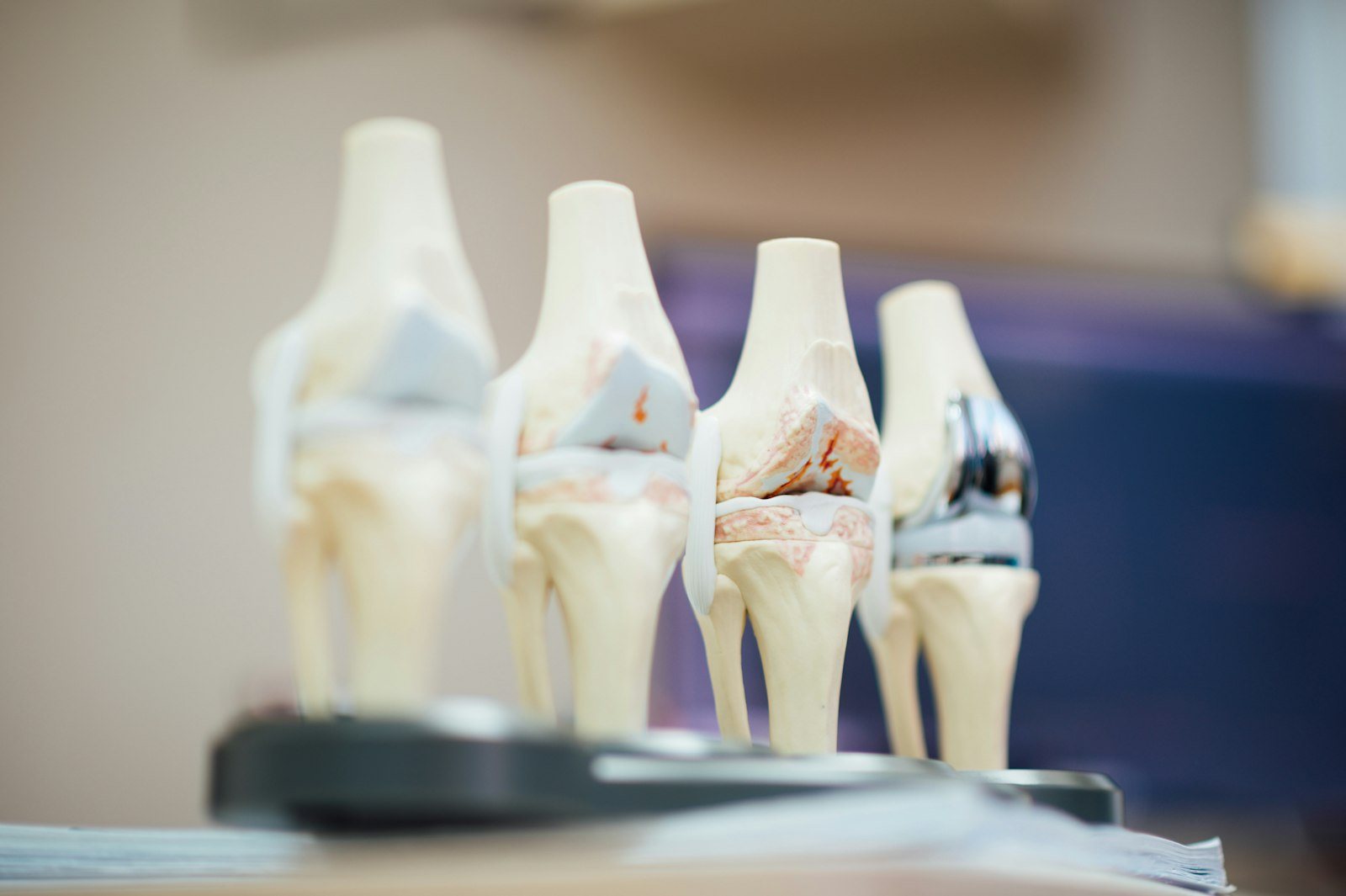
Bacteria reach bone or a joint by one of three routes. They can be carried there in the bloodstream from elsewhere in the body, spread inward from an adjacent infection such as a deep foot ulcer, or be introduced directly during injury or surgery.
The route often points to the likely organism, and therefore to the initial choice of antibiotic before cultures come back. It also shapes the search for a source: an infection seeded through the bloodstream raises the question of where it came from.
Some people carry a higher baseline risk. Diabetes, peripheral vascular disease, rheumatoid arthritis, injecting drug use, immune suppression and previous surgery on the same site all increase susceptibility.
The three main types
The label matters, because it determines both the surgical approach and the length of treatment.
| Type | What is infected | Typical approach |
|---|---|---|
| Osteomyelitis | Bone itself, often after injury, surgery or an adjacent ulcer | Removal of dead bone where needed, then a prolonged antibiotic course |
| Septic arthritis | The space inside a natural joint | Urgent drainage or washout, then antibiotics |
| Prosthetic joint infection | Tissue around an implanted joint replacement | Surgery to debride or exchange the implant, plus a long antibiotic course |
| Hardware infection | Plates, screws, rods or spinal instrumentation | Depends on whether the hardware can be retained |
Septic arthritis in a natural joint is the one that will not wait. A hot, swollen, acutely painful joint that is difficult to move needs assessment the same day, because cartilage can be damaged quickly.
Timing matters for implant infections in particular. An infection appearing within weeks of surgery behaves differently from one appearing years later, and the two are often managed with quite different surgical strategies.
Late infections are more likely to have seeded through the bloodstream from somewhere else, which is why a dental abscess or a urinary infection in someone with a joint replacement is taken more seriously than it otherwise might be.
How the diagnosis is made
Blood tests and imaging support the diagnosis, but the decisive step is usually getting a sample. Fluid aspirated from a joint, or tissue taken at surgery, is what identifies the organism and shows which antibiotics will work against it.
This is the reason teams sometimes ask patients to hold off on antibiotics before a planned sampling procedure. Starting treatment first can make the cultures negative without curing anything, leaving everyone guessing for weeks afterwards.
A joint that becomes hot, severely painful and difficult to move over hours, especially with fever, needs same-day assessment. Septic arthritis in a natural joint is time-critical.
Why surgery is often part of it
Antibiotics work on bacteria that are actively growing and reachable through the bloodstream. Dead bone has no blood supply, and bacteria on the surface of an implant form a biofilm that shields them.
Removing dead tissue, draining collections and, where necessary, exchanging hardware is what makes the antibiotics able to finish the job. It is not an alternative to medical treatment but a precondition for it.
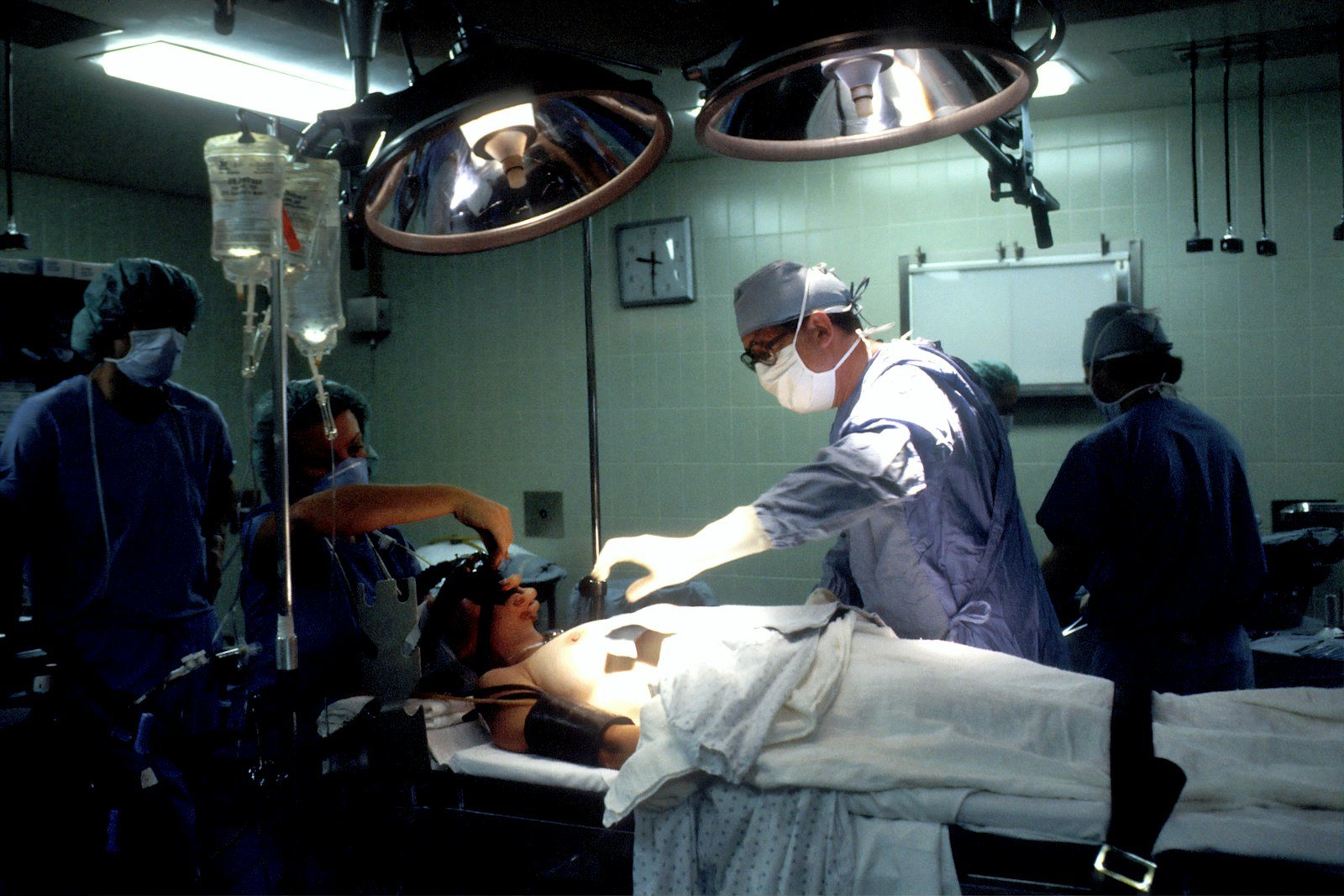
Where an implant is involved, the surgical strategy varies: debridement with the implant retained, exchange in a single operation, or exchange in two stages with an interval between. Each carries a different expected antibiotic duration.
The antibiotic course
Courses are long. Six weeks is a common figure for bone and joint infection, and implant-related infection is frequently treated for longer, with the exact duration set by the organism, the surgery performed and how the patient responds.
Much of that course is often intravenous, at least initially. That does not necessarily mean weeks in hospital: once stable, many patients complete treatment at home or through an office infusion center. Our article on what outpatient IV antibiotics involve covers what that looks like week to week.
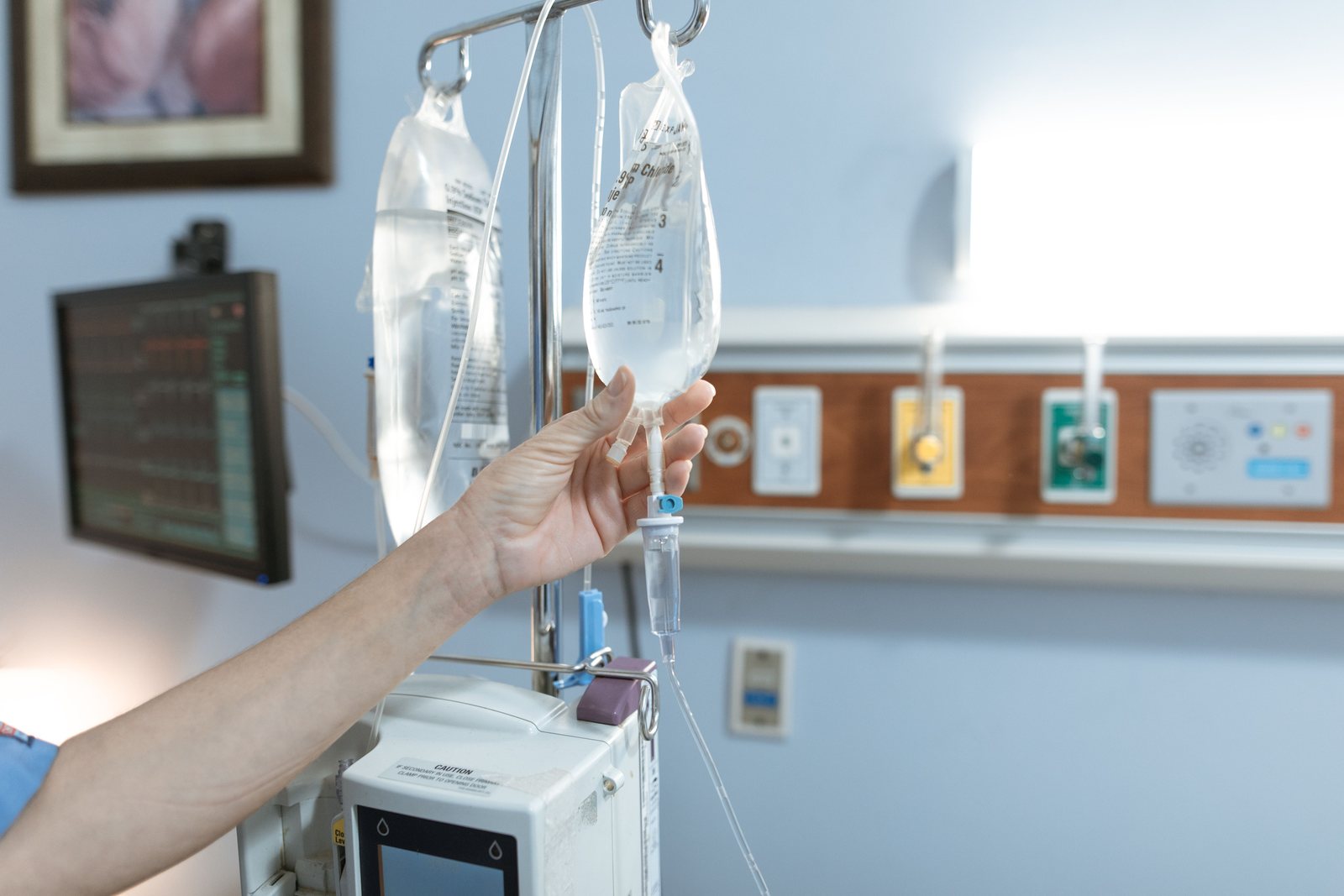
Expect regular blood tests throughout. Prolonged antimicrobial therapy can affect kidney function, liver enzymes and blood counts, and inflammatory markers are tracked to confirm the infection is responding. Results are available through the patient portal.
Questions worth asking your team
- What organism was found, and which antibiotic is it sensitive to?
- How long is the planned course, and what would change it?
- Will any of it be intravenous, and where would that happen?
- What surgery is planned, and is the implant being retained or exchanged?
- What weight-bearing am I allowed, and from when?
- Which blood tests will be monitored, and how often?
- What should make me call before my next appointment?
Writing the answers down matters here more than in most consultations, because bone and joint treatment runs for months and involves several teams. The patient guide sets out what to bring to an appointment.
Recovery, and what raises the odds
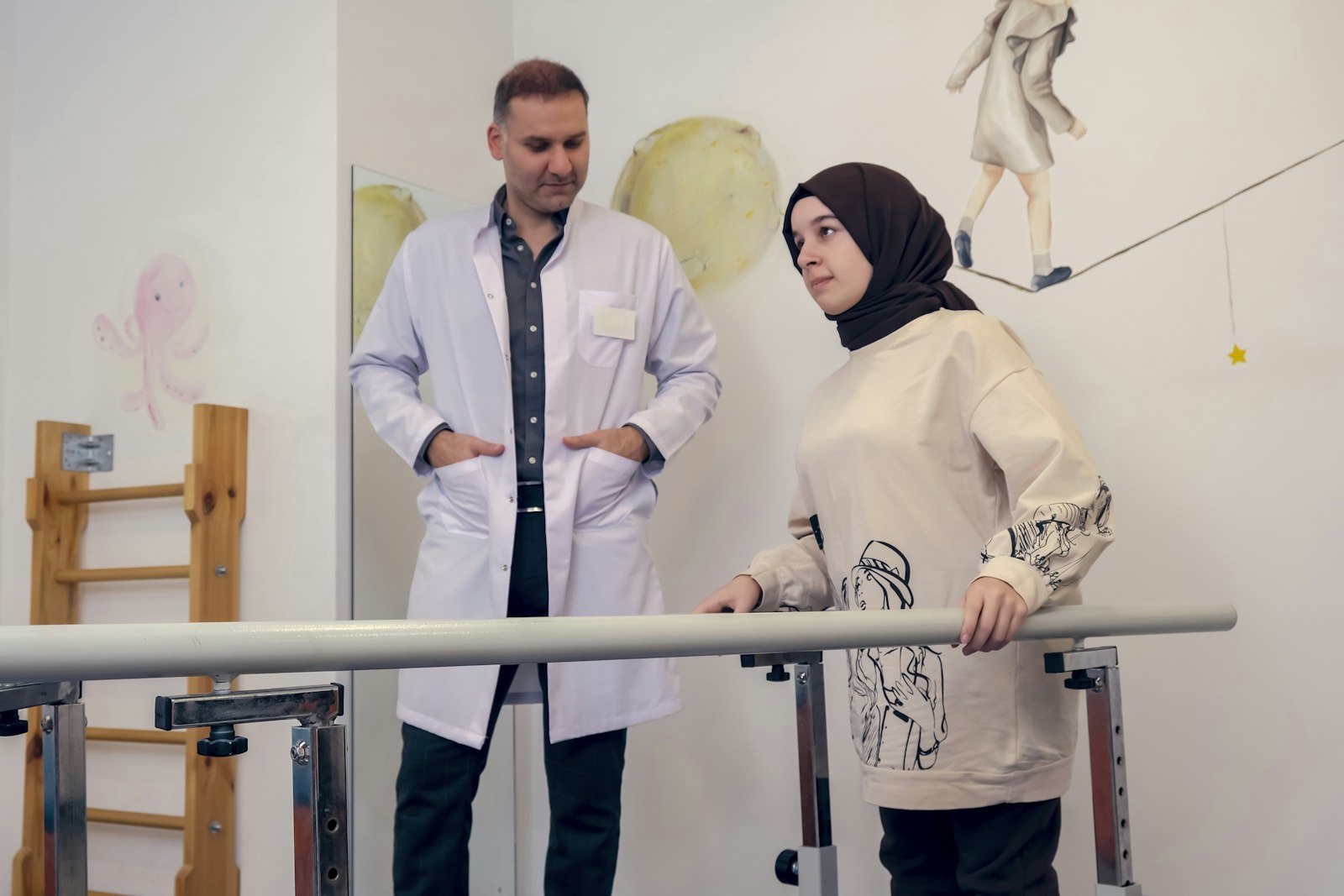
Recovery runs on two tracks: clearing the infection and restoring function. They overlap, and rehabilitation usually begins well before the antibiotic course ends.
- Complete the full antibiotic course, even once you feel well
- Attend the monitoring blood tests; they are how problems are caught early
- Follow weight-bearing instructions exactly after surgery
- Keep blood glucose controlled if you have diabetes
- Stop smoking, which measurably impairs bone healing
- Report new fever, wound discharge or a return of pain promptly
Where an infection sits alongside a wound that will not close, both problems need addressing together, as covered in our article on why some wounds do not heal and on our wound care page.
Frequently asked questions
How long will I need antibiotics for a bone infection?
Commonly around six weeks, though implant-related infections are often treated for longer. The duration is set by the organism, the surgery performed and your response, so it can change during treatment.
Will my joint replacement have to be removed?
Not always. Early infections are sometimes managed by washing out the joint and retaining the implant. Established infections more often need the implant exchanged, in one or two stages. The surgical team decides based on timing and the organism.
Can I have the intravenous antibiotics at home?
Often yes, once you are stable. Outpatient parenteral therapy is well established for bone and joint infection and avoids weeks of inpatient stay, with weekly blood tests and clinical review.
Why do I need surgery if antibiotics can kill bacteria?
Because antibiotics cannot reach dead bone, undrained collections or bacteria in a biofilm on an implant surface. Surgery removes what the drugs cannot penetrate so the course can work.
What are the signs the infection has come back?
Returning pain, new swelling or warmth, fever, or discharge from a surgical wound. Report these promptly rather than waiting for the next scheduled appointment.
The clinicians are listed on the provider profiles page, and appointments can be arranged through the contact page.
Sources and further reading: OrthoInfo (American Academy of Orthopaedic Surgeons) — Infection After Joint Replacement.
This article is general health information, not medical advice, and it cannot account for your own history or medications. Discuss your situation with a qualified clinician before acting on anything you read here.