
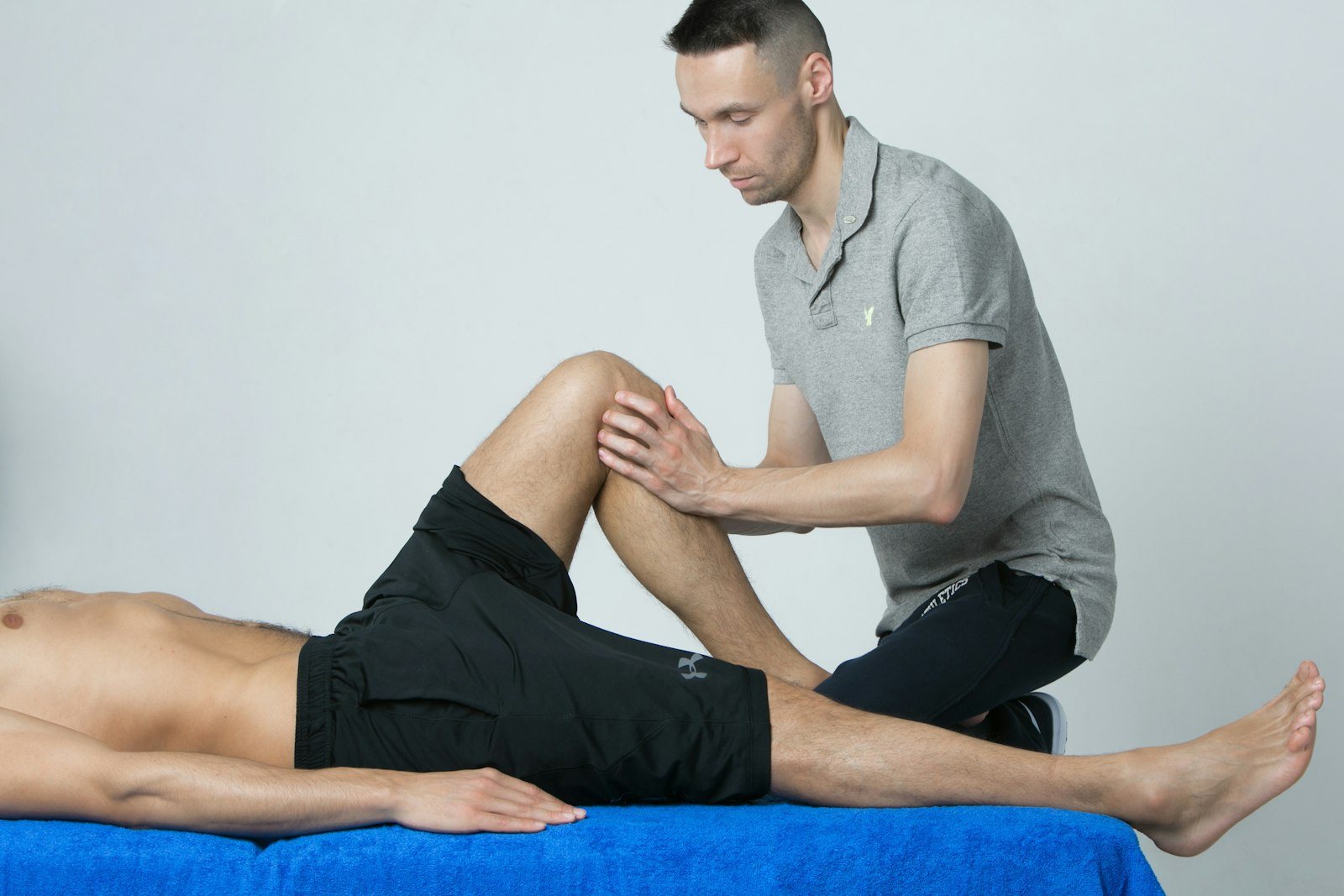
Hip and knee replacements are among the most reliably successful operations in medicine. Infection is the complication people fear most, and it is genuinely uncommon: something in the order of one in a hundred, lower in many series.
It is worth understanding anyway, for two reasons. The warning signs are easy to dismiss as ordinary post-operative soreness, and the treatment depends heavily on how quickly it is recognized.
Early, delayed and late are three different problems
Infections around a replaced joint are grouped by when they appear, and the grouping is not academic: it points to where the bacteria came from and what can be done.
| When it appears | Where it usually came from | What treatment tends to involve |
|---|---|---|
| Within about six weeks of surgery | Contamination at the time of the operation | Washout, keeping the implant, exchanging the plastic parts |
| Three months to two years | Also from surgery, but slower-growing bacteria | Usually removal and staged replacement of the implant |
| After two years | Bacteria arriving through the bloodstream from elsewhere | Depends on how long symptoms have been present |
| Any time, symptoms under three weeks old | Often a bloodstream source, caught early | A washout may still save the implant |
| Any time, symptoms for months | Established biofilm on the implant | The implant almost always has to come out |
The pattern running through that table is that speed of recognition, not the calendar date of the surgery, decides whether the implant can be kept. That is the single most actionable fact in this article.
Why an implant changes the rules
Bacteria behave differently on artificial surfaces. They form a biofilm, a layer that antibiotics penetrate poorly and the immune system struggles to reach. It is why infections that would clear easily in soft tissue become entrenched around metal and plastic, and why the same organism needs far longer treatment here.
It is also why a resistant organism such as MRSA matters more in this setting than in an ordinary skin infection, and why bone and joint infections generally run for weeks rather than days.
The warning signs, and how they differ from normal healing
Some soreness, swelling and warmth is expected for weeks after a joint replacement. What matters is the direction of travel. Recovery that is going backwards is the signal, whatever the absolute level of discomfort.
- Pain that increases after a period of steady improvement
- A wound that reopens, or continues draining beyond the first week or two
- Redness spreading outward from the scar rather than fading
- Fever, chills, or night sweats
- New pain in a joint replaced years ago, especially with fever
- A joint that becomes stiff or hot when it had been loosening up
New pain in a joint that has been comfortable for years is worth reporting even without fever, and especially after a dental procedure, a skin infection or a urinary infection. Late infections usually arrive through the bloodstream from somewhere else.
Our article on what to watch for after surgery covers the general version of this question, and cellulitis covers the spreading redness that sometimes accompanies it.
Who is at higher risk
Most people who develop one of these infections have no particular risk factor, which is worth saying plainly. Some things do shift the odds, and several of them can be improved before a planned operation rather than after.
- Diabetes, particularly where blood sugar control is poor around the surgery
- Rheumatoid arthritis and other conditions treated with immune-suppressing medication
- Obesity, smoking, and poor nutrition
- A previous infection in the same joint, or revision rather than first-time surgery
- Ongoing skin conditions or ulcers, including diabetic foot ulcers
- Injection drug use, and any recurrent source of bacteria in the bloodstream
How it is diagnosed
Blood tests showing inflammation are suggestive but not decisive; they rise for many reasons. The test that settles it is a sample of fluid taken from the joint itself with a needle, sent for cell counts and culture.
- Blood tests for inflammatory markers
- X-rays, which may show loosening in longer-standing infection
- Aspiration of joint fluid, which is the key step
- Culture of that fluid, held longer than usual because some organisms grow slowly
- Samples taken during surgery, if an operation goes ahead
Antibiotics are often deliberately withheld until the fluid has been sampled, because starting them first can render the culture negative and leave everyone guessing. Our article on what a culture and sensitivity report says explains why that sample matters so much.
Treatment is long, and mostly successful
Almost all treatment involves surgery of some kind, because antibiotics alone rarely clear an infection on an implant. What surgery depends on the timing above: a washout with the implant retained, or removal and replacement in one or two stages.
The two-stage approach removes the implant, places a temporary antibiotic-loaded spacer, runs several weeks of antibiotics, and then re-implants once the infection is cleared. It is a long road, and it succeeds in the large majority of cases.
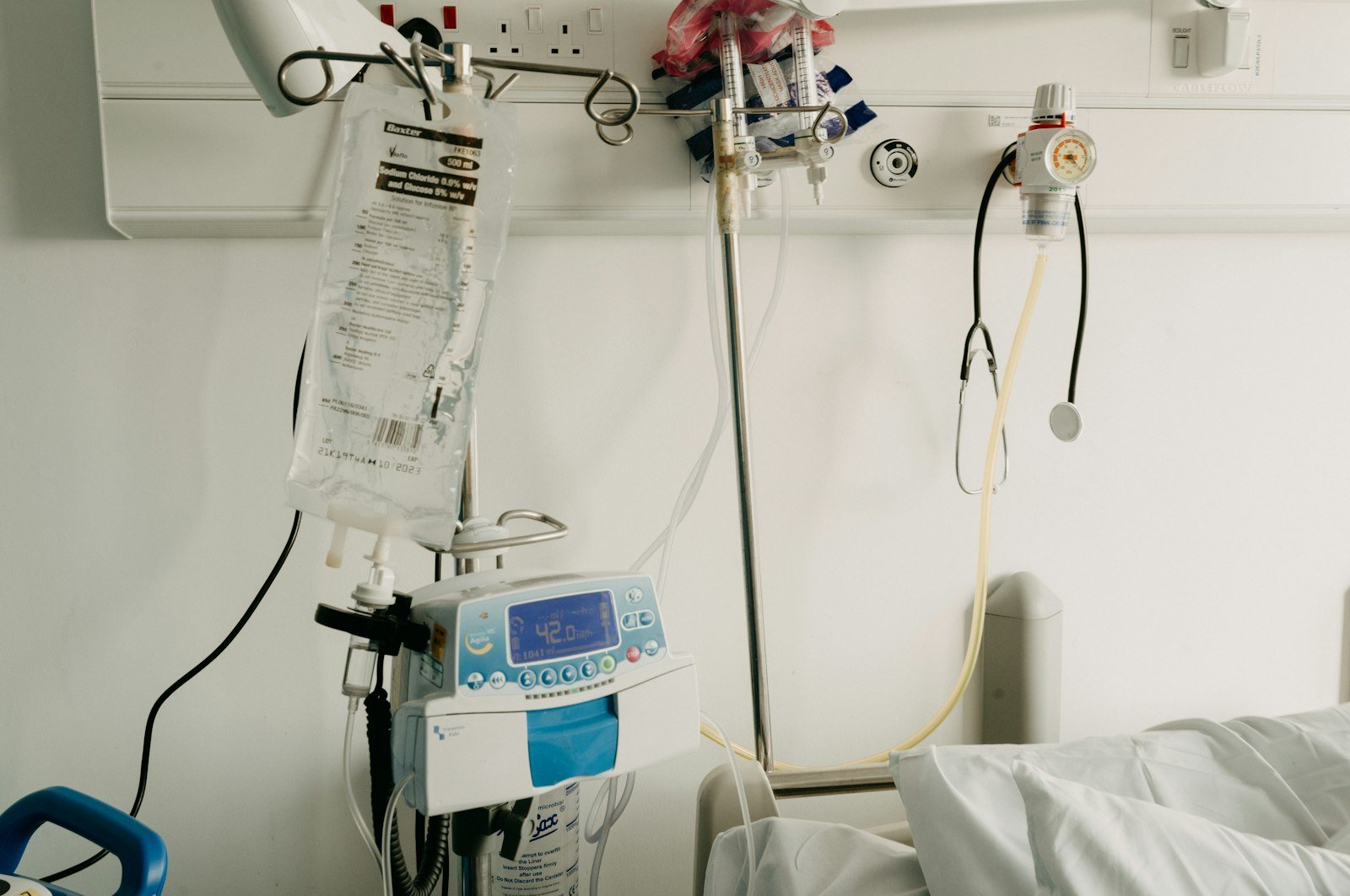
The intravenous phase typically runs four to six weeks and is usually delivered at home through a long line rather than as an inpatient. Our article on outpatient IV antibiotics describes exactly what that involves week to week.
What reduces the risk
- Treat skin and dental infections promptly rather than waiting them out
- Manage diabetes and blood sugar well before and after surgery
- Stop smoking before the operation; it measurably affects wound healing
- Keep the wound clean and dry, and report drainage rather than watching it
- Tell any clinician treating an infection elsewhere that you have a joint replacement
- Keep vaccinations current, particularly if you are also on immune-suppressing treatment
Routine antibiotics before dental work are no longer recommended for most people with joint replacements, which surprises patients told otherwise years ago. The reasoning is the same as for heart valves, set out in our article on endocarditis and dental work. Treating an actual dental infection promptly matters far more than premedication does.
These infections are managed jointly by surgeons and infectious disease physicians. Our article on when to see an infectious disease specialist explains what that side of it adds, and you can reach us through the contact page.
Frequently asked questions
How likely is infection after a joint replacement?
Uncommon. Broadly around one in a hundred for a first-time hip or knee replacement, and lower in many reported series. Revision surgery carries a higher risk than a first operation.
Will I definitely lose the implant?
No. If the infection is caught within a few weeks of surgery, or within about three weeks of symptoms starting in a long-standing joint, a washout with the implant retained is often possible. Delay is what forces removal.
Do I need antibiotics before the dentist?
For most people with a joint replacement, no longer routinely. Some individuals with particular risk factors still do. Ask your surgeon rather than assuming either way, and treat actual dental infections promptly.
Why do the antibiotics run for six weeks?
Because bacteria on an implant form a biofilm that antibiotics penetrate poorly. Courses that would clear a soft-tissue infection in a week are not sufficient here.
My knee replacement hurts three years on. Is it infected?
Most likely not; wear, loosening and other causes are more common. But new pain in a joint that was comfortable is worth assessing, particularly with fever or after an infection elsewhere.
Sources and further reading: Hospital for Special Surgery — Infection in a hip or knee joint replacement (patient guide, PDF).
This article is general health information, not medical advice, and it cannot account for your own history or medications. Discuss your situation with a qualified clinician before acting on anything you read here.