

Endocarditis is an infection of the lining inside the heart, most often affecting a valve. Bacteria enter the bloodstream from somewhere else entirely, travel to the heart, and settle on a surface that suits them.
It is uncommon, and it is serious. It is also one of the infections where the symptoms are easiest to explain away, because for weeks they can look like nothing more than being run down.

How bacteria reach a heart valve
Small numbers of bacteria enter the bloodstream regularly in ordinary life: brushing teeth, chewing, a skin infection, a urinary infection. In almost everyone the immune system clears them within minutes.
Problems arise when there is somewhere for them to lodge. A damaged or artificial valve, a congenital heart abnormality or an implanted cardiac device provides a surface where bacteria can attach and form a vegetation that antibiotics struggle to penetrate.
That is the same biofilm problem that makes infections around implanted joints difficult to treat, and it explains why courses run for weeks rather than days.
Who is at higher risk
- People with a prosthetic heart valve, or prosthetic material used in valve repair
- Anyone who has had endocarditis before
- People with certain congenital heart conditions
- Heart transplant recipients who develop a valve problem
- People who inject drugs
- People with long-term intravenous lines or implanted cardiac devices
Most people with a heart murmur are not in a high-risk group. The distinction matters, because it determines whether antibiotics before dental work are appropriate.
The symptoms that get dismissed
Endocarditis can develop quickly with obvious severe illness, or slowly over weeks with symptoms that never quite declare themselves.

- A fever that comes and goes, often low grade
- Night sweats, sometimes drenching
- Unexplained fatigue, weight loss or poor appetite
- Aching muscles and joints
- Breathlessness, or swelling in the legs
- A new or changed heart murmur
- Small painless spots on the palms or soles, or splinter-like marks under the nails
The pattern that should prompt investigation is an unexplained fever lasting more than a week in someone with a known valve problem. That combination is worth naming explicitly to whoever assesses you.
How it is diagnosed
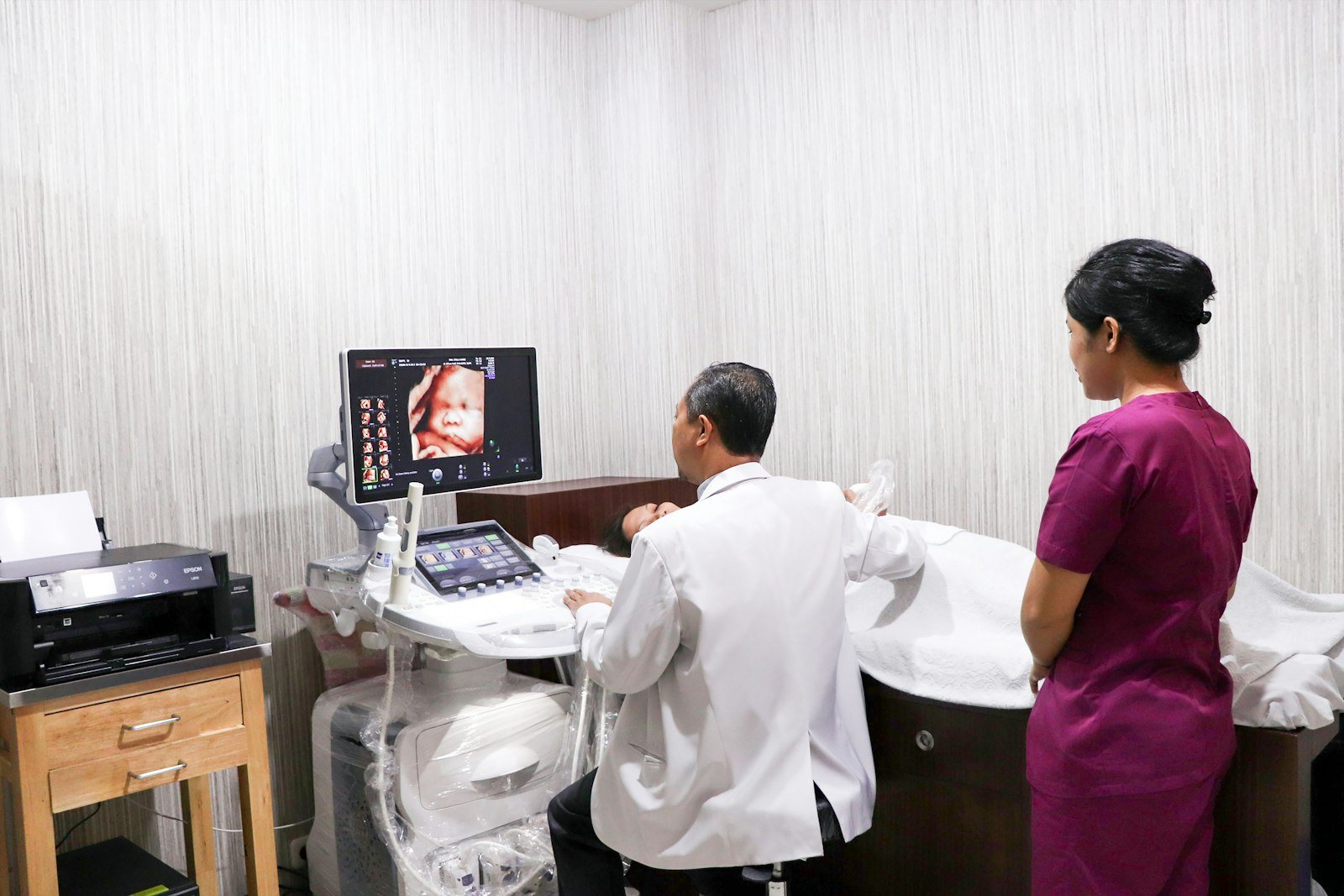
Two things establish the diagnosis: blood cultures identifying the organism, and an echocardiogram showing what is happening on the valve.
Several sets of blood cultures are taken, usually from different sites and at different times, because a single positive result can be contamination and a single negative one proves little.
This is why teams ask patients to hold off on antibiotics before cultures are drawn where it is safe to do so. Starting treatment first can leave the cultures negative without curing anything, and the organism determines the entire treatment plan.
Treatment runs for weeks
Endocarditis is treated with prolonged intravenous antibiotics, commonly for four to six weeks, chosen specifically for the organism found and its susceptibility pattern.

Some people need heart surgery as well, to repair or replace a damaged valve, remove infected material, or deal with complications. That decision is made jointly by cardiology, cardiac surgery and infectious disease.
Not all of that time is spent as an inpatient. Once stable, many people complete treatment through an office infusion center or at home, which our article on outpatient intravenous antibiotics describes week by week.
Antibiotics before dental work: who actually needs them
This is the question patients ask most, and the guidance has narrowed considerably over the years. Preventive antibiotics are now recommended for a small group rather than everyone with a heart condition.
| Situation | Prophylaxis usually recommended? |
|---|---|
| Prosthetic heart valve, or prosthetic material used in valve repair | Yes |
| Previous infective endocarditis | Yes |
| Certain congenital heart conditions | Yes, in defined circumstances |
| Heart transplant recipient with a valve problem | Yes |
| Mitral valve prolapse without the above | Not routinely |
| A heart murmur with no structural abnormality | No |
| Coronary artery disease, stents, or bypass surgery | No |
| Joint replacement without a cardiac indication | Not for cardiac reasons |
Where prophylaxis is indicated, it applies to procedures involving the gums or the tissue around the roots of the teeth, or which perforate the lining of the mouth. It is not needed for routine fillings or a check-up.
If you are unsure which column you are in, ask your cardiologist directly and carry the answer with you. Do not decide it yourself, and do not rely on advice given for a different condition years ago.
If you are diagnosed
Expect a longer relationship with the medical system than most infections require. Endocarditis is managed by several teams at once, and the coordination between them is part of the treatment rather than an administrative overhead.
Ask who is coordinating your care, what the planned duration is, what would change it, and who to contact between appointments. Ask also whether dental review is needed, since an untreated dental source can undo a completed course.
Follow-up continues after treatment ends, usually with repeat echocardiography and a review of valve function. Report any return of fever, night sweats or fatigue promptly rather than waiting for the next appointment.
What actually reduces the risk
Everyday oral health does more than antibiotics before appointments. Bacteria enter the bloodstream far more often through daily chewing and brushing than through occasional dental procedures.

- Brush and floss daily, and see a dentist regularly
- Treat dental infection promptly rather than waiting
- Care for any intravenous line exactly as instructed
- Treat skin infections early, as covered in our article on cellulitis
- Avoid non-sterile piercing and tattooing
- Tell every clinician and dentist about your cardiac history
An unexplained fever lasting more than a week in someone with a prosthetic valve, a previous episode of endocarditis or a cardiac device should be assessed promptly, and blood cultures taken before antibiotics are started where it is safe to do so.
Frequently asked questions
Can endocarditis be cured?
It often can, with prolonged intravenous antibiotics chosen for the specific organism, and surgery where needed. Outcomes depend heavily on how early it is identified and on which organism is involved.
Do I need antibiotics before every dental visit?
Almost certainly not. Current guidance limits prophylaxis to a defined group, mainly people with prosthetic valve material, previous endocarditis, certain congenital conditions or a transplanted heart with valve disease. Ask your cardiologist for a clear answer specific to you.
Why does treatment take six weeks?
Bacteria on a valve form a dense vegetation that antibiotics penetrate poorly, and there is no way to physically remove it short of surgery. Long courses are what clears it reliably.
Can I have the intravenous antibiotics at home?
Frequently yes, once you are stable and the organism is known. Outpatient parenteral therapy is well established for endocarditis, with regular blood tests and review.
Is a heart murmur a reason to worry about endocarditis?
On its own, usually not. Many murmurs are innocent. Risk relates to specific structural abnormalities, prosthetic material and previous endocarditis rather than to the presence of a murmur.
More about the specialty is on the infectious disease physician page, the clinicians are listed on the provider profiles page, and the contact page explains how to reach us.
Sources and further reading: American Dental Association — Antibiotic prophylaxis prior to dental procedures.
This article is general health information, not medical advice, and it cannot account for your own history or medications. Discuss your situation with a qualified clinician before acting on anything you read here.