
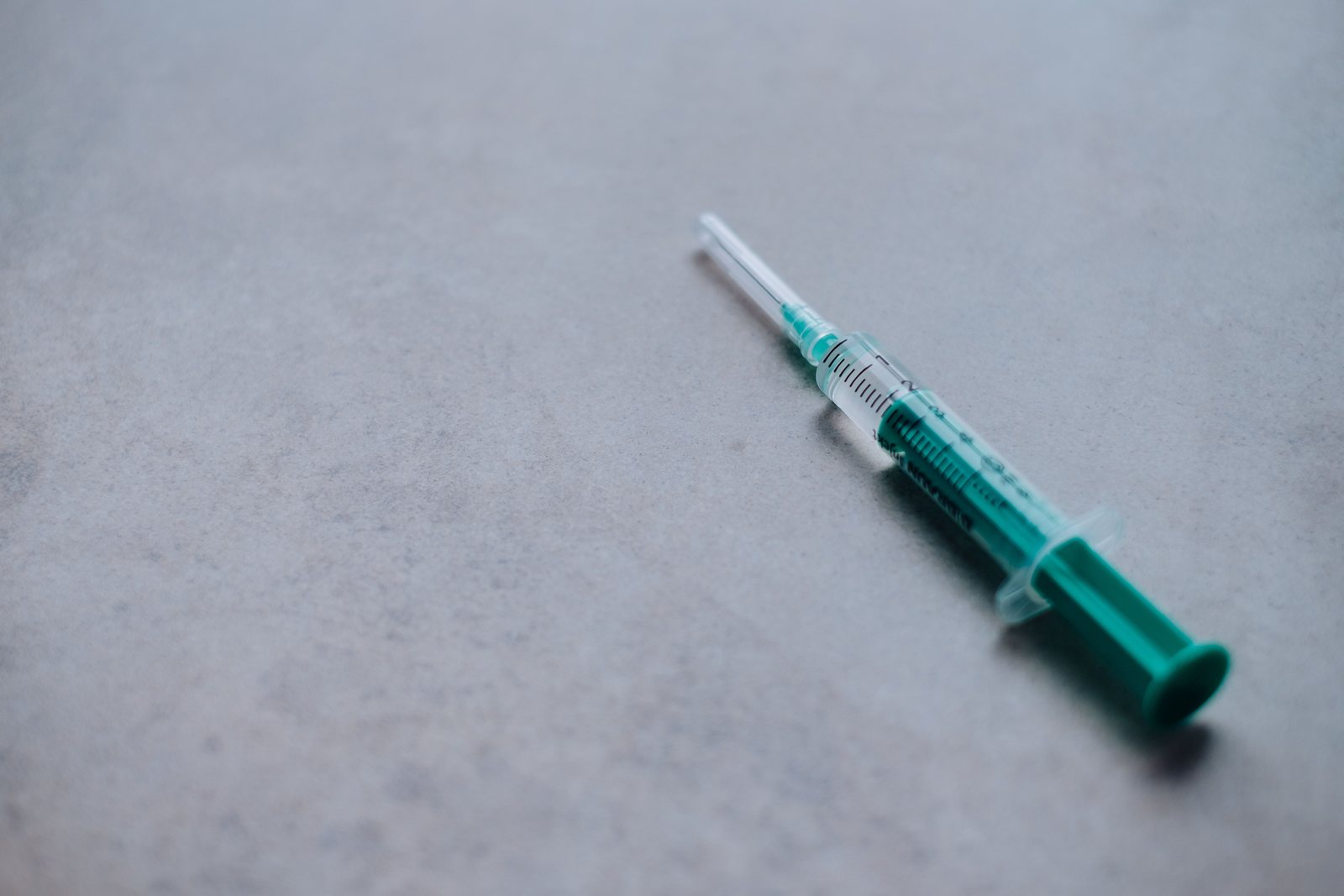
Biologics changed the treatment of rheumatoid arthritis, psoriasis, inflammatory bowel disease and several other conditions. They work by switching off a specific part of the immune system, and that is precisely why they change your relationship with infection.
The risk is real, manageable and frequently overstated by the internet. What matters is knowing which infections your particular drug makes more likely, and what to do about the few that are time-critical.
Why these drugs are different from broad immune suppression
Steroids suppress the immune system generally. A biologic blocks one messenger or one cell type, which makes it more effective for the disease and gives it a more predictable pattern of infection risk.
| Drug family | What it blocks | The infection to know about |
|---|---|---|
| TNF inhibitors | A key inflammatory messenger | Reactivation of latent tuberculosis; also fungal infections |
| B-cell depleting therapies | Antibody-producing cells | Hepatitis B reactivation; lower antibody response to vaccines |
| IL-17 and IL-23 blockers | Other inflammatory messengers | Candida (thrush) more than anything else |
| IL-6 blockers | An inflammatory messenger | CRP is suppressed, so it cannot be used to detect infection |
| JAK inhibitors | An intracellular signalling pathway | Shingles, at a higher rate than most |
| Complement inhibitors | Part of innate immunity | Meningococcal infection; vaccination is mandatory beforehand |
That IL-6 row deserves emphasis. On those drugs, CRP is artificially low even during a significant infection — so the number that would normally raise the alarm does not. Our article on what CRP and ESR mean covers the test; on these drugs, symptoms carry the weight instead.
What gets screened before you start
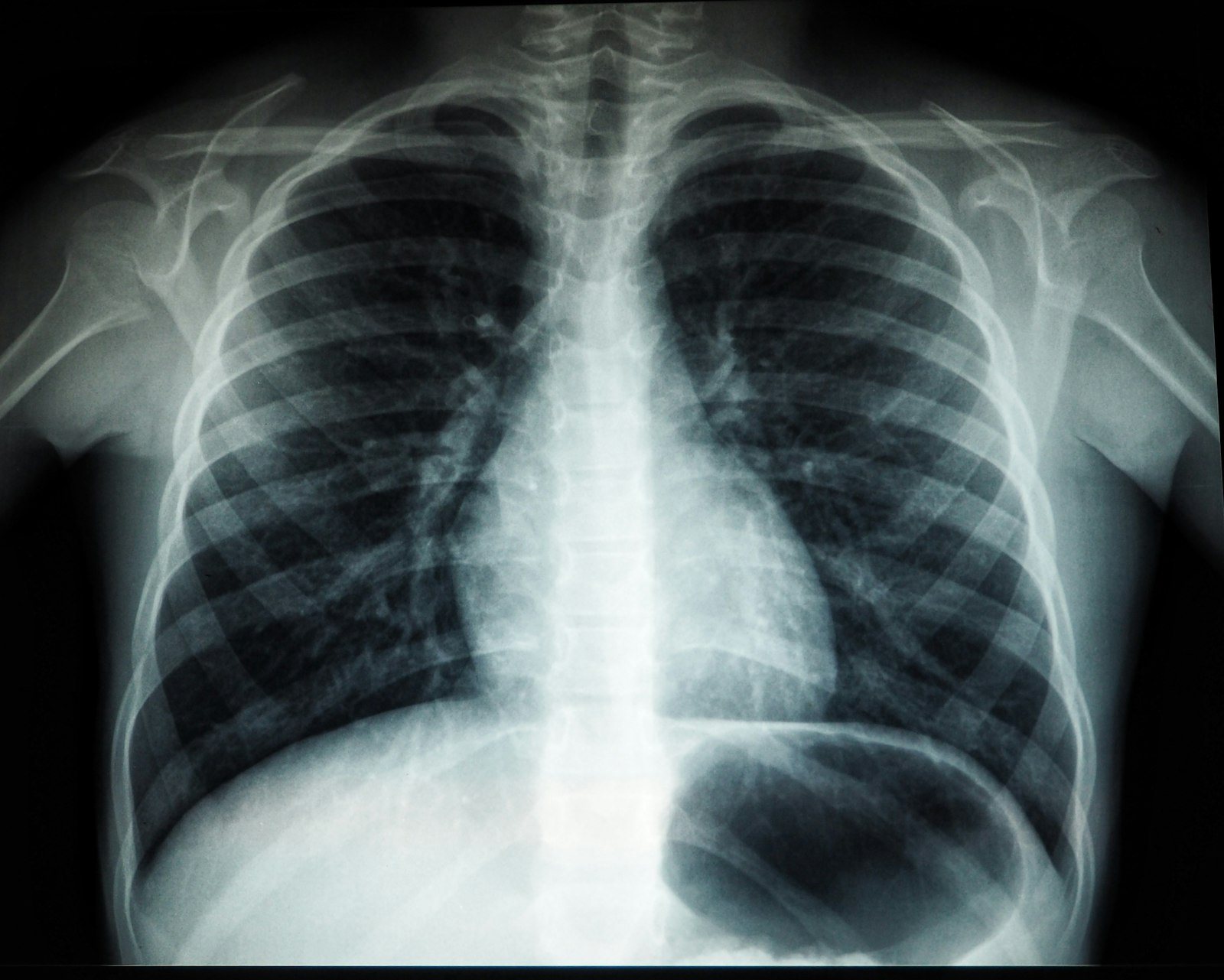
The screening is not a formality, and it is the reason infectious disease is often involved before a biologic starts at all.
- Latent tuberculosis, by skin or blood test and usually a chest X-ray. If positive, treatment starts before the biologic; see latent tuberculosis
- Hepatitis B, including the core antibody, because dormant infection can reactivate dangerously; see hepatitis B
- Hepatitis C and HIV in most protocols
- Vaccinations brought up to date first, because live vaccines become difficult afterwards; see vaccines when your immune system is suppressed
- Any active infection, including dental — see when a dental infection spreads
- Travel and residence history, which brings endemic fungal infections into view; see fungal infections
If you have not had a tuberculosis test and a hepatitis B panel before starting a TNF inhibitor or a B-cell therapy, ask why not. These are the two screens that exist specifically to prevent a serious, avoidable reactivation.
Living with it
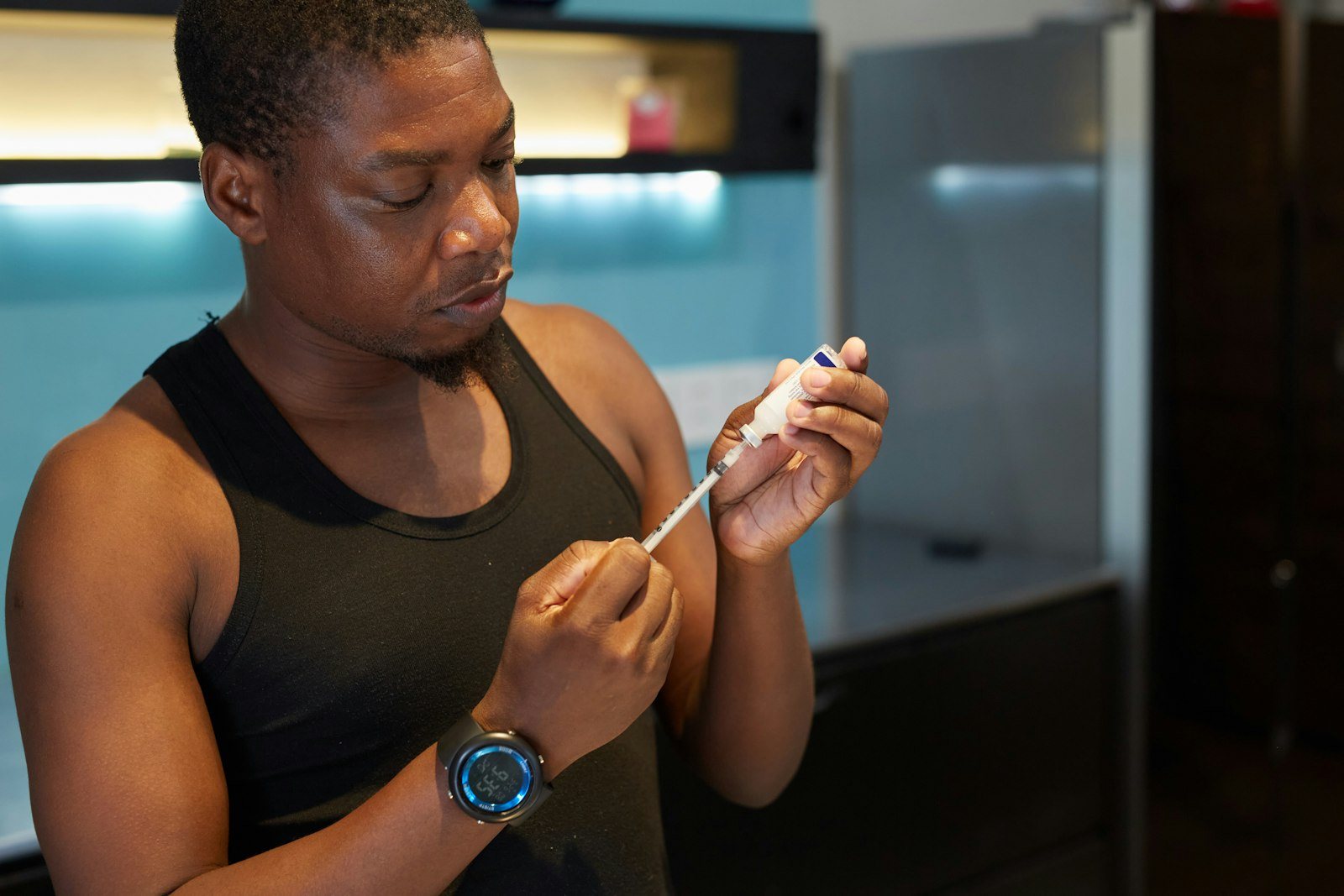
- Keep vaccinations current, using non-live vaccines; flu annually, and shingles matters particularly on JAK inhibitors
- Treat dental problems promptly rather than waiting them out
- Take food safety more seriously than you used to
- Tell any clinician treating you that you are on a biologic — it is not on every record
- Expect the drug to be paused during a significant infection, and resumed after
- Discuss travel in advance, because both vaccines and destinations may need planning; see travel vaccines
What the risk actually looks like in numbers
Precise figures vary by drug, by disease and by study, which is why this article describes shape rather than percentages. A few things are consistent across the evidence and worth holding onto.
- Serious infection is uncommon; most people on a biologic never have one
- The commonest problems are ordinary: chest infections, skin infections, urinary infections
- Risk is highest in the first months and falls as steroids come down
- Combining a biologic with steroids raises risk more than the biologic alone
- Age and other conditions influence the total more than the drug choice does
- Untreated active inflammatory disease carries its own infection risk, which is the comparison that matters
That last point is the one most often left out of the conversation. The alternative to treatment is not a neutral baseline.
Surgery, travel and dental work
Three situations come up repeatedly and are easier handled in advance than improvised.
- Planned surgery. Most biologics are paused around an operation, timed to the drug’s dosing interval. That is a joint decision between the surgeon and the prescriber, and it needs a few weeks of notice; see what to watch for after surgery
- Travel. Live vaccines are generally out, which affects yellow fever in particular. Raise it months ahead, not weeks; see travel vaccines and fever after travel
- Dental work. Routine treatment is fine and should not be delayed. An active dental infection is the thing to deal with before it becomes the problem described in when a dental infection spreads
The first months, and what settles
Infection risk is not evenly spread over time. It is generally highest in the first months of treatment, partly because that is when reactivation of a dormant infection happens, and partly because it often overlaps with the highest steroid doses.
It usually settles as the steroid comes down and the underlying disease comes under control. That is worth knowing at the start, when the list of precautions feels longest and most permanent.
What to watch for, and when to call
The general rule is that an infection on a biologic deserves a lower threshold and an earlier call than the same infection would otherwise.
- Fever, particularly with rigors or shaking chills
- A cough lasting more than a couple of weeks, or any weight loss or night sweats, which raises the question of tuberculosis
- A painful rash in a band on one side of the body, which is shingles and is time-critical
- Spreading redness or a wound that is not healing; see cellulitis
- Persistent thrush in the mouth or throat
- Any of the warning signs of sepsis
- Feeling unwell in a way you cannot explain, which on these drugs is worth acting on
None of this means the drug is the wrong choice. Untreated inflammatory disease carries its own infection risk, and for most people the balance favors treatment clearly. It means the monitoring exists for a reason. You can reach us through the contact page.
Frequently asked questions
How much does a biologic increase infection risk?
Modestly for most serious infections, and more for specific ones tied to the drug family — tuberculosis reactivation with TNF inhibitors, shingles with JAK inhibitors. Untreated active disease carries risk too, which is part of the comparison.
Why do I need a TB test before starting?
Because TNF inhibitors in particular can reactivate dormant tuberculosis, sometimes in unusual sites. Finding and treating latent infection first prevents that, and it is one of the clearest wins in the whole screening process.
Do I stop my biologic when I get an infection?
Usually it is paused during a significant infection and restarted after recovery. Do not stop it permanently on your own; ask the team that prescribes it, because stopping and restarting has its own consequences.
Can I have vaccines on a biologic?
Non-live vaccines, yes, and they are recommended. Live vaccines are generally avoided, which is why vaccination is brought up to date before starting where possible.
My CRP is normal. Does that mean no infection?
Be careful with that on IL-6 blocking drugs, which suppress CRP directly. A normal value on those medicines is not reassuring, and symptoms matter more than the number.
Sources and further reading: Arthritis Foundation — Biologic drugs for arthritis.
This article is general health information, not medical advice, and it cannot account for your own history or medications. Discuss your situation with a qualified clinician before acting on anything you read here.