
Food safety advice is easy to tune out. Most of it is aimed at everyone, most people ignore most of it, and most people are fine. That calculation changes when your immune system is suppressed.
The organisms involved are the same ones everybody encounters. What differs is the outcome: an infection that would give someone else two unpleasant days can put you in hospital. The precautions are worth taking properly, and they are not as restrictive as people fear.
Who this actually applies to
- People on chemotherapy or radiotherapy; see infections during cancer treatment
- Transplant recipients, on lifelong immune suppression
- Anyone on a biologic, long-term steroids or other immune-suppressing medication
- People with advanced HIV or a low CD4 count
- Anyone without a working spleen
- Pregnancy, which is a special case for listeria in particular; see infections and vaccines in pregnancy
- Older adults, where the effect is milder but real; see infections in older adults
If you are unsure whether your treatment counts, ask. The answer varies by drug and by dose, and guessing in either direction is unhelpful.
The foods worth thinking about
| Food | Why it matters | What to do instead |
|---|---|---|
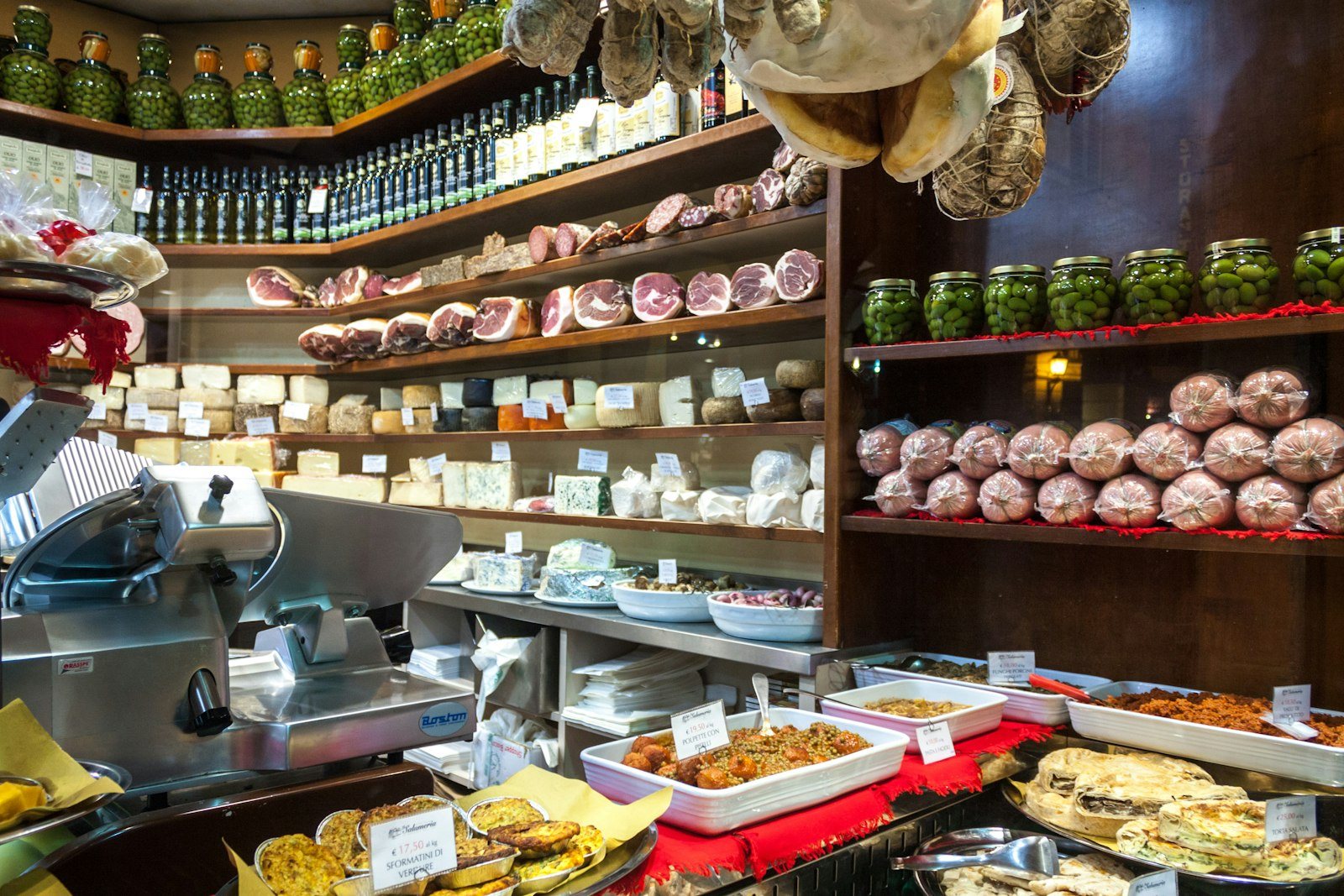
| Deli meats and hot dogs | Listeria grows at refrigerator temperatures | Heat until steaming before eating |
| Soft cheeses from unpasteurized milk | Listeria and others survive in them | Choose pasteurized; hard cheeses are lower risk |
| Raw or undercooked eggs | Salmonella | Cook until firm; use pasteurized egg for raw preparations |
| Raw or rare meat and poultry | Salmonella, campylobacter, E. coli | Cook to a measured temperature |
| Raw fish and shellfish | Vibrio, norovirus, hepatitis A | Cook it; see hepatitis A |
| Unpasteurized milk and juice | Several organisms at once | Pasteurized versions of both |
| Raw sprouts | The sprouting conditions suit bacteria | Cook thoroughly, or skip them |
Notice what is not on that list. Fresh fruit and vegetables, cooked food, bread, pasteurized dairy and almost everything else is fine, washed and handled normally. The restrictions are narrower than most people assume when they first hear them.
Temperature, not color
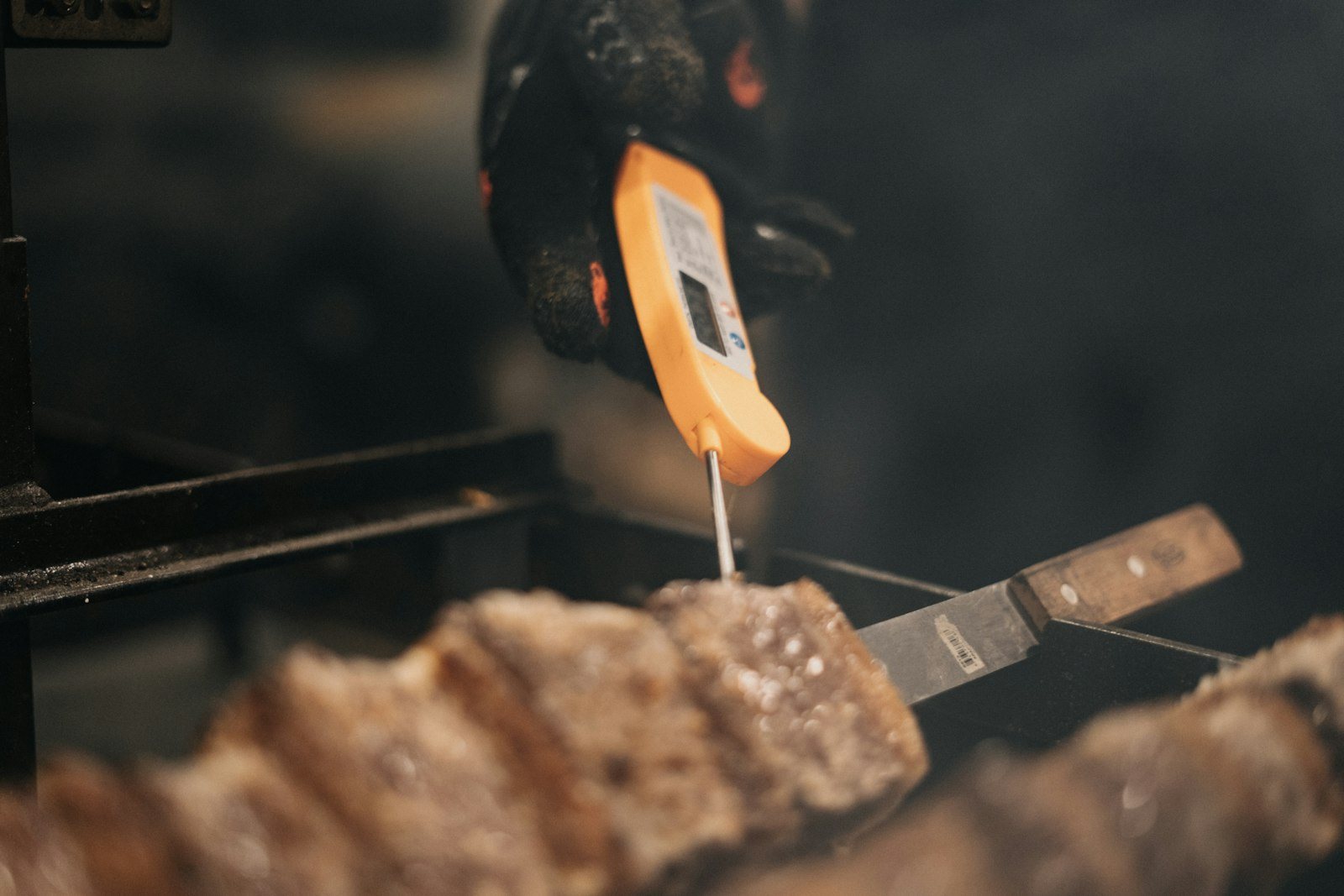
Meat can look done and not be, and can look pink and be perfectly safe. A twenty-dollar probe thermometer settles it, and it is the single most useful thing to buy off the back of this article.
- Poultry, whole or ground, to 165°F
- Ground meats other than poultry to 160°F
- Whole cuts of beef, pork and lamb to 145°F, then rested three minutes
- Leftovers and takeout reheated to 165°F, steaming throughout
- Deli meats heated to steaming rather than eaten cold
- Check in the thickest part, away from bone
The four rules that do most of the work
The general food safety advice is not different for you; it simply matters more. Four practices carry most of the benefit.
- Clean. Hands for twenty seconds before and after handling food. Wash produce under running water, including things you peel.
- Separate. Raw meat away from everything else, with its own board and its own plate. Never return cooked food to the plate the raw meat was on.
- Cook. To a measured temperature, not to an appearance.
- Chill. Refrigerate within two hours, one hour if it is above 90°F outside. Thaw in the refrigerator, not on the counter.
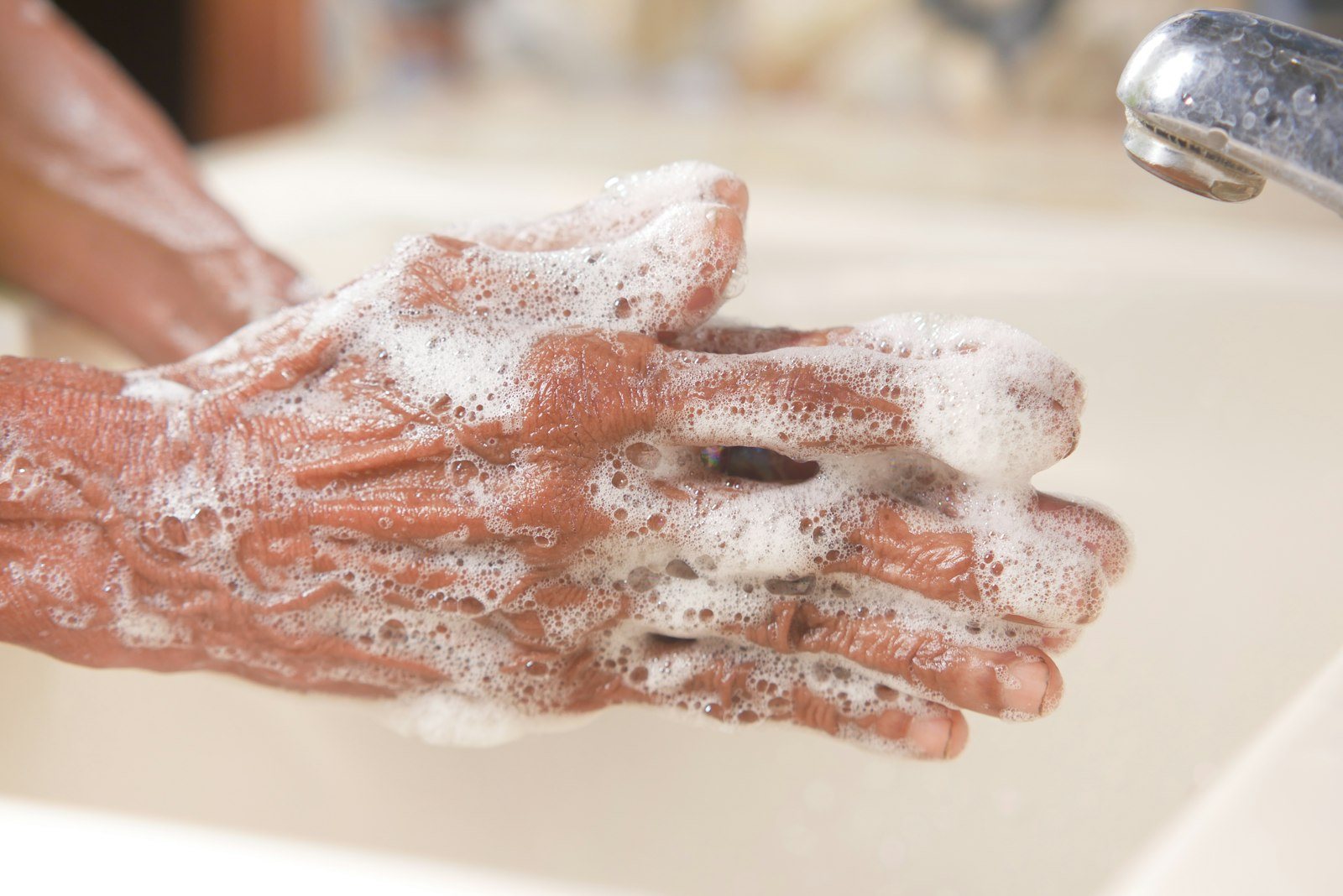
Hand washing is the one that carries most of the benefit, and it is the one most often done too briefly. Twenty seconds with soap, including between the fingers and under the nails.
The refrigerator, and leftovers
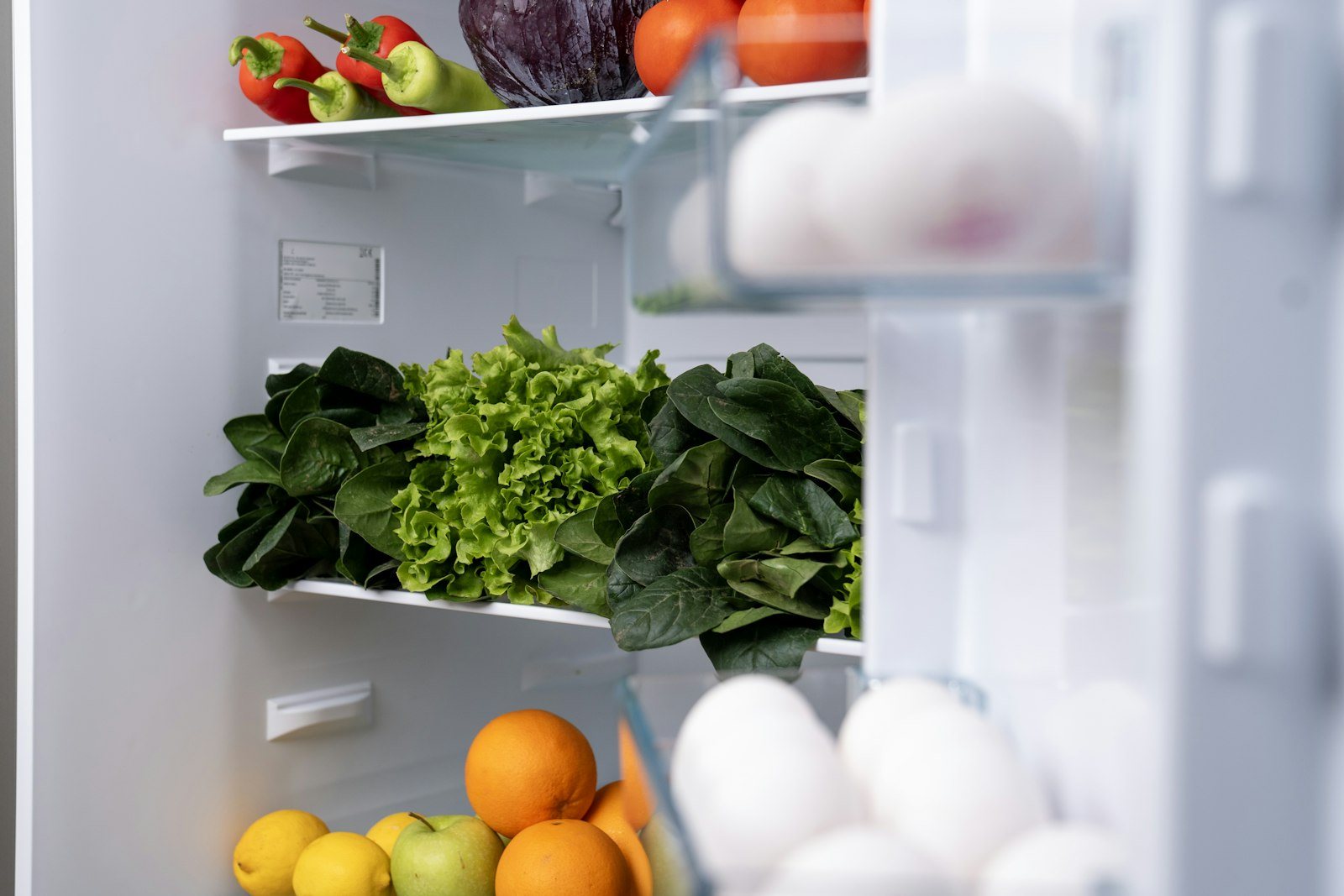
- Keep the refrigerator at or below 40°F and the freezer at 0°F — use a thermometer rather than trusting the dial
- Store raw meat on the bottom shelf so nothing drips onto food below
- Eat leftovers within three to four days, and reheat to steaming
- When in doubt, throw it out; the cost of being wrong is asymmetric here
- Do not rely on smell — listeria and salmonella do not change how food smells
- Clean the refrigerator regularly, including spills, since listeria persists on surfaces
Water, ice and drinks
Tap water in the United States is safe for almost everyone, including most people who are immunosuppressed. The exceptions are narrow and worth knowing rather than worrying about.
- Well water is not routinely treated, and is worth testing if you rely on it
- During a boil-water notice, follow it strictly rather than approximately
- Ice from machines in unfamiliar places is worth skipping, since it is handled
- Unpasteurized juice and cider are the drinks equivalent of raw milk
- Filters marked for cyst removal help against cryptosporidium, which matters most at very low immunity
- Bottled water is unnecessary at home for most people; ask if you are unsure about your own level of risk
If you are cooking for someone else
Households usually adapt around one person, and it is easier than expected. The higher-risk items are a short list, so the practical approach is to cook one meal for everyone and keep those few things separate rather than running two kitchens.
The one thing worth being firm about is leftovers. Food that has been out on a table during a long meal, then refrigerated, then eaten cold two days later, is where most domestic problems begin.
Eating out, and the rest of life
None of this means never eating out. It means a few adjustments that are easy to make without announcing them: avoid buffets and salad bars where food sits out, skip raw preparations, ask for meat cooked through, and be more cautious with food from places you do not know.
Water is worth a thought if you are travelling — our article on fever after international travel covers the wider picture, and norovirus and food poisoning covers what an ordinary episode looks like.
And if you do develop diarrhea, fever or vomiting while immunosuppressed, that is a call rather than a wait-and-see. Our articles on sepsis warning signs and vaccines when your immune system is suppressed cover the surrounding ground, and you can reach us through the contact page.
Frequently asked questions
Do I have to avoid all these foods forever?
Usually not. The precautions apply while your immune system is suppressed, and for many people that is a defined period. Ask how long your own situation lasts rather than assuming it is permanent.
Is takeout safe?
Reasonably, if it arrives hot and is eaten promptly or reheated to steaming. The higher risk is food that has sat at room temperature, which is why buffets and salad bars are the ones worth avoiding.
Can I eat fruit and salad?
Yes. Wash it thoroughly under running water, including produce you peel, because cutting through an unwashed skin carries bacteria inward. Raw sprouts are the exception.
Why do deli meats keep appearing on these lists?
Because listeria grows at refrigerator temperatures, which almost nothing else does. That makes ready-to-eat chilled foods unusual, and heating them until steaming removes the risk.
I ate something I should not have. What now?
Do not panic, and do watch. Most exposures cause nothing. Fever, diarrhea or vomiting in the following days is a reason to call rather than to wait, because the threshold for being seen is lower when you are immunosuppressed.
Sources and further reading: Partnership for Food Safety Education — Four food safety practices.
This article is general health information, not medical advice, and it cannot account for your own history or medications. Discuss your situation with a qualified clinician before acting on anything you read here.