
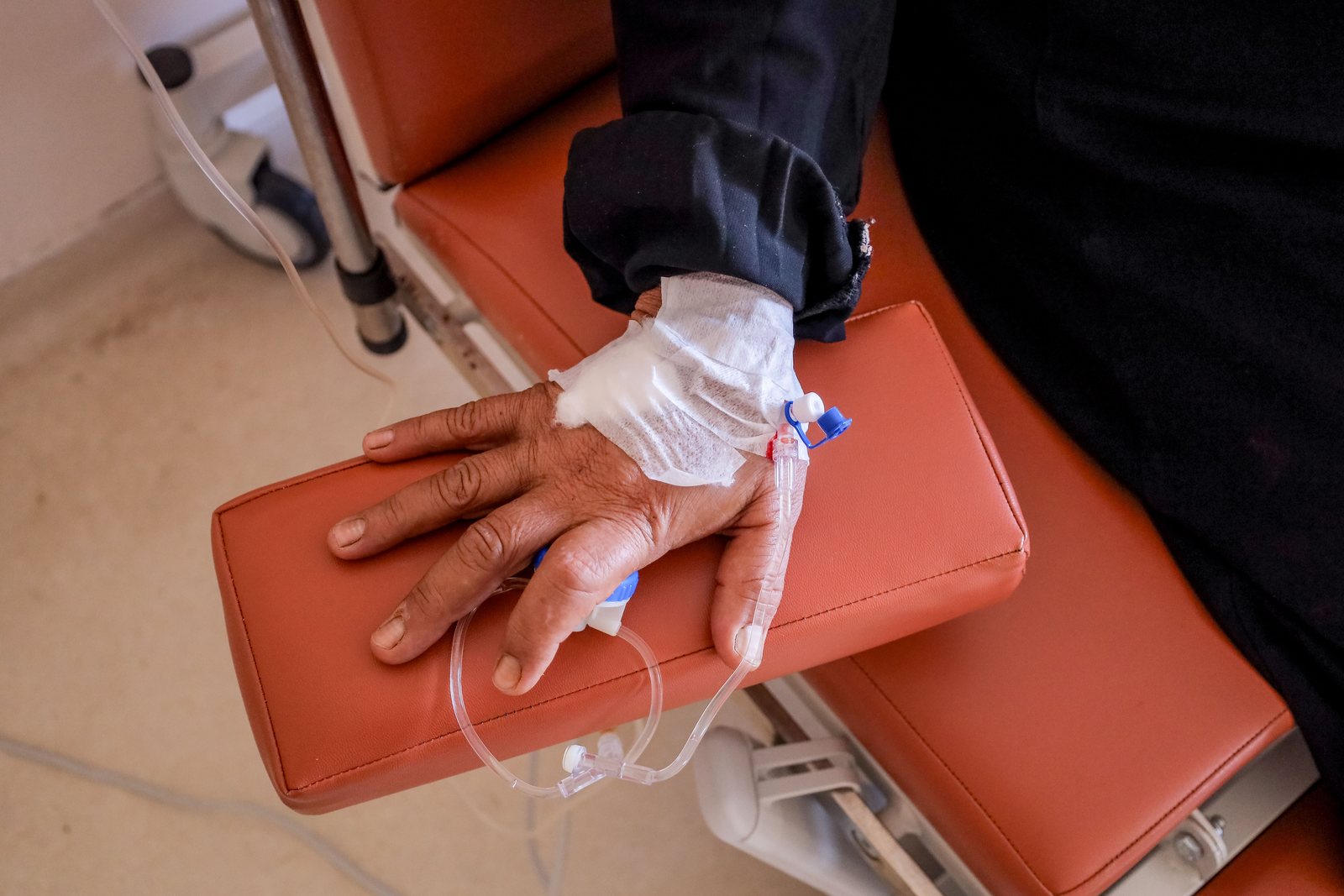
Some infections need intravenous antibiotics for weeks rather than days. For a long time that meant staying in hospital for the whole course, even once the patient felt entirely well and had nothing else keeping them there.
Outpatient parenteral antimicrobial therapy, usually shortened to OPAT, changed that. It lets people finish intravenous treatment while living at home, sleeping in their own bed and often continuing to work.
If you have just been told you are going home on intravenous antibiotics, here is what the next few weeks generally involve.
What OPAT actually is
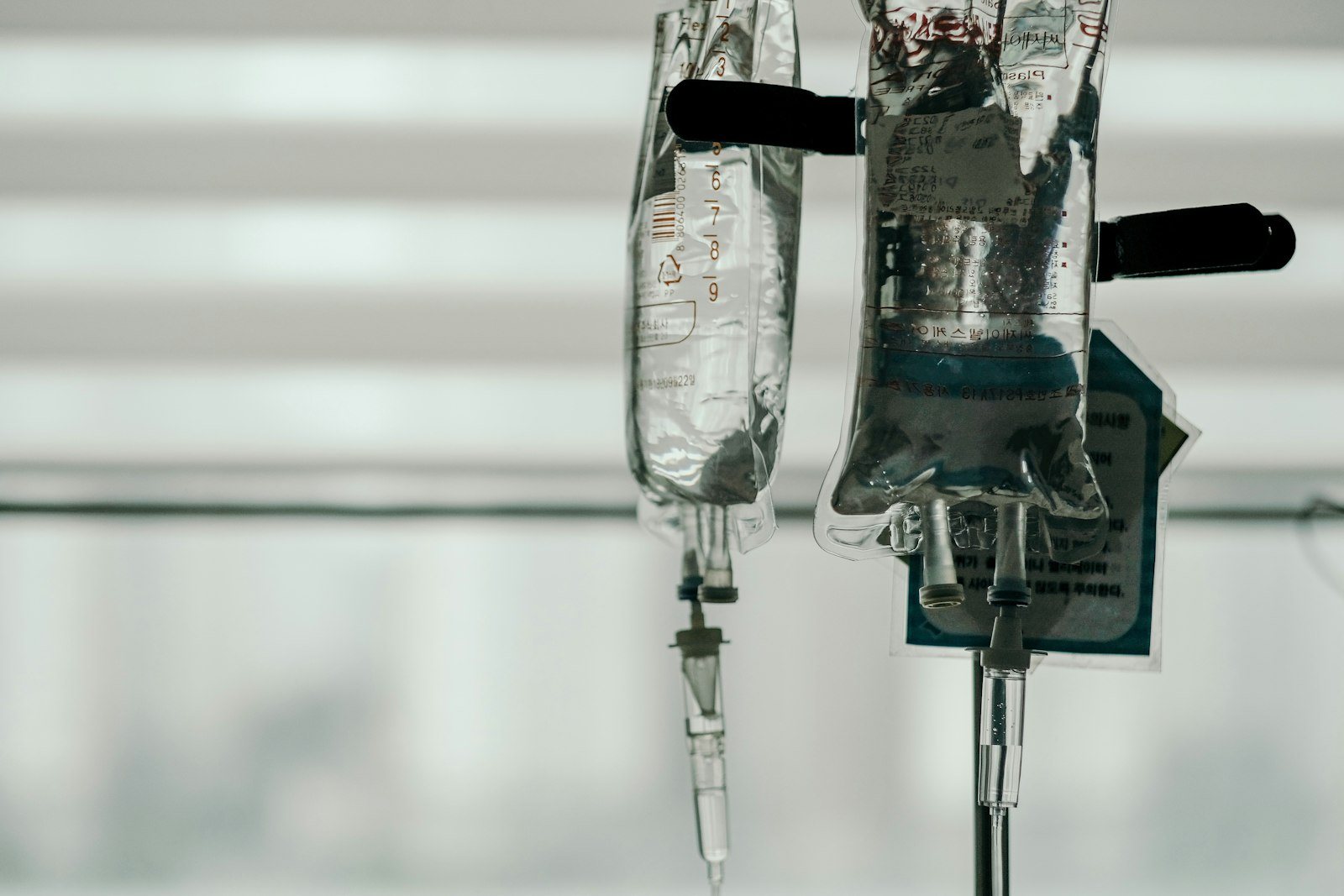
OPAT is the delivery of intravenous antimicrobial treatment outside a hospital admission. The drug, the dose and the duration are the same as they would be on a ward. What changes is where you receive it and who supervises the day-to-day mechanics.
The therapy runs through a long-term intravenous catheter rather than a standard cannula, because ordinary lines are not designed to stay in for weeks. Doses may be given once daily, several times a day, or continuously through a small portable pump.
The shift out of hospital is not simply a matter of convenience. Every additional inpatient day carries its own exposures, and people generally sleep, eat and move better at home. Those things matter to recovery more than they are usually given credit for.
A specialist team stays involved throughout. Someone is responsible for reviewing your blood tests, adjusting the plan if the organism or your kidney function shifts, and deciding when treatment can stop.
Which infections are treated this way
OPAT suits infections that need prolonged intravenous therapy in a patient who is otherwise stable. Common examples include:
- Bone and joint infections, including osteomyelitis and prosthetic joint infection
- Endocarditis, once the patient is stable and past the highest-risk early period
- Complicated skin and soft tissue infections, often managed alongside specialist wound care
- Complicated urinary tract infections caused by resistant organisms
- Intra-abdominal infections after drainage
- Some central nervous system infections
The decision is not made on diagnosis alone. Your clinical stability, home circumstances, and whether the drug is suitable for outpatient dosing all feed into it. That assessment is one of the things an infectious disease physician is asked to make.
Where treatment happens
OPAT is not a single model. There are several delivery routes, and the right one depends on the drug, your confidence, and how much support is available at home.
| Model | How it works | Suits |
|---|---|---|
| Office infusion center | You attend a clinic for each dose and leave once it has run through | Drugs needing observation, or patients who prefer clinical supervision |
| Visiting nurse at home | A nurse comes to you to give the dose and check the line | Patients who cannot travel easily or are not self-administering |
| Self-administration at home | You are trained to give your own doses, with scheduled clinic reviews | Confident patients on stable, well-tolerated regimens |
| Continuous ambulatory pump | A small portable pump delivers the drug over 24 hours | Drugs that need continuous infusion rather than intermittent dosing |
| Remaining an inpatient | Treatment continues on the ward | Patients who are unstable, or whose regimen needs close monitoring |
Many patients move between models during a course. Starting at an office infusion center and shifting to self-administration once you are comfortable with the routine is a common pattern.
The line, and looking after it
Most OPAT courses run through a peripherally inserted central catheter, a midline, or a tunnelled line. Which one you get depends on the drug and the expected duration.
The line is the part that needs the most attention from you. Keep the dressing clean and dry, cover it properly for showering, and avoid heavy lifting or swimming with the arm unless you have been told otherwise.
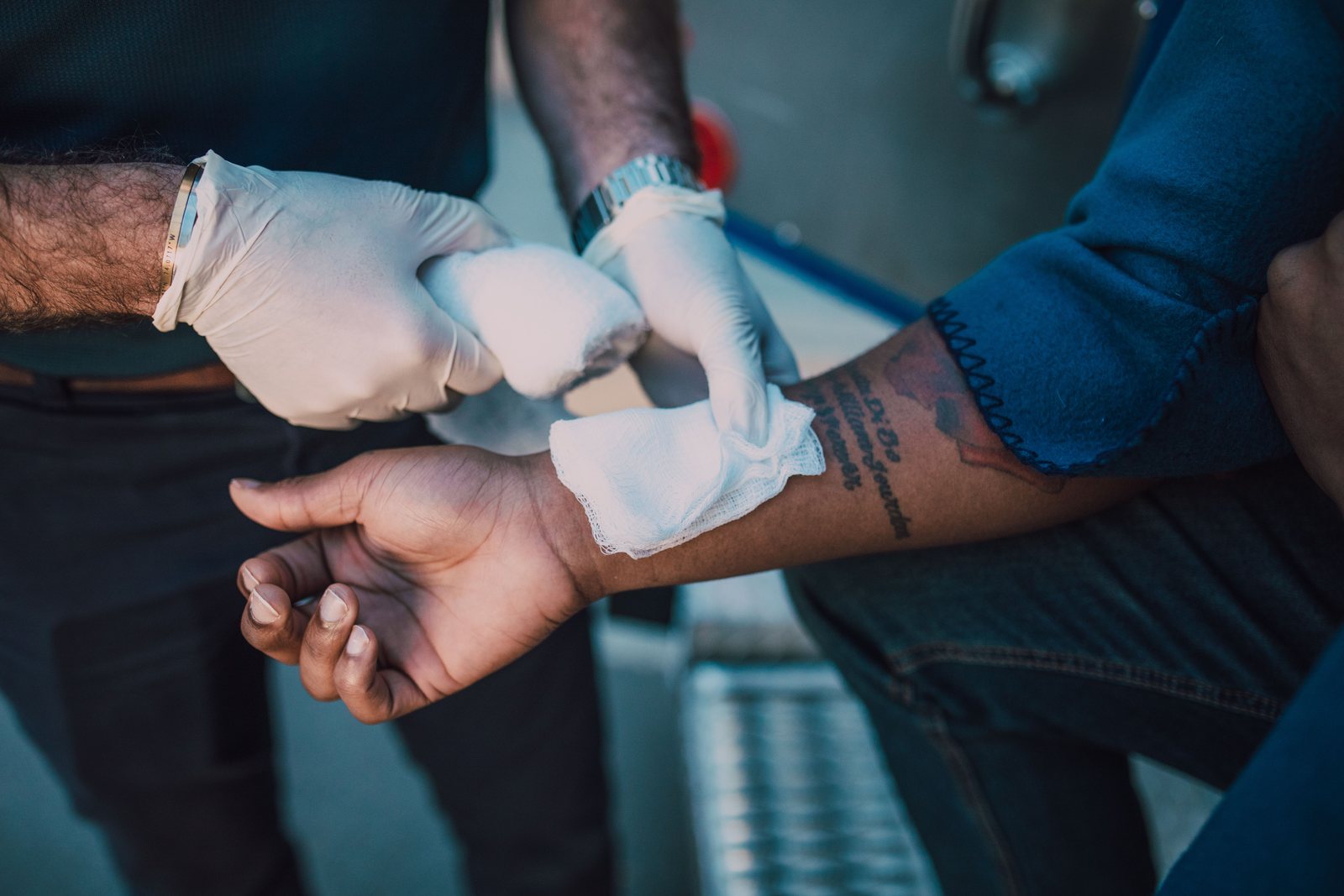
Your team will show you what a healthy exit site looks like before you go home. Knowing the normal appearance is what makes an abnormal one obvious.
Monitoring while you are on therapy
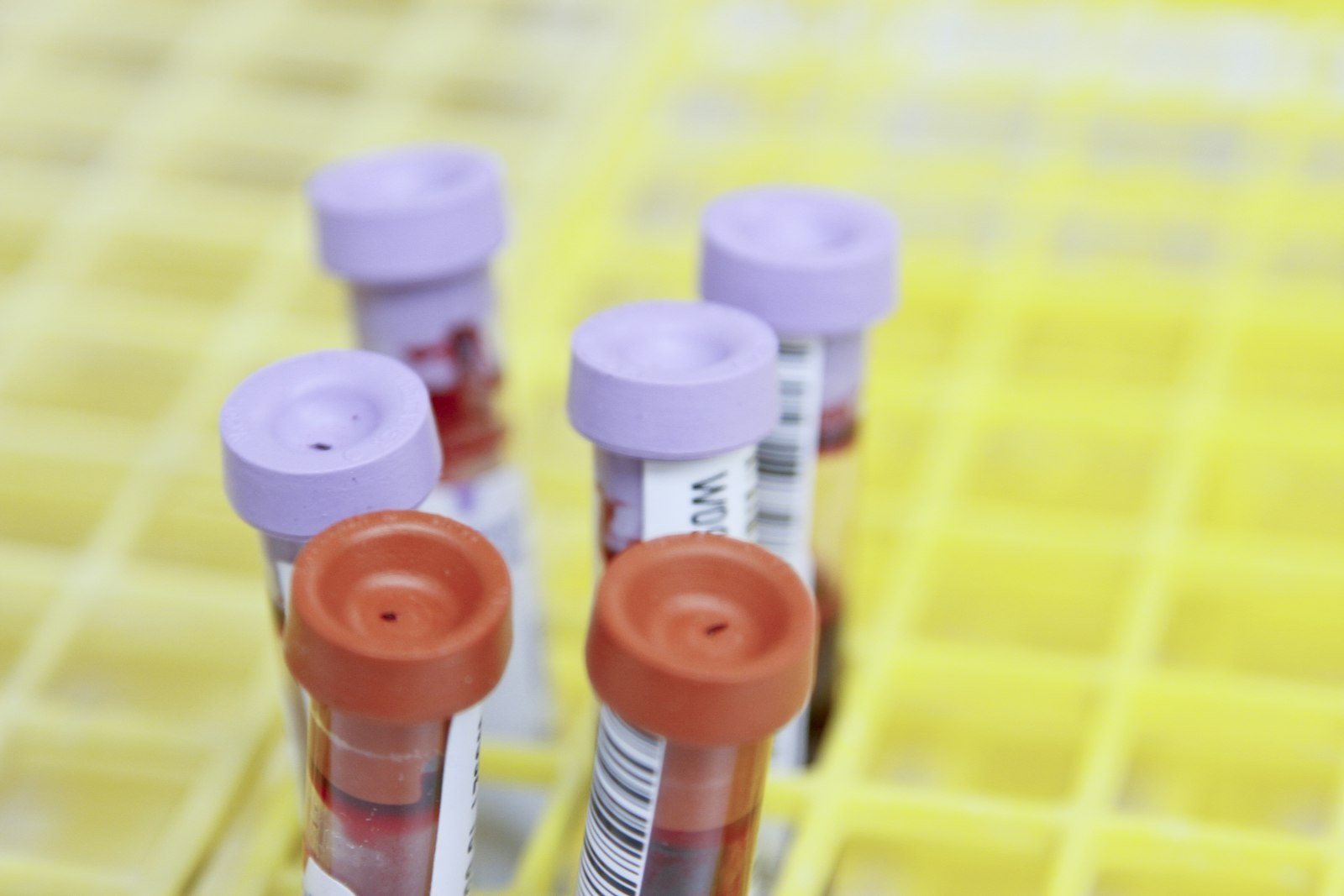
Regular blood tests are a standard part of OPAT rather than a sign that something is wrong. Prolonged courses of intravenous antimicrobials can affect kidney function, liver enzymes and blood counts, and some drugs need levels checked to stay in the effective range.
Expect at least weekly laboratory monitoring for most regimens, plus a clinical review to confirm the infection is responding. Results are usually available to you through the patient portal.
When to call, and when not to wait
Most OPAT courses run without incident. A few situations need prompt attention, and it is worth knowing them before you need them.
- Fever or chills, particularly if they start soon after a dose
- Redness, swelling, warmth, pain or discharge at the catheter site
- The line leaking, cracking, moving outward or refusing to flush
- A new rash, itching, wheeze or facial swelling
- Worsening of the symptoms the treatment is meant to be resolving
Fever with chills during or shortly after an infusion can indicate a line infection and should be assessed the same day rather than at your next scheduled visit.
Everyday life on OPAT
Many people continue working, especially on once-daily regimens or a portable pump. Others find the schedule tiring, particularly early on, and the underlying infection itself often accounts for more of the fatigue than the treatment does.

Practical things help. Keep supplies in one place, set alarms for dose times, keep a written record of doses given, and have your team contact numbers somewhere you can find them quickly.
Plan around the line rather than around the illness. Baths, swimming and contact sports are usually out; most other activities are not.
Tell your employer what you need rather than what you have. Most OPAT schedules can be built around a working day, but they are much harder to rearrange at short notice than they are to plan for at the start.
Travel is the one thing worth raising early. Being away from your monitoring team mid-course is a genuine complication, and if a trip is unavoidable it needs to be discussed with the clinicians listed on the provider profiles page before you book anything.
Frequently asked questions
Is outpatient IV therapy as effective as staying in hospital?
For appropriately selected patients, the antibiotic course is identical — the same drug, dose and duration. What differs is the setting. Selection and monitoring are what make it work, which is why the decision is made by a specialist team rather than automatically.
How long does a course usually last?
It depends on the infection. Two weeks is common for some complicated infections, while bone, joint and cardiac infections often need six weeks or more. Your team will give you an end date, though it can shift if results change.
Can I shower with the line in?
Usually yes, with the dressing covered by a waterproof protector. Submerging the line — baths, swimming pools, hot tubs — is not advised. Ask your team for their specific instructions, because they vary by line type.
What happens if a dose is missed or late?
Do not double up. Contact your team for instructions, and note the time of the missed dose. A single late dose is rarely a crisis, but the pattern matters and they need to know about it.
What happens when treatment finishes?
The line is removed, usually at a short appointment, and you will normally have a follow-up review to confirm the infection has resolved. Some conditions need imaging or blood tests for a period afterwards.
If treatment has been recommended for you, the patient guide explains what to expect administratively, and the contact page lists how to reach the practice.
Sources and further reading: IDSA 2018 OPAT clinical practice guideline.
This article is general health information, not medical advice, and it cannot account for your own history or medications. Discuss your situation with a qualified clinician before acting on anything you read here.