
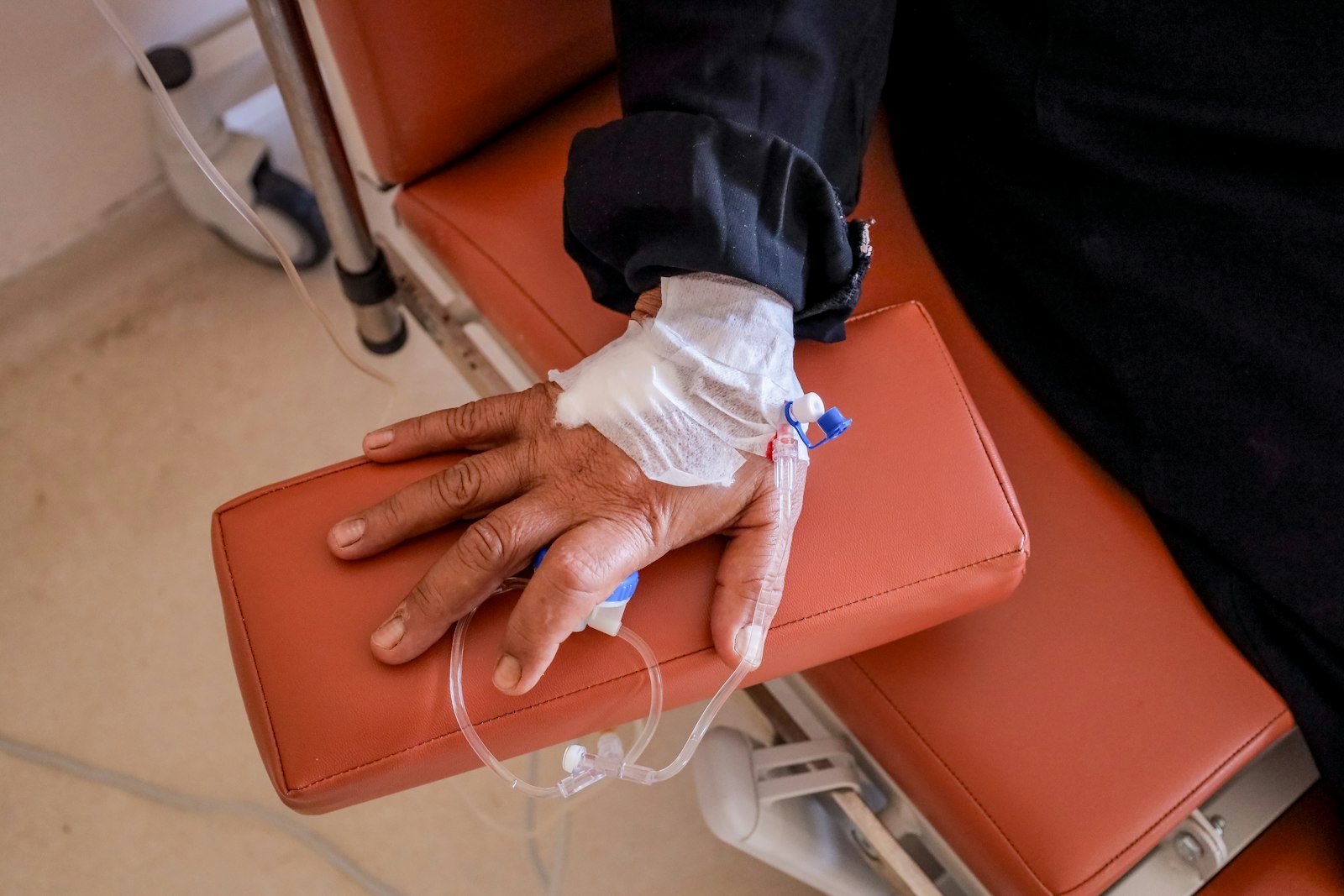
Most people booked for their first infusion have never had one, and the word suggests something more dramatic than it is. In practice it is a long, dull appointment in a comfortable chair, and the main thing people say afterwards is that they wish they had brought something to do.
This is what the visit actually involves, start to finish.
Why an infusion rather than tablets
Some antibiotics are simply not absorbed from the gut, so there is no tablet version. Others are absorbed but cannot reach the necessary concentration at a difficult site like bone or a heart valve. Both reasons are about getting enough drug to the right place, which is the same logic behind why some courses run for weeks.
Infusion is also used for a great deal that is not antibiotics — immune therapies, iron, fluids. If you are having one for something else, most of what follows still applies.
The other common reason is that the infection is one where oral treatment has been tried and has not held. Recurrent or deep-seated infections — bone and joint, heart valve, or an infected joint replacement — are treated intravenously from the start for that reason rather than as an escalation.
Before you come
- Eat beforehand. Infusions are not fasting appointments unless you were told otherwise, and sitting for hours on an empty stomach is unpleasant.
- Drink plenty of water the day before and that morning — well-hydrated veins are easier to find, which makes the needle part quicker.
- Wear short sleeves, or sleeves that roll up easily above the elbow.
- Bring your current medication list, including anything over the counter.
- Bring something to do, and a charger. Bring a jacket; treatment rooms run cold.
- Ask in advance how long the first visit will take, because it is usually the longest.
Tell the team about any previous reaction to any infusion or antibiotic before they start, even if you think it is on file, and even if it was years ago and mild. It changes how closely you are watched and sometimes what is used.
Getting the line in
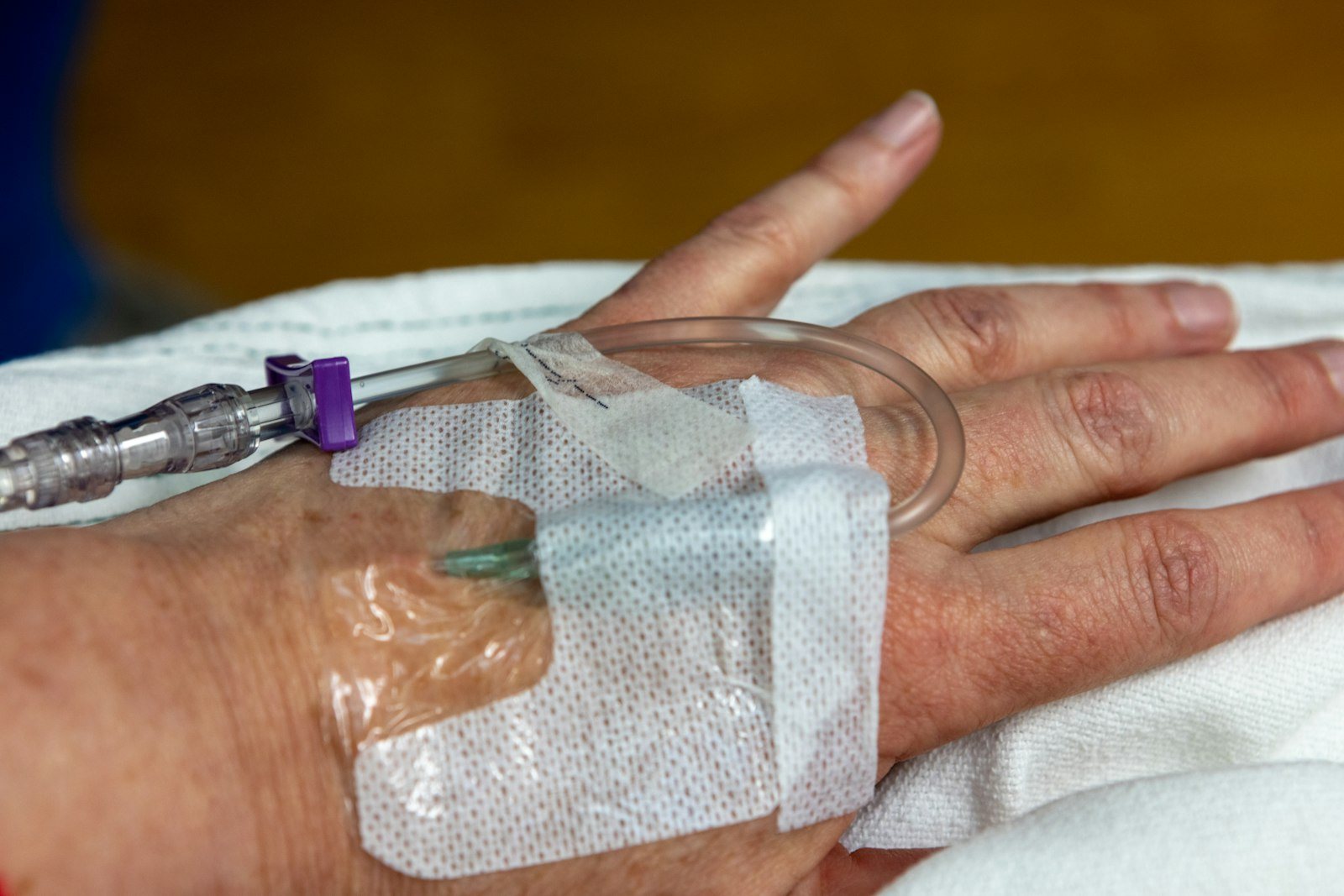
For a one-off or short course, a cannula goes into a vein in your hand or arm, is used, and comes out before you go home. It is the same as having blood taken, held in place with a dressing.
For a course running weeks, a longer-term line is usually placed instead — often a PICC line, threaded from a vein in the upper arm to a larger vein near the heart. It stays in for the duration, which spares your veins and makes each visit quicker. Our article on outpatient IV antibiotics covers living with one, including keeping it dry and what to watch for.
| Cannula in the hand or arm | PICC or other long-term line | |
|---|---|---|
| Used for | A single dose or a few days | Courses running weeks |
| Placed | At each visit, in a few minutes | Once, as a short procedure with imaging to confirm position |
| Comes out | Before you go home each time | At the end of the course |
| Each visit | Includes finding a vein again | Quicker; the line is simply connected |
| At home | Nothing to look after | Kept dry and covered; dressing changes |
| Watch for | Pain or swelling at the site | Redness, swelling or fever, which need same-day advice |
Which one you get is decided by how long the course will run, not by how ill you are. Nobody has a PICC line placed for a single dose.
During the visit
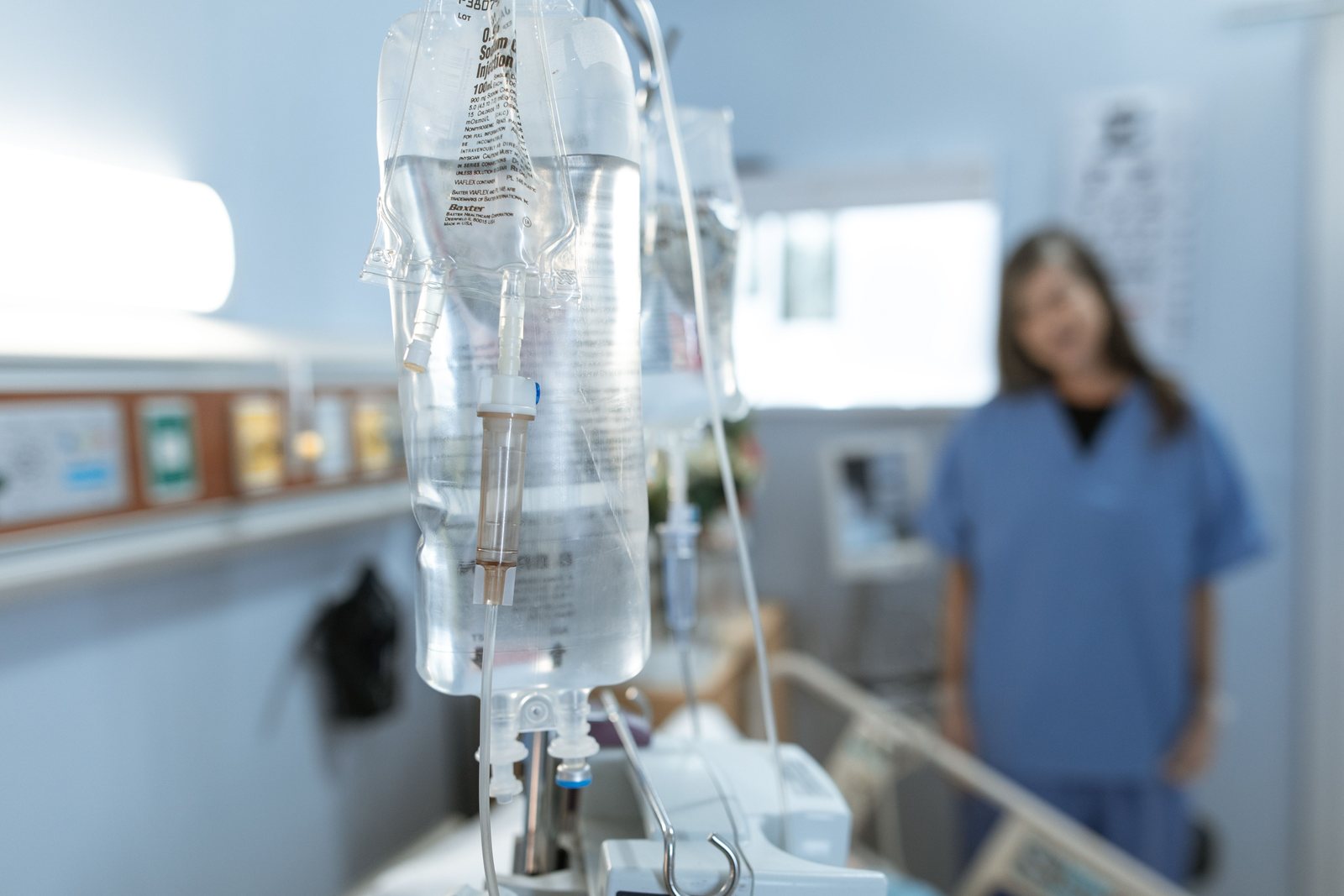
Your observations are checked, the drug is prepared, and the infusion is started, usually running through a pump at a controlled rate. Then you sit. Depending on the drug this is anywhere from thirty minutes to several hours.
- You can read, work, use a laptop, sleep, or talk
- You can usually eat and drink during it
- You can go to the bathroom — the pump comes with you on a stand
- A nurse will check on you periodically and record observations
- The first dose is often watched more closely than later ones
Tell the nurse straight away about anything that feels off — itching, flushing, a tight chest, a strange taste, or pain at the drip site. Most of these are minor and settle by slowing the rate down. All of them are easier to manage early.
People frequently ask whether they can bring someone. Usually yes, and for a first visit it is worth it — an infusion is a long, quiet appointment and the company helps more than the practical assistance does.
Side effects, and the ones that matter
Most infusions are uneventful. The common complaints are a cool sensation up the arm, a metallic taste, mild nausea, or tenderness at the drip site.
- Pain, swelling or redness at the drip site, which may mean the cannula needs resiting
- Itching, a rash or flushing, which can indicate a reaction
- Tightness in the chest or throat, or difficulty breathing — tell someone at once
- Fever or chills during or shortly after the infusion
- Diarrhea developing during or after a course; see C. difficile after antibiotics
- Redness spreading from the line site between visits, which needs same-day advice
A recorded penicillin allergy is worth resolving before a long course rather than during one, because it often forces a second-choice drug with more side effects.
Afterwards, and the rhythm of a course
After a first infusion you may be watched for a short period, then you go home. You can usually drive yourself unless you were given something sedating or told otherwise.
A long course settles into a rhythm quickly: same chair, same staff, blood tests at intervals to check kidney function and blood counts, and periodic review of whether the treatment is working. Those blood tests are why courses are safe to run for weeks.
The practice has its own office infusion center, so treatment that would otherwise mean a hospital visit happens here. You can reach us through the contact page.
Frequently asked questions
How long does an infusion take?
Anywhere from about thirty minutes to several hours depending on the drug. The first visit is usually the longest, because of the paperwork, the line and a period of closer observation. Ask in advance so you can plan the day.
Does it hurt?
The needle going in feels like having blood taken. The infusion itself should not hurt. Pain at the site during the infusion is worth mentioning straight away, because it usually means the cannula needs repositioning.
Can I drive myself home?
Usually yes, unless you were given something sedating or advised otherwise. For a first infusion of a new drug it is worth asking beforehand rather than assuming.
Can I eat and drink during it?
Almost always, and you should eat beforehand. Infusions are not fasting appointments unless you were specifically told to fast.
Will I need a line in my arm for weeks?
Only for longer courses. Short courses use a cannula placed and removed each visit. Courses running weeks usually use a PICC line, which spares your veins and makes each visit faster.
Sources and further reading: National Home Infusion Association — What is home infusion therapy?.
This article is general health information, not medical advice, and it cannot account for your own history or medications. Discuss your situation with a qualified clinician before acting on anything you read here.