

Most urinary tract infections stay in the bladder. They are uncomfortable, they respond to a short course of antibiotics, and they are over within days.
Sometimes bacteria travel upward from the bladder to one or both kidneys. That is pyelonephritis, and it is a different illness in seriousness rather than in degree.
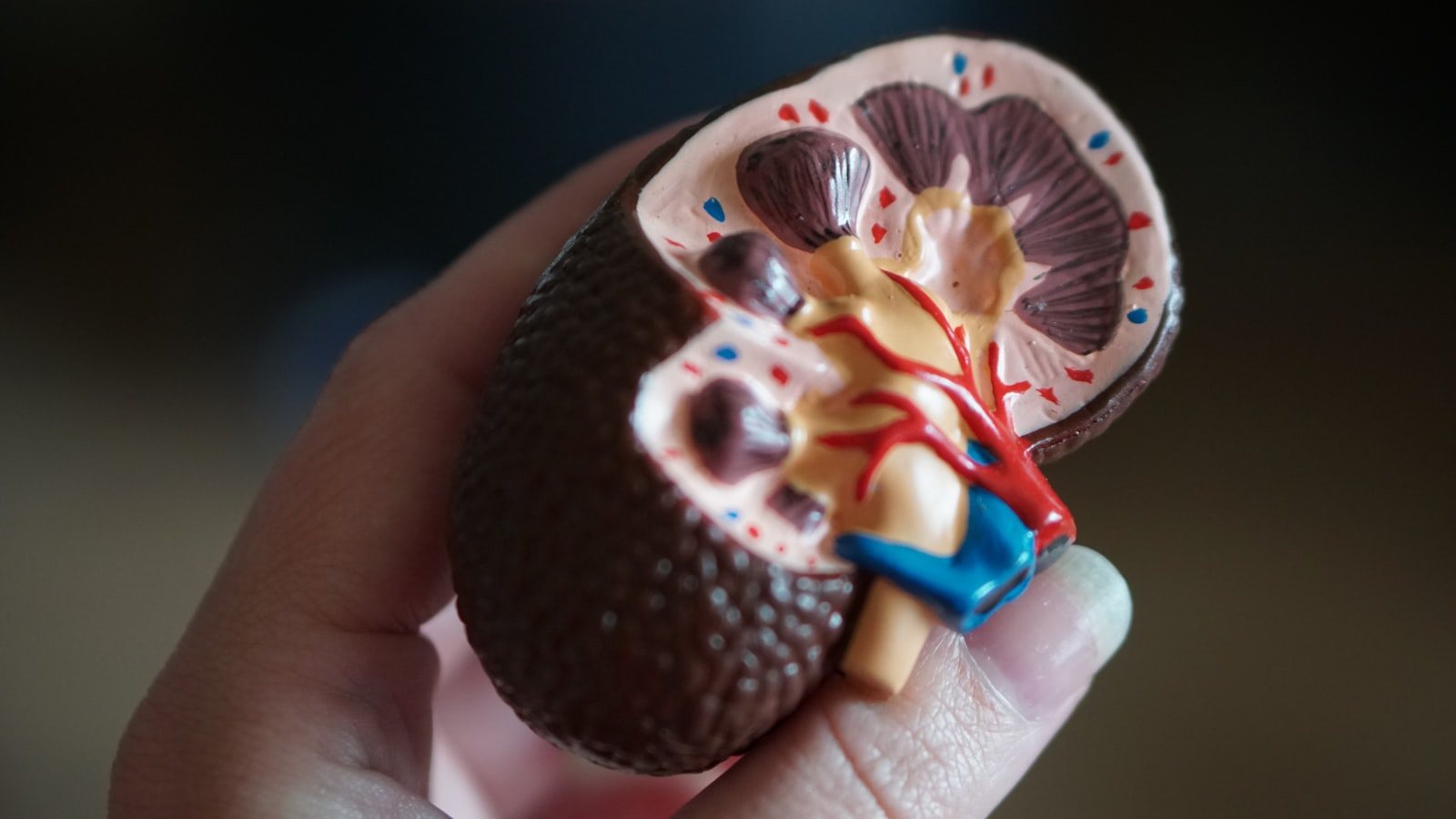
What changes when it moves up
A bladder infection is largely local: burning, urgency, frequency, discomfort low down. You feel irritated rather than ill.
A kidney infection makes you systemically unwell. Fever, chills, nausea and pain in the back or side arrive, often within hours, and the whole body is involved.
| Bladder infection | Kidney infection | |
|---|---|---|
| Where the pain is | Low down, above the pubic bone | Back or side, below the ribs |
| Fever | Usually none | Common, often with shaking chills |
| Nausea and vomiting | Unusual | Common |
| How you feel overall | Uncomfortable but well | Genuinely unwell |
| Onset | Gradual over a day or two | Often rapid, over hours |
| Typical treatment | Short oral antibiotic course | Longer course; sometimes hospital care |
The practical rule is simple. Urinary symptoms plus fever, chills, back pain, nausea or vomiting means being assessed the same day rather than waiting.
Timing is the other difference. Bladder symptoms build gradually over a day or two; a kidney infection often declares itself within hours, and people can usually name the point at which they went from uncomfortable to genuinely ill.
The symptoms to act on
- Fever, often with shaking chills
- Pain in the back or side, usually on one side, below the ribs
- Nausea or vomiting
- Burning on passing urine, urgency or frequency
- Cloudy, bloody or strong-smelling urine
- Feeling suddenly and unusually unwell
- Confusion, particularly in older adults
Urinary symptoms combined with fever, back or flank pain, nausea or vomiting need same-day assessment. Untreated kidney infection can damage the kidneys and is a common route to sepsis.
One reassurance: a kidney infection caught early and treated promptly usually resolves completely, with no lasting effect on kidney function. The urgency is about acting quickly, not about the outlook once treatment starts.
Who is more likely to get one
- Anyone with recurrent bladder infections, covered in our article on recurrent urinary tract infections
- People with kidney stones or any obstruction to urine flow
- People with an indwelling urinary catheter
- Anyone whose bladder does not empty completely
- People with diabetes, or a suppressed immune system
- Pregnant people, in whom the urinary tract changes shape and drains less freely
- Men with prostate enlargement
In older adults the presentation is often atypical. Confusion, unsteadiness or a fall may appear before any urinary symptom, and fever may be absent entirely.
Men deserve a specific note. Urinary infection is much less common in men, and when it occurs it is more likely to reflect an underlying cause such as prostate enlargement or obstruction. It is generally investigated rather than simply treated.
How it is diagnosed and treated
Assessment involves a urine sample for testing and culture, blood tests where you are unwell, and sometimes imaging to look for stones or obstruction.

The culture matters more here than in a simple bladder infection. Treatment usually starts before results are back, and being able to narrow it afterwards is what keeps the course effective and limits unnecessary broad-spectrum antibiotic use.
Most people are treated at home with oral antibiotics for one to two weeks. Hospital treatment with intravenous antibiotics and fluids is needed when someone cannot keep fluids down, is severely unwell, is pregnant, or has an obstruction.
What recovery looks like
Fever and chills usually settle within 48 to 72 hours of effective treatment. Flank pain and general fatigue take longer, often a week or two, and tiredness can persist beyond that.
Drink enough to keep urine pale, complete the whole course even once you feel well, and attend any follow-up urine test arranged for you. A repeat sample is sometimes checked afterwards, particularly in pregnancy or where there were complications.
If infections keep returning after a kidney infection, that pattern deserves proper investigation rather than repeated courses, as set out in our article on recurrent urinary tract infections.
When it does not settle
You should feel meaningfully better within 48 to 72 hours of starting treatment. If you do not, that is a signal rather than a matter of patience.
It usually means one of three things: the organism is resistant to the antibiotic chosen, there is an obstruction such as a stone preventing drainage, or a collection of pus has formed that needs drainage.
All three need reassessment rather than a longer course of the same treatment. Recurrent or unresolving kidney infection is one of the situations where an infectious disease physician is asked to advise, as set out in our guide to when an infection needs a specialist.
Kidney infection in pregnancy
Pregnancy deserves separate mention. The urinary tract drains less freely, kidney infection is more common, and it carries risks for the pregnancy itself.
That is why urine is screened routinely at antenatal appointments, including when there are no symptoms at all, and why treatment threshold is lower. Any urinary symptom in pregnancy should be reported rather than watched.
Our article on infections and vaccines in pregnancy covers what else changes.
Finally, a repeat culture is sometimes arranged after treatment finishes, particularly in pregnancy or where there were complications. Attend for it even if you feel entirely well, because it is the check that the infection actually cleared.
Reducing the risk

- Drink enough that urine stays pale through the day
- Do not delay passing urine when you need to
- Treat bladder infections promptly rather than waiting them out
- Have recurrent infections properly investigated rather than repeatedly treated
- Discuss vaginal estrogen after menopause, which reduces recurrence
- Keep diabetes well controlled
- Have any stone or obstruction managed
Frequently asked questions
How do I know if my UTI has spread to my kidneys?
The key additions are fever, chills, pain in the back or side, and nausea or vomiting. A bladder infection makes you uncomfortable; a kidney infection makes you feel genuinely unwell.
How long does treatment take?
Usually one to two weeks of antibiotics, longer than for a bladder infection. You should feel clearly better within two or three days, and if not, you need reassessment rather than more of the same.
Can a kidney infection cause permanent damage?
It can if treatment is delayed or if there is an untreated obstruction, particularly with repeated episodes. Prompt treatment makes lasting damage uncommon.
Do I need to go to hospital?
Most people do not. Hospital care is needed if you cannot keep fluids or tablets down, are severely unwell, are pregnant, or have an obstruction such as a kidney stone.
Why do I need a urine culture if I am already on antibiotics?
Because treatment usually starts before results are available. The culture confirms the organism is susceptible to what you are taking and allows a change if it is not.
More about the specialty is on the infectious disease physician page, and appointments can be arranged through the contact page.
Sources and further reading: American Kidney Fund — Kidney infection (pyelonephritis).
This article is general health information, not medical advice, and it cannot account for your own history or medications. Discuss your situation with a qualified clinician before acting on anything you read here.