

Say fungal infection and most people picture athletes foot or a thickened toenail. That is the overwhelming majority, it is a nuisance rather than a danger, and it is treated from a pharmacy shelf or a short prescription.
A much smaller group of fungal infections behaves nothing like that. They reach the lungs, the bloodstream or deeper tissue, they are treated for months rather than weeks, and they occur mainly in people whose immune defenses are down. Telling the two apart is the useful thing to understand.
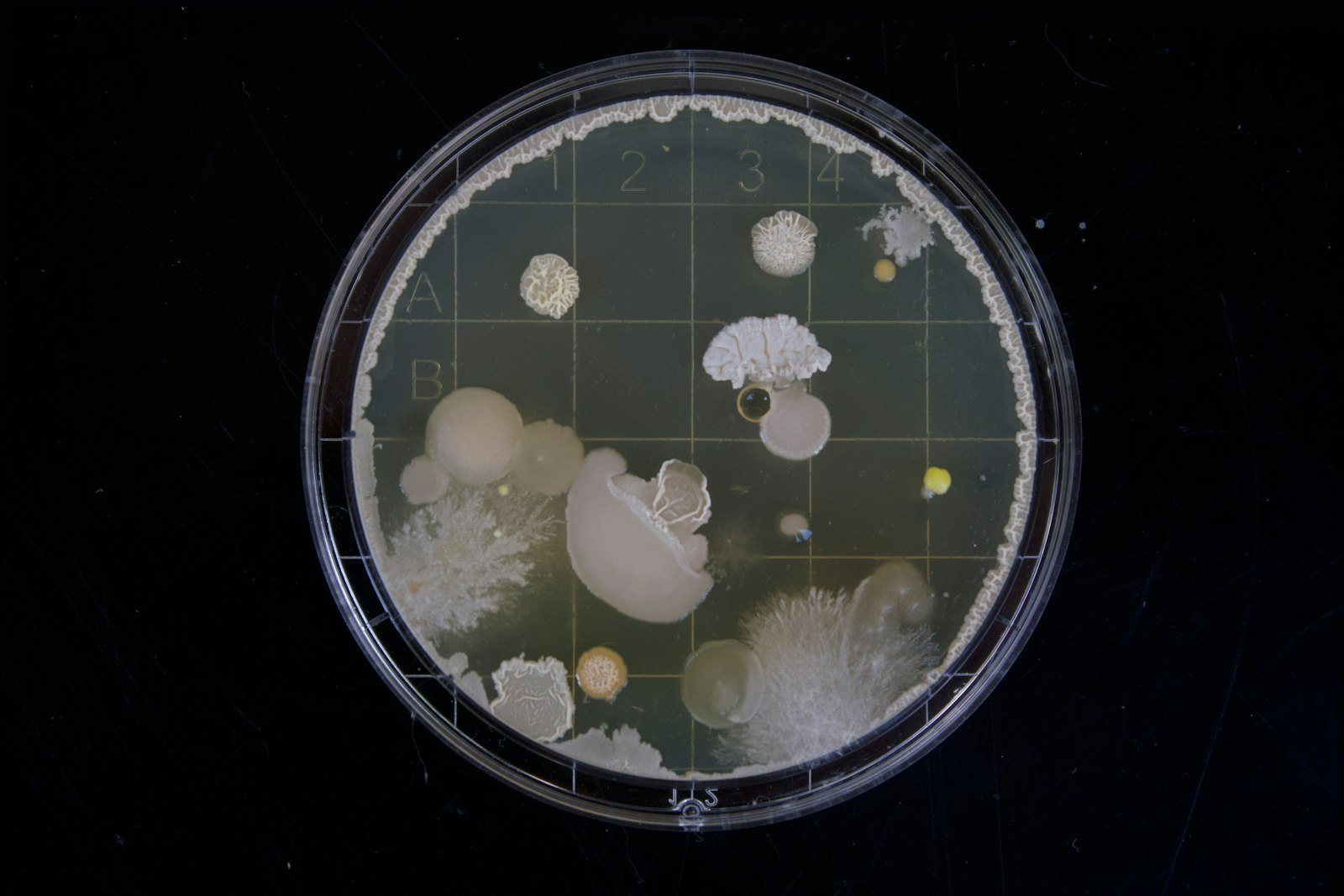
Fungi are everywhere, and mostly harmless
Fungi are their own kingdom of life, separate from bacteria and viruses. They live in soil, on decaying plant matter, in dust and on our own skin and mucous membranes. You inhale fungal spores constantly and it does not matter.
That is the key to the whole subject. Exposure is universal; disease is not. What determines whether a fungus causes an infection is far more about the state of the person than the presence of the fungus.
Two very different categories
| Superficial | Invasive | |
|---|---|---|
| Where | Skin, nails, hair, mouth, vagina | Lungs, blood, brain, deep organs |
| Who gets it | Anyone | Mostly people with suppressed immunity |
| How common | Very | Uncommon |
| Typical treatment | Cream, or tablets for a few weeks | Tablets or infusions, months |
| Seen by | Primary care or dermatology | Infectious disease, often with other specialists |
| Serious? | Rarely | Yes |
Thrush sits between the two. Oral or vaginal candida is common and easily treated in healthy people, but oral thrush appearing in an adult with no obvious cause is worth mentioning, because it occasionally points to something suppressing immunity that has not yet been identified.
Where the serious ones come from
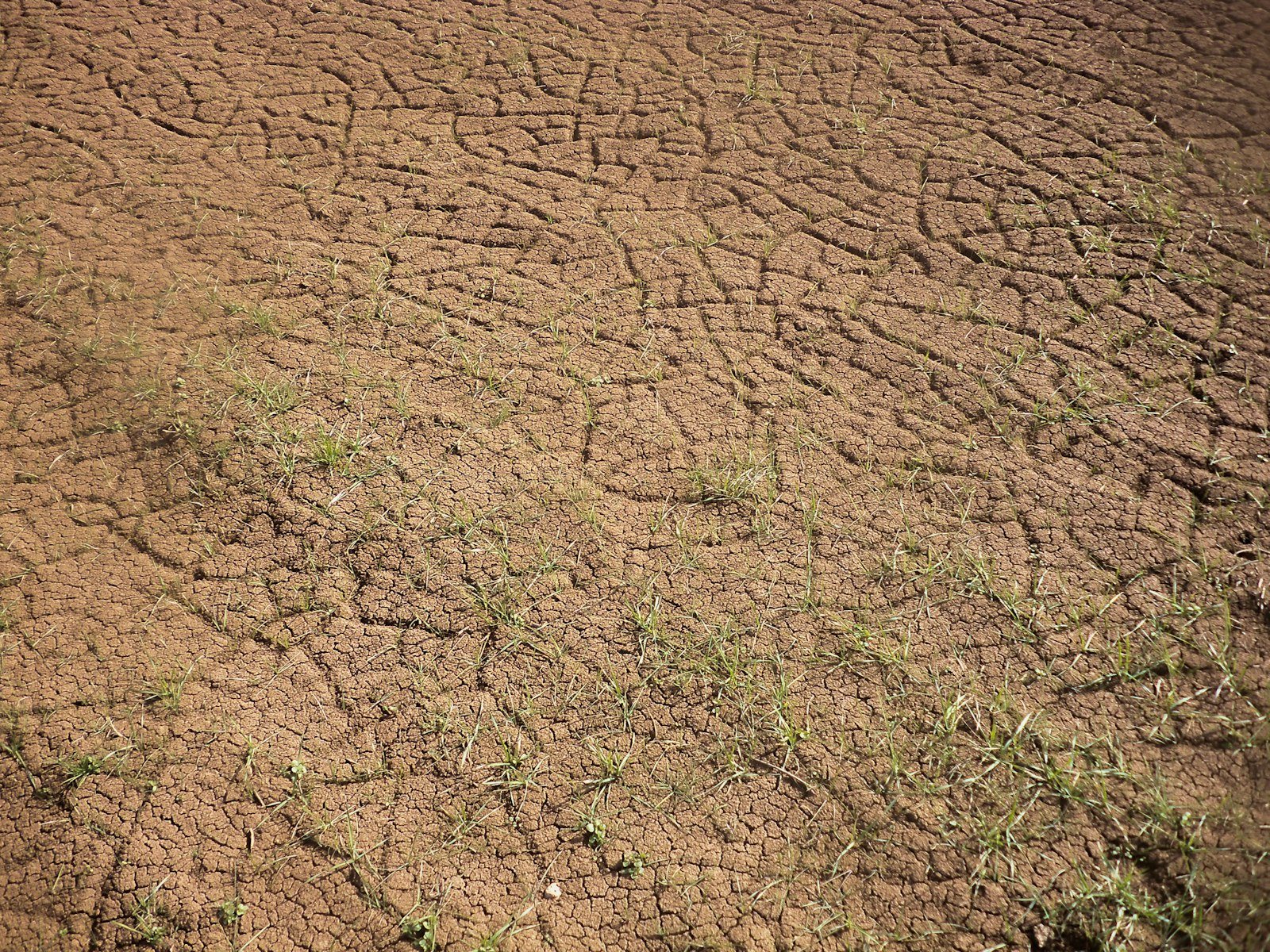
Some fungi are geographic. They live in the soil of particular regions, and infection follows disturbing that soil rather than contact with another person. None of these spread from person to person.
- Histoplasma — soil enriched by bird or bat droppings, common through the Ohio and Mississippi River valleys and present in the Southeast
- Blastomyces — damp soil and rotting wood, overlapping regions
- Coccidioides, which causes Valley fever — dry soil of the Southwest and parts of California, and a common reason for illness after travel there
- Cryptococcus — soil and bird droppings worldwide, mainly a problem in people with suppressed immunity
- Aspergillus — ubiquitous mold in dust, compost and construction sites, inhaled by everyone and dangerous to few
Most people who inhale these clear them without ever knowing. Histoplasma exposure in particular is so common in endemic areas that many residents have evidence of past infection and were never ill. Where it does cause disease, it often looks like a pneumonia that will not resolve, or like a fever with no obvious source.
The one most likely to matter in Georgia
Of that list, histoplasmosis is the one with the clearest local relevance. The organism is established across the Southeast, and the activities that stir it up are ordinary ones: clearing an old barn or shed, cutting down a tree, cleaning a chicken coop, disturbing an attic or a chimney where birds or bats have roosted, or working on a demolition site.
In a healthy adult, the usual result of that exposure is either nothing at all or a flu-like illness for a week or two that never gets a name. Only a minority develop a pneumonia that lingers, and fewer still develop disease that spreads beyond the lungs.
The reason it is worth knowing about is diagnostic rather than preventive. Someone presenting with weeks of fever, cough and fatigue after a weekend clearing an old building is a recognizable picture, but only if the exposure is mentioned. It rarely comes up unless the patient thinks to raise it, which is exactly why it belongs in the history you prepare.
If you developed a persistent cough or fever in the weeks after disturbing old soil, a bird roost, a barn or a demolition site, mention it specifically. That detail is often what turns an unexplained illness into an identified one.
Who actually gets invasive infection
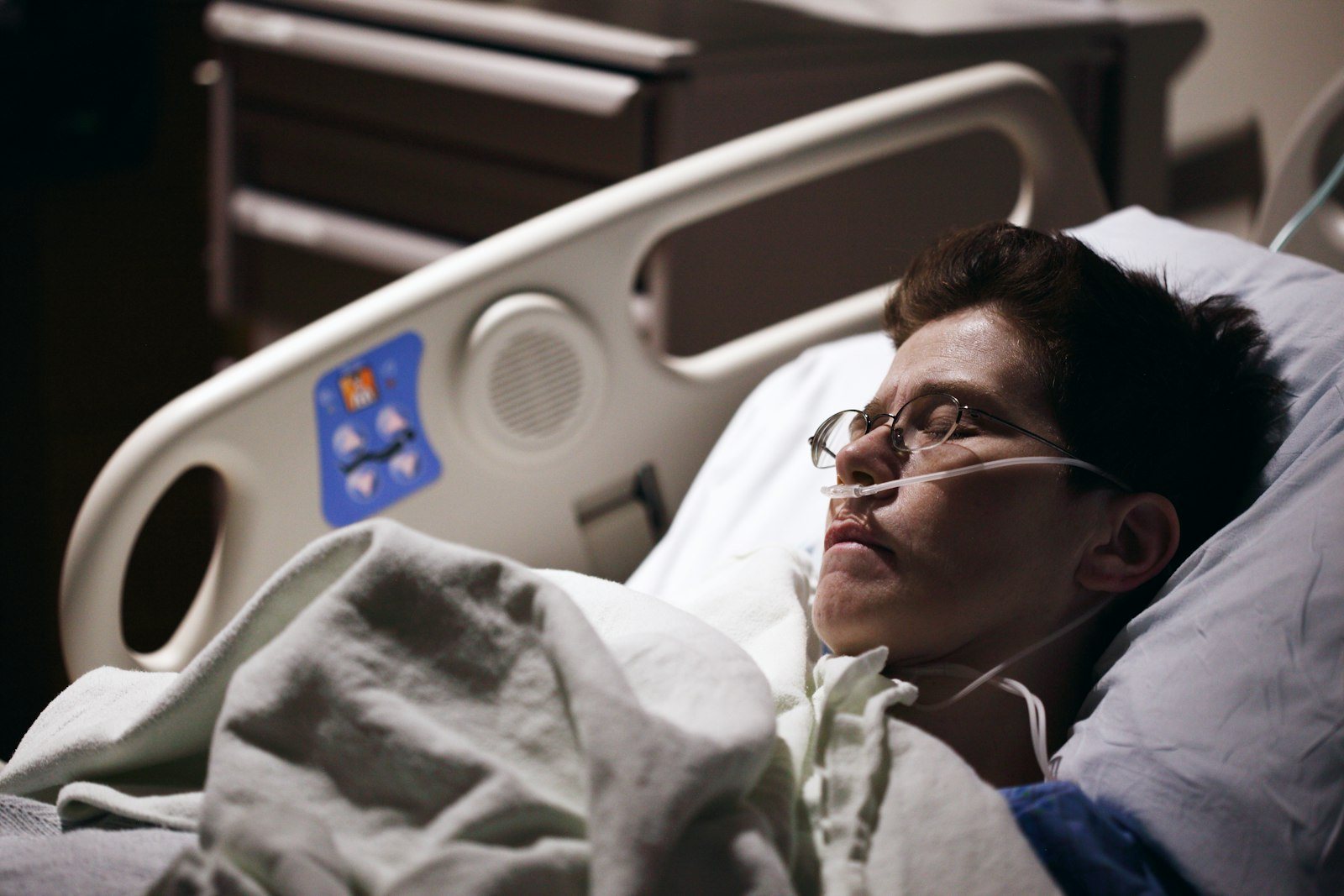
- People having chemotherapy, particularly with low white cell counts, as covered in our article on infections during cancer treatment
- Organ and stem cell transplant recipients on anti-rejection drugs
- People on long-term steroids or TNF inhibitors
- People with advanced or untreated HIV
- Patients in intensive care with central lines and long antibiotic courses
- People with structural lung disease such as emphysema or old cavities
- People with poorly controlled diabetes, for certain specific infections
If you take an immune-suppressing medication and develop a fever, a cough that will not clear, or new breathlessness, say which drug you are on at the first contact. It changes what is considered and how quickly.
Why diagnosis takes time
Fungi grow slowly. A bacterial culture often declares itself within a day or two; a fungal culture can take weeks, and treatment frequently has to begin before it is confirmed.
To bridge that gap, other tests are used: antigen tests on blood or urine, antibody tests, and imaging patterns that suggest fungal disease. Each is helpful and none is perfect, which is why several are usually combined. A biopsy is sometimes the only way to settle it.
Treatment, and why it runs long

Superficial infections respond to topical treatment or a short course of tablets. Nail infections are the slow exception, needing months simply because the nail has to grow out.
Invasive infections are treated for months, sometimes a year, and often begin with intravenous therapy before switching to tablets. Where that continues at home, our article on outpatient IV antibiotics describes how it works in practice.
Two things make antifungal treatment distinctive. Drug interactions are extensive, because the azole antifungals affect the same liver pathway as many common drugs, including statins and some heart medications. And blood levels of the drug are often measured, which is unusual in ordinary antibiotic treatment but routine here.
Frequently asked questions
Are fungal infections contagious?
Superficial ones can spread by direct contact or shared surfaces, which is why athletes foot passes around locker rooms. The serious invasive infections are not transmitted between people at all; they come from the environment.
I was told I have a fungus in my lungs. How worried should I be?
It depends heavily on which fungus, and on your immune system. Some findings represent old, healed exposure visible on a scan and need nothing. Others need months of treatment. The specific organism and your own risk factors decide it.
Why is my nail treatment taking so long?
The medication clears the fungus, but the damaged nail cannot repair itself and simply has to grow out. A toenail takes nine to twelve months to replace, so the nail looks abnormal long after treatment has worked.
Can I prevent fungal infections if my immunity is low?
Partly. Avoiding heavy dust exposure, gardening with disturbed soil, construction sites and compost helps. Some people are given preventive antifungal medication during the highest risk periods. Ask your team what applies to your situation rather than assuming.
Do antibiotics cause fungal infections?
They can encourage superficial ones. Antibiotics reduce the normal bacteria that keep candida in check, which is why thrush sometimes follows a course. That is a different problem from invasive fungal disease, and a reminder of why unnecessary antibiotics carry a cost.
If a fungal infection has been raised and you are unsure how serious it is, our article on when to see an infectious disease specialist explains what the assessment covers.
Sources and further reading: Merck Manual Consumer Version — Overview of fungal infections.
This article is general health information, not medical advice, and it cannot account for your own history or medications. Discuss your situation with a qualified clinician before acting on anything you read here.