
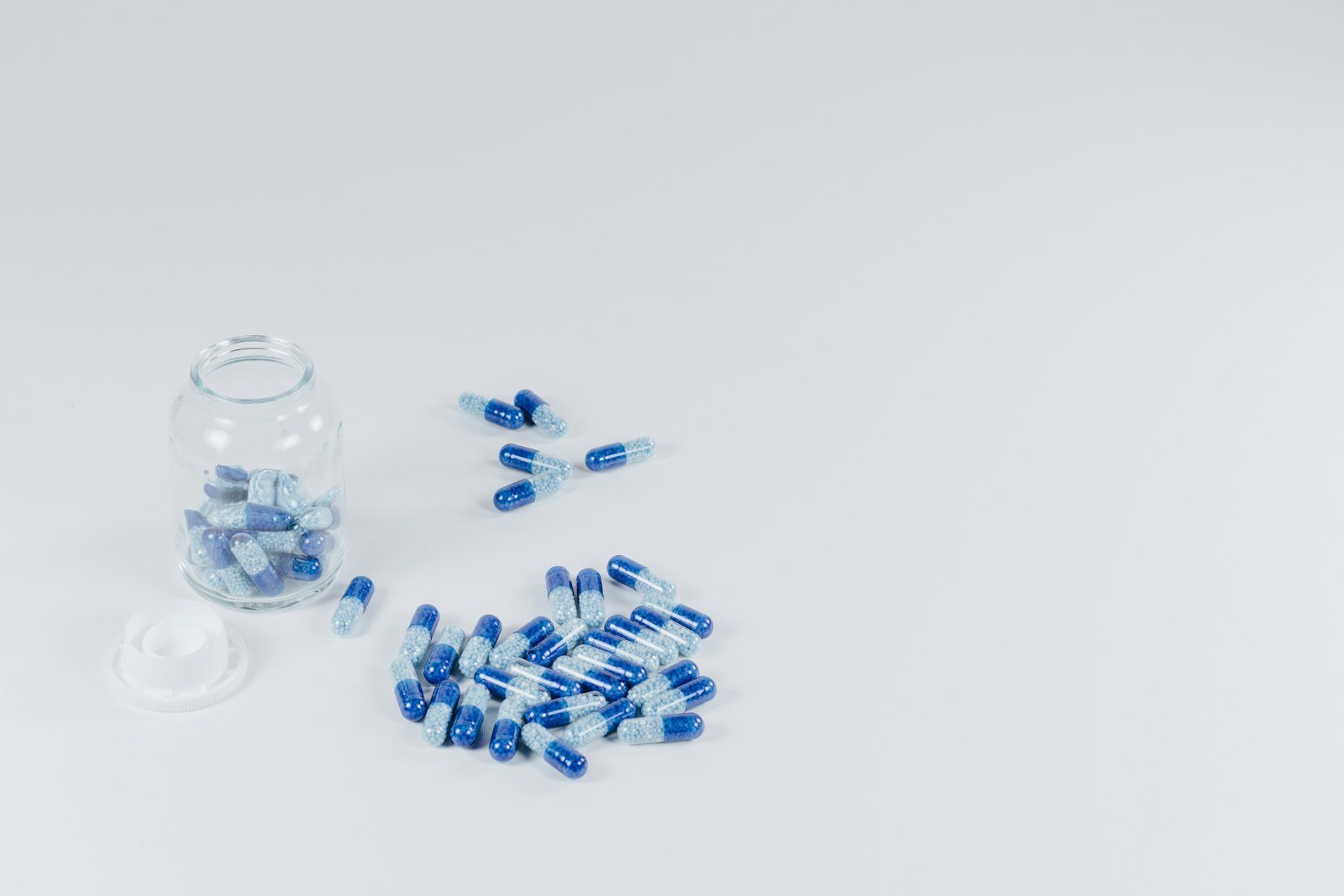
Antibiotics are usually short courses, which makes it easy to assume they slot in alongside everything else without consequence. Several of the most commonly prescribed ones interact with medicines millions of people take every day.
Most interactions are manageable once known. The problem is almost always that nobody knew — because the full medication list was never in one place.
The interactions worth knowing about
| With | What can happen | What is usually done |
|---|---|---|
| Warfarin and similar blood thinners | Bleeding risk rises, sometimes sharply | More frequent monitoring during and after the course |
| Statins | Muscle problems with some combinations | The statin may be paused for the course |
| Antacids, iron, calcium and zinc | They bind the antibiotic so it is not absorbed | Separate the doses by several hours |
| Methotrexate and similar drugs | Levels can rise | Avoided or monitored closely |
| Some heart rhythm medicines | Effects on heart rhythm can add up | A different antibiotic is usually chosen |
| Hormonal contraception | One antibiotic family genuinely reduces it | Backup contraception for that specific group |
That antacid row causes more silent treatment failure than any of the dramatic ones. Taking a common antibiotic with a calcium or iron supplement can stop much of the dose being absorbed at all, so the infection is under-treated and nobody knows why.
Interactions also run in the other direction, which is less often mentioned. Some regular medicines change how an antibiotic is absorbed or cleared, so the antibiotic itself becomes less effective. Under-treatment is harder to notice than a side effect, because nothing dramatic happens; the infection simply does not settle.
The contraception question, answered properly
For decades, everyone prescribed any antibiotic was told to use backup contraception. That blanket advice has been revised: for most antibiotics there is no meaningful effect on hormonal contraception.
The genuine exception is the rifamycin family — rifampin and its relatives — used for tuberculosis and some deep-seated infections. Those do reduce contraceptive effectiveness substantially, and backup is genuinely needed.
One practical caveat survives regardless: vomiting or significant diarrhea can reduce absorption of an oral contraceptive, and plenty of antibiotics cause both. That is a reason to check the advice for your own situation rather than to rely on either the old blanket rule or its reversal.
Food, drink and timing

- Dairy, antacids and mineral supplements bind some antibiotics; separate them by two to six hours as directed
- Alcohol is a genuine problem with a small number of antibiotics, causing flushing and vomiting; with most it mainly adds to nausea and poor sleep
- Grapefruit affects how the liver processes many medicines, which is why the instruction shows up on so many labels
- With food or without changes absorption for several antibiotics, and the label instruction is specific to that drug
- Spacing doses evenly matters more than people think; twice daily means roughly twelve hours apart
Supplements count as medicines here
Vitamins, minerals and herbal products are medicines for the purposes of this conversation, and they are the ones most often left off the list because they were bought rather than prescribed.
Iron, calcium, magnesium and zinc all interfere with the absorption of common antibiotics. St John’s wort affects the processing of a long list of drugs. And probiotics, covered in our article on probiotics and antibiotics, are worth mentioning for a different reason — they are living organisms, and that matters if your immune system is suppressed.
Kidneys, liver, and why the dose may differ
Most antibiotics leave the body through the kidneys, and some through the liver. If either is not working normally, a standard dose can accumulate to levels that cause harm, which is why kidney function is checked before many courses and monitored during long ones.
- Reduced kidney function often means a lower dose or a longer gap between doses
- Some antibiotics are avoided altogether in significant kidney disease
- Liver disease changes the handling of a smaller number of antibiotics
- Dehydration temporarily worsens kidney function, which matters if you are also vomiting or have diarrhea
- Certain combinations are harder on the kidneys together than either is alone
- Age alone reduces kidney function, which is part of why doses in older adults are often lower; see infections in older adults
None of this is cause for alarm. It is the reason blood tests accompany long courses, as described in our article on how long antibiotic courses run.
The list, and why it is the whole answer

Nearly every avoidable interaction traces back to an incomplete picture. Keeping one current list and showing it every time is unglamorous and it works.
- Every prescription medicine, with the dose
- Everything bought over the counter, including painkillers and antacids
- Every vitamin, mineral and herbal product
- Anything taken occasionally rather than daily
- Any drug allergy, and what actually happened; see whether a penicillin allergy is real
- Whether you are pregnant or breastfeeding; see infections and vaccines in pregnancy
- Any kidney or liver problem, which changes doses

Pharmacists are the most underused resource here. Checking a new antibiotic against a full medication list is exactly what they do, no appointment is needed, and it takes a couple of minutes.
Using one pharmacy for everything helps more than it sounds, because the interaction check only works against the medicines that pharmacy knows about. Prescriptions split across several places, or filled by mail order, leave gaps that nobody sees.
When to call rather than wait
- Unusual bruising or bleeding, particularly on a blood thinner
- New muscle pain or weakness, particularly on a statin
- Palpitations, fainting or a racing heart
- A rash, especially with swelling or breathlessness, which needs urgent care
- Severe or bloody diarrhea; see C. difficile
- Not improving by 48 to 72 hours, which can mean the antibiotic is not being absorbed; see how long a course should run
Where a long or intravenous course is planned, interactions are reviewed as part of setting it up — see outpatient IV antibiotics and what happens at an infectious disease consultation. You can reach us through the contact page.
Frequently asked questions
Do antibiotics stop the contraceptive pill working?
For most antibiotics, no — that blanket advice has been revised. The genuine exception is the rifamycin family. Separately, vomiting or diarrhea from any antibiotic can reduce absorption, so check the advice for your situation.
Can I drink alcohol on antibiotics?
With a small number, no — the combination causes flushing and vomiting, and those are specifically flagged. With most others alcohol mainly worsens nausea and sleep rather than causing a dangerous reaction.
Why must I take this away from my calcium tablets?
Because minerals bind some antibiotics in the gut so they are never absorbed. Taken together, much of the dose is wasted and the infection is under-treated.
Do I really need to mention vitamins and herbal remedies?
Yes. Iron, calcium, magnesium and zinc affect absorption, and St John’s wort affects how many drugs are processed. They are the items most often left off the list.
I am on warfarin and starting antibiotics. What happens?
Expect closer monitoring. Several antibiotics increase the effect of warfarin, sometimes markedly, and the usual approach is more frequent testing during and after the course rather than avoiding the antibiotic.
Sources and further reading: National Institute on Aging — Taking medicines safely as you age.
This article is general health information, not medical advice, and it cannot account for your own history or medications. Discuss your situation with a qualified clinician before acting on anything you read here.