

Sepsis is what happens when the body’s response to an infection begins damaging its own tissues and organs. It is not a separate disease you catch. It is a complication of an infection you already have.
It is also a medical emergency in the same category as a heart attack or a stroke, and it can worsen within hours. Recognizing it early is the single thing that most changes the outcome.
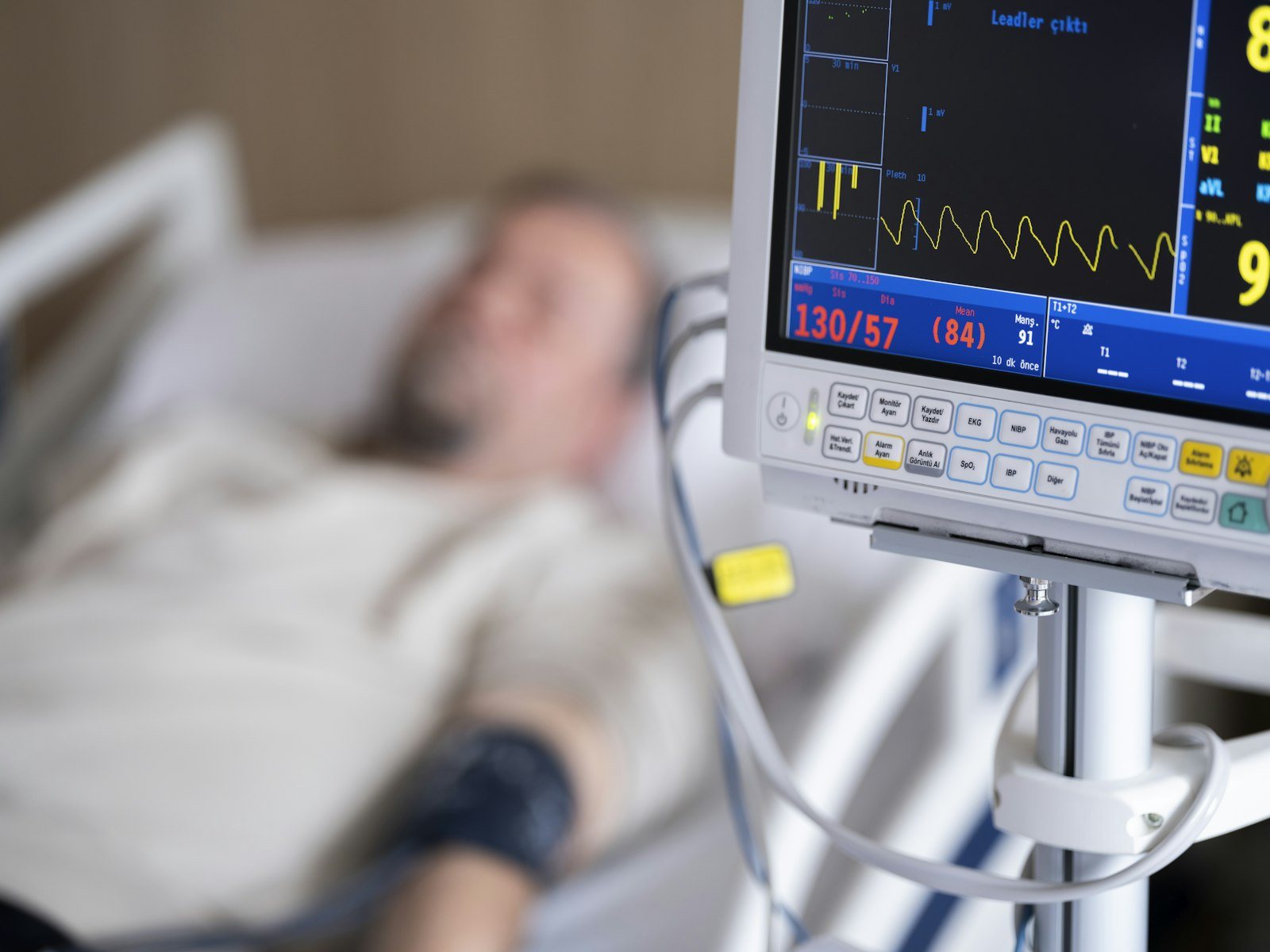
How an ordinary infection turns into sepsis
Any infection can trigger it: a chest infection, a urinary infection, an infected wound, an abdominal infection. Most never do.
In sepsis the immune response becomes dysregulated. Instead of containing the infection, the reaction spreads, blood vessels leak, blood pressure falls and organs stop receiving what they need.
This is why someone can look reasonably well in the morning and be critically ill by evening. The deterioration is not gradual in the way people expect.
The warning signs
There is no single symptom. What matters is the combination, and the speed at which things change.
- Confusion, disorientation, or unusual drowsiness
- Fast breathing, or breathlessness at rest
- A very high or a very low temperature, or shivering and chills
- Skin that is mottled, pale, blue-tinged or unusually clammy
- A fast heart rate, or a weak pulse
- Passing much less urine than usual
- Severe pain or discomfort, or a sense that something is badly wrong
- An infection that is clearly getting worse rather than better

If you suspect sepsis, call 911 or go to an emergency department now. Say the word “sepsis” and say that the person has an infection. Do not wait to see whether things improve overnight, and do not wait for a routine appointment.
Infection, sepsis and septic shock
These terms are used loosely in ordinary speech but describe different states.
| What is happening | Where it is treated | |
|---|---|---|
| Infection | Bacteria, virus or fungus causing localized illness | Often at home or in a clinic |
| Sepsis | The response to that infection is injuring organs | Hospital, urgently |
| Septic shock | Blood pressure stays dangerously low despite fluids | Intensive care |
| Recovery phase | Infection controlled, organs recovering | Hospital ward, then home with follow-up |
The practical message is that the first row can become the second faster than most people expect, and that the move from the second to the third is what treatment is racing to prevent.
Who is most at risk
Sepsis can affect anyone, but some people are considerably more vulnerable, and in them the usual signs may be muted or absent.
- Adults over 65, and very young children
- People with diabetes, kidney disease, liver disease or lung disease
- Anyone whose immune system is suppressed by illness or treatment
- People without a functioning spleen
- Anyone with a recent hospital stay, surgery, or an indwelling line or catheter
- People with chronic wounds or a recent serious infection
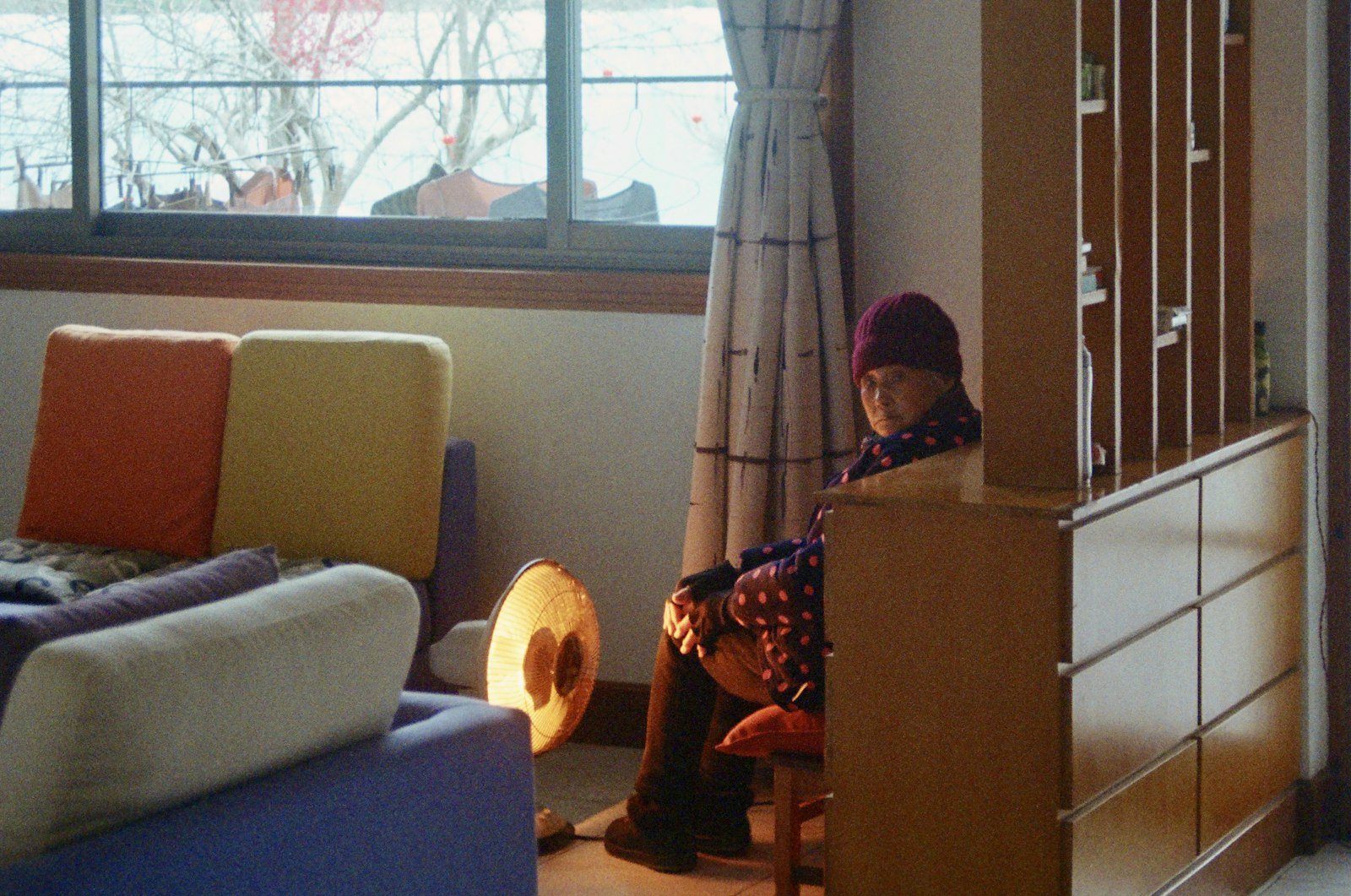
In older adults especially, confusion or a sudden change in usual behavior may be the first and only obvious sign, and a fever may never appear. Trust the change in the person over the absence of a textbook symptom.
One further point: sepsis does not require a dramatic infection to start it. Many cases begin with something entirely ordinary that was never thought serious enough to mention, which is why the question is always about how the person is now rather than how impressive the original infection looked.
What happens in hospital
Treatment is fast and runs in parallel rather than in sequence. Blood cultures are taken, broad-spectrum antibiotics are started quickly, intravenous fluids are given, and the source of the infection is looked for.
Once cultures identify the organism, treatment is usually narrowed to a more targeted antibiotic. That step is where an infectious disease physician is frequently involved, and it matters both for the individual and for limiting antibiotic resistance.
Some people need oxygen, medication to support blood pressure, or organ support in intensive care. Others improve on a general ward within days.
Lowering the risk in the first place
Sepsis begins with an infection, so most of what reduces the risk is ordinary infection prevention done consistently.
- Keep vaccinations up to date, including influenza and pneumococcal where advised
- Clean and cover breaks in the skin, and watch them for spreading redness
- Treat urinary and chest infections promptly rather than waiting them out
- Keep diabetes and other chronic conditions well controlled
- Care for any indwelling line or catheter exactly as instructed
- Seek review early if an infection is not improving as expected
People with a chronic wound are in a higher-risk group, which is part of why a wound that will not heal deserves proper assessment rather than another dressing, and why specialist wound care exists as a service. The same logic applies to a skin infection that is spreading.
If you are the one worried about someone else
Sepsis is often first noticed by a family member rather than the person affected, because confusion and drowsiness are easier to see from outside than from inside.
If someone with an infection seems suddenly and unusually different, say so directly and say why. Describing what has changed since yesterday, and how fast, is more useful than listing symptoms in isolation.
You are not overreacting by asking whether it could be sepsis. Clinicians would far rather assess someone who turns out to be fine than see them a day later.
Recovery takes longer than people expect
Surviving sepsis is not the end of it. Many people experience months of fatigue, muscle weakness, poor concentration, disturbed sleep and low mood afterwards. This is common and is sometimes called post-sepsis syndrome.

Knowing this in advance helps. People frequently assume that a slow recovery means something is wrong, when in fact it is the expected course after a severe illness.
Follow-up matters, particularly where the original infection involved a device, a joint replacement or a deep site. Some of those need prolonged treatment, described in our articles on bone and joint infections and outpatient intravenous antibiotics.
Frequently asked questions
Is sepsis contagious?
No. Sepsis itself cannot be passed between people. The infection that triggered it sometimes can, depending on what it is.
Can you have sepsis without a fever?
Yes. Older adults, very young children and people with weakened immune systems may have a normal or even low temperature. Confusion, fast breathing and a sudden change in condition can matter more than temperature.
How quickly does sepsis develop?
It can worsen over hours. That is why it is treated as an emergency and why waiting to see whether things settle overnight is the wrong approach.
What should I say at the emergency department?
Say that you are worried about sepsis, that there is a known or suspected infection, and describe what has changed and how fast. Naming your concern directly helps the team prioritize assessment.
Does surviving sepsis cause lasting problems?
It can. Fatigue, weakness, poor concentration and low mood for weeks or months are common. Most people improve steadily, but recovery is usually slower than expected and worth raising at follow-up.
More about the specialty is on the infectious disease physician page. For non-urgent questions, the contact page lists how to reach the practice.
Sources and further reading: Sepsis Alliance — What is sepsis?.
This article is general health information, not medical advice, and it cannot account for your own history or medications. Discuss your situation with a qualified clinician before acting on anything you read here.