
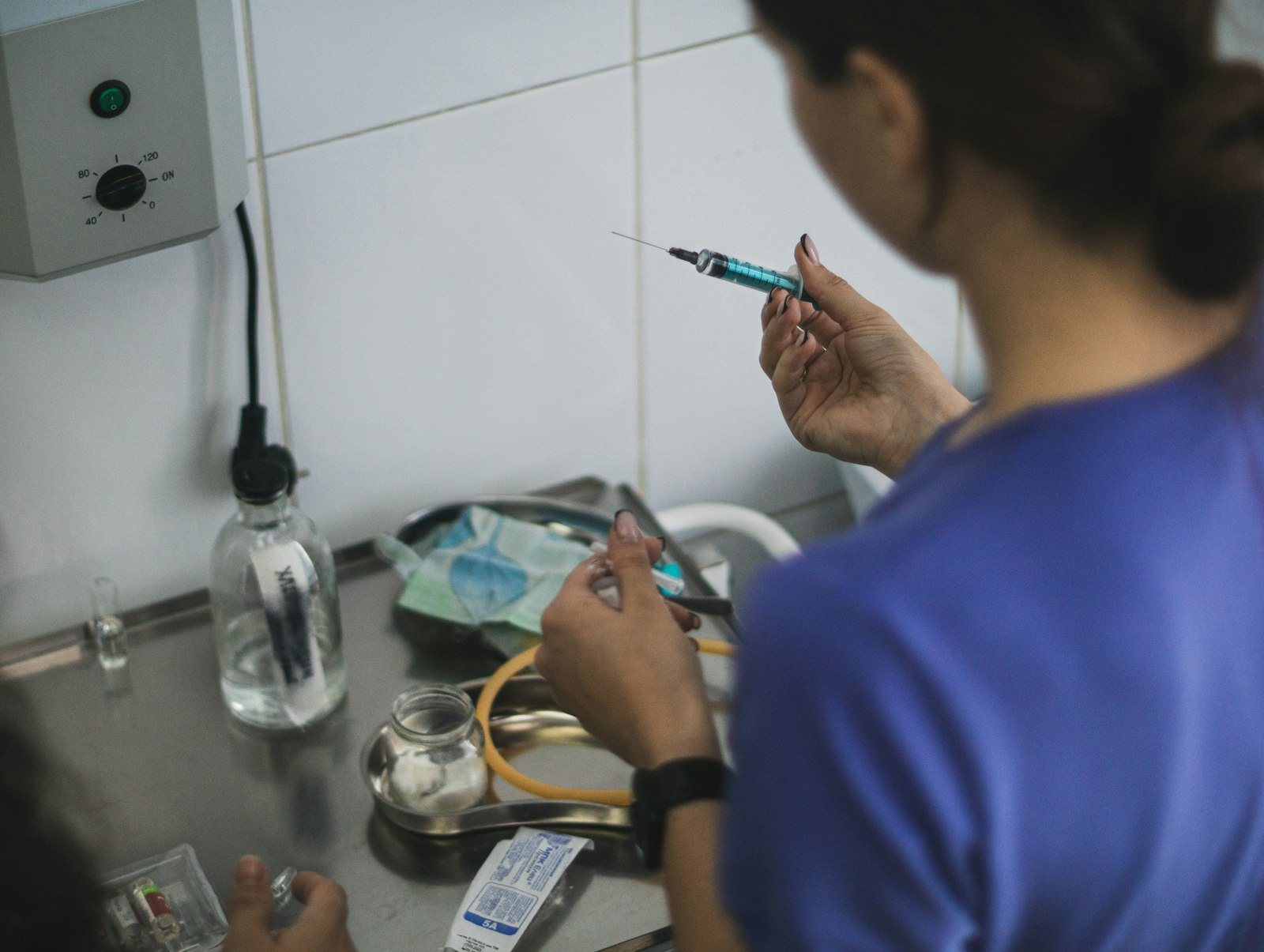
Shingles is chickenpox returning. The virus that caused it in childhood never leaves the body; it retreats into nerve tissue and stays there, held in check by the immune system, sometimes for fifty years or more.
When that control slips, the virus travels back down a single nerve to the skin. That is why the rash appears in a band on one side of the body and stops abruptly at the midline.

The warning that comes before the rash
For one to five days before anything appears, most people feel something in the area the rash will occupy: burning, tingling, itching, or a deep ache. The skin may be painful to touch while looking entirely normal.
This phase is regularly misread. Depending on where it lands it can be mistaken for a muscle strain, a trapped nerve, kidney pain, or even a cardiac problem.
If you have had chickenpox and develop unexplained pain confined to one band on one side of the body, shingles is worth raising as a possibility, because what happens next is time-sensitive.
Why treatment is time-critical
Antiviral treatment works best when started within 72 hours of the rash appearing. It shortens the illness, reduces the severity, and lowers the chance of lasting nerve pain afterwards.
Beyond that window it becomes less effective, though it may still be offered in some circumstances. This is the single most useful thing to know about shingles: a new one-sided rash is a same-week problem, not a wait-and-see one.
A new painful rash in a band on one side of the body should be assessed within 72 hours. Shingles affecting the eye, the tip of the nose or the ear needs urgent same-day assessment, as sight and hearing can be affected.
How the illness unfolds
| Stage | Timing | What happens |
|---|---|---|
| Before the rash | One to five days | Pain, burning, tingling or itching in one band of skin |
| Rash appears | Days one to three | Red patches on one side, following a nerve, not crossing the midline |
| Blistering | Days three to seven | Fluid-filled blisters form; this is the infectious phase |
| Crusting | Days seven to ten | Blisters dry and scab; contagiousness ends |
| Healing | Two to four weeks | Scabs clear, sometimes leaving discoloration |
| Nerve pain | Beyond three months | Postherpetic neuralgia, if it develops |
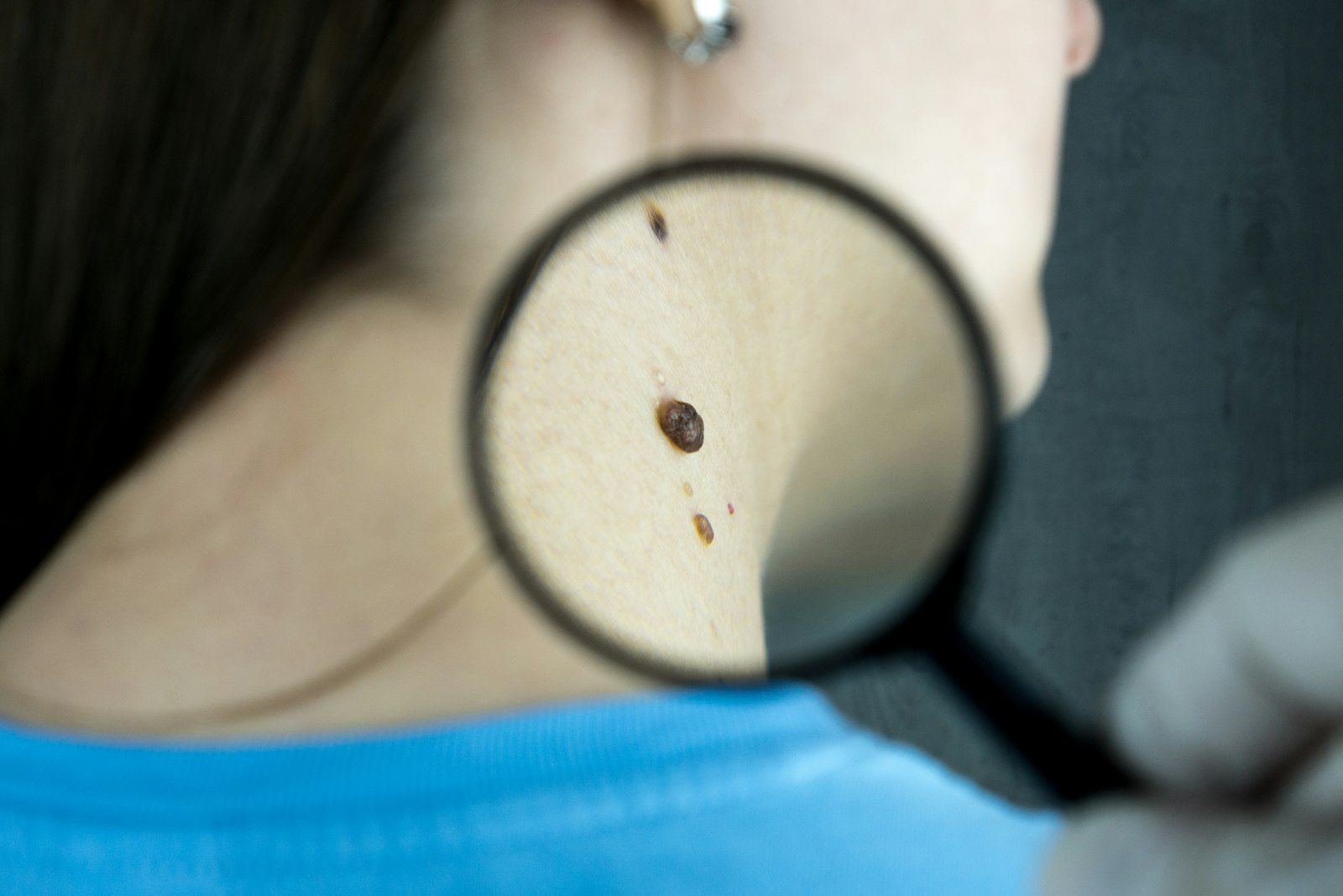
One further complication deserves naming. Shingles affecting the eye can threaten sight, and shingles affecting the ear can affect hearing and cause facial weakness. Both are treatable, and both are time-critical.
Postherpetic neuralgia
The most common complication is nerve pain that persists after the rash has healed. It is defined as pain continuing three months or more, and it can last months or years.

People describe it as burning, stabbing, or a deep ache, and the skin is often exquisitely sensitive, so that clothing or a light touch is painful. It mainly affects people over 60, and the risk rises with age.
It is treatable, though not always easily, and treatment is different from ordinary painkillers because the pain originates in the nerve rather than in damaged tissue. Starting antivirals early reduces the chance of it developing at all.
What triggers it
Shingles happens when immune control over the dormant virus slips. That is most often simply age: the risk climbs steadily from around 50 as immune surveillance naturally declines.
Other triggers include illness, physical or emotional stress, treatments that suppress the immune system, and certain cancers. Frequently no trigger is identifiable at all, which is worth saying because people often search for something they did wrong.
Anyone who has had chickenpox can develop shingles, including children, though it is far more common with age. Having had it once does not prevent it happening again.
Is it contagious?
You cannot catch shingles from someone with shingles. What can be transmitted, through contact with the fluid in the blisters, is the virus itself, and in someone who has never had chickenpox or been vaccinated it causes chickenpox rather than shingles.
The infectious period runs from when blisters appear until they have all crusted over. Keeping the rash covered, avoiding scratching and washing hands reduces the risk.
During that window, avoid contact with newborns, pregnant people who have not had chickenpox, and anyone whose immune system is suppressed.
Managing the illness itself
Alongside antivirals, the aim is to keep the rash clean and to control pain properly. Pain in the acute phase is often underestimated, and treating it well appears to matter for what happens afterwards.
- Keep the rash clean and dry, and cover it with a loose, non-stick dressing
- Do not scratch; broken blisters can become secondarily infected
- Wear loose clothing over the affected area
- Use cool compresses for relief
- Take pain relief regularly rather than waiting for pain to build
- Ask specifically about pain control if what you have is not working
If the rash becomes increasingly red, warm and tender at the edges rather than settling, that can indicate a bacterial infection on top, which is covered in our article on cellulitis.
The vaccine
A vaccine is available and is recommended for adults from age 50, and for younger adults whose immune systems are weakened. It is given as two doses, typically two to six months apart.
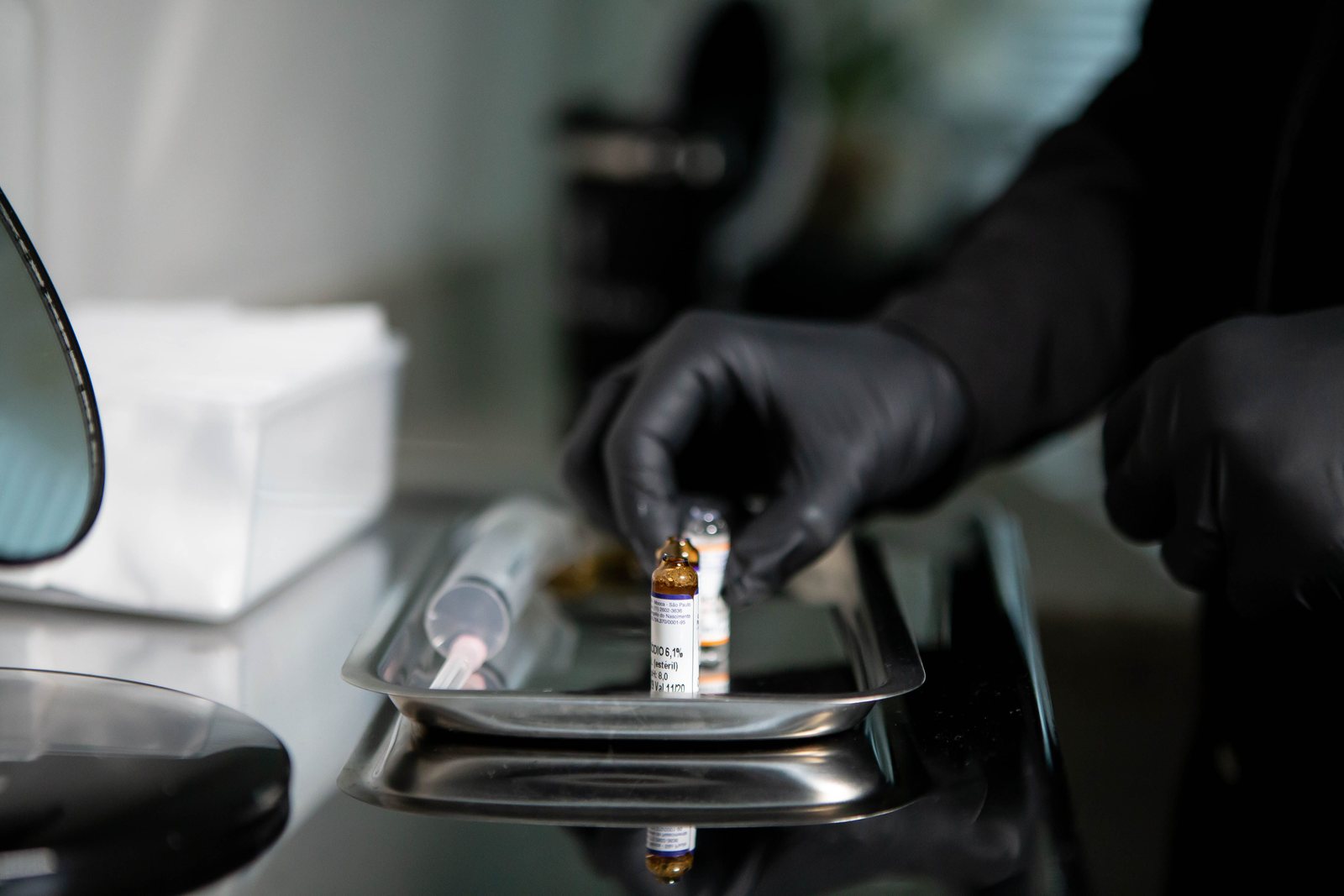
With both doses it is more than 90 percent effective at preventing shingles and postherpetic neuralgia, which places it among the more effective adult vaccines available.
- It is recommended even if you have already had shingles, since recurrence is possible
- It is recommended even if you do not remember having chickenpox
- Both doses are needed; one dose gives substantially less protection
- Sore arm, tiredness and aching for a day or two are common after each dose
- Timing around other vaccines and around treatments that suppress immunity is worth checking
Adult immunization generally is easy to lose track of. A pre-travel appointment is a natural moment to review what is outstanding, alongside the destination advice covered in our article on planning travel vaccines. Our travel medicine service covers both.
Frequently asked questions
How soon do I need to be seen?
Within 72 hours of the rash appearing, because antiviral treatment is most effective in that window. Shingles near the eye or ear needs same-day assessment regardless.
Can I catch shingles from someone?
No. You cannot catch shingles itself. Someone who has never had chickenpox or been vaccinated can catch the virus from blister fluid and develop chickenpox.
Should I have the vaccine if I have already had shingles?
Yes, it is still recommended, because shingles can recur. Ask your clinician about the right interval after an episode.
What is postherpetic neuralgia?
Nerve pain that persists three months or more after the rash heals. It mainly affects older adults, can last a long time, and is treated with medicines aimed at nerve pain rather than ordinary painkillers.
Does the vaccine work if I do not remember having chickenpox?
It is still recommended. The great majority of adults have had chickenpox whether or not they remember it, and testing beforehand is not usually required.
You can read more on the health and wellness page or reach the practice through the contact page.
Sources and further reading: National Foundation for Infectious Diseases — Shingles (herpes zoster).
This article is general health information, not medical advice, and it cannot account for your own history or medications. Discuss your situation with a qualified clinician before acting on anything you read here.