

A positive hepatitis B test is not a single diagnosis. It is a panel of several results read together, and the combination decides everything that follows.
Some people are told they are immune. Some are told they had it years ago and cleared it. Some are told they carry it chronically. Those are very different situations, and they are all reported from the same set of blood tests.

Why the panel confuses people
Three results do most of the work. One indicates current infection, one indicates immunity, and one indicates past exposure. Reading them together tells you which of four quite different situations you are in.
| Picture | What it means | What follows |
|---|---|---|
| Surface antigen positive | Current infection, acute or chronic | Further tests to see which, then monitoring |
| Surface antibody positive alone | Immune from vaccination | Nothing; you are protected |
| Surface antibody and core antibody positive | Past infection, now cleared | Usually nothing further |
| Core antibody positive alone | Past exposure, needs interpretation | Matters before immune-suppressing treatment |
| All negative | No infection and no immunity | Vaccination is worth discussing |
That fourth row is the one most often misread. Core antibody alone is not a diagnosis of active infection, but it is not nothing either, and it becomes important if you are ever given treatment that suppresses the immune system.
Who gets tested, and why it is often incidental
Most people who learn they have hepatitis B were not looking for it. It turns up on screening before surgery, during pregnancy, at a blood donation, on an immigration medical, or before starting a medication that suppresses the immune system.
That is not an accident of testing practice. Chronic hepatitis B usually causes no symptoms for decades, which is precisely why screening exists rather than waiting for people to feel unwell.
- Anyone born in a region where hepatitis B is common, which includes much of Asia, Africa, the Pacific and parts of Eastern Europe
- Anyone whose parent was born in one of those regions, because transmission at birth is the usual route
- Household members and sexual partners of anyone infected
- Anyone about to start chemotherapy, a biologic, or long-term steroids
- People on dialysis, and people with HIV or hepatitis C
- Anyone with persistently abnormal liver blood tests and no explanation
Screening is now recommended at least once for all adults, which is a broader position than the risk-based approach many people remember.
Acute and chronic are different diseases
Acute hepatitis B is the illness that follows soon after infection. It can cause jaundice, nausea and profound fatigue, or it can pass unnoticed. In adults who catch it, the great majority clear the virus on their own and become immune.
Chronic hepatitis B means the virus is still present six months later. The risk of that outcome depends enormously on the age at which infection happened. Infection in infancy usually becomes chronic; infection in adulthood usually does not.
This is why most people living with chronic hepatitis B worldwide acquired it at birth or in early childhood, often without anyone knowing, and are diagnosed decades later on a routine test.
Chronic does not mean the same thing for everyone
Chronic infection is not one steady state. It moves through phases, and the phase you are in decides whether treatment is needed now, later, or possibly never.
- Some people have virus present but no liver inflammation and normal blood tests
- Some have active inflammation, which is what damages the liver over time
- Phases can change, in both directions, over years
- Treatment is aimed at people in an active phase, not at everyone who tests positive
- Not being on treatment is a monitoring decision, not a gap in your care
Being told you do not need treatment is not the same as being told to forget about it. The phases shift, which is exactly why monitoring continues even when nothing is being prescribed.
What monitoring involves
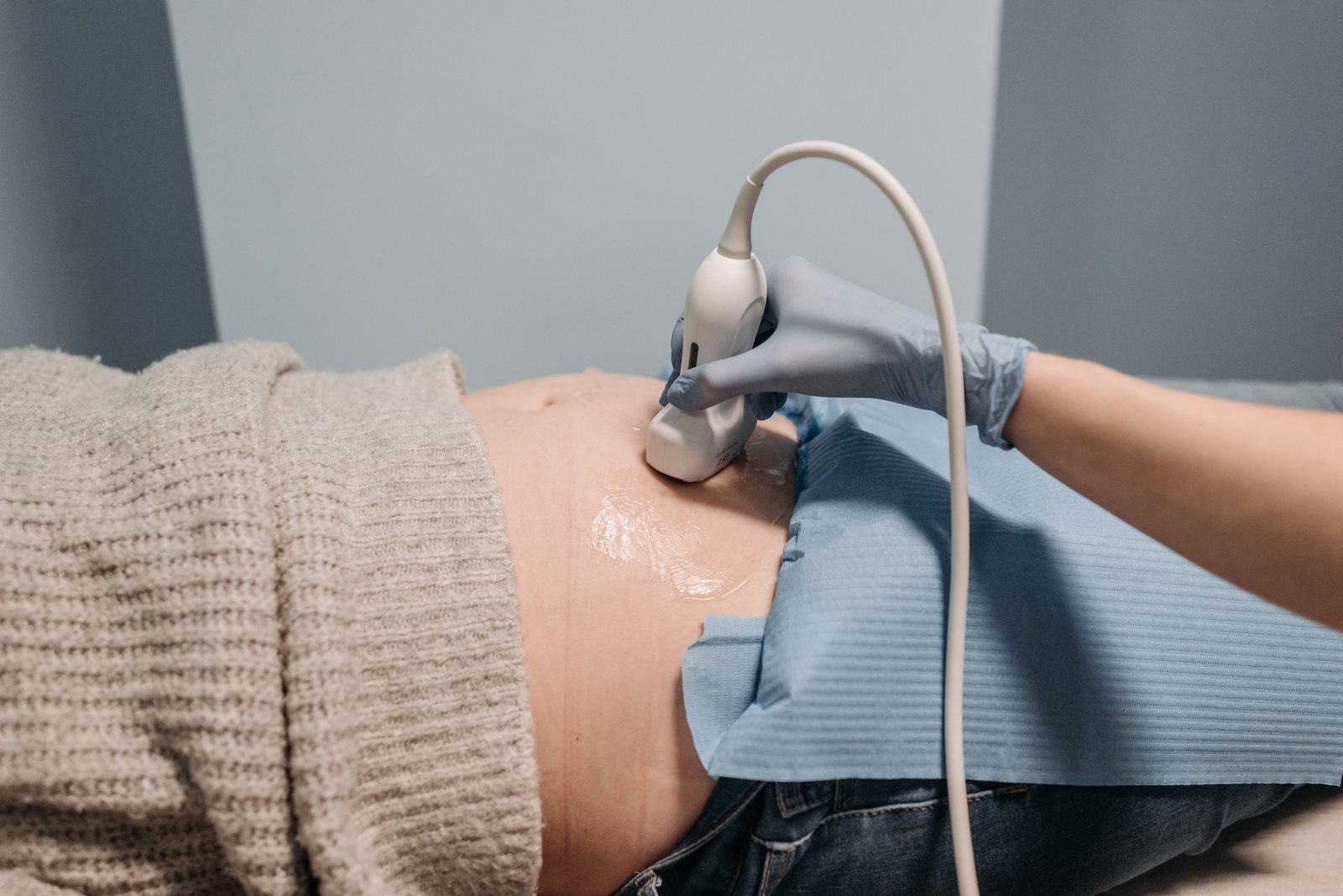
For most people this is straightforward and does not disrupt life. Blood tests check liver enzymes and the amount of virus present. Where risk factors warrant it, an ultrasound is added to screen for liver cancer, because chronic hepatitis B raises that risk even when the liver is not scarred.
That screening is the single strongest argument for staying in follow-up. Liver cancer found on a scheduled scan is a far more treatable problem than liver cancer found because symptoms appeared.
Treatment, when it is needed

Where treatment is indicated it is usually one tablet daily, well tolerated, and taken long term. It suppresses the virus, allows the liver to recover, and substantially reduces the risk of cirrhosis and cancer.
It is not a cure in the way that hepatitis C treatment is. Hepatitis C is now cured with a short course of tablets; hepatitis B is controlled rather than eliminated. Confusing the two is common and leads to real disappointment, so it is worth being clear which one you have.
Never stop hepatitis B treatment on your own. Stopping abruptly can cause a flare of liver inflammation that is more dangerous than the untreated infection. Any change is planned and monitored.
Protecting people around you

Hepatitis B spreads through blood and body fluids, not through casual contact. You cannot pass it by sharing food, cooking, hugging, coughing or using the same bathroom.
- Household members and sexual partners should be tested and vaccinated
- The vaccine is highly effective and is part of the routine adult schedule, covered in our article on adult vaccines
- Do not share razors, toothbrushes or nail clippers
- Cover cuts, and clean blood spills with diluted household bleach
- Tell any clinician doing a procedure, so nothing is missed
- In pregnancy, treatment and infant vaccination prevent transmission at birth; see our article on infections and vaccines in pregnancy
One more point worth raising with any doctor who prescribes for you. If you have evidence of past or current hepatitis B and are given chemotherapy, a transplant, steroids or a biologic, the virus can reactivate. Preventive treatment is given alongside. The same conversation usually covers latent tuberculosis screening.
Frequently asked questions
Does a positive test mean I am infectious?
Only if the surface antigen is positive, which indicates current infection. A positive antibody result on its own means immunity or past cleared infection, and carries no risk to anyone. Ask specifically which part of the panel was positive.
Can hepatitis B be cured?
Chronic hepatitis B is controlled rather than cured. Treatment suppresses the virus and protects the liver, and is usually long term. This differs from hepatitis C, which is cured with a short course, and the two are often confused.
Why am I not being treated?
Treatment is aimed at people whose infection is in an active phase causing liver inflammation. If yours is not, treating would add side effects without benefit. That is a considered decision, and it is why monitoring continues.
Can I pass it to my children or by cooking for my family?
No. It is not spread by food, utensils, hugging, coughing or shared bathrooms. It spreads through blood and body fluids. Household members should still be tested and vaccinated, which removes the risk entirely.
Do I need to avoid alcohol completely?
Alcohol adds injury to a liver already under strain, and the advice is to limit it substantially or avoid it. Where there is any liver scarring, avoiding it entirely is usually advised. Ask in the context of your own results.
If you are working out what a result means or whether you need follow-up, our article on when to see an infectious disease specialist explains what that appointment covers. You can reach us through the contact page.
Sources and further reading: Hepatitis B Foundation — What is hepatitis B?.
This article is general health information, not medical advice, and it cannot account for your own history or medications. Discuss your situation with a qualified clinician before acting on anything you read here.