
Most sore throats in adults are viral. They hurt considerably, they last several days, and they get better without antibiotics doing anything to help. Strep is the exception worth identifying, and it accounts for something like one adult sore throat in ten.
That ratio is the whole problem. It is high enough that strep is worth testing for, and low enough that treating every sore throat with antibiotics would mean nine people in ten taking a drug that cannot help them.
What actually points toward strep
There is no symptom that proves it. What clinicians do instead is weigh a handful of features that, taken together, move the odds enough to decide whether a test is worth doing at all.
| Feature | Direction | Why it carries weight |
|---|---|---|
| Fever with the sore throat | Toward strep | Viral sore throats more often run without much fever |
| No cough at all | Toward strep | Cough points to the airway, which strep does not involve |
| Tender, swollen glands in the front of the neck | Toward strep | Reflects the local lymph nodes reacting |
| White patches on the tonsils | Toward strep | Also seen in mono, so it is suggestive rather than deciding |
| Runny nose, hoarseness, red eyes | Away from strep | These are the signature of a virus |
| Age over 45 | Away from strep | Strep becomes less common with age, though it never disappears |
None of those rows is a verdict. Two or three of them together is usually the point at which a swab is taken rather than debated.
The test, and what a result means

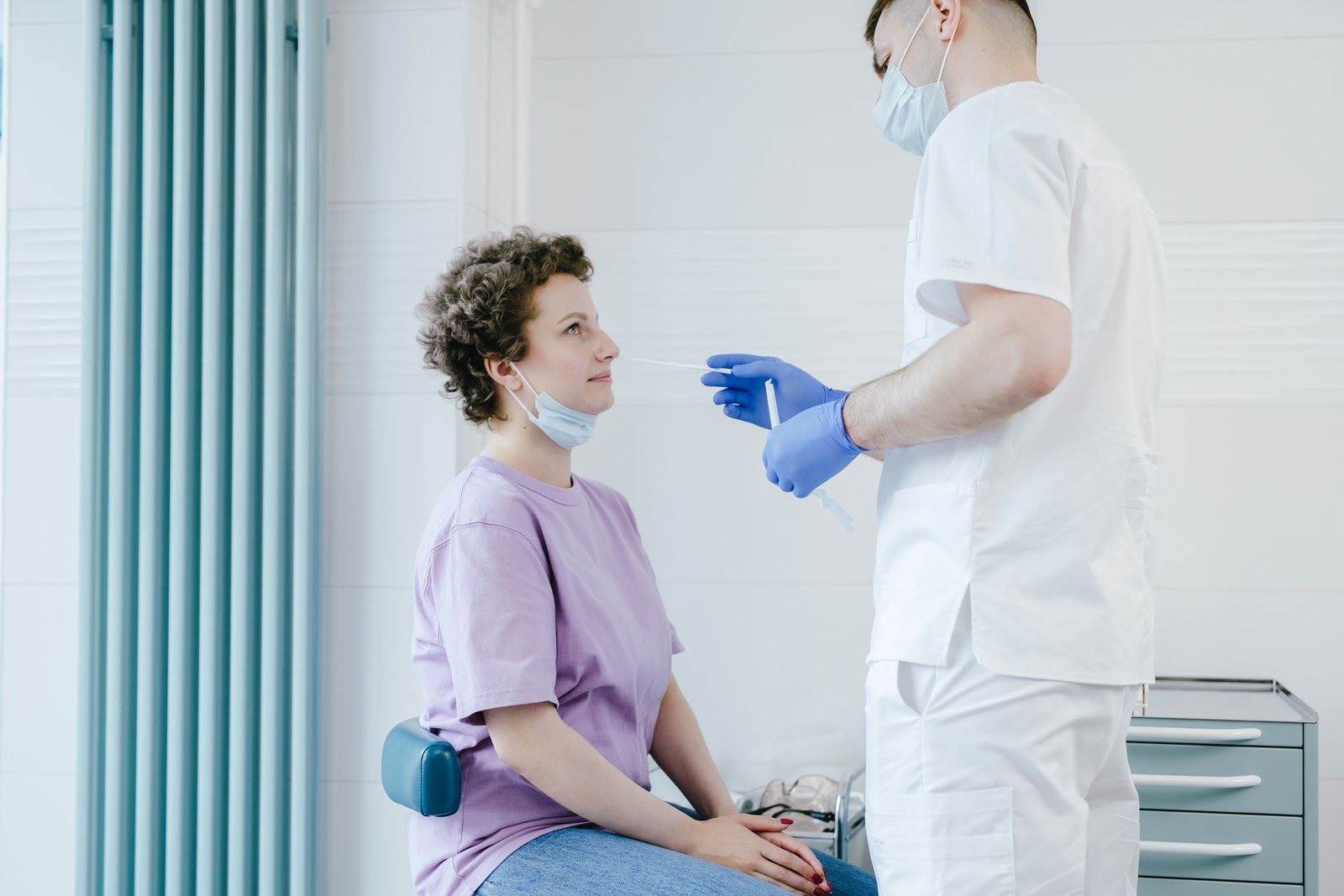
The rapid test is good at confirming strep when it is positive. A positive result is trusted and treated. A negative result is a slightly softer thing: it misses a small number of true infections, which is why a culture is sometimes added.
In adults, a negative rapid test is often accepted without a follow-up culture, because the complication the whole exercise exists to prevent is genuinely rare in this age group. In children the threshold is different, which is one reason adults and children are managed differently for what looks like the same illness.
A test result is only as good as the reason it was ordered. Swabbing a throat with a streaming nose and a cough will occasionally find strep bacteria that are simply living there, and treat a virus by accident.
The look-alikes that matter
Two conditions imitate strep closely enough to be worth naming, and both are missed regularly.
- Mono. Sore throat, white patches, huge glands, and profound fatigue that outlasts everything else. Our article on why the tiredness of mono lasts covers the spleen precaution that goes with it.
- Viral pharyngitis. By far the most common, and often accompanied by hoarseness or a cough that gives the game away.
- A sinus infection draining backwards, which can make the throat sore in the mornings; see when antibiotics help a sinus infection
- Acid reflux, which produces a sore throat that is worse on waking and never comes with fever
The mono overlap is the one with a practical consequence. A common antibiotic given for a presumed strep throat causes a widespread rash in people who actually have mono. It is not an allergy, though it is regularly recorded as one, which is exactly the mislabeling described in our article on whether a penicillin allergy is real.
What helps while you are waiting
Whether it turns out to be strep or not, the first days are managed the same way, and this is the part that actually makes the pain tolerable. It is worth doing properly rather than treating it as a stopgap.
- Acetaminophen or ibuprofen, taken regularly rather than only when it becomes unbearable, which is more effective at the same total dose
- Cold fluids and ice, which numb better than hot drinks do despite the folklore
- Salt water gargles, which are cheap, harmless and modestly helpful
- Anesthetic lozenges or sprays for short-term relief before eating
- Rest, and staying home while you are febrile
The pain from strep typically peaks around day two or three. A sore throat that is getting steadily worse after that, rather than easing, is the pattern that warrants another look regardless of what any test said.
Why strep is treated at all
Untreated strep throat settles by itself in most people within about a week. Antibiotics shorten that by a day or so, which on its own would be a thin reason to prescribe them.
They are given for three other reasons: to reduce spread to other people, to prevent the local complications that occasionally follow, and to prevent rheumatic fever, which is rare in the United States precisely because strep throats are treated.
- An abscess forming beside the tonsil, which causes one-sided pain and difficulty opening the mouth
- Infection spreading into the neck tissues, which is uncommon but serious
- Rheumatic fever affecting the heart valves, weeks after an untreated infection; see bone and joint infections for how deep infections are handled
- Kidney inflammation, which antibiotics do not reliably prevent
Finishing the course, and when to go back
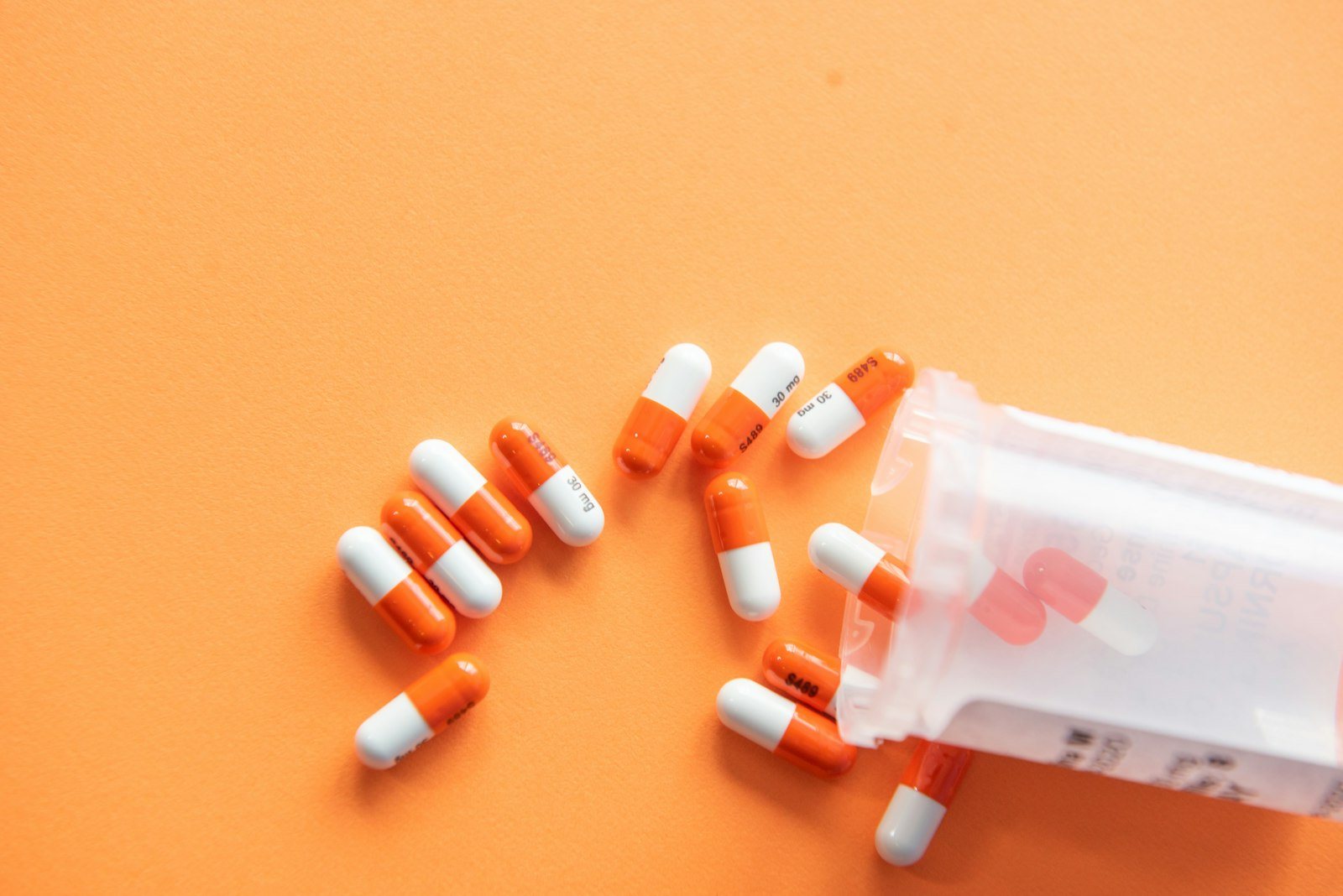
Penicillin or amoxicillin remains first choice, for ten days. Strep has not developed resistance to penicillin, which is unusual and worth appreciating in the context of antibiotic resistance more broadly. A genuine penicillin allergy has well-established alternatives.
You should feel meaningfully better within 48 hours of starting. If you do not, that is worth a call rather than patience.
- Difficulty breathing or swallowing your own saliva, which is an emergency
- Severe pain on one side, or difficulty opening your mouth fully
- A swelling in the neck that is enlarging
- Fever that returns after settling, or persists past 48 hours on treatment
- A rash appearing after starting the antibiotic
- Any of the warning signs of sepsis
A sore throat that keeps returning, or an infection that never fully clears, is worth a specialist opinion. You can reach us through the contact page.
Frequently asked questions
Can I tell strep from a viral sore throat myself?
Not reliably. Fever without a cough, tender neck glands and white patches together raise the odds enough to test, but experienced clinicians still get it wrong without a swab, which is why the swab exists.
My rapid test was negative but I feel terrible. What now?
Feeling terrible is entirely compatible with a virus. If the picture strongly suggested strep, a culture may be sent. If symptoms are severe or one-sided, that needs looking at regardless of the test.
Do I really need all ten days of antibiotics?
Yes. The shortening of symptoms happens in the first two days; the prevention of rheumatic fever depends on completing the course. Stopping early is where the real risk sits.
How long am I contagious?
Roughly 24 hours after starting an effective antibiotic, which is the usual basis for returning to work or school. Untreated, you can pass it on for a couple of weeks.
I get strep every year. Should my tonsils come out?
Occasionally, but the bar is high and it is based on how many well-documented episodes occurred over how long. Several confirmed infections a year for a couple of years is the kind of pattern that prompts the conversation.
Sources and further reading: UCSF Health — Streptococcal screen.
This article is general health information, not medical advice, and it cannot account for your own history or medications. Discuss your situation with a qualified clinician before acting on anything you read here.