

People are told to get rid of the cat far more often than the evidence supports. The advice usually arrives at a pregnancy or a cancer diagnosis, it is well meant, and it is almost always unnecessary.
Infections do pass between pets and people. The list is shorter than the anxiety suggests, the routes are specific, and nearly all of them are managed by handling rather than by rehoming.
The ones that are actually transmitted
| Infection | From | How it actually reaches you |
|---|---|---|
| Toxoplasmosis | Cats, but mostly food | Cat feces after 24 hours, soil, and undercooked meat |
| Cat scratch disease | Cats, via their fleas | A scratch or bite from an infected cat |
| Salmonella | Reptiles, amphibians, poultry, chicks | Handling the animal or anything in its enclosure |
| Ringworm | Cats, dogs, rodents | Direct contact with the coat or skin |
| Campylobacter and giardia | Puppies and kittens with diarrhea | Contact with feces, usually via hands |
| Psittacosis | Birds, especially parrots | Breathing dust from droppings in an enclosed space |
| Bite infections | Cats and dogs | The bite itself; see animal and human bites |
The first row is the one that causes the most unnecessary distress. Most human toxoplasmosis in the United States comes from undercooked meat and unwashed produce, not from cats — and an indoor cat fed commercial food is a negligible source.
The toxoplasmosis conversation, properly

A cat sheds the parasite for a short period after a first infection, usually early in life, and the shed form is not infectious for roughly the first day. That single fact is what makes daily litter changing effective.
- Have someone else change the litter tray if you are pregnant or immunosuppressed
- If that is not possible, change it daily, wear gloves, and wash your hands after
- Keep cats indoors and feed commercial food rather than raw meat
- Wear gloves for gardening, since outdoor soil is a more likely source
- Cook meat to a measured temperature and wash produce; see food safety when your immune system is weak
- Do not adopt a new stray kitten during pregnancy or immune suppression
Nothing on that list is rehoming the cat. Pregnancy and immune suppression change how the litter tray is handled, not whether you can keep a pet.
Scratches, bites and the flea connection

Cat scratch disease produces a small bump at the site and swollen lymph nodes a week or two later. In healthy people it usually settles by itself; in immunosuppressed people it can be more serious and is treated.
Cat bites are a different matter and are covered in our article on animal and human bites. They infect more often than dog bites because the teeth are narrow and deep, and a cat bite over a joint or tendon is a same-day problem.
Reptiles, amphibians and birds
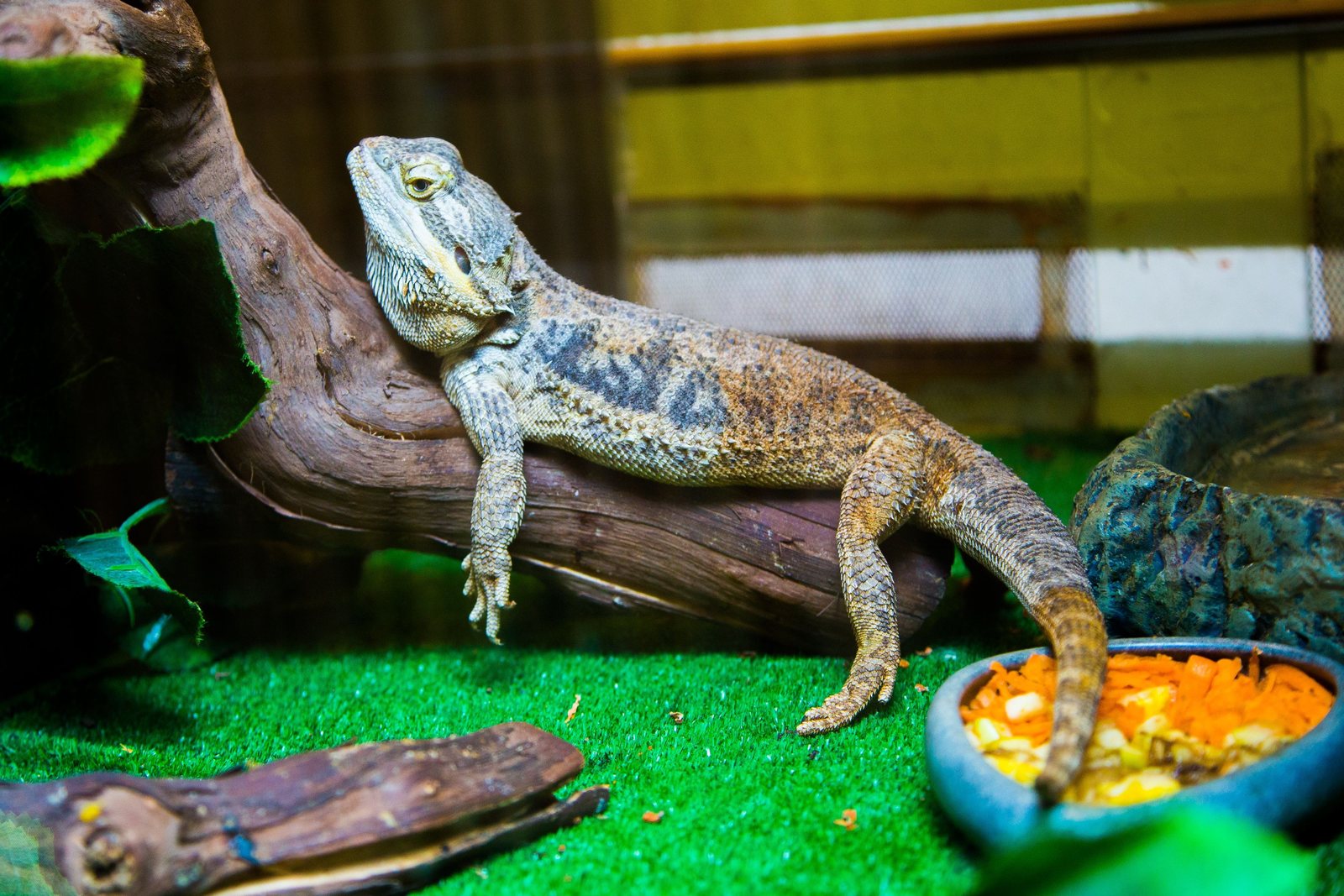
This is the one genuine reason to reconsider a pet rather than a habit. Reptiles, amphibians, chicks and ducklings carry salmonella routinely, and it is on their skin and everything in the enclosure rather than only in their droppings.
- Not recommended in households with children under five, adults over 65, or anyone immunosuppressed
- Wash hands thoroughly after any contact with the animal or its enclosure
- Never clean a tank in the kitchen sink, or in the bath
- Keep the animal out of food preparation areas entirely
- Do not kiss or hold reptiles near your face
- Birds: clean cages in a ventilated space and dampen droppings first to avoid dust
Choosing a pet while immunosuppressed
Getting a new animal is a different question from keeping an existing one, and it is reasonable to be more careful about it.
- An adult animal from a known home carries less risk than a young stray
- Kittens and puppies shed more organisms and are more likely to scratch and nip
- Avoid animals with diarrhea entirely until a vet has dealt with it
- Keep the animal current on veterinary care, deworming and flea control
- Feed commercial food rather than raw diets, which carry salmonella into the house
- Tell your veterinarian that someone in the household is immunosuppressed; it changes their advice too
Dogs, specifically
Dogs generate less of this anxiety than cats and deserve a short mention of their own. The realistic risks are bites, which are covered in our article on animal and human bites, diarrheal organisms from puppies, and ringworm.
The one genuinely dog-specific caution is licking. A bacterium carried in dog saliva can cause severe infection in people without a working spleen or with significant liver disease — rare, but serious enough that those groups are advised to avoid letting dogs lick broken skin, and to seek care promptly after any bite.
Fish tanks, farms and the unusual ones
Two exposures come up rarely and are worth a line each, because neither is obvious.
Aquarium water can carry an organism that causes a slowly growing skin infection on the hands and forearms, typically after a scratch while cleaning a tank. It is easily missed for months because it looks like an ordinary lump and does not respond to ordinary antibiotics. Wearing gloves prevents it; mentioning the aquarium is what gets it diagnosed.
Farm animal contact, including petting zoos and county fairs, is a recognized source of E. coli and cryptosporidium, particularly in children. Hand washing stations exist at those events for a reason and hand sanitizer is not an adequate substitute against cryptosporidium.
What pets do not transmit
Some of the most common worries are simply not how these infections work.
- MRSA passes in both directions between people and pets, but people are usually the source
- Colds and flu are not caught from dogs or cats
- Lyme disease is not caught from a dog; the dog can bring ticks indoors, which is a different problem — see tick bites in Georgia
- Worms from pets are uncommon in adults with basic hygiene, and routine deworming handles most of it
- HIV and hepatitis are not transmitted by pets in any direction
Pets also do measurable good for the people who live with them, which belongs in the calculation. If you are immunosuppressed and worried about a specific animal or a specific exposure, that is a much better question to bring to an appointment than a general one. Our article on what happens at an infectious disease consultation covers how to raise it, and you can reach us through the contact page.
Frequently asked questions
Do I have to give up my cat if I am pregnant?
No. The standard advice is to have someone else change the litter tray, or to change it daily with gloves and wash your hands. Most toxoplasmosis in the US comes from undercooked meat rather than from cats.
What about if I am immunosuppressed?
The same handling changes apply, with more attention to scratches, bites and flea control. Reptiles, amphibians and baby poultry are the animals genuinely worth avoiding.
Is cat scratch disease serious?
In healthy people it usually resolves on its own over weeks. In immunosuppressed people it can be more serious and is treated. Flea control on the cat is the effective prevention, since fleas carry the bacterium.
Are reptiles really that risky?
They carry salmonella as normal gut flora, including healthy animals, and it is on their skin and enclosure. They are not recommended for households with young children, older adults, or anyone immunosuppressed.
Can my dog give me Lyme disease?
Not directly. A dog can carry ticks into the house, and those ticks can bite you, which is a reason for tick control on the dog rather than a reason to worry about the dog itself.
Sources and further reading: Cornell University College of Veterinary Medicine — Zoonotic disease: what can I catch from my cat?.
This article is general health information, not medical advice, and it cannot account for your own history or medications. Discuss your situation with a qualified clinician before acting on anything you read here.