

The textbook signs of infection are fever, a raised heart rate and feeling obviously unwell. In someone over eighty, those may never appear.
What appears instead is confusion, a fall, a sudden loss of appetite, or simply not being themselves. Families notice it first and are frequently told it is nothing. It often is not.

Why the presentation changes
Two things shift with age. The immune response that produces fever becomes blunted, so the temperature may barely move even during a significant infection. And the brain becomes more vulnerable to any physical stress, so illness anywhere in the body shows up as a change in thinking.
The result is that an infection which would produce a dramatic fever at thirty can produce nothing but quiet confusion at eighty-five.
| Infection | Typical in a younger adult | Often in an older adult |
|---|---|---|
| Pneumonia | Cough, fever, chest pain | Confusion, a fall, faster breathing, little cough |
| Urinary infection | Burning, urgency, frequency | Confusion, new incontinence, loss of appetite |
| Skin infection | Redness, pain, fever | Redness with little pain, and withdrawal |
| Any serious infection | High fever, obvious illness | Low or normal temperature, drowsiness, not eating |
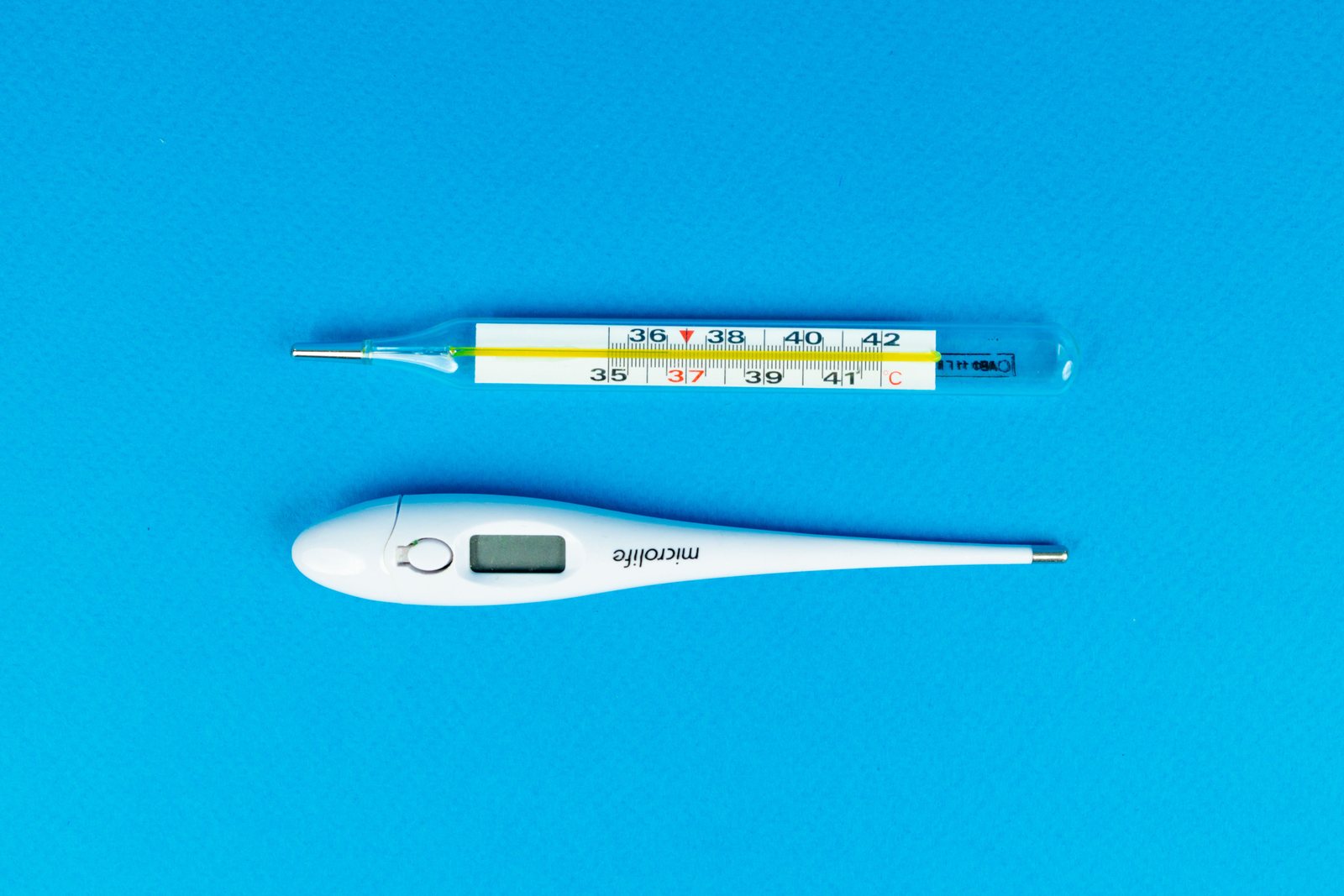
A normal temperature does not rule out infection in an older adult. A temperature that is lower than usual can itself be a warning sign, and so can a rise of even a degree above that person’s own baseline.
The signs families notice first
- New or worsening confusion, or being unusually withdrawn and quiet
- A fall, or new unsteadiness in someone who normally walks well
- Not eating or drinking, or refusing a favorite food
- New incontinence, or a sudden change in continence
- Sleeping far more than usual, or being hard to rouse
- Simply not being themselves, which is worth stating plainly to a clinician
That last one carries more weight than people expect. A family member saying that someone is not themselves is a recognized and useful clinical signal, and it should be said directly rather than hedged.
The urine test problem

Here is where a great deal goes wrong. Many older adults, particularly women and anyone with a catheter, have bacteria in their urine all the time without being infected. This is called asymptomatic bacteriuria, it is common, and it does not require treatment.
So a confused older person gets a urine test, bacteria are found, and the confusion is blamed on a urinary infection. Sometimes that is right. Often it is not, and two things follow: they receive antibiotics they do not need, and the real cause of the confusion is not looked for.
- Bacteria in the urine plus urinary symptoms usually does mean infection
- Bacteria in the urine with no urinary symptoms usually does not
- Confusion alone, with no urinary symptoms, is weak evidence for a urinary infection
- Treating bacteriuria that is not causing illness does not help and carries real cost
- Cloudy or strong-smelling urine is not by itself a reason for antibiotics

Those costs are not theoretical. Unnecessary antibiotics in older adults cause C. difficile, which is more dangerous in this age group than in any other, alongside drug interactions, kidney effects and resistant organisms that make the next real infection harder to treat.
It is entirely reasonable to ask: does this person have symptoms that point to the urinary tract, or only bacteria in the urine? That single question prevents a great deal of unnecessary treatment.
Where these infections usually start
A small number of sites account for most serious infection in older adults, and each has something practical that reduces the risk.
- The chest. Pneumonia is the most common serious infection in this age group. Difficulty swallowing raises the risk, because small amounts of food or fluid reach the lungs
- The urinary tract. Genuine infection is common, particularly with a catheter. Our article on recurrent urinary tract infections covers what actually prevents it
- The skin. Thin skin tears easily, and pressure areas and leg ulcers are entry points. Cellulitis can spread with little pain to signal it
- The mouth. Poor dental health feeds infection elsewhere, including the chest and occasionally the heart valves
- Devices. Catheters, feeding tubes and lines all provide a route in, and each should be reviewed regularly for whether it is still needed
The single most effective preventive step is removing a urinary catheter that is no longer necessary. Catheters are frequently left in long after the reason for them has passed, and every additional day carries risk.
What genuinely needs urgent attention
None of the above is an argument for waiting. The point is to look properly rather than to assume, and some things need to be seen the same day.

- Confusion that came on over hours rather than weeks
- Breathing that is faster than usual, or new breathlessness
- A temperature above 100.4 degrees Fahrenheit, or below 96.8
- Not passing urine, or passing very little
- Drowsiness, or difficulty waking the person
- Any of the warning signs of sepsis, which in older adults may appear without a fever at all
Sudden confusion in an older adult is treated as a medical problem until proven otherwise. It is not a normal part of aging, and gradual memory change over months is a different thing entirely from a change over a day or two.
What helps in advance
- Know the person’s usual baseline temperature, so a change is recognizable
- Keep a current list of medications and conditions somewhere findable
- Keep vaccinations current; see our article on adult vaccines
- Encourage fluids routinely, as thirst diminishes with age
- Keep dental and skin care up, since both are common entry points
- Write down what changed and when, before the appointment
If infections keep recurring, or a diagnosis has never been clear, our article on when to see an infectious disease specialist explains what that assessment adds. You can reach us through the contact page.
Frequently asked questions
Can someone have a serious infection without a fever?
Yes, and it is common in older adults. The response that produces fever weakens with age, so temperature can stay normal or even fall during significant infection. A normal reading does not rule anything out.
My relative is confused. Is it a urinary infection?
It might be, but confusion alone is weak evidence. Bacteria are often present in the urine of older adults without causing illness, so finding them does not confirm the cause. Ask whether there are urinary symptoms as well.
Why would antibiotics be withheld if the test grew bacteria?
Because bacteria in the urine without symptoms is usually not an infection, and treating it does not help. It exposes the person to C. difficile, drug interactions and resistance while leaving the real cause unexamined.
Is confusion just part of getting older?
Gradual memory change over months is different from confusion developing over hours or days. The sudden kind is a medical problem and should be assessed promptly rather than attributed to age.
What should I tell the doctor?
What changed, when it started, and what the person is normally like. Their usual baseline is information only you have, and it is often what makes the difference between a change being taken seriously and being missed.
Sources and further reading: HealthInAging.org (American Geriatrics Society) — Urinary tract infections and asymptomatic bacteriuria.
This article is general health information, not medical advice, and it cannot account for your own history or medications. Discuss your situation with a qualified clinician before acting on anything you read here.