
Patient Education
General health information from Infectious Disease Specialists of Atlanta. Not medical advice for any individual situation.
-

Tick Bites in Georgia: What to Watch For
Which tick-borne illnesses occur in Georgia, how to remove a tick properly, the symptoms that matter in the weeks afterwards, and how to avoid bites.
-
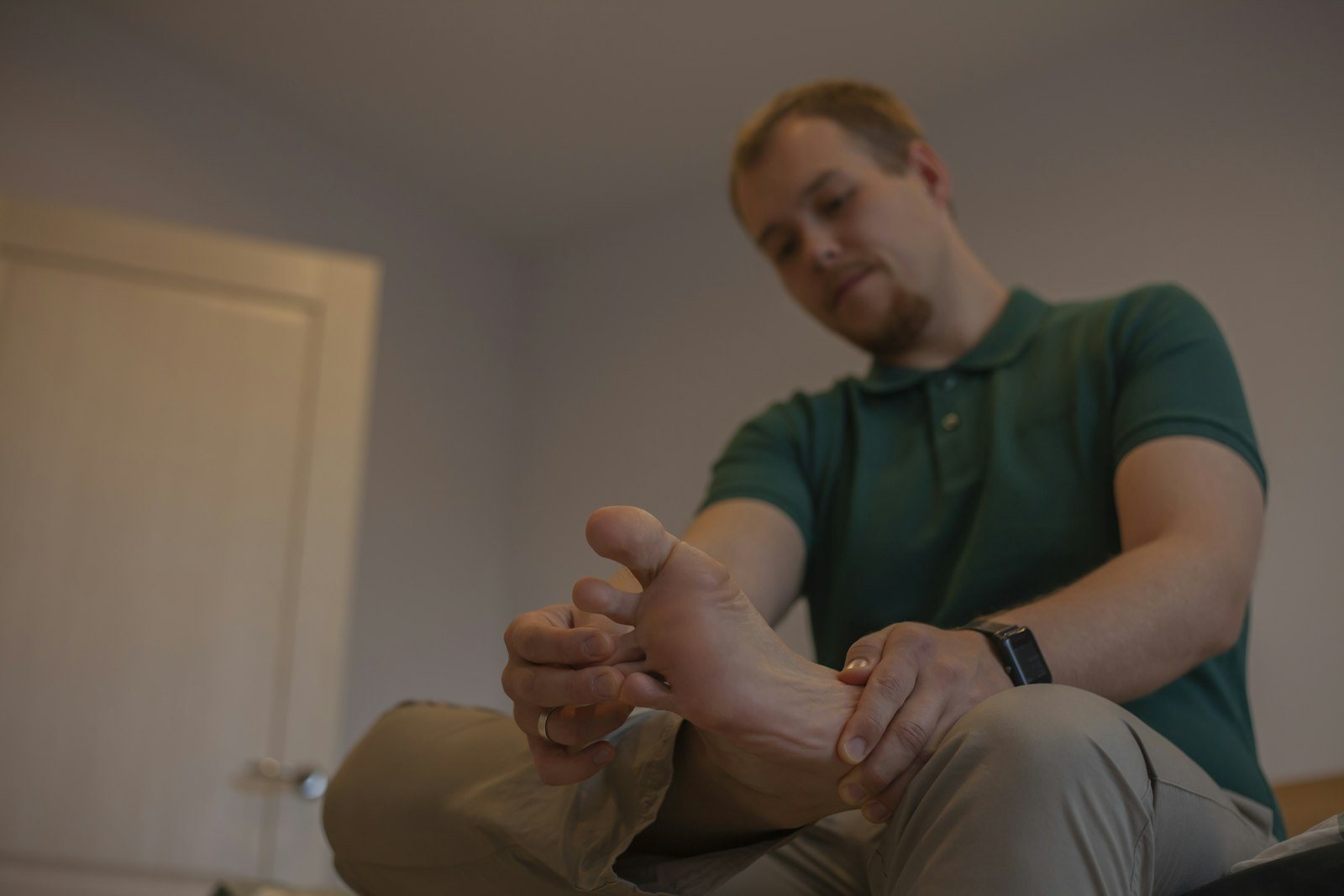
Diabetic Foot Ulcers: Preventing the First One
Why diabetes puts feet at risk, how to run a daily check that takes two minutes, what footwear changes, and which findings need calling about the…
-

Antibiotic Resistance: Why Fewer Prescriptions Protect You
Why antibiotics do nothing for viral illness, how resistance develops, what it costs you personally, and what actually helps when you are unwell.
-

Sepsis: The Warning Signs That Need Emergency Care
How an ordinary infection becomes sepsis, the warning signs that mean emergency care, who is most at risk, and what recovery afterwards involves.
-

HIV Prevention: How PrEP Works
What pre-exposure prophylaxis is, who it is for, the testing and monitoring it involves, and how it differs from PEP and from HIV treatment.
-

Hepatitis C Treatment: What to Expect Today
How hepatitis C is screened for and treated with modern oral antivirals, what a course involves week to week, and how cure is confirmed afterwards.
-

Bone and Joint Infections: What Treatment Involves
How osteomyelitis, septic arthritis and prosthetic joint infection are diagnosed and treated, why courses run for weeks, and what recovery involves.
-

C. difficile: Diarrhea After Antibiotics
Why antibiotics can trigger C. difficile, how it differs from ordinary upset, how it is tested and treated, and what makes it come back.
-
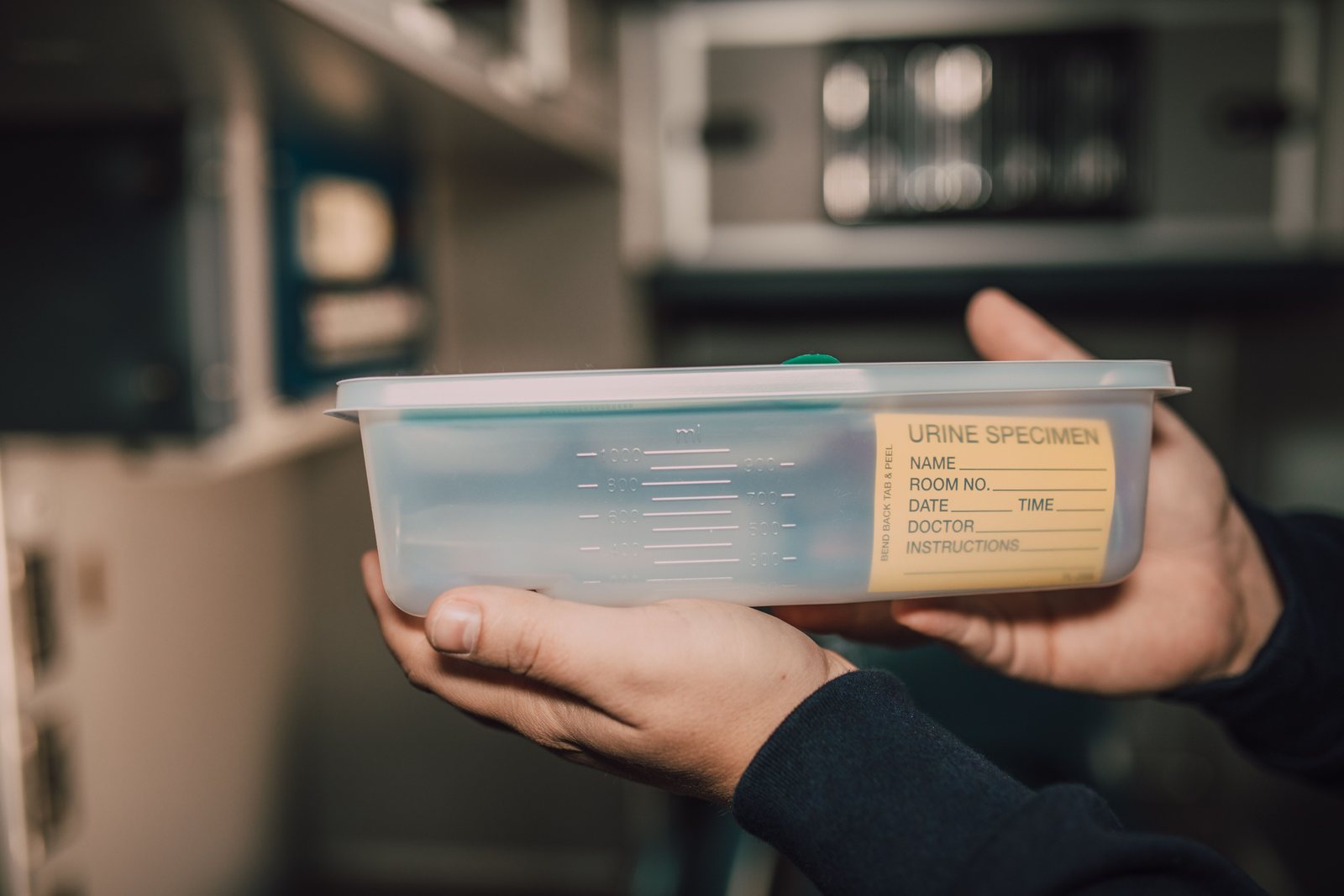
Recurrent UTIs: When It Is Time to See a Specialist
What counts as a recurrent urinary tract infection, why they keep coming back, which prevention steps are supported, and when specialist testing helps.
-

Cellulitis: When a Skin Infection Needs Urgent Care
How to recognize cellulitis, the warning signs that mean same-day care, the conditions it is mistaken for, and when a specialist should be involved.