
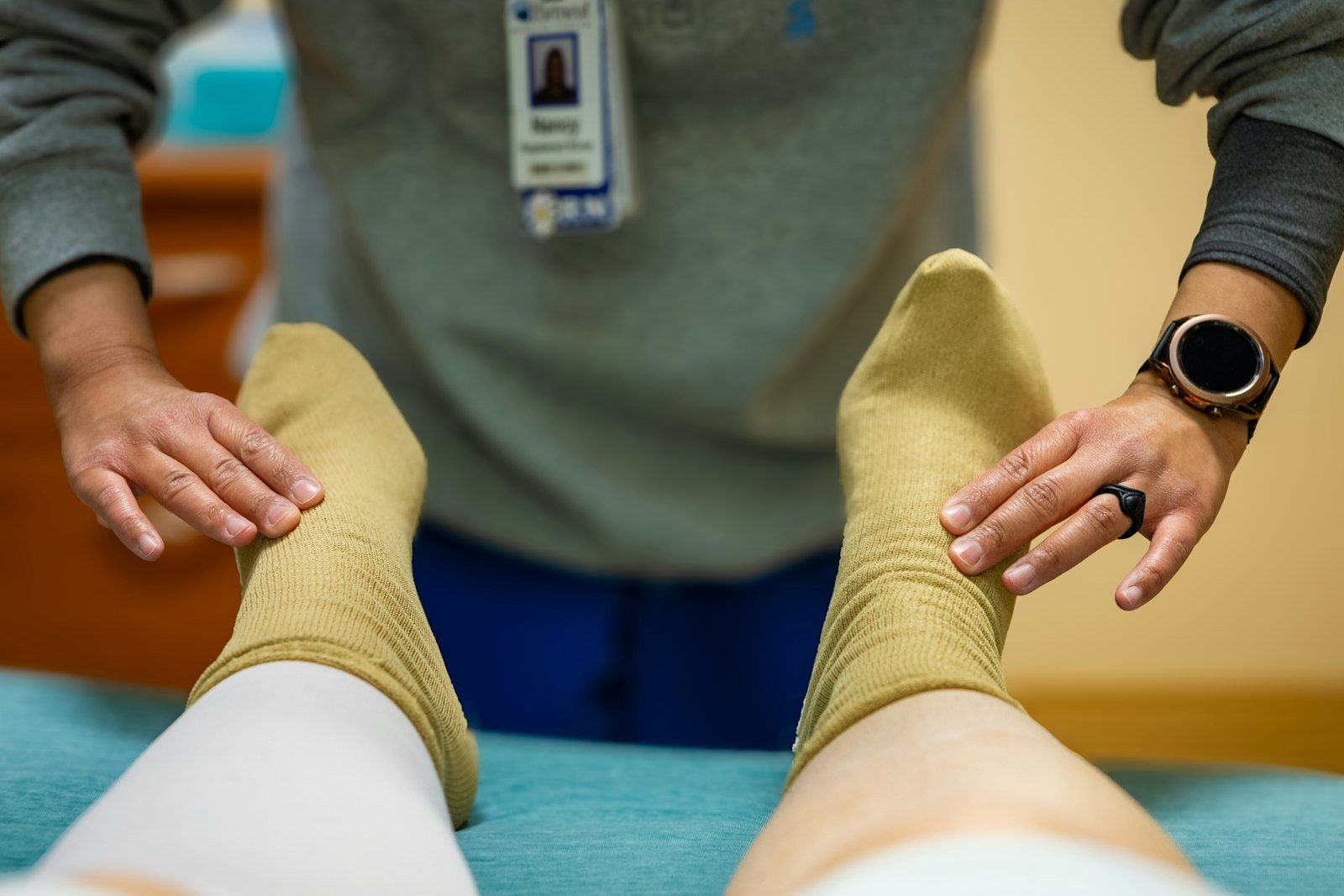
A foot ulcer that will not heal is a wound problem. A foot ulcer that has reached bone is a different problem entirely, treated for months rather than weeks, and it is the point at which most people meet an infectious disease specialist.
The transition is quiet. There is often no new pain, because the nerve damage that allowed the ulcer in the first place also removes the warning. Frequently the only sign is that a wound which should have closed by now has not.
What makes a foot ulcer able to reach bone
Three things usually line up, and they are the same three that made the ulcer likely to begin with. Our article on preventing diabetic foot ulcers covers the daily practice that heads this off.
- Neuropathy. Reduced sensation means an injury is not felt, so it is walked on until it is deep.
- Poor circulation. Less blood reaching the foot means slower healing and less antibiotic delivered to the tissue.
- Depth and time. The longer an ulcer stays open, the more chance bacteria have to travel down to bone.
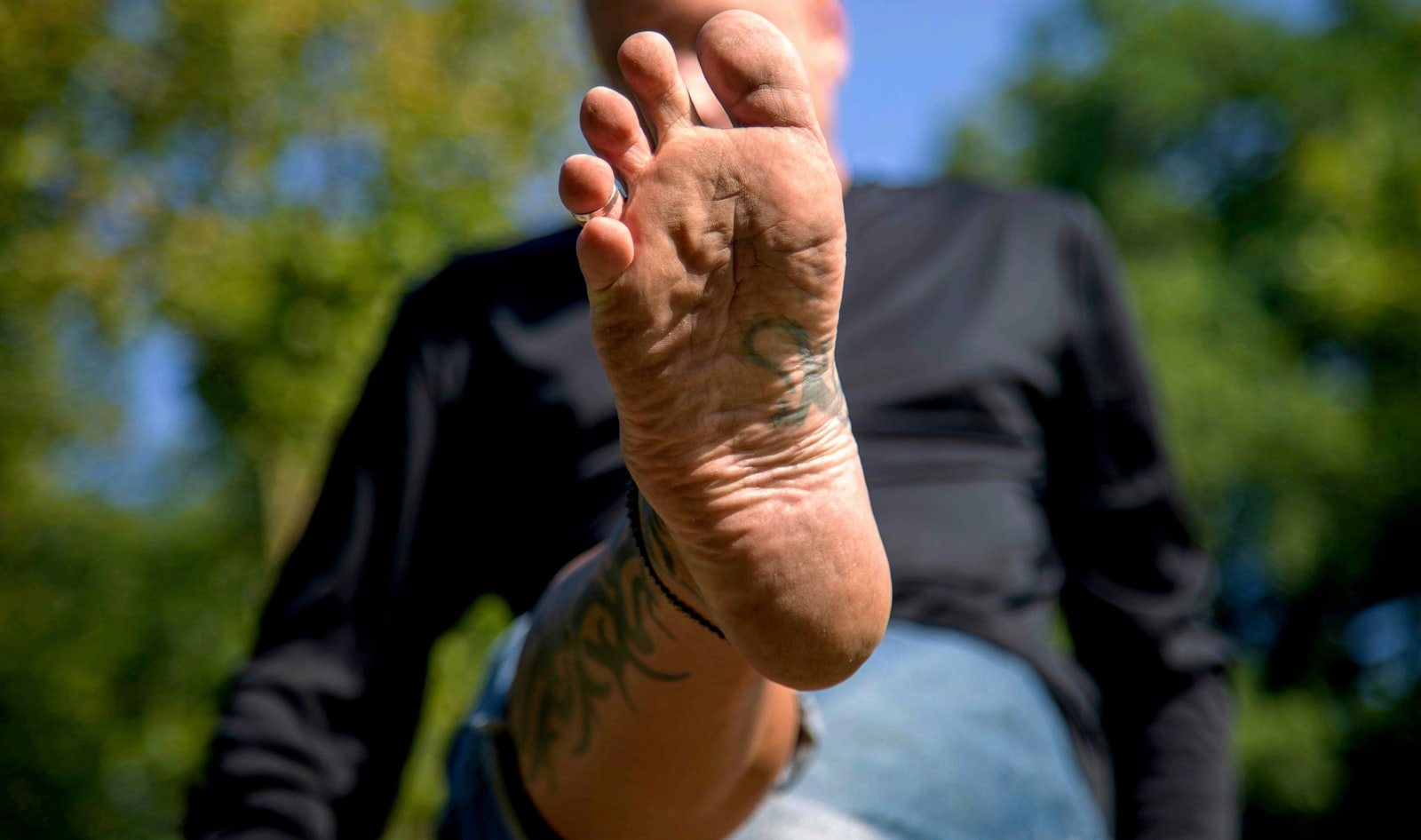
Circulation is worth singling out. Where blood flow to the foot is poor, an antibiotic given at a normal dose may simply never arrive in useful quantity, which is why an assessment of the circulation happens early rather than after treatment has failed. It is also why a spreading skin infection in a foot behaves differently from cellulitis elsewhere on the body.
The signs that it has gone deeper
None of these is proof, and any one of them is a reason to be seen rather than to wait for the next scheduled appointment.
- An ulcer that has not healed after about six weeks of proper care
- A wound you can see bone in, or that a probe reaches bone through
- A sausage-shaped, swollen, red toe
- Increasing drainage, or a change in smell
- New warmth or swelling across the foot
- Blood sugars that have become hard to control for no clear reason
- Fever, though it is often absent even with established bone infection
The absence of pain is not reassurance here. Neuropathy removes exactly the signal that would otherwise tell you something is wrong, and the most serious foot infections are frequently the least painful.
How it is confirmed
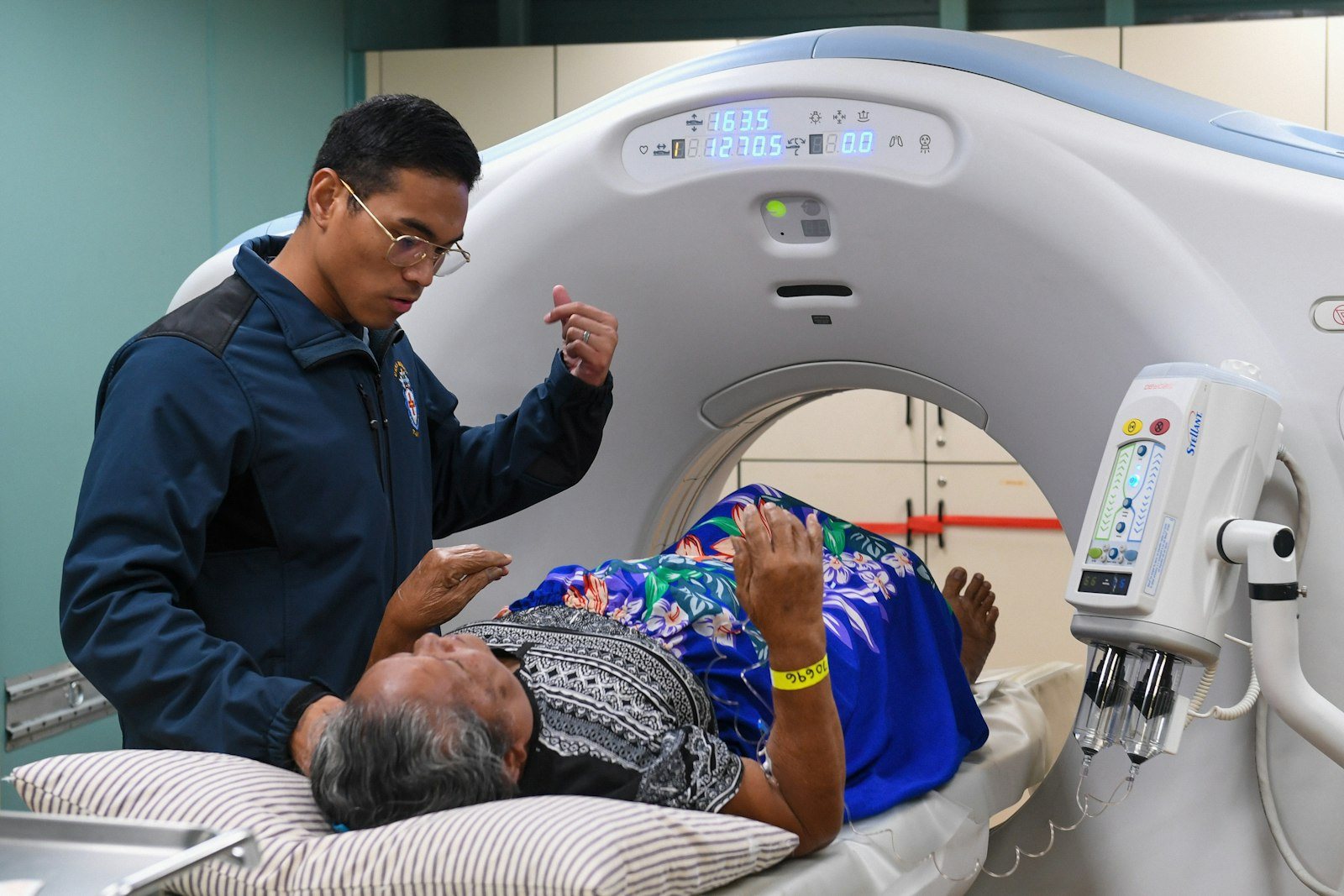
The simplest test is the oldest: a sterile blunt probe is passed into the ulcer. If it reaches bone, bone infection is likely, and that finding alone changes the plan.
- Probe-to-bone testing at the bedside
- Plain X-rays, which are useful but lag behind — changes can take weeks to appear
- MRI, which is the most informative scan for this question
- Blood tests for inflammation, which help track progress more than they diagnose
- A bone sample where possible, which is the only way to know which organism it is
- Assessment of the circulation, because healing depends on it
| Test | What it answers | Where it falls short |
|---|---|---|
| Probe to bone | Whether a probe reaches bone through the ulcer | Suggestive rather than definitive on its own |
| Plain X-ray | Whether bone has visibly changed | Lags weeks behind the infection; a normal film proves little early |
| MRI | Whether bone and surrounding tissue are involved, and how far | Harder to interpret where there is prior surgery or hardware |
| Inflammatory blood tests | Whether inflammation is rising or settling | Rise for many reasons; better for tracking than diagnosing |
| Bone sample and culture | Which organism it actually is | Requires a procedure, and is falsely negative if antibiotics started first |
| Wound surface swab | What is growing on the surface | Frequently not the organism infecting the bone |
That last row is the one worth arguing about with anyone who offers a swab as the answer. Surface bacteria and bone bacteria are often different organisms, and treating the wrong one wastes weeks.
That bone sample matters more than it sounds. A swab of the ulcer surface grows whatever lives on the surface, which is often not what is infecting the bone. Our article on culture and sensitivity results explains why the sample decides what the report can tell you.
Treatment: antibiotics, surgery, or both
Bone infection in the foot is treated for weeks, and the reasons are in our article on why some antibiotic courses run for weeks. Six weeks is common, often starting intravenously.
Surgery is not a failure of the antibiotics. Removing infected bone can shorten the antibiotic course considerably and improves the chance of healing, and in many cases the two are planned together from the start.
- Antibiotics alone, where the bone infection is limited and circulation is good
- Removal of infected bone, which can shorten treatment substantially
- Restoring blood supply, sometimes before anything else can work
- Offloading — casts, boots or special footwear, so the ulcer is not walked on
- Regular wound care and debridement; see why some wounds do not heal
- Amputation of a toe or part of the foot, which is sometimes the option that preserves the most function
Offloading is the part patients most often underestimate. An ulcer on the sole will not heal while it is being stood on, however good the antibiotics are.
What the months afterwards look like
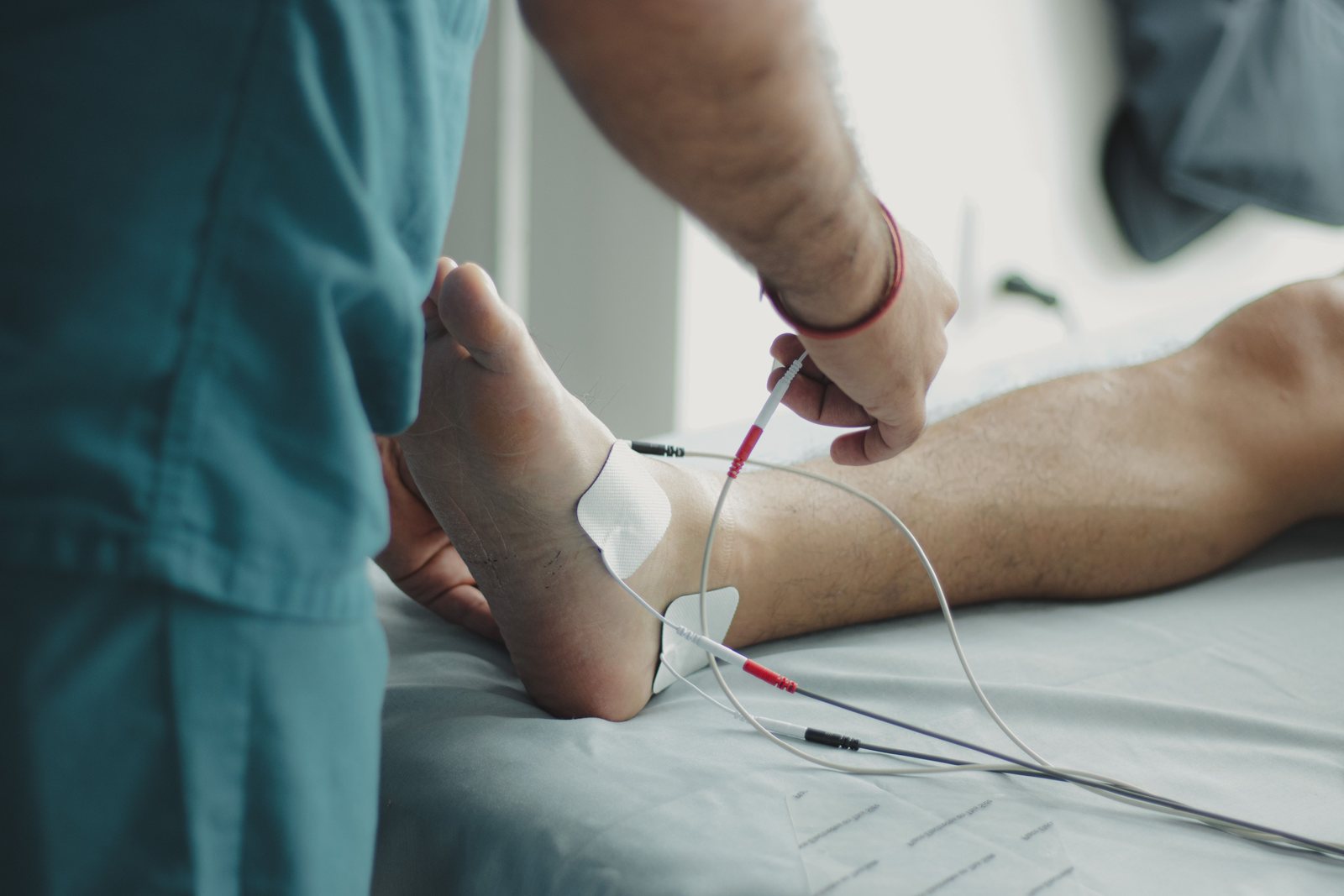
Recurrence rates after a healed diabetic foot ulcer are high — a large proportion of people have another within a few years. That is not a reason for despair; it is the reason follow-up continues after healing rather than stopping at it.
- Daily foot checks, including between the toes and the sole
- Properly fitted footwear, and custom insoles where prescribed
- Regular podiatry review rather than only when something is wrong
- Blood sugar, blood pressure and cholesterol control, which affect healing directly
- Stopping smoking, which affects circulation more than almost anything else
- Calling early about any new ulcer, however small it looks
Deep bone infection is managed jointly by podiatry, vascular surgery and infectious disease. Our article on when to see an infectious disease specialist explains what that part involves, and you can reach us through the contact page.
Frequently asked questions
How do I know if my foot ulcer has reached bone?
You often cannot tell from symptoms, because neuropathy removes the pain that would warn you. An ulcer not healed after about six weeks, one you can see bone in, or a swollen sausage-shaped toe all warrant assessment.
Does bone infection always mean amputation?
No. Many cases are treated with antibiotics, with or without removing a small amount of infected bone. Amputation is considered when the tissue cannot be saved or the circulation cannot be restored.
Why six weeks of antibiotics?
Bone has a poor blood supply, so antibiotics reach it slowly and at lower concentrations than they reach soft tissue. Where infected bone is surgically removed, the course is sometimes shorter.
Why does the wound swab not tell them enough?
A surface swab grows the bacteria living on the surface, which are often not the ones infecting the bone. A bone sample gives a far more reliable answer.
It does not hurt. Can it really be serious?
Yes, and the lack of pain is part of the problem. Nerve damage removes the warning signal, so the most serious diabetic foot infections are often the least painful.
Sources and further reading: American Podiatric Medical Association — Diabetic wound care.
This article is general health information, not medical advice, and it cannot account for your own history or medications. Discuss your situation with a qualified clinician before acting on anything you read here.