
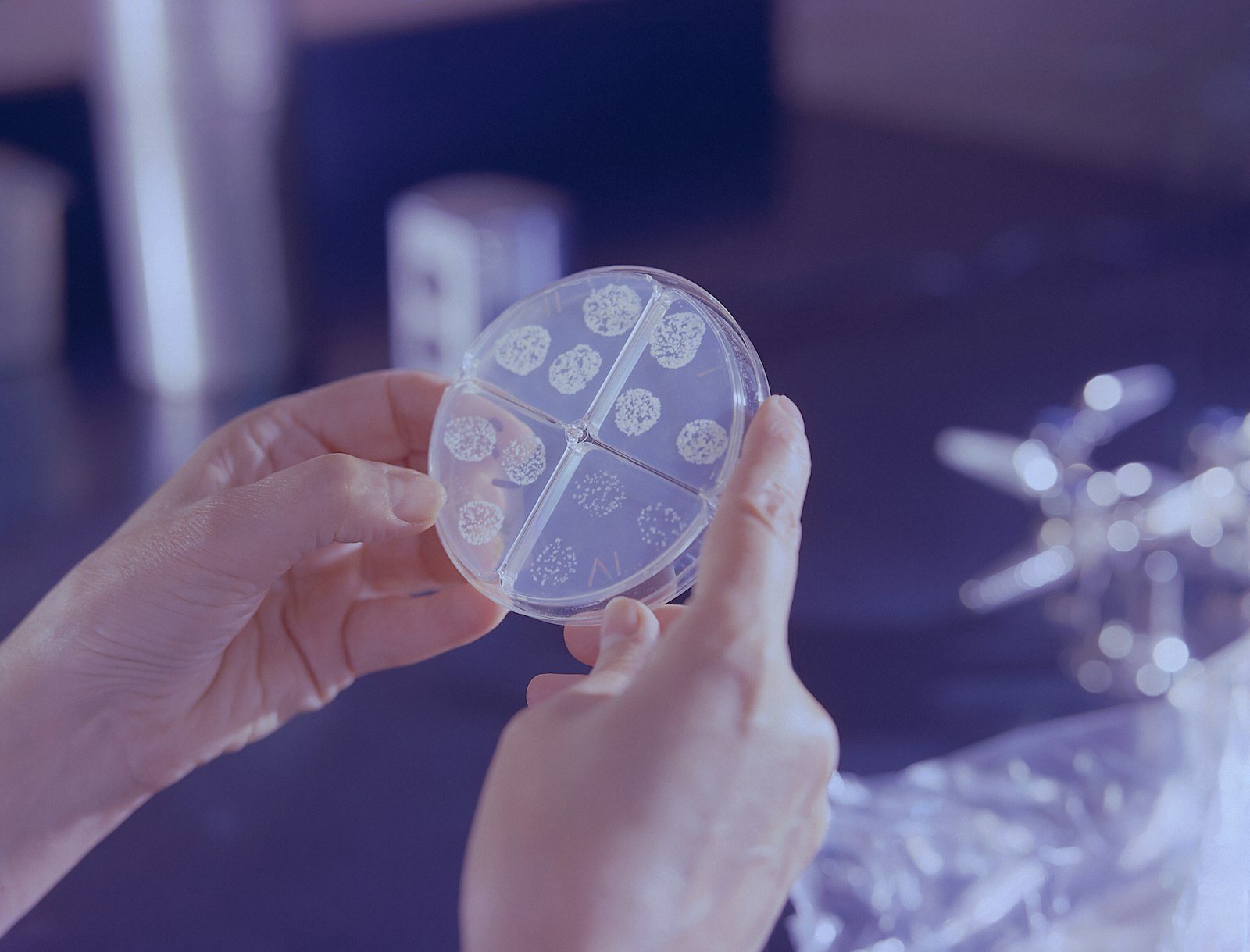
Someone takes a sample, tells you it has gone for culture, and that the result will take a couple of days. Meanwhile you are started on an antibiotic. Then the result arrives and the antibiotic is changed, or stopped, or left alone with no explanation of why.
All three of those are normal, and none of them means the first decision was wrong. The report is short and the words on it are used in a specific way that is worth knowing.
It starts with a sample, and that is the part patients can affect
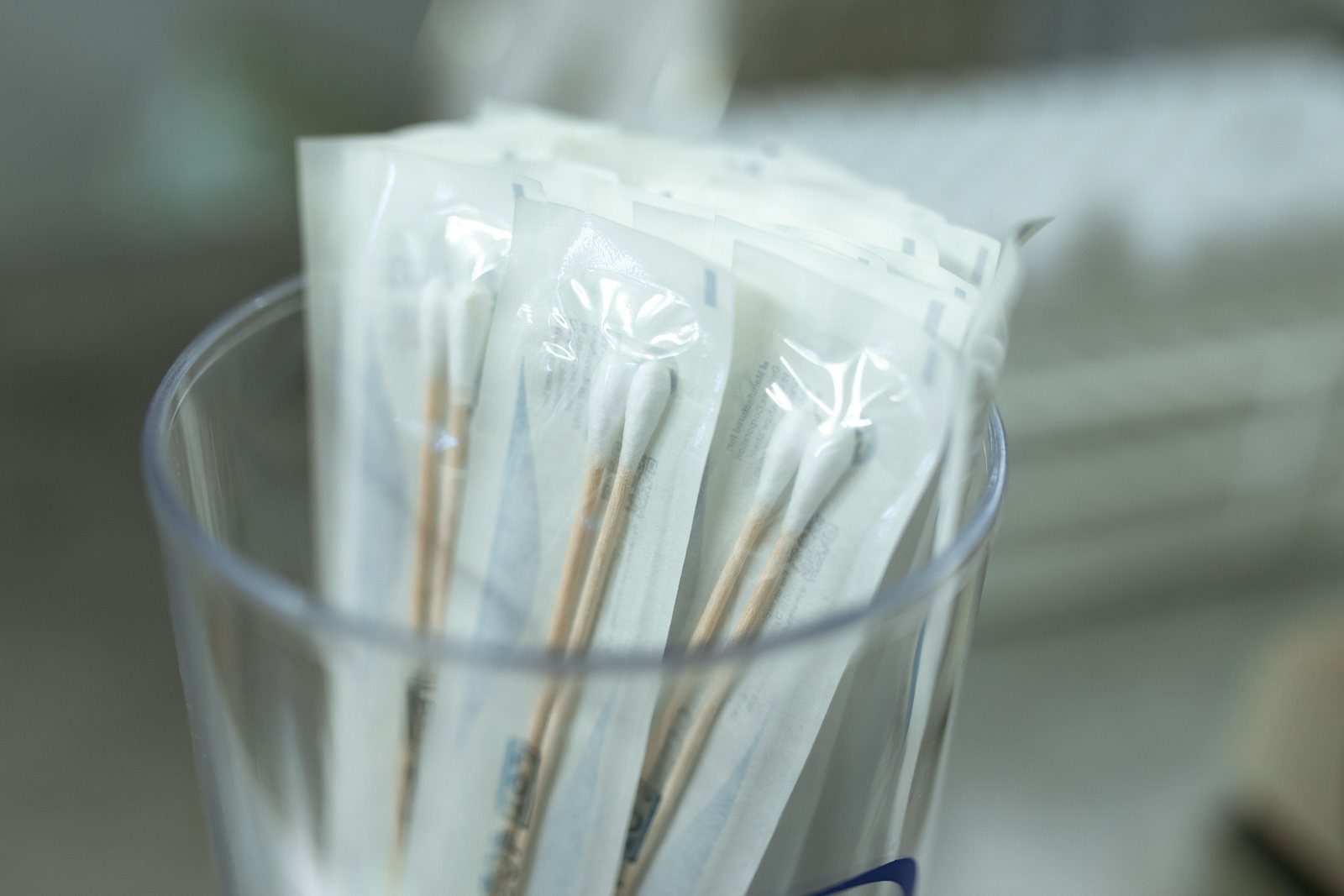
A culture can only grow what was collected. A urine sample taken carelessly grows skin bacteria. A wound swabbed across its surface grows whatever lives on the surface. A sputum sample that is really saliva grows mouth organisms.
This is why instructions about collection are more than bureaucracy, and why a sample taken before antibiotics start is worth far more than one taken after. Two blood culture bottles drawn from separate sites, a mid-stream urine, a deep wound sample rather than a surface swab: each is trying to make the result mean something.
If you are asked to hold off on antibiotics until a sample is taken, that is usually a few hours well spent. Antibiotics started first can make the culture grow nothing, which leaves the choice of treatment to guesswork for the rest of the illness.
Why it takes two or three days
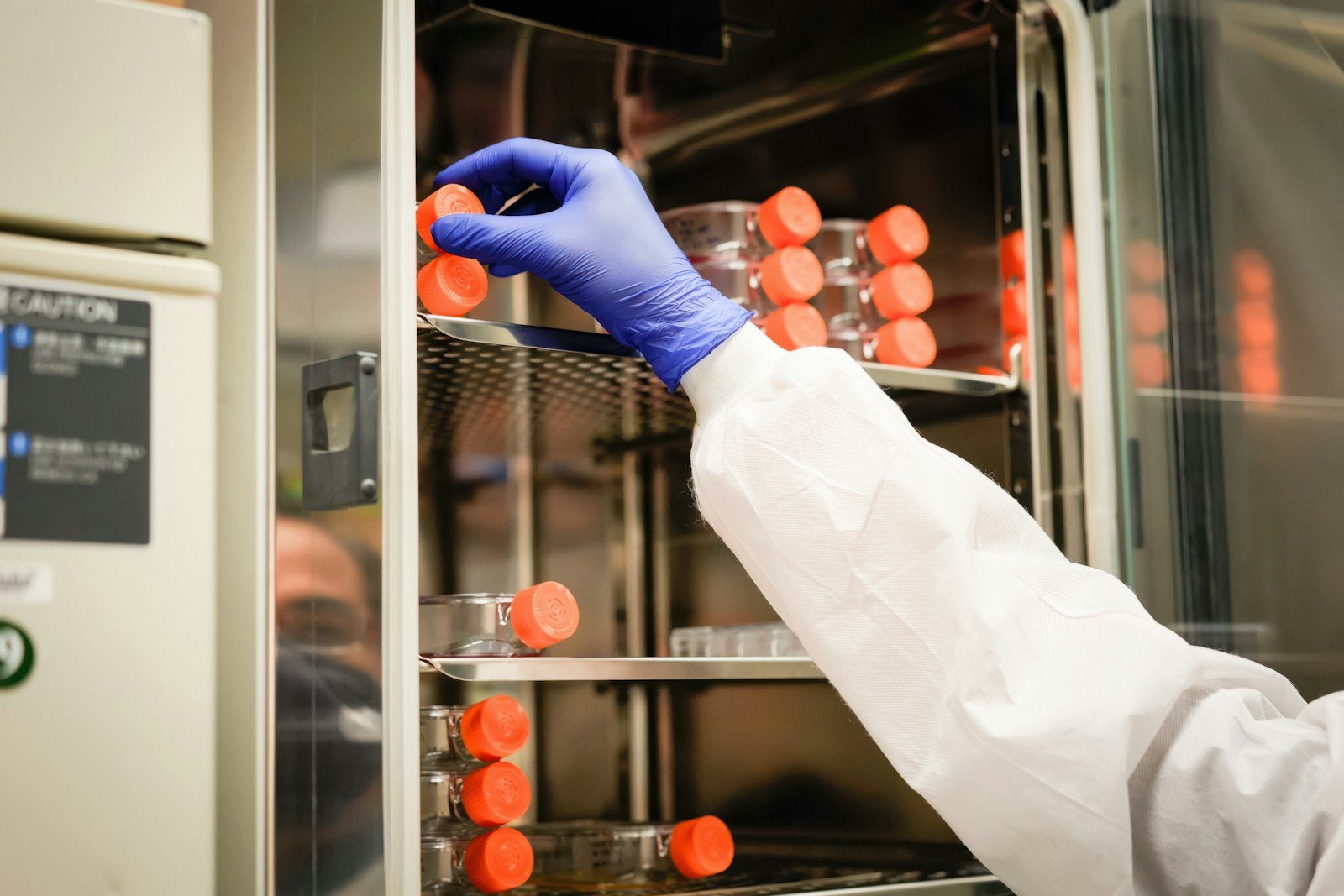
Nothing in the delay is administrative. Bacteria are put onto a growth medium and kept warm, and they multiply at their own pace until there are enough of them to see. Only then can they be identified, and only after that can antibiotics be tested against them.
- Day one: the sample is plated and goes into an incubator
- Day two: colonies are visible, and identification begins
- Day two or three: antibiotics are tested against the organism
- Day three: a full result with sensitivities is reported
- Longer for slow growers, including the organisms behind tuberculosis and some fungal infections
- Longer again for joint and implant samples, which are held deliberately; see infection after a joint replacement
Some information arrives earlier. A Gram stain can be reported within hours and says roughly what shape and family of organism is present, which is often enough to improve the first antibiotic choice long before the full result.
Empiric treatment, and why the antibiotic changes
The antibiotic you are given on day one is chosen before anyone knows what the organism is. That is called empiric treatment, and it is a reasoned bet based on the site of infection, what usually causes it locally, your allergies and what you have taken recently.
When the culture comes back, the bet is checked. Often the antibiotic is narrowed to something more targeted, which is better treatment rather than a downgrade: fewer side effects, less collateral damage to your gut bacteria, and less pressure toward resistance. Sometimes it is broadened. Occasionally it is stopped, because the culture shows there was no infection to treat.
What the words on the report mean

| On the report | What it means | What usually follows |
|---|---|---|
| No growth | Nothing grew in the time allowed | Often good news; can also mean antibiotics were started first |
| Sensitive (S) | This antibiotic should work at normal doses | A candidate for treatment |
| Intermediate (I) | Might work at higher doses, or at that body site | Used with care, sometimes for urinary infections |
| Resistant (R) | This antibiotic should not be relied on | Ruled out, whatever it did in the past |
| Mixed growth / normal flora | Several organisms, probably contamination | Usually a repeat sample rather than treatment |
| Colonization | The organism is present but not causing illness | Frequently no treatment at all |
That last row causes more argument than the rest of the report combined. Bacteria living on a surface without causing disease is normal, and treating it does harm without doing good. Our articles on infections in older adults and what MRSA does and does not mean both turn on that distinction.
Blood cultures are a special case
Blood is normally sterile, so anything growing from it is taken seriously in a way that a swab from a wound is not. That is why two sets are drawn from separate sites, and why the timing matters more than for any other sample.
Two sets growing the same organism is convincing. One set growing a common skin bacterium usually means the sample picked something up on the way in, which is exactly what the second set exists to distinguish. Anything genuinely in the bloodstream changes the whole plan, as our articles on sepsis and heart valve infection describe.
Why a sensitive antibiotic is not always the one chosen
The list of sensitive options is a menu, not a ranking. Several other things decide which is picked.
- Whether the drug reaches the infected site — some barely enter urine, bone, or the brain
- Whether it can be taken by mouth, or needs a line; see outpatient IV antibiotics
- Your kidney and liver function, and interactions with your other medications
- Allergies, and whether they are real; see whether a penicillin allergy is genuine
- How narrow the drug is, because the narrowest effective option is preferred
- Whether the infection involves an implant or a deep collection that needs draining
The last of those is the one people find hardest to accept: no antibiotic clears an undrained abscess, and no sensitivity report changes that.
Questions worth asking about your own result
- What grew, and is it the cause of my illness or just present?
- Was the sample taken before antibiotics started?
- Is the antibiotic I am on one the report says is active?
- Is there a narrower option that would work as well?
- How long is the course, and what decides when it stops?
- Does anything need draining or removing as well as treating?
Interpreting cultures, particularly resistant organisms and results that do not fit the clinical picture, is a large part of what an infectious disease practice does. Our article on when to see an infectious disease specialist sets out what that adds, and you can reach us through the contact page.
Frequently asked questions
Why does a culture take two or three days?
Because bacteria have to multiply to a visible colony before they can be identified, and then antibiotics have to be tested against them. The delay is biological rather than administrative. A Gram stain gives partial information within hours.
My culture showed no growth. Does that mean nothing is wrong?
Not necessarily. It often means no bacterial infection, which is useful. It can also mean antibiotics were started before the sample, the organism does not grow easily, or the sample missed the infection.
Why was my antibiotic changed when I was getting better?
Usually to narrow it. The first choice covers many possibilities; once the organism is known, a more targeted drug does the same job with fewer side effects and less resistance pressure. Feeling better does not mean the first choice was ideal.
The report says sensitive to several antibiotics. Why this one?
Because sensitivity is only one factor. Whether the drug reaches the infected site, whether it can be taken by mouth, your kidney function, allergies and how narrow it is all matter.
It grew bacteria but I was told not to treat it. Why?
Because bacteria being present is not the same as bacteria causing illness. Colonization is common, and treating it exposes you to side effects and resistance without benefit.
Sources and further reading: Testing.com — Antibiotic susceptibility testing.
This article is general health information, not medical advice, and it cannot account for your own history or medications. Discuss your situation with a qualified clinician before acting on anything you read here.