

Four courses of antibiotics in a year, and somebody says the word “immune system.” It is a reasonable thought and it is usually the wrong one. Most recurrent infection has a mechanical, local or behavioral explanation long before it has an immunological one.
That is worth knowing in both directions. It prevents an unnecessary and anxious work-up in most people, and it stops the small number with a genuine immune problem being told for years that they are simply unlucky.
The ordinary explanations, which come first
Before anything is tested, the question is whether there is a reason at the site itself.
- Was it the same infection each time, or different ones? Recurrent infection at one site points somewhere quite different from infections all over.
- Is something structural? Obstruction, a stone, a stricture, a catheter; see catheters and urinary infections
- Is it actually recurrence, or relapse? An inadequately treated infection that returns is a different problem; see how long antibiotic courses run
- Is it really infection at all? Several non-infectious conditions get treated repeatedly as infection
- Is there an obvious risk factor? Diabetes, smoking, a biologic, or immune-suppressing treatment
- Is there a reservoir? Sinuses, teeth, a collection, or a device
Our articles on recurrent urinary infections, sinus infections and cellulitis cover the three commonest sites, each of which has its own set of local explanations.
The patterns that do suggest something more

| Feature | Reassuring pattern | Worth investigating |
|---|---|---|
| Site | Same site each time | Different sites, repeatedly |
| Severity | Ordinary, outpatient | Needing hospital or intravenous treatment |
| Organism | Usual organisms | Unusual ones, or ones that rarely cause disease |
| Response | Clears with standard treatment | Needs prolonged or repeated courses to clear |
| Other features | Otherwise well | Poor growth in childhood, weight loss, chronic diarrhea |
| Family history | None | Relatives with similar problems or early deaths |
That third row does more work than the first. An unusual organism in an otherwise healthy adult raises the question far faster than a larger number of ordinary infections does. Our article on culture and sensitivity results explains why knowing the organism is worth the wait.
What an immune work-up actually involves
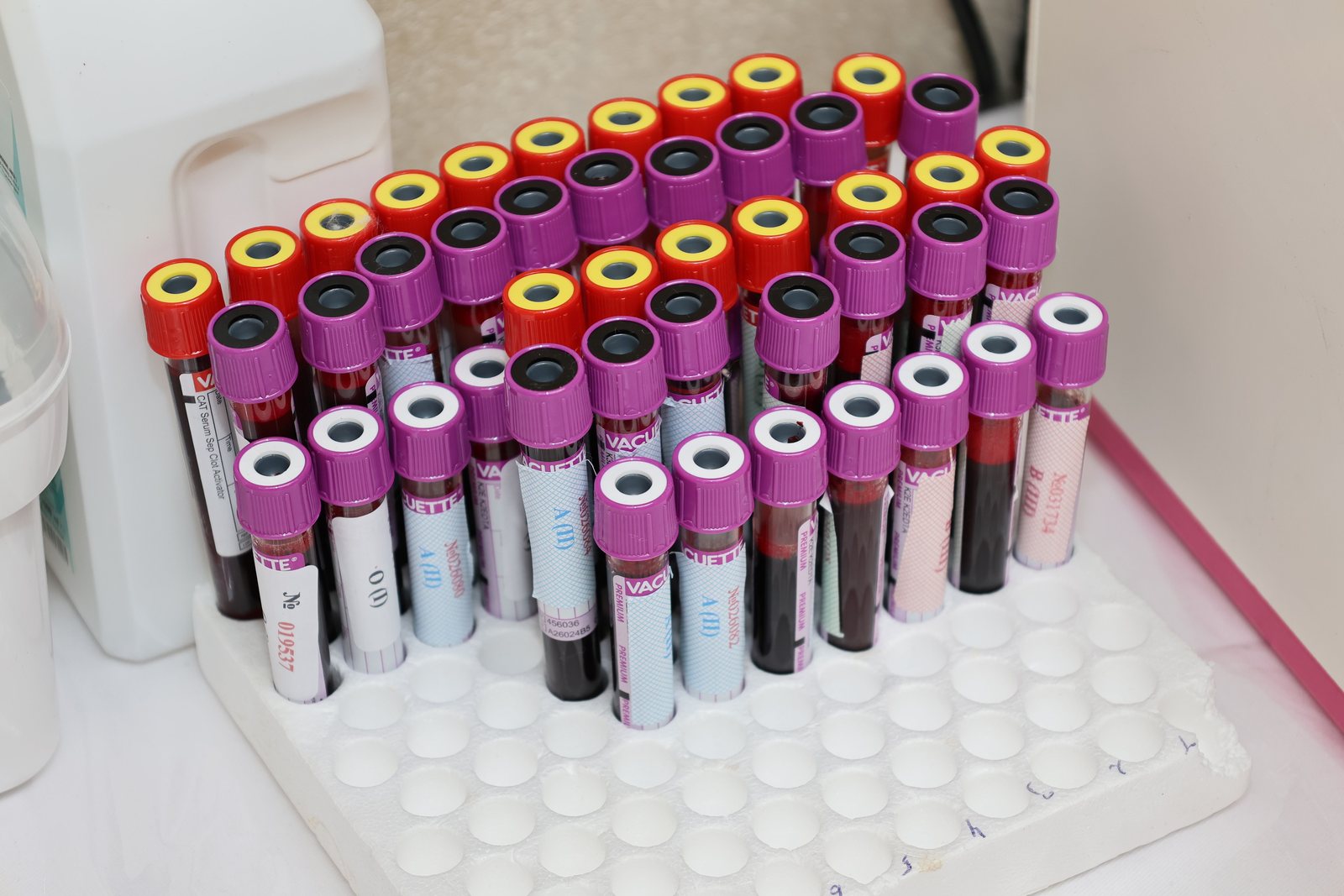
- A full blood count with differential, which alone detects several problems
- Immunoglobulin levels — IgG, IgA and IgM
- Antibody responses to vaccines you have already received, which tests function rather than quantity
- Complement testing, in specific patterns of infection
- HIV testing, which is part of any such work-up; see HIV treatment today
- Tests for secondary causes — diabetes, kidney and liver disease, medications
- Specialist immunology referral where the first round is abnormal
Note the third item. Measuring how much antibody someone has is less informative than measuring whether it works, which is why vaccine response testing is a standard part of the assessment rather than an exotic extra.
The ten warning signs, and what they are for
Several organizations publish a list of warning signs for immune deficiency, aimed at prompting a work-up rather than at making a diagnosis. They are worth knowing because they describe the pattern rather than the count.
- Recurrent infections needing antibiotics several times a year
- Two or more serious sinus infections in a year
- Two or more episodes of pneumonia in a year
- Infections that clear only with prolonged or intravenous antibiotics
- Deep skin or organ abscesses, occurring repeatedly
- Persistent thrush in the mouth or on the skin beyond infancy
- Infection with organisms that rarely cause disease in healthy people
- A family history of immune deficiency
Meeting one of these is not a diagnosis and does not mean something is wrong. It means the question is reasonable to ask, which is a much lower bar and a much more useful one.
Secondary causes are commoner than inherited ones
When an immune problem is found in an adult, it is far more often acquired than born with. The common causes are unglamorous and mostly treatable or modifiable.
- Medications — steroids, biologics, chemotherapy, some anti-seizure drugs
- Diabetes, particularly when control is poor
- Kidney or liver disease, and protein loss from either
- HIV, which remains under-diagnosed
- Blood cancers, particularly those affecting the antibody-producing cells
- Malnutrition, alcohol excess and smoking
- Absence of a working spleen
Primary immunodeficiency — the inherited kind — does occur in adults and is under-recognized, particularly the antibody deficiencies that present in the twenties and thirties with recurrent chest and sinus infections. It is uncommon, but it is not rare enough to ignore in the right pattern.
Children are a separate matter and are outside the scope of this article. Frequent coughs and colds in a young child in daycare are usually normal, and the warning signs used in childhood differ from those used in adults. Anyone worried about a child should raise it with their pediatrician rather than reading across from this.
What to bring to the appointment
This is a question answered largely by history, and the history is usually scattered across several places. Gathering it in advance shortens the process considerably.
- A list of every infection you can recall, with rough dates and the site
- Which antibiotics were used each time, and whether they worked
- Any culture results you have, which name the organism; see culture and sensitivity results
- Hospital admissions, and any intravenous treatment
- Your full medication list, including anything immune-suppressing; see antibiotics and your other medicines
- Vaccination history, which matters for the response testing
- Family history of recurrent infection or early unexplained death
Our article on what happens at an infectious disease consultation covers the appointment itself.
What treatment looks like if something is found

- Treating the secondary cause, where there is one
- Immunoglobulin replacement for antibody deficiency, by drip or under the skin; see what an infusion appointment involves
- Preventive antibiotics in selected situations
- Vaccination strategy adjusted to what does and does not work; see vaccines when your immune system is suppressed
- Prompt treatment of infections rather than watchful waiting
- Regular review, because the picture changes over time
And if the work-up is normal, that is a result rather than a failure. It moves the question back to the local and mechanical explanations, which is where the answer usually is. Our article on when to see an infectious disease specialist covers when to raise it, and you can reach us through the contact page.
Frequently asked questions
How many infections a year is too many?
There is no single number. The character matters more: infections at different sites, needing hospital treatment, caused by unusual organisms, or clearing only with prolonged courses. Several ordinary colds are not a warning sign.
Does a normal blood count rule out an immune problem?
No, but it is a useful start and detects several problems on its own. Immunoglobulin levels and vaccine response testing add the next layer.
Are inherited immune problems only diagnosed in children?
No. Antibody deficiencies in particular are frequently diagnosed in adults, often after years of recurrent chest and sinus infections, and are under-recognized.
Could my medication be the cause?
Quite possibly. Steroids, biologics, chemotherapy and several other drugs suppress immunity, and acquired causes are far commoner than inherited ones in adults.
What if all the tests are normal?
That is a useful result. It returns attention to local and mechanical explanations, which is where the answer usually lies for recurrent infection at a single site.
Sources and further reading: Immune Deficiency Foundation — What is primary immunodeficiency?.
This article is general health information, not medical advice, and it cannot account for your own history or medications. Discuss your situation with a qualified clinician before acting on anything you read here.