
Skip to content

Author: Alexandra W. Dretler

  • Questions to Ask Before Joining a Clinical Trial

    Questions to Ask Before Joining a Clinical Trial

    Being invited to join a clinical trial can feel like being handed a decision you have no training to make. The document is long, the language is technical, and the person explaining it is often someone you have only just met.

    You do not need a research background to decide well. You need a clear picture of what the study asks of you, what it might offer, and what happens if you say no.

    These are the questions worth asking before you sign anything.

    What a clinical trial actually is

    A clinical trial is a study that tests a medical approach in people. That might be a new drug, a new combination or dose of existing drugs, a vaccine, a device, or a different way of delivering care.

    Trials follow a written protocol that specifies exactly who can take part, what happens and when, and what is measured. That rigidity is deliberate: it is what makes the results interpretable.

    Studies are reviewed by an independent ethics committee, often called an institutional review board, before they can enrol anyone. Approval is a meaningful safeguard, though it is not the same as a guarantee of benefit to you.

    Understanding the phases

    Where a study sits in the development sequence tells you a lot about what is already known and what is not.

    What each trial phase is designed to answer
    PhaseMain questionTypical size
    Phase 1Is it safe, and what dose is tolerable?A small group
    Phase 2Does it appear to work, and what are the side effects?Tens to low hundreds
    Phase 3Is it better than the current standard treatment?Hundreds to thousands
    Phase 4How does it behave in wide, long-term use?Large populations after approval
    A clinician carrying out a health check during screening
    Eligibility criteria are set by the protocol before recruitment opens, so screening is a matching exercise rather than a judgement about you.

    Informed consent is a process, not a signature

    The consent document describes the study purpose, procedures, risks, potential benefits and alternatives. Reading it in the room, under mild social pressure, is not the intended use.

    You are entitled to take it home, discuss it with your family and your own physician, and come back with questions. A well-run study expects that.

    A person signing a document
    Signing the consent form records a decision; it does not commit you to remaining in the study.

    Signing also does not lock you in. You can withdraw at any point, for any reason or none, without affecting the care you receive otherwise.

    Questions worth asking

    About the study itself

    • What is this trial trying to find out?
    • What phase is it, and what is already known about this treatment?
    • Who is funding and sponsoring the study?
    • Is there a placebo group, and what are my chances of being assigned to it?
    • Will I be told which group I am in, and if not, when will I find out?

    About your time and commitment

    This is where trials most often surprise people. Study visits are usually longer and more frequent than routine care.

    • How many visits are there, and how long does each one take?
    • How long does participation last in total?
    • What tests are involved, and are any of them invasive?
    • Will travel or parking be reimbursed?
    • Do I need someone to accompany me to any visits?
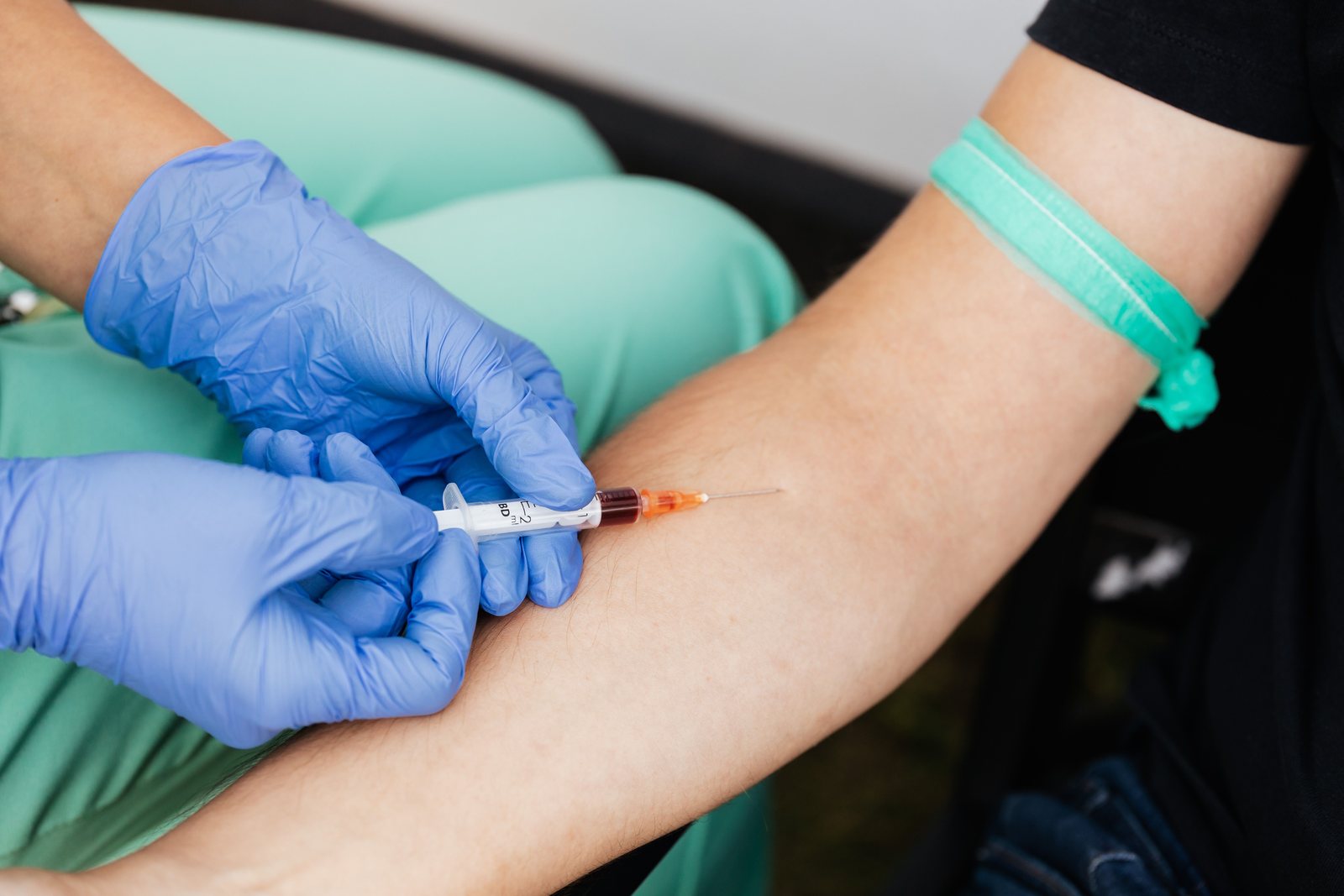
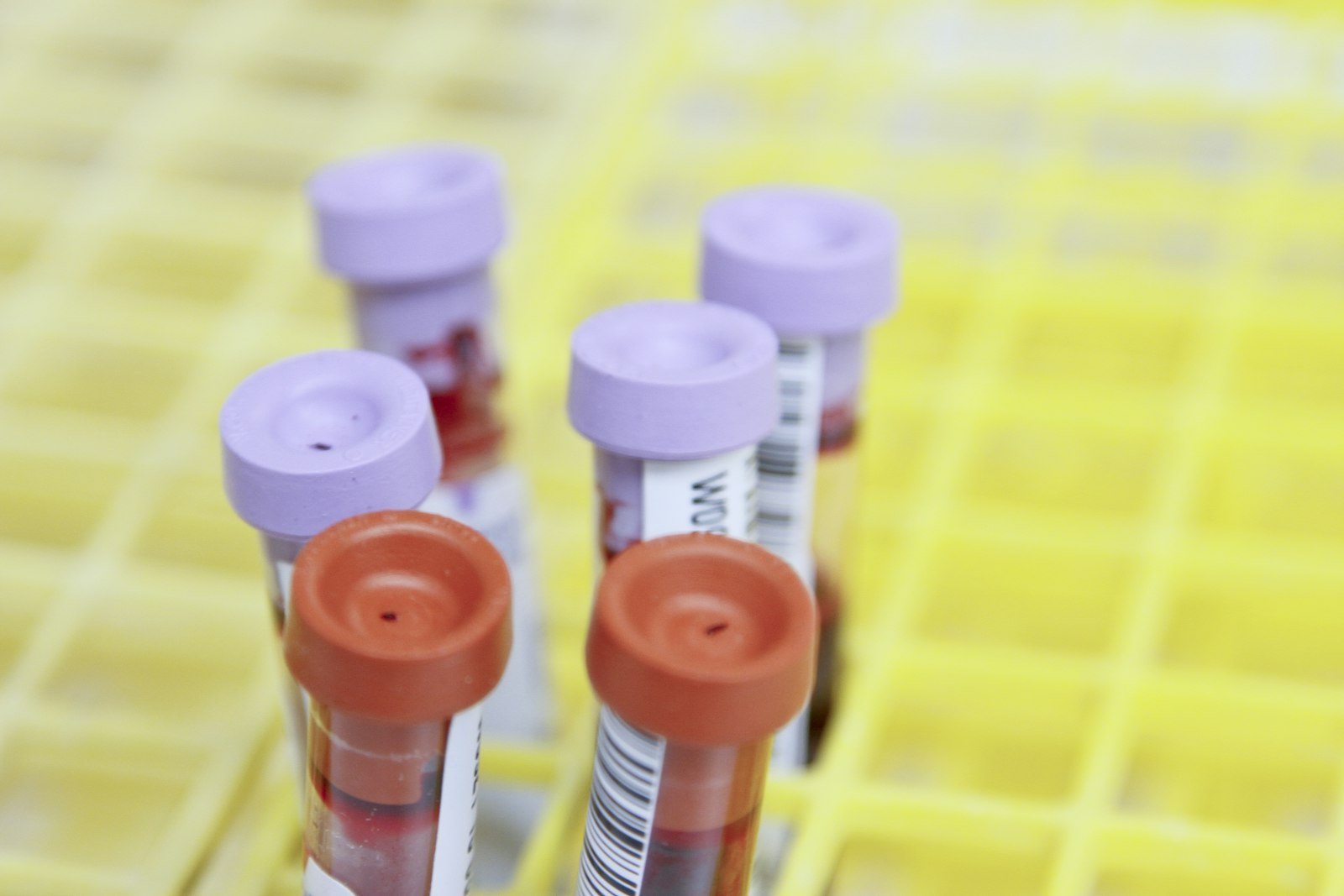
    A blood sample being drawn from a patient arm during a study visit
    Study visits are typically longer and more frequent than routine appointments, which is the practical factor people underestimate most.

    About risks and possible benefits

    • What are the known side effects, and how likely is each one?
    • What is not yet known about this treatment?
    • Might I benefit personally, or is the benefit mainly to future patients?
    • What happens if I am harmed as a result of taking part?
    • Who do I contact, at any hour, if something goes wrong?

    It is worth being clear-eyed about the second-to-last point. Early-phase studies in particular are designed to answer safety questions rather than to treat you, and honest investigators will say so.

    About cost and your existing care

    • What is provided by the study, and what will be billed to me or my insurer?
    • Will my own physician be kept informed?
    • Do I have to stop any current medications to take part?
    • What are my alternatives if I decline, including standard treatment?

    About leaving

    • What happens to my data if I withdraw?
    • Will I still be able to access this treatment afterwards if it helps me?
    • Could the study be stopped early, and what happens to me if it is?

    A patient in conversation with a clinician
    No question is too basic. Study teams answer these daily, and a good one welcomes them.

    What screening involves

    Agreeing to be screened is not the same as joining. Screening establishes whether you meet the eligibility criteria, and a proportion of people who screen do not go on to enrol.

    Expect a detailed medical history, a review of your medications, blood tests, and sometimes imaging. If you do not qualify, you should be told why, and it says nothing about your care in general.

    Bring the same things you would to any specialist appointment: a full medication list, your relevant records, and your allergies with a note of what each reaction involved. The patient guide covers this in more detail.

    Making the decision

    Take the consent document home. Write your questions down as you read, because they surface at the kitchen table rather than in the clinic.

    A notebook and pen for taking notes
    Reading the consent document at home, with your questions written down, produces better decisions than reading it in the room.

    Talk it through with someone who knows your history. Your own physician can tell you how a study fits alongside the rest of your care in a way the research team cannot.

    And weigh the practical side honestly. A study that is scientifically appealing but requires weekly visits you cannot realistically make is not a good fit, and withdrawing halfway helps nobody.

    Declining a trial does not affect the standard care you are entitled to. If you ever feel that it might, that is itself a reason to raise the question directly.

    Frequently asked questions

    Will I definitely receive the new treatment?

    Not necessarily. Many trials compare a new approach against standard treatment or a placebo, and assignment is usually random. Ask what the chances are and what the comparison group receives, because in most studies it is active standard care rather than nothing.

    Can I leave a clinical trial after I have started?

    Yes. Participation is voluntary throughout, and you can withdraw at any time without giving a reason and without it affecting your other care. Tell the study team so they can arrange any safety follow-up.

    Does taking part cost me anything?

    It varies. Study-specific procedures are often covered by the sponsor, while routine care may still be billed to your insurer. Ask for the split in writing before you agree, and ask about travel and parking reimbursement.

    Is a clinical trial safe?

    Trials are reviewed by an independent ethics board and monitored throughout, but every study carries risk, and part of the purpose is to identify risks that are not yet known. The consent discussion should set out what is known and what is not.

    How do I find out what trials exist for my condition?

    Public registries list studies by condition and location, and your own physician can help interpret whether any are a realistic fit. You can also ask the practice directly about its clinical trials program.

    More about the practice and its clinicians is on the provider profiles page and the practice overview; the contact page lists how to get in touch.

    Sources and further reading: ClinicalTrials.gov — Learn about studies.

    This article is general health information, not medical advice, and it cannot account for your own history or medications. Discuss your situation with a qualified clinician before acting on anything you read here.
  • Why Some Wounds Do Not Heal

    Why Some Wounds Do Not Heal

    Healing is normally an orderly process. Bleeding stops, inflammation clears the debris, new tissue fills the gap, and the repair gradually strengthens over the following weeks.

    Most wounds move through those stages without anyone needing to think about it. Some stall. They sit in the inflammatory phase for weeks or months, never quite closing and never quite worsening enough to force the question.

    A wound that has not made meaningful progress in four weeks, or has not healed in three months, is generally considered chronic. At that point the useful question is not which dressing to try next but what is blocking the process.

    Why healing stalls

    Chronic wounds usually have a reason, and often more than one. Identifying them is what separates wound care from wound dressing.

    The blood supply is inadequate

    Healing tissue needs oxygen and nutrients delivered by blood. Where arterial supply is reduced, repair slows regardless of how well the wound is dressed.

    Venous disease causes the opposite problem. Blood pools in the lower leg, pressure builds in the tissues, and the skin breaks down. Venous leg ulcers are among the most common chronic wounds, and they respond to compression far more than to dressings.

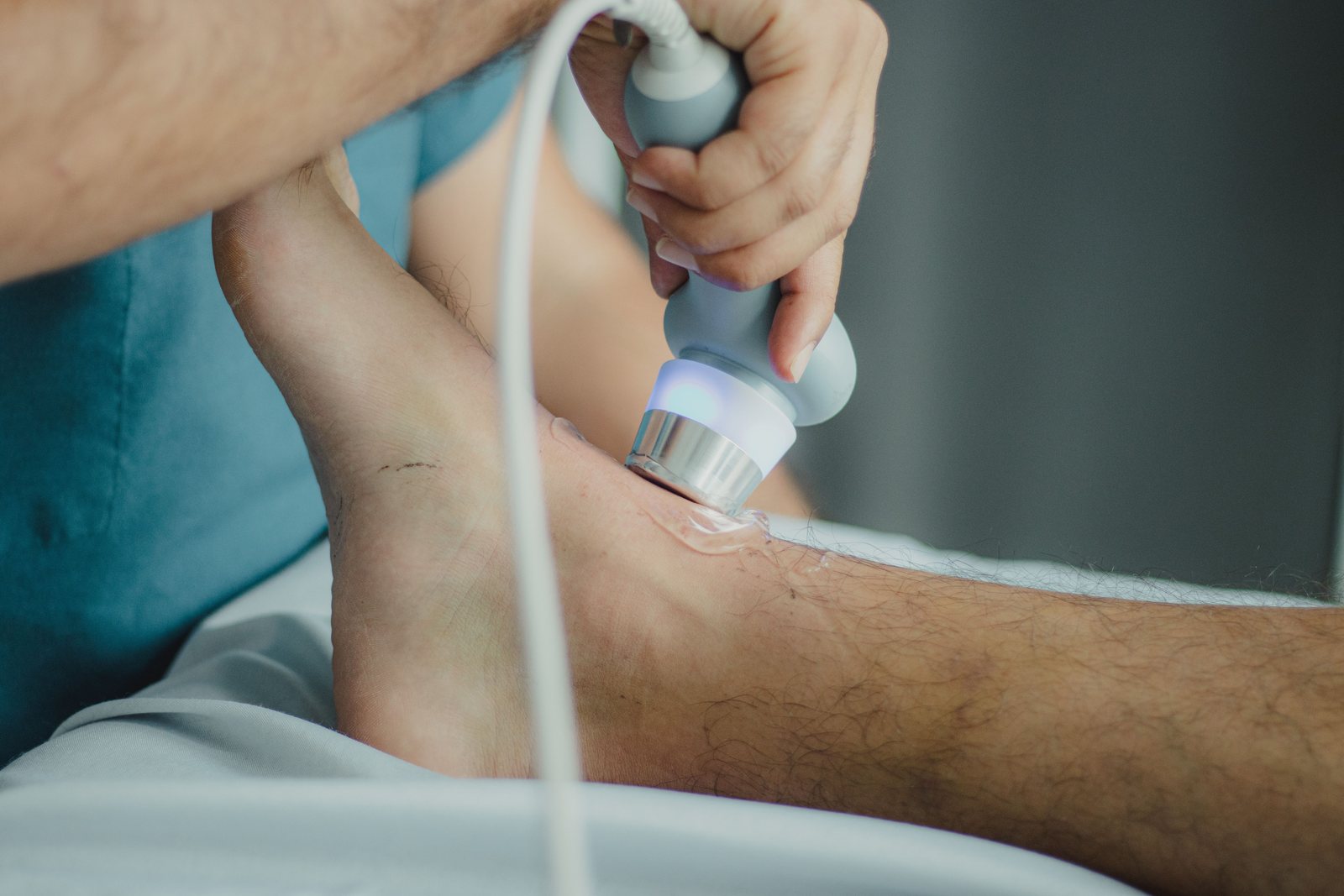
    An ultrasound probe used to assess circulation in a patient lower limb
    Assessing circulation is one of the first steps in any non-healing lower limb wound, because it changes the entire treatment plan.

    Diabetes is affecting sensation and repair

    Diabetes interferes with healing in several directions at once. Elevated blood glucose impairs immune cell function, small vessel disease reduces perfusion, and peripheral neuropathy removes the pain that would normally make you notice an injury.

    That last effect is the most dangerous. A blister or a stone in a shoe can go unnoticed for days, and by the time it is found the damage is well established.

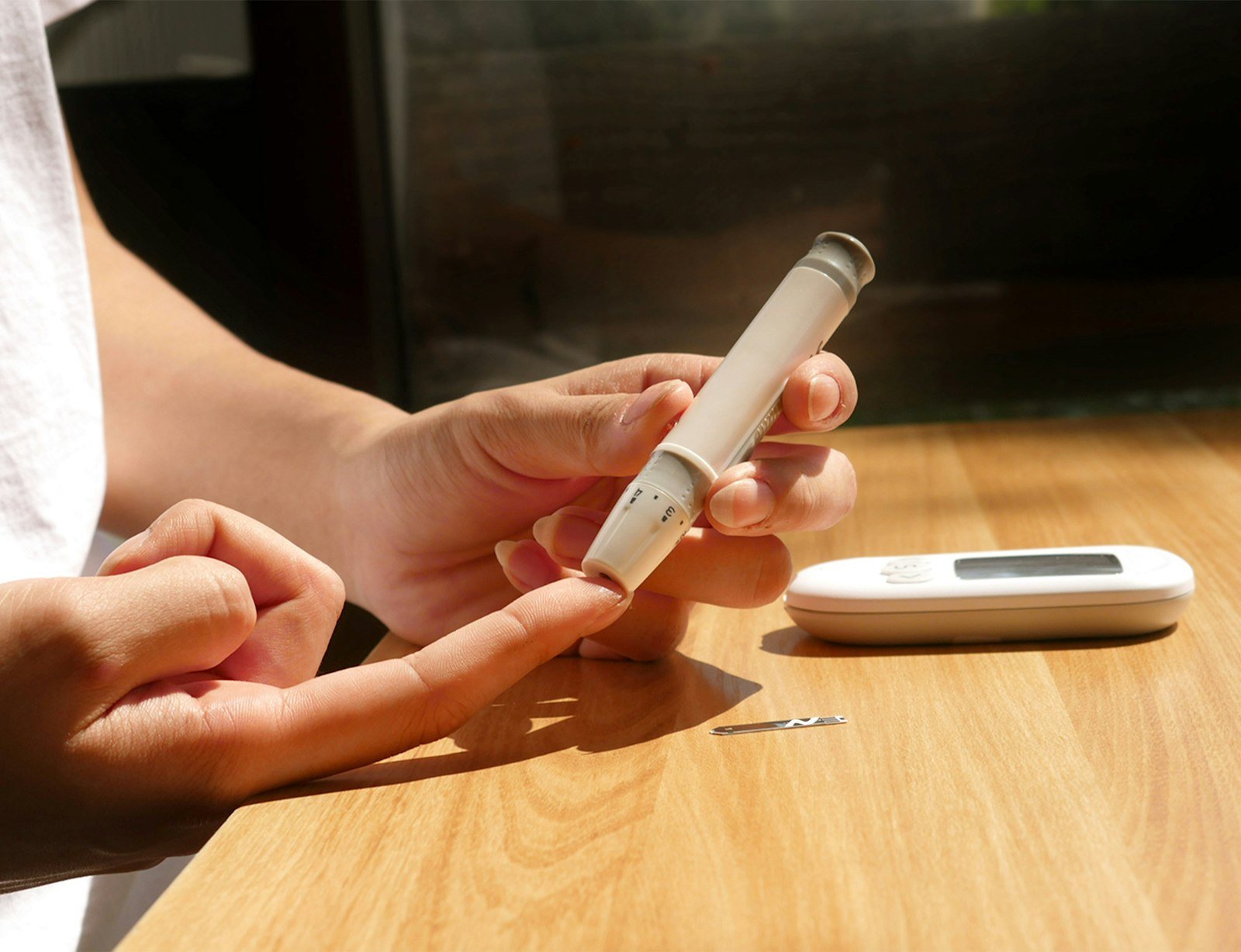
    A blood glucose meter and testing supplies
    Glucose control is part of wound treatment, not a separate concern running alongside it.

    Pressure is not being relieved

    Sustained pressure cuts off local blood flow. On the heel, sacrum or the sole of a foot, unrelieved pressure will reopen a wound as fast as treatment closes it.

    Offloading, whether by specialist footwear, a total contact cast, repositioning or pressure-redistributing surfaces, is frequently the single most important intervention for these wounds.

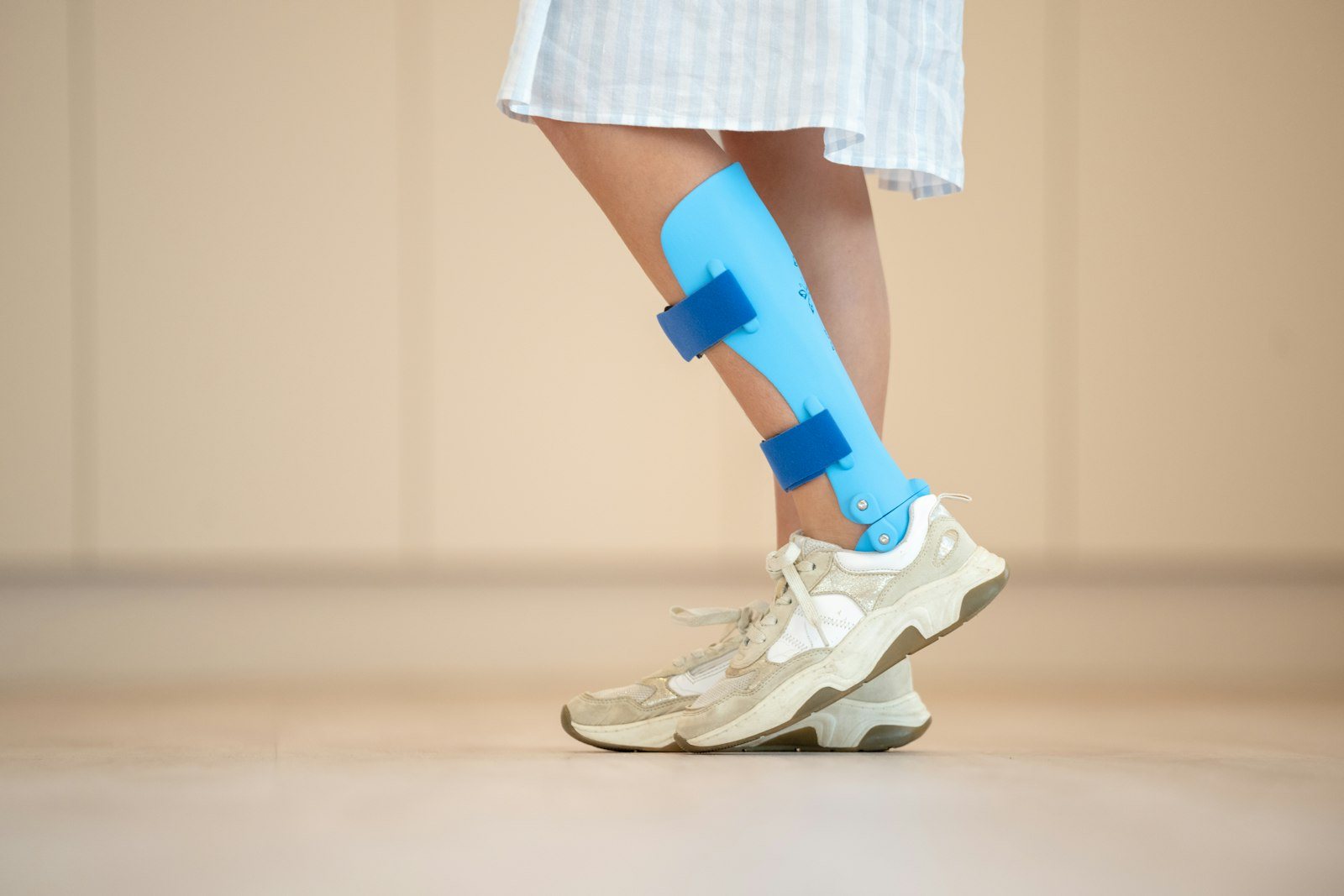
    An orthopaedic walking boot used to take pressure off a foot
    For a plantar foot ulcer, offloading the pressure often does more than any dressing on the market.

    Infection or biofilm is present

    Not every chronic wound is infected, but a persistent bacterial burden keeps the wound in an inflammatory state. Bacteria can form a biofilm, a protective layer that shields them from both antibiotics and the immune system.

    Biofilm is one reason antibiotics alone frequently fail to resolve a chronic wound. Physical removal of dead tissue through debridement is usually needed alongside them, and this is a common point at which an infectious disease physician becomes involved.

    Nutrition is insufficient

    Building new tissue requires raw material. Protein, vitamin C, zinc and adequate calories all feed into repair, and deficiency is common in older adults and in anyone who has been unwell for a long stretch.

    Fresh vegetables and protein ingredients on a kitchen table
    Protein and micronutrient intake is a practical, modifiable factor in healing that is often overlooked.

    Medications and other conditions are interfering

    Long-term steroids, some immune-suppressing drugs and certain chemotherapy agents slow healing directly. Smoking constricts blood vessels and reduces tissue oxygen. Kidney disease, autoimmune conditions and untreated edema all contribute.

    These factors rarely act alone. A diabetic foot ulcer with reduced arterial supply, unrelieved pressure and low protein intake has four problems, and treating one of them well will not close it. Untangling that combination is the reason chronic wounds are usually managed by more than one specialty at once, with input from the clinicians listed on the provider profiles page.

    Common types of chronic wound

    Most non-healing wounds fall into a handful of categories, and the category points directly at the treatment.

    Chronic wound types and what usually drives them
    TypeTypical locationMain driverCentral treatment
    Venous leg ulcerLower leg, around the ankleVenous hypertension and edemaCompression therapy
    Arterial ulcerToes, foot, bony prominencesReduced arterial blood supplyRestoring circulation
    Diabetic foot ulcerSole of foot, toes, heelNeuropathy plus pressure and perfusion problemsOffloading, glucose control, infection management
    Pressure injurySacrum, heels, hipsSustained unrelieved pressureRepositioning and support surfaces
    Surgical wound dehiscenceAny operative siteInfection, tension or poor tissue qualityDebridement and infection control

    Signs a wound has become infected

    Some inflammation is normal early on. The features below suggest something more than ordinary healing.

    • Increasing pain rather than gradually decreasing pain
    • Redness spreading outward from the wound edge
    • Increased or newly discolored drainage, or a new odour
    • The wound enlarging or breaking down at the edges
    • Fever, chills, or feeling generally unwell
    • New swelling or warmth in the surrounding tissue

    Spreading redness with fever, or a wound that becomes rapidly and severely painful, needs same-day assessment rather than a routine appointment.

    What specialist wound care involves

    A wound clinic assessment looks past the wound surface. Expect circulation testing, an assessment of sensation where relevant, measurement and photography for tracking, and often tissue sampling if infection is suspected.

    Sterile dressings and gauze on a tray
    Dressing selection follows the assessment rather than leading it, and changes as the wound moves through its stages.

    Treatment then addresses the causes found rather than the wound alone. That may mean debridement, compression, offloading, targeted antimicrobial therapy, referral for vascular assessment, or coordination with the team managing your diabetes.

    Dressings still matter, but they are chosen for the wound stage and the amount of drainage, and they are the last part of the plan rather than the first. Specialist wound care is largely about removing obstacles so normal healing can resume.

    What helps at home

    • Keep blood glucose within your target range if you have diabetes
    • Wear the footwear or compression you have been prescribed, consistently
    • Inspect your feet daily if you have any loss of sensation
    • Eat enough protein, and treat appetite loss as something to raise with your clinician
    • Stop smoking if you smoke; the effect on tissue oxygen is direct and quick
    • Elevate the leg when resting if you have venous disease or swelling

    Photograph the wound weekly in similar light. Progress over four weeks is far easier to judge from images than from memory, and it gives your clinician something concrete. Results and messages are available through the patient portal.

    Frequently asked questions

    When is a wound considered chronic?

    Generally when it has not improved meaningfully in four weeks or has not healed in three months. The exact figure matters less than the trend: a wound that is not steadily getting smaller deserves a fresh assessment.

    Why do antibiotics sometimes not help a non-healing wound?

    Because the wound may not be infected, or because bacteria have formed a biofilm that antibiotics cannot penetrate well. Removing dead tissue and addressing the underlying cause is usually needed alongside any antimicrobial treatment.

    Does a wound heal better covered or uncovered?

    For most wounds, a moist covered environment supports healing better than leaving the wound open to air. The right dressing depends on how much the wound is draining and what stage it is at, which is why selection changes over time.

    Can a chronic wound heal completely?

    Many do, once the underlying cause is identified and addressed. Timelines vary widely, and wounds driven by circulation or pressure problems tend to take longest. Recurrence prevention matters as much as closure.

    Which specialist should I see for a wound that will not heal?

    It depends on the cause. Vascular, podiatric, surgical and infectious disease input are all used, often together. Your primary care physician can direct the first referral, and the practice contact page explains how to reach this practice.

    You can read about the clinicians involved on the provider profiles page or review services on the practice overview.

    Sources and further reading: NIDDK — Diabetes and foot problems.

    This article is general health information, not medical advice, and it cannot account for your own history or medications. Discuss your situation with a qualified clinician before acting on anything you read here.
  • Travel Vaccines: How Far in Advance Should You Plan?

    Travel Vaccines: How Far in Advance Should You Plan?

    The question comes up in almost every pre-travel appointment, usually a little too late: how far ahead should this have been booked?

    The short answer is four to six weeks before departure, and eight weeks is better. The longer answer explains why, and what can still be done when the trip is sooner than that.

    A calendar used for planning dates
    Four to six weeks before departure is the working minimum; eight weeks removes almost every timing constraint.

    Why the timing matters

    Three separate factors drive the lead time, and they stack.

    First, vaccines take time to work. Your immune system needs roughly two weeks after the final dose to mount a reliable response. Being vaccinated the day before a flight offers far less protection than the same vaccine given a month earlier.

    Second, several travel vaccines are given as a series rather than a single dose. A course spread over three or four weeks cannot be compressed into one appointment.

    Third, yellow fever has an administrative rule on top of the biological one. Under the International Health Regulations, the certificate becomes valid ten days after vaccination. Countries that require proof of vaccination on entry will look at that date, so a vaccination given nine days before arrival will not satisfy the requirement.

    Some travellers should plan earlier still

    Four to six weeks is the general figure. Several groups benefit from starting sooner, often two to three months ahead.

    • Anyone on immune-suppressing treatment, where live vaccines need individual assessment by an infectious disease physician
    • Families traveling with young children, who may be mid-way through routine schedules
    • Long-stay travellers, volunteers and those doing rural or fieldwork placements
    • Travellers with chronic conditions that complicate malaria prophylaxis choice
    • Anyone needing a multi-dose series such as rabies or Japanese encephalitis

    Typical lead times by vaccine

    These are general planning figures. Your actual schedule depends on your destination, your vaccination history and your own health, and is set at the consultation.

    Planning guide for common travel vaccinations
    VaccineTypical scheduleBook at least
    Yellow feverSingle dose10 days before arrival for a valid certificate
    Hepatitis ADose, with a later booster for long-term protection2 weeks
    TyphoidSingle injection, or an oral course over about a week1–2 weeks
    Rabies (pre-exposure)Two or three doses over roughly a week or a month3–4 weeks
    Japanese encephalitisTwo doses, usually 28 days apart5–6 weeks
    Hepatitis BMulti-dose series, accelerated schedules exist4–8 weeks
    Routine boostersSingle doses, checked against your record2 weeks

    What if you are traveling sooner than that?

    Go anyway. A late consultation is far better than none, and this is one of the most common reasons people hesitate to book at all.

    A vaccine vial and syringe on a clinic tray
    Even a late appointment is worthwhile: accelerated schedules, partial protection and prescriptions all remain available.

    Several things still work at short notice. Some vaccines have accelerated schedules. Partial protection from an incomplete series is generally better than none. Malaria prophylaxis, travellers diarrhea standby treatment and altitude medication are prescriptions rather than vaccines, so they can be arranged quickly.

    What cannot be fixed at short notice is a yellow fever certificate for a country that requires one on entry. That ten-day window is not clinical discretion.

    Destination changes everything

    There is no standard travel vaccine package. Two people flying to the same country can need entirely different recommendations depending on where they are going within it and what they will be doing.

    A map with pins marking travel destinations
    Recommendations depend on the region within a country, the season, and the kind of trip rather than on the destination alone.

    A business trip staying in a city hotel carries different exposures from six weeks of rural fieldwork in the same country. Season matters too, since mosquito-borne disease risk shifts with rainfall.

    Bring your itinerary to the appointment, not just the destination. Regions, dates, accommodation type and planned activities all change the advice given at a travel medicine consultation.

    What a pre-travel consultation covers

    Vaccines are one part of a broader review. A consultation usually works through:

    • Your vaccination history, and which routine boosters are due
    • Destination-specific vaccine recommendations and entry requirements
    • Malaria risk and the right prophylaxis for your region and itinerary
    • Food and water precautions, and standby treatment for travellers diarrhea
    • Insect bite prevention, including repellents and treated nets
    • Altitude, motion sickness and jet lag where relevant
    • How your existing conditions and medications interact with travel

    If you have a condition that suppresses your immune system, mention it early. Live vaccines may need to be avoided or handled differently, and that changes the whole plan.

    You should leave with a written record of what was given, prescriptions for anything you need to carry, and clear instructions on what to do if you become unwell abroad. The patient guide covers what to bring to any appointment, and vaccination records are available afterwards through the patient portal.

    Keep a photograph of your certificate on your phone as well as the paper copy. Losing the card mid-trip is a much smaller problem when a legible image of it exists.

    The parts that are not vaccines

    For several major travel illnesses there is no vaccine at all. Dengue, chikungunya and Zika are mosquito-borne and largely prevented by avoiding bites.

    Travel health items including insect protection
    For dengue, chikungunya and Zika, bite prevention does the work a vaccine would otherwise do.

    That makes repellent use, appropriate clothing and treated bed nets a genuine medical intervention rather than an afterthought. The same applies to food and water care, which prevents more travel illness than any single vaccine.

    What to bring to the appointment

    • Your full itinerary, including regions and dates
    • Any vaccination records you hold, including old yellow cards
    • A list of your current medications
    • Details of any chronic conditions, pregnancy, or immune suppression
    • The purpose of the trip — tourism, work, volunteering or visiting family
    An aircraft seen from an airport terminal window
    Carry your vaccination certificate with your passport; some destinations check it before immigration.

    If you develop fever, diarrhea or a rash after returning, tell whoever assesses you exactly where you traveled and when. Some illnesses appear weeks after the trip ends, and the travel history is what points to the diagnosis.

    Frequently asked questions

    How far in advance should I get travel vaccines?

    Aim for four to six weeks before departure, and eight weeks if you can. That allows time for multi-dose series to be completed and for your immune response to develop before you travel.

    Is it too late if I leave next week?

    No. Accelerated schedules exist for some vaccines, partial protection still helps, and malaria tablets and standby medication can be prescribed straight away. The only firm barrier is a yellow fever certificate, which is not valid until ten days after vaccination.

    Do I need the same vaccines every time I travel?

    Not usually. Several travel vaccines give protection for years, and yellow fever vaccination is now generally considered to give lifelong protection. Bring your records so only what is genuinely due gets given.

    Are travel vaccines covered by insurance?

    Coverage varies by plan and by vaccine, and some travel vaccines are not covered at all. Check with your insurer before the appointment so there are no surprises.

    Can I get travel vaccines if I am pregnant or immunocompromised?

    Some, but not all. Live vaccines in particular need individual assessment. Raise it at the start of the consultation, because it may change both the vaccine plan and the destination advice.

    General preventive advice is collected on the promoting health and wellness page, an overview of the practice sits on the our practice page, and appointments can be arranged through the contact page.

    Sources and further reading: CDC Travelers’ Health.

    This article is general health information, not medical advice, and it cannot account for your own history or medications. Discuss your situation with a qualified clinician before acting on anything you read here.
  • Outpatient IV Antibiotics (OPAT): What to Expect

    Outpatient IV Antibiotics (OPAT): What to Expect

    Some infections need intravenous antibiotics for weeks rather than days. For a long time that meant staying in hospital for the whole course, even once the patient felt entirely well and had nothing else keeping them there.

    Outpatient parenteral antimicrobial therapy, usually shortened to OPAT, changed that. It lets people finish intravenous treatment while living at home, sleeping in their own bed and often continuing to work.

    If you have just been told you are going home on intravenous antibiotics, here is what the next few weeks generally involve.

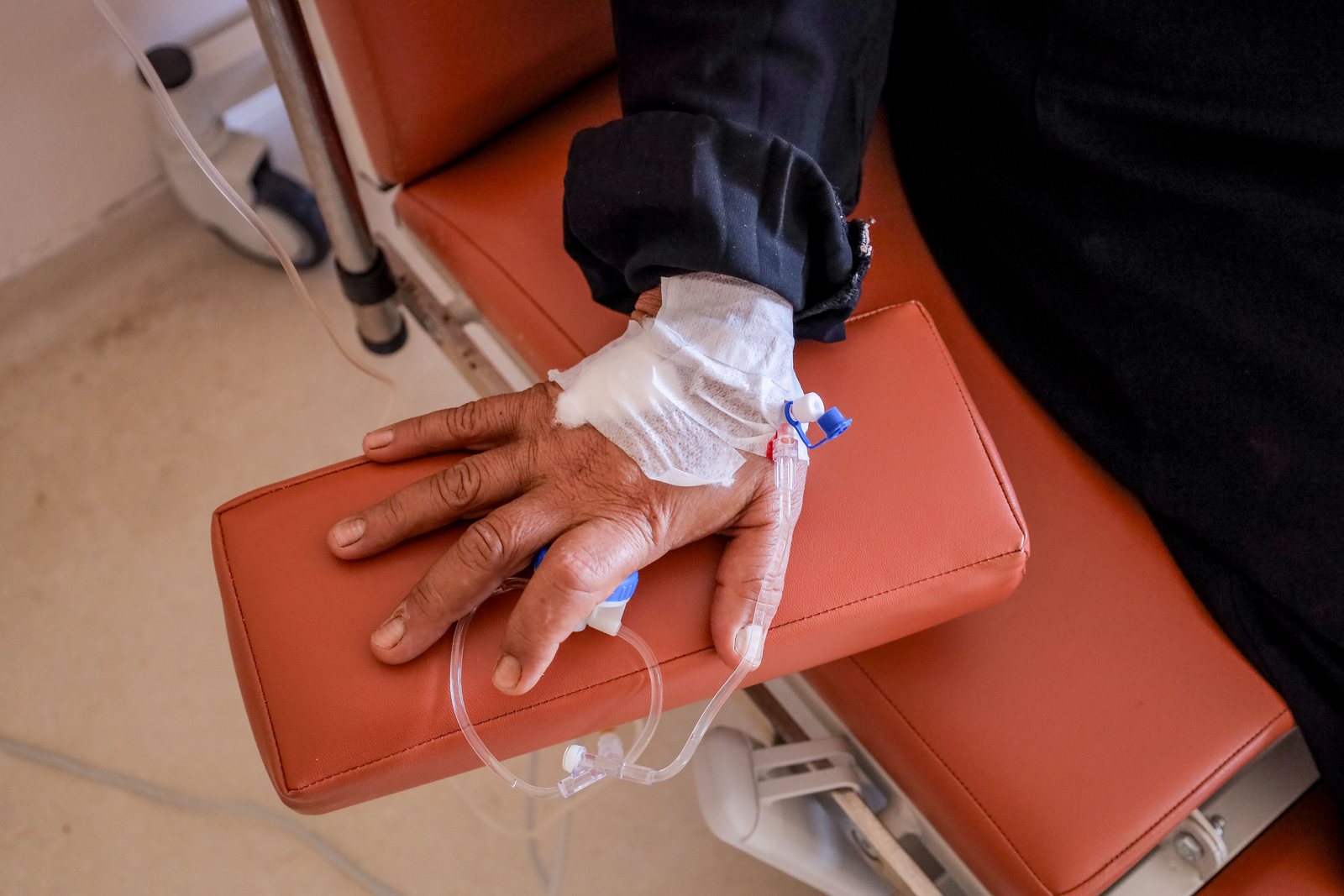
    An intravenous line and drip chamber
    OPAT delivers the same intravenous antibiotic course as an inpatient stay, without the inpatient stay.

    What OPAT actually is

    OPAT is the delivery of intravenous antimicrobial treatment outside a hospital admission. The drug, the dose and the duration are the same as they would be on a ward. What changes is where you receive it and who supervises the day-to-day mechanics.

    The therapy runs through a long-term intravenous catheter rather than a standard cannula, because ordinary lines are not designed to stay in for weeks. Doses may be given once daily, several times a day, or continuously through a small portable pump.

    The shift out of hospital is not simply a matter of convenience. Every additional inpatient day carries its own exposures, and people generally sleep, eat and move better at home. Those things matter to recovery more than they are usually given credit for.

    A specialist team stays involved throughout. Someone is responsible for reviewing your blood tests, adjusting the plan if the organism or your kidney function shifts, and deciding when treatment can stop.

    Which infections are treated this way

    OPAT suits infections that need prolonged intravenous therapy in a patient who is otherwise stable. Common examples include:

    • Bone and joint infections, including osteomyelitis and prosthetic joint infection
    • Endocarditis, once the patient is stable and past the highest-risk early period
    • Complicated skin and soft tissue infections, often managed alongside specialist wound care
    • Complicated urinary tract infections caused by resistant organisms
    • Intra-abdominal infections after drainage
    • Some central nervous system infections

    The decision is not made on diagnosis alone. Your clinical stability, home circumstances, and whether the drug is suitable for outpatient dosing all feed into it. That assessment is one of the things an infectious disease physician is asked to make.

    Where treatment happens

    OPAT is not a single model. There are several delivery routes, and the right one depends on the drug, your confidence, and how much support is available at home.

    Ways intravenous therapy can be delivered
    ModelHow it worksSuits
    Office infusion centerYou attend a clinic for each dose and leave once it has run throughDrugs needing observation, or patients who prefer clinical supervision
    Visiting nurse at homeA nurse comes to you to give the dose and check the linePatients who cannot travel easily or are not self-administering
    Self-administration at homeYou are trained to give your own doses, with scheduled clinic reviewsConfident patients on stable, well-tolerated regimens
    Continuous ambulatory pumpA small portable pump delivers the drug over 24 hoursDrugs that need continuous infusion rather than intermittent dosing
    Remaining an inpatientTreatment continues on the wardPatients who are unstable, or whose regimen needs close monitoring

    Many patients move between models during a course. Starting at an office infusion center and shifting to self-administration once you are comfortable with the routine is a common pattern.

    The line, and looking after it

    Most OPAT courses run through a peripherally inserted central catheter, a midline, or a tunnelled line. Which one you get depends on the drug and the expected duration.

    The line is the part that needs the most attention from you. Keep the dressing clean and dry, cover it properly for showering, and avoid heavy lifting or swimming with the arm unless you have been told otherwise.

    A dressing on a patient arm during catheter care
    The catheter, not the antibiotic, is usually the part of OPAT that needs the most daily attention from the patient.

    Your team will show you what a healthy exit site looks like before you go home. Knowing the normal appearance is what makes an abnormal one obvious.

    Monitoring while you are on therapy

    Regular blood tests are a standard part of OPAT rather than a sign that something is wrong. Prolonged courses of intravenous antimicrobials can affect kidney function, liver enzymes and blood counts, and some drugs need levels checked to stay in the effective range.

    Expect at least weekly laboratory monitoring for most regimens, plus a clinical review to confirm the infection is responding. Results are usually available to you through the patient portal.

    Blood samples being processed for laboratory testing
    Weekly bloods and a clinical review are routine on OPAT, not a sign that something has gone wrong.

    When to call, and when not to wait

    Most OPAT courses run without incident. A few situations need prompt attention, and it is worth knowing them before you need them.

    • Fever or chills, particularly if they start soon after a dose
    • Redness, swelling, warmth, pain or discharge at the catheter site
    • The line leaking, cracking, moving outward or refusing to flush
    • A new rash, itching, wheeze or facial swelling
    • Worsening of the symptoms the treatment is meant to be resolving

    Fever with chills during or shortly after an infusion can indicate a line infection and should be assessed the same day rather than at your next scheduled visit.

    Everyday life on OPAT

    Many people continue working, especially on once-daily regimens or a portable pump. Others find the schedule tiring, particularly early on, and the underlying infection itself often accounts for more of the fatigue than the treatment does.

    A comfortable armchair in a bright living room
    Recovering at home is the point of OPAT, and for most people it is more restful than the equivalent weeks on a ward.

    Practical things help. Keep supplies in one place, set alarms for dose times, keep a written record of doses given, and have your team contact numbers somewhere you can find them quickly.

    Plan around the line rather than around the illness. Baths, swimming and contact sports are usually out; most other activities are not.

    Tell your employer what you need rather than what you have. Most OPAT schedules can be built around a working day, but they are much harder to rearrange at short notice than they are to plan for at the start.

    Travel is the one thing worth raising early. Being away from your monitoring team mid-course is a genuine complication, and if a trip is unavoidable it needs to be discussed with the clinicians listed on the provider profiles page before you book anything.

    A pharmacist preparing an intravenous medication
    Pharmacy preparation and delivery logistics run in the background of every OPAT course.

    Frequently asked questions

    Is outpatient IV therapy as effective as staying in hospital?

    For appropriately selected patients, the antibiotic course is identical — the same drug, dose and duration. What differs is the setting. Selection and monitoring are what make it work, which is why the decision is made by a specialist team rather than automatically.

    How long does a course usually last?

    It depends on the infection. Two weeks is common for some complicated infections, while bone, joint and cardiac infections often need six weeks or more. Your team will give you an end date, though it can shift if results change.

    Can I shower with the line in?

    Usually yes, with the dressing covered by a waterproof protector. Submerging the line — baths, swimming pools, hot tubs — is not advised. Ask your team for their specific instructions, because they vary by line type.

    What happens if a dose is missed or late?

    Do not double up. Contact your team for instructions, and note the time of the missed dose. A single late dose is rarely a crisis, but the pattern matters and they need to know about it.

    What happens when treatment finishes?

    The line is removed, usually at a short appointment, and you will normally have a follow-up review to confirm the infection has resolved. Some conditions need imaging or blood tests for a period afterwards.

    If treatment has been recommended for you, the patient guide explains what to expect administratively, and the contact page lists how to reach the practice.

    Sources and further reading: IDSA 2018 OPAT clinical practice guideline.

    This article is general health information, not medical advice, and it cannot account for your own history or medications. Discuss your situation with a qualified clinician before acting on anything you read here.

  • When to See an Infectious Disease Specialist

    When to See an Infectious Disease Specialist

    Most infections behave predictably. You feel unwell, you are diagnosed, you take a course of treatment, and within a week or two it is behind you. Primary care handles the vast majority of these episodes without involving anyone else.

    A smaller group of infections does not follow that script. The fever keeps returning, the second antibiotic works no better than the first, or a culture grows an organism nobody expected. That is the territory of the infectious disease physician, and knowing when to cross into it can save months of circling the same problem.

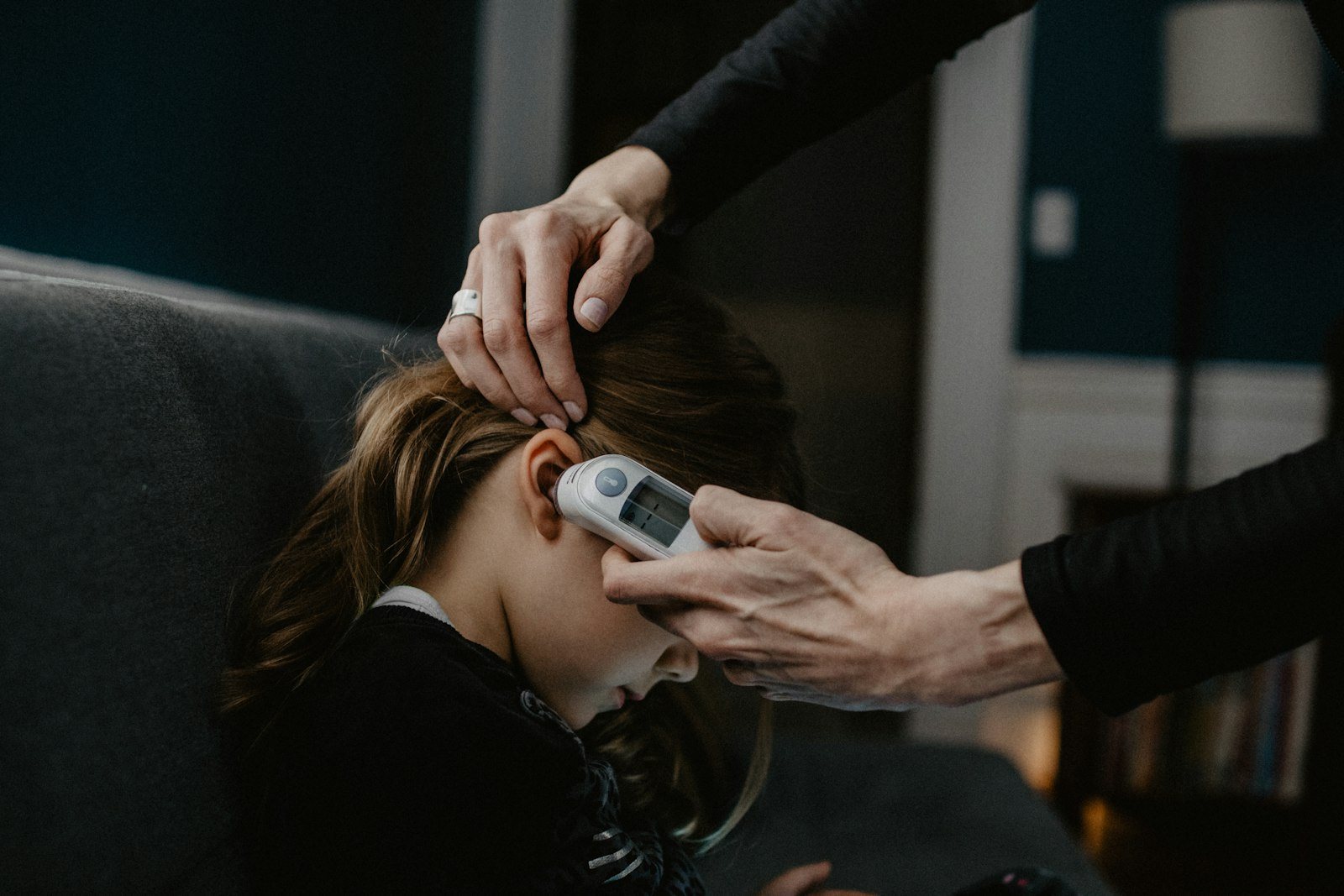
    A person checking their temperature at home
    A temperature that keeps returning after treatment is one of the most common reasons a primary care physician asks for a specialist opinion.

    What an infectious disease physician actually does

    Infectious disease is a subspecialty of internal medicine. Physicians in the field complete a residency in internal medicine and then further fellowship training focused on bacteria, viruses, fungi and parasites, and on the antimicrobial drugs used against them.

    The practical difference is diagnostic rather than procedural. An infectious disease physician rarely operates. What they do is assemble an explanation from culture results, imaging, exposure history and travel history, then match a specific organism to a specific drug, dose and duration.

    That last part matters more than most patients realize. Two people carrying the same organism in the same site can need very different treatment lengths depending on whether implanted hardware is involved and how the immune system is behaving. Getting the duration wrong is a common route back to relapse.

    Signs an infection may need specialist input

    There is no single threshold, but a handful of patterns come up repeatedly in referrals. Any one of them is worth raising with your own physician.

    The infection has not responded to treatment

    If you have finished a course of antibiotics and the symptoms are unchanged, or they returned within days of stopping, the working diagnosis may be wrong. Sometimes the organism is resistant to the drug chosen. Sometimes the problem was never bacterial.

    Antibiotic tablets spilling from a prescription bottle
    When a second course of antibiotics performs no better than the first, the question usually shifts from which drug to whether the diagnosis itself is right.

    The same infection keeps coming back

    Recurrence in one site — repeated urinary tract infections, recurring skin and soft tissue infections, sinus infections that return each season — suggests something is sustaining the organism. Finding that reservoir is usually more productive than another round of the same treatment.

    You have a fever with no obvious source

    Prolonged fever without an identified cause has its own diagnostic pathway. It is a classic reason for referral, because the list of possibilities is broad and includes conditions that are not infectious at all.

    Your immune system is suppressed

    Transplant recipients, people receiving chemotherapy or long-term steroids, and those living with HIV can develop infections that would not trouble anyone else. Presentations are often muted, so a mild symptom can carry more weight than it appears to.

    You have traveled recently

    Fever, diarrhea or a rash after international travel deserves a history that includes where you went and what you were exposed to. Planning ahead through a pre-travel medicine consultation prevents a good share of these, though not all of them.

    An implant or device is involved

    Infections around joint replacements, cardiac devices, surgical mesh or vascular grafts behave differently from ordinary tissue infections. They frequently need longer treatment and close coordination with the surgical team.

    Primary care and specialist care compared

    The distinction is not one of seniority. Both roles are necessary, and most patients need the specialist only for a defined stretch of a much longer relationship with their own physician.

    How the two roles differ
    Primary care physicianInfectious disease specialist
    Typical roleFirst assessment and continuing general careConsultative opinion on one specific infection
    Best suited toCommon infections that respond to first-line treatmentInfections that are resistant, recurrent, unexplained or unusually located
    Testing emphasisPoint-of-care and routine laboratory testsCultures, susceptibility testing, specialized serology, targeted imaging
    Treatment approachEmpiric therapy aimed at the likely organismOrganism-directed therapy with a defined drug, dose and duration
    Length of involvementContinuous, across all health concernsUsually time-limited, ending when the infection resolves
    Referral directionRefers into specialist careReports back with a written plan

    Conditions these specialists commonly manage

    The scope of the field is unusually wide, because infection can occur anywhere in the body. Areas frequently seen in an outpatient practice include:

    • Bone and joint infections, including osteomyelitis and prosthetic joint infection
    • Endocarditis and infections of implanted cardiac devices
    • Complicated skin and soft tissue infections, often alongside specialist wound care
    • HIV medicine and related preventive care
    • Hepatitis B and hepatitis C
    • Tuberculosis and other mycobacterial disease
    • Fungal infections, particularly in people who are immunocompromised
    • Illness acquired during or after international travel
    • Fever of unknown origin
    Blood sample tubes in a laboratory rack
    Culture and susceptibility testing is what allows treatment to be narrowed from a broad-spectrum guess to a drug chosen for one identified organism.

    How a referral usually works

    In most cases the process starts with your existing physician rather than with you.

    1. Your primary care physician, surgeon or hospital team identifies a question they want specialist input on.
    2. They send a referral with the relevant records — culture results, imaging reports, operative notes, and the antibiotics already tried.
    3. The practice contacts you to arrange an appointment and explains what to bring.
    4. After the consultation a written assessment goes back to the referring physician, so everyone is working from the same plan.

    Some visits, particularly travel medicine appointments, can be arranged directly. If you are not sure which applies to you, the practice contact page is the quickest way to ask.

    What to expect at a first consultation

    A first appointment runs longer than a routine visit and is mostly conversation. Expect detailed questions about the timeline of your illness, every treatment you have had, your occupation, pets, hobbies, recent travel and any hospital stays.

    Those questions can feel tangential. They are not: exposure history is often the only thing separating two organisms that look identical on a report.

    An examination follows, and frequently further testing. You may not leave with a final answer on the first day, because cultures take time to grow and susceptibility results take longer still.

    Medical notes and a stethoscope on a clinician desk
    A written assessment goes back to the referring physician, so the specialist opinion becomes part of your ongoing record rather than a separate track.

    How to prepare for the appointment

    A little preparation makes a real difference to how much gets settled in one visit.

    • A complete medication list, including supplements and anything stopped recently
    • Every antibiotic taken for this problem, with rough dates and whether it helped
    • Any results you hold yourself — laboratory reports, imaging discs, discharge summaries
    • Dates and destinations of travel in the last twelve months
    • Your allergies, and what actually happened during each reaction
    • Your questions, written down in advance; consultations move quickly

    The patient guide covers the administrative side of a first visit, and the patient portal is where you can review results and messages afterwards.

    Two people talking across a consulting room table
    A first infectious disease consultation leans heavily on history: exposure, occupation, travel, and everything that has already been tried.

    Seek urgent care rather than a routine referral if you have a high fever with confusion, a rapidly spreading area of redness, difficulty breathing, a stiff neck with severe headache, or you feel dramatically worse within a few hours.

    Frequently asked questions

    Do I need a referral to see an infectious disease specialist?

    It depends on the practice and on your insurance plan. Many consultations arrive by referral, because the specialist needs the records that come with it. Some visits, particularly pre-travel appointments, can be arranged directly. Check with both the practice and your insurer first.

    How long does infectious disease treatment usually last?

    It varies widely by condition. A skin infection may need about a week, while bone and joint infections and endocarditis are often treated for six weeks or longer. Completing the full course matters even after you feel well.

    Will I need intravenous antibiotics?

    Only some patients do. When an infection requires intravenous therapy but you are otherwise stable, treatment can often continue outside hospital through an office infusion center rather than as an inpatient.

    What should I bring to the first appointment?

    A full medication list, a record of every antibiotic tried for this problem, any laboratory or imaging results you hold, your travel history for the past year, your allergies with a description of each reaction, and your written questions.

    Can a specialist help if no cause has been found yet?

    Yes. Unexplained fever is one of the standard reasons for referral. The work is largely diagnostic, and part of its value lies in ruling conditions out, including ones that turn out not to be infections at all.

    You can read more about the clinicians on the provider profiles page or the practice overview.

    Sources and further reading: MedlinePlus (U.S. National Library of Medicine) — Infections.

    This article is general health information, not medical advice, and it cannot account for your own history or medications. Discuss your situation with a qualified clinician before acting on anything you read here.