

Skip to content

Author: Alexandra W. Dretler

  • Pink Eye: Viral, Bacterial or Allergic?

    Pink Eye: Viral, Bacterial or Allergic?

    A red, irritated eye is one of the most common reasons people seek same-day care, and one of the most common reasons antibiotic drops are prescribed unnecessarily.

    Conjunctivitis comes in three main kinds, and they need three different things. Distinguishing them is usually possible from what the eye is doing rather than from how red it looks.

    A person wiping their eye with a tissue
    The discharge tells you more than the redness. Watery, sticky and stringy each point in a different direction.

    The discharge tells you more than the redness

    All three types produce a red eye. What separates them is what comes out of it, whether it itches, and whether one eye or both are involved.

    The three kinds of conjunctivitis
    ViralBacterialAllergic
    DischargeWatery or slightly mucousyThick, yellow or green pusWatery and stringy
    Main sensationGritty, burningGritty, stickyIntense itching
    Eyelids in the morningSlightly crustedOften stuck shutNot stuck
    Which eyeStarts in one, may spreadOften one, may spreadBoth at once
    Other symptomsOften a cold or sore throatUsually noneSneezing, runny nose, other allergies
    ContagiousYes, highlyYesNo
    Usual treatmentComfort measures and timeAntibiotic dropsAntihistamine drops, avoiding the trigger

    Intense itching is the single most useful pointer toward allergy. Eyelids genuinely stuck shut in the morning points toward bacterial. Watery discharge with a cold points toward viral.

    One caveat about the table. It describes typical patterns rather than rules, and mixed pictures are common, particularly early on. Where symptoms are more than mild, or are not settling as expected, examination beats guesswork.

    Viral is the most common

    Most infectious conjunctivitis in adults is viral, frequently caused by the same viruses that cause ordinary colds. It typically starts in one eye and moves to the other a few days later.

    It resolves on its own over one to two weeks, and antibiotic drops do nothing for it. They will not shorten it, will not stop it spreading, and can irritate the eye further.
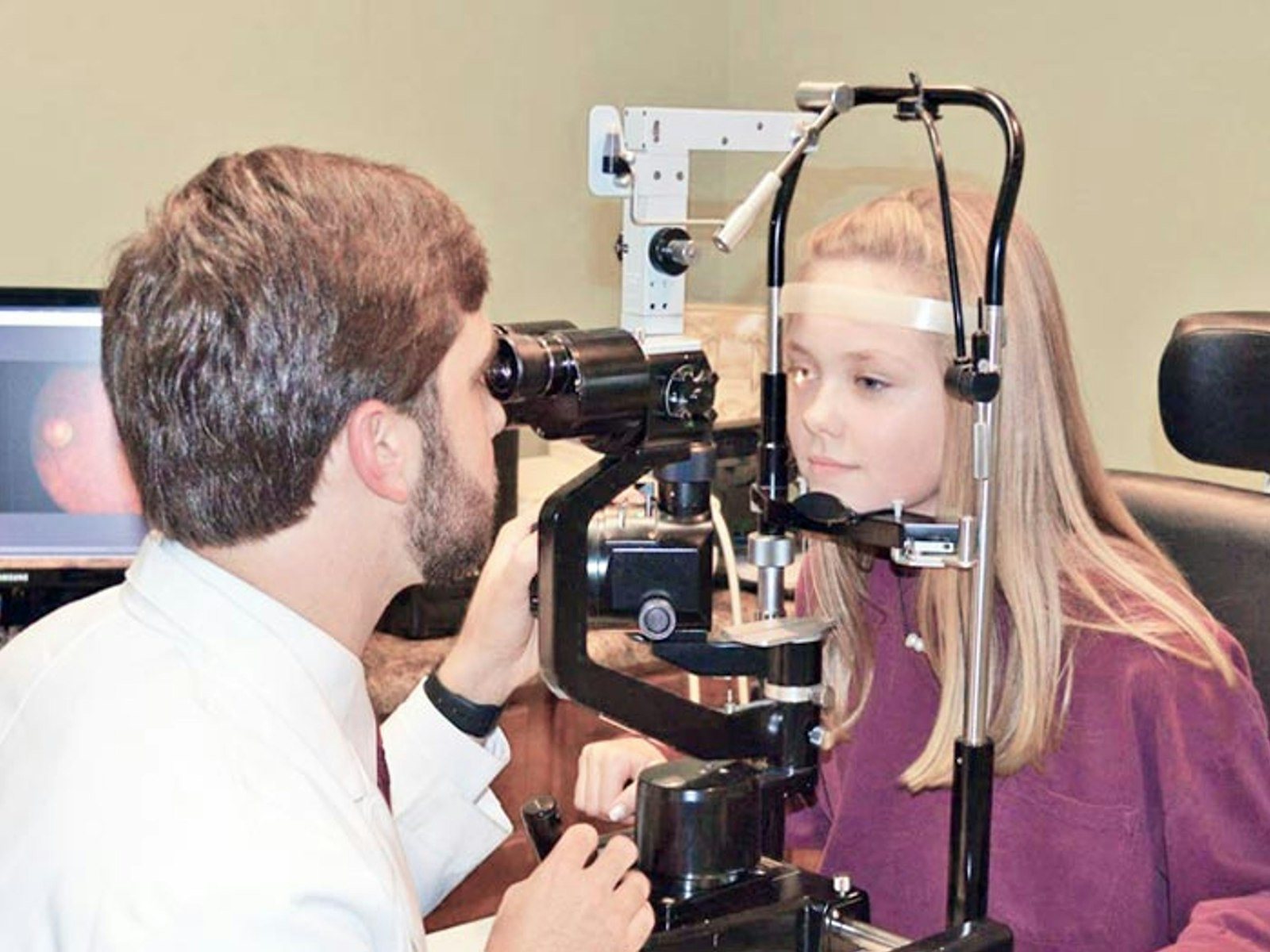
    An eye examination in a clinic
    Where the picture is unclear, or where symptoms are more than mild, examination is what settles it.

    This is the same reasoning set out in our article on antibiotic resistance: using an antibiotic where it cannot work carries cost without benefit.

    Bacterial conjunctivitis

    Bacterial conjunctivitis is less common in adults than viral, though it is relatively more common in children. The characteristic feature is thick pus that keeps returning through the day and glues the lids together overnight.

    Antibiotic drops shorten it and are appropriate here. Even untreated, many mild cases resolve on their own, which is why prescribing is not automatic in every case.

    Improvement should be evident within a day or two of starting drops. If it is not, go back rather than continuing to instill them, because the diagnosis may be wrong.

    Allergic conjunctivitis often runs seasonally and alongside hay fever, and it can persist for weeks. It is the one kind where the answer is usually about avoiding a trigger rather than treating an infection.

    It is extremely contagious

    Viral conjunctivitis spreads readily, and people are usually infectious for as long as the eye is red and watering, which can be a week or more.

    Clean folded towels on a shelf
    Separate towels, frequent hand washing and not sharing pillows do most of the work in stopping it moving through a household.
    • Wash hands frequently, and avoid touching or rubbing the eyes
    • Use your own towel, flannel and pillowcase, and wash them often
    • Do not share eye makeup, and replace anything used while infected
    • Do not wear contact lenses until the eye is completely settled
    • Change pillowcases daily while symptomatic
    • Stay away from work or school if advised, particularly in the first days

    Discard any contact lenses, cases and solutions used while the eye was infected. Reusing them is a common route straight back into a second episode.

    Newborns are the exception to every reassurance here. A red eye or discharge in a baby in the first weeks of life needs same-day assessment, because the causes and the consequences are different from those in older children and adults.

    Makeup and lens habits are worth pausing entirely while symptoms last. Mascara and eyeliner used during an episode are a reliable route to reinfecting yourself a week later, and they are cheap to replace by comparison.

    Treatment for each kind

    Eye drops being applied
    Antibiotic drops help bacterial conjunctivitis and do nothing for the other two kinds.

    Viral

    Cool compresses, lubricating artificial tears, and time. Symptoms often worsen for the first three to five days before improving, which is expected rather than a sign of failure.

    Bacterial

    Antibiotic drops or ointment, which usually improve things within a day or two. Complete the course as prescribed, and clean the lids gently with cooled boiled water to remove crusting.

    Allergic

    Antihistamine or mast-cell stabilizing drops, cool compresses, and identifying and avoiding the trigger where possible. Rubbing makes it substantially worse.

    Children are a common source of household spread, and conjunctivitis moves through schools and nurseries quickly. Separate towels and frequent hand washing are worth enforcing for a week or two even in people who are not yet symptomatic.

    Most people can return to work or school once discharge has stopped and the eye is settling, though local policies vary. Ask rather than assume, particularly in healthcare, childcare and food handling roles.

    When it is not simple conjunctivitis

    Some red eyes are not conjunctivitis at all, and a few are sight-threatening. These features change the situation entirely.

    Seek same-day eye assessment for pain in the eye rather than irritation, changes in vision, sensitivity to light, a foreign body sensation that will not clear, a red eye in a contact lens wearer, or a red eye after any injury.

    • Moderate or severe pain, rather than grittiness
    • Blurred vision, or any change in sight
    • Marked sensitivity to light
    • A red eye in someone who wears contact lenses
    • Redness concentrated in a ring around the colored part of the eye
    • A newborn with a red eye or discharge
    • Symptoms that are not improving after a week, or are worsening

    A person resting by a window
    Most conjunctivitis settles within one to two weeks; symptoms that keep worsening after a week deserve reassessment.

    Contact lens wearers deserve particular caution. A red eye in a lens wearer can indicate a corneal infection, which is treated very differently and can threaten sight if it is missed.

    Frequently asked questions

    Do I need antibiotic drops for pink eye?

    Only if it is bacterial, which is a minority of cases in adults. Thick yellow or green discharge with lids stuck shut in the morning points that way; watery discharge with a cold does not.

    How long is pink eye contagious?

    Viral conjunctivitis is usually contagious for as long as the eye is red and watering, often a week or more. Bacterial conjunctivitis is generally much less contagious once treatment has been running for about a day.

    How do I know if it is allergy rather than infection?

    Intense itching, both eyes affected at once, watery stringy discharge, and other allergy symptoms such as sneezing all point toward allergy. Allergic conjunctivitis is not contagious.

    Can I wear my contact lenses?

    Not until the eye is fully settled, and discard the lenses, case and solution used while it was infected. A red eye in a lens wearer should always be assessed, because it can indicate a corneal infection.

    When should I worry about a red eye?

    Genuine pain rather than irritation, any change in vision, marked light sensitivity, a red eye in a contact lens wearer, or redness after injury all need same-day assessment.

    More about the specialty is on the infectious disease physician page, and the contact page explains how to reach the practice.

    Sources and further reading: American Academy of Ophthalmology — Conjunctivitis: what is pink eye?.

    This article is general health information, not medical advice, and it cannot account for your own history or medications. Discuss your situation with a qualified clinician before acting on anything you read here.


  • Infections During Cancer Treatment: Why a Fever Is an Emergency

    Infections During Cancer Treatment: Why a Fever Is an Emergency

    Chemotherapy targets rapidly dividing cells. That is how it works against cancer, and it is also why it affects the bone marrow, where the white cells that fight infection are made.

    The result is a period after each cycle when the immune system is genuinely depleted. During that window, an infection that would otherwise be minor can become dangerous within hours.

    Blood cells viewed under a microscope
    Chemotherapy suppresses the bone marrow along with the tumor, and neutrophils are what normally contain a bacterial infection.

    Why the risk rises

    Neutrophils are the white cells that do most of the early work against bacterial infection. When their numbers fall, the usual containment does not happen and bacteria that would normally be dealt with quietly can spread.

    That state is called neutropenia. The lower the count and the longer it lasts, the higher the risk, and the less obvious the usual signs of infection become.

    This is the crucial part: with few neutrophils, there is little to produce pus, swelling or redness. Fever may be the only sign that anything is wrong at all.

    When counts are lowest

    White cell counts typically fall to their lowest point around seven to fourteen days after a dose of chemotherapy, then recover before the next cycle.

    A weekly planner open on a desk
    Marking the likely low point on a calendar turns an abstract risk into something you can actually plan around.

    Knowing roughly when that window falls for your regimen is useful. It is worth asking your team directly, and marking it on a calendar, so that a fever during those days prompts immediate action rather than deliberation.

    The window varies between regimens, and some treatments suppress counts far more than others. Do not assume a general rule applies to yours.

    Counts are checked before most cycles, and treatment is sometimes delayed or the dose adjusted if they have not recovered. That is routine management rather than a setback, though it rarely feels that way at the time.

    A fever is an emergency

    This is the single most important thing in this article. A fever during chemotherapy is not something to monitor overnight. It is a reason to contact your team immediately, at any hour.

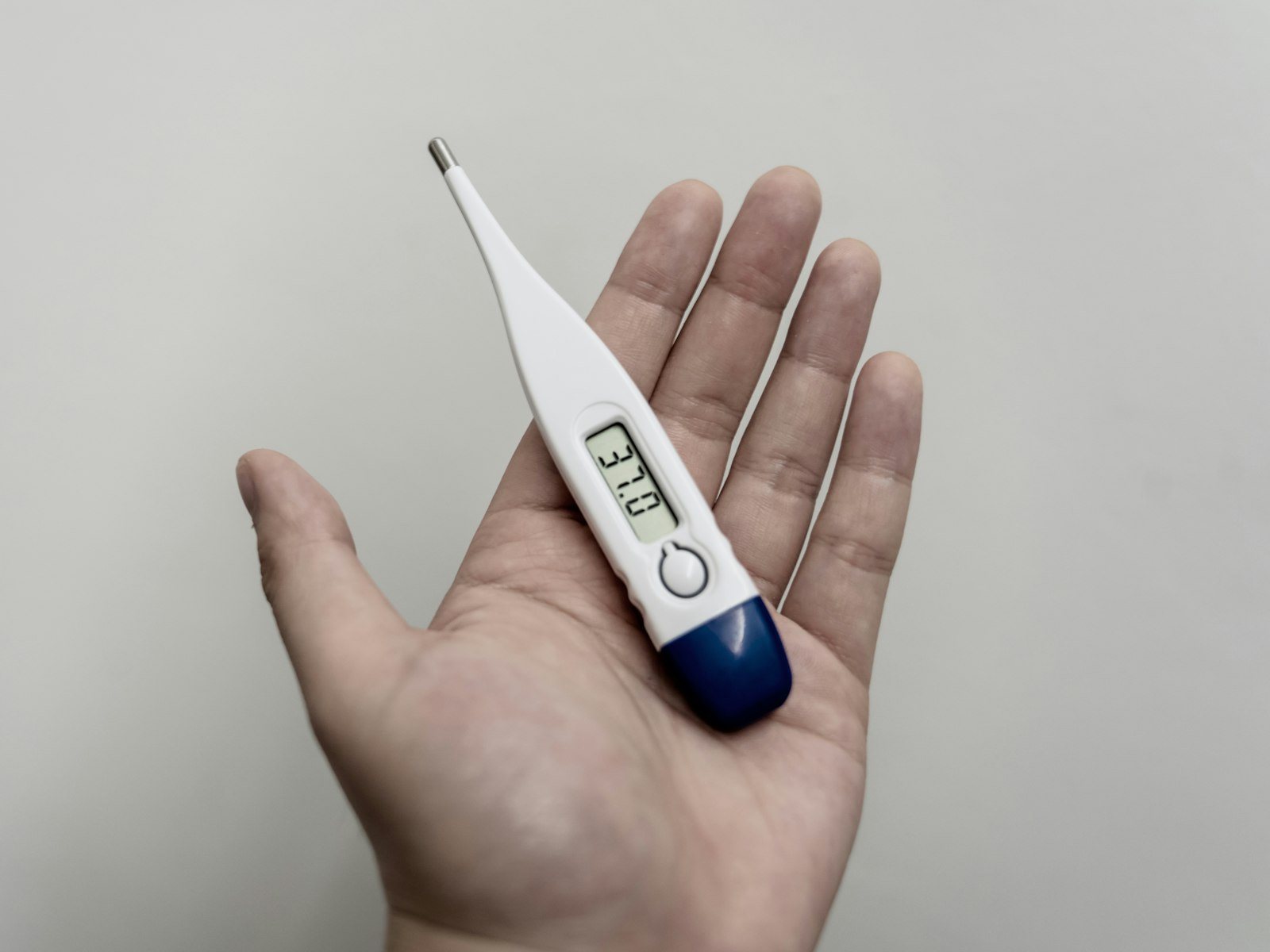
    A clinical thermometer being read
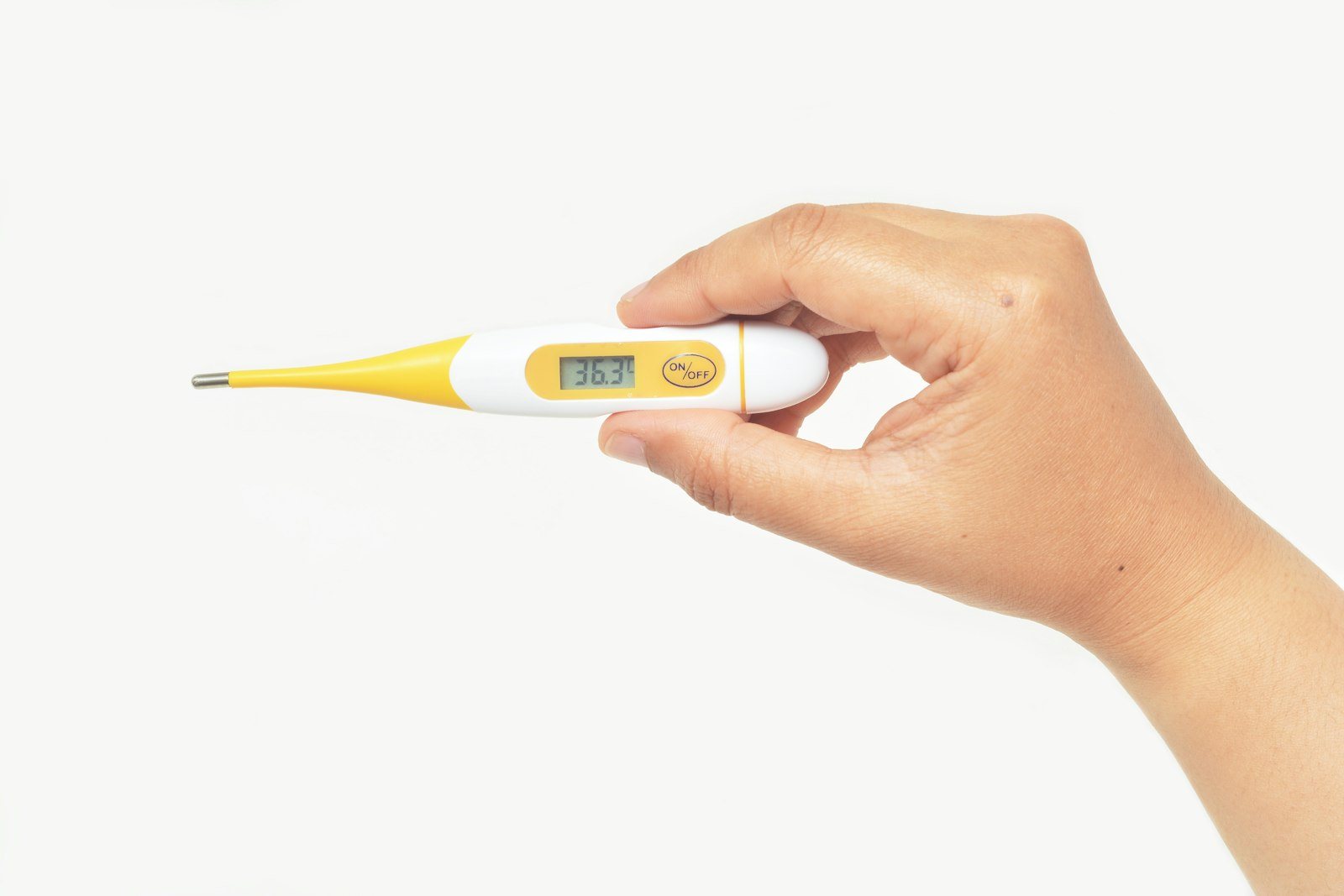
    A temperature of 100.4°F or above during chemotherapy warrants an immediate call, day or night.

    The usual thresholds are a single reading of 100.4°F (38°C) or higher, or a temperature that stays around that level for an hour. Your team may give you different numbers; use theirs.

    Do not take acetaminophen or ibuprofen to bring a fever down before calling. It can mask the only sign of a serious infection and delay treatment. Call first.

    The reason for the urgency is that neutropenic fever can progress to sepsis quickly, and outcomes depend heavily on how fast antibiotics are started.

    Treatment for neutropenic fever usually starts before anyone knows what the infection is. Broad antibiotics go in quickly and are narrowed once cultures return, which is the same principle described in our article on the warning signs of sepsis.

    Other symptoms that warrant an immediate call

    Because the usual signs are blunted, several less dramatic symptoms carry more weight than they otherwise would.

    What to do about common symptoms during treatment
    SymptomWhat it may meanWhat to do
    Temperature 100.4°F or abovePossible serious infectionCall immediately, day or night
    Shaking chills, even without feverPossible bloodstream infectionCall immediately
    New cough or breathlessnessPossible chest infectionCall the same day
    Burning on passing urinePossible urinary infectionCall the same day
    Redness or pain at a line or port sitePossible line infectionCall the same day
    Mouth sores, or pain on swallowingA common route for infectionReport at the next contact, sooner if severe
    Persistent vomiting or diarrheaDehydration and infection riskCall the same day

    If you are admitted, expect blood cultures and antibiotics quickly, often within the first hour. That speed is deliberate, and it is why calling early rather than waiting until morning changes what happens.

    Where infections tend to start

    Knowing the usual entry points makes the precautions make sense rather than feeling arbitrary.

    • The mouth, where chemotherapy-related sores break the lining
    • A central line or port, where the skin is permanently breached
    • The gut, where the lining is also affected by treatment
    • The chest, particularly after a viral illness, as covered in our article on pneumonia in adults
    • The urinary tract
    • The skin, including around fingernails and any break in the surface

    Most of these are internal rather than acquired from other people, which surprises many patients. A significant proportion of infections during treatment come from organisms already living on and in the body.

    Reducing the risk day to day

    Hand sanitizer and a face mask on a table
    Hand hygiene does more than any other single precaution, and it applies to everyone in the household.
    • Wash hands frequently, and ask household members to do the same
    • Avoid people who are unwell, and crowded indoor spaces during your low window
    • Care for any central line or port exactly as instructed
    • Keep up mouth care with a soft brush, since mouth sores are a common entry point
    • Cook meat thoroughly, wash produce, and observe food dates carefully
    • Avoid gardening without gloves, and avoid changing animal litter
    • Ask before having any vaccine, and before dental work

    Ask specifically about vaccination timing. Some vaccines are recommended and some are avoided during treatment, and the timing relative to cycles matters.

    Caregivers matter here too. Anyone living with someone on chemotherapy should know the temperature threshold, know where the contact number is, and be willing to make the call themselves if the patient is playing it down.

    Be ready before you need to be

    The worst time to work out who to call is at two in the morning with a fever.

    Handwritten notes on a notepad
    Have the numbers written down somewhere findable before you need them, not stored only in one phone.
    • Keep the 24-hour contact number written down where anyone can find it
    • Keep a working thermometer, and know how to use it
    • Carry your treatment alert card if you were given one
    • Have a bag packed in case admission is needed
    • Make sure someone else in the household knows the plan
    • Know which hospital to attend, and tell staff on arrival that you are on chemotherapy

    That last point matters. Saying you are neutropenic or on chemotherapy at reception changes how quickly you are seen, and it is worth being direct about it.

    Frequently asked questions

    What temperature means I should call?

    Usually a single reading of 100.4°F (38°C) or higher, or a temperature that stays around that level for an hour. Your team may give you different thresholds; use theirs, and call at any hour.

    Should I take acetaminophen for a fever during chemotherapy?

    Not before calling. It can lower the temperature and mask the only sign of a serious infection, delaying treatment. Contact your team first and follow their advice.

    When is my infection risk highest?

    Usually around seven to fourteen days after a dose, when white cell counts reach their lowest point. The window varies by regimen, so ask your team when yours falls.

    Can I still see family and friends?

    Generally yes, and isolation carries its own costs. Avoid anyone who is unwell, keep hand hygiene tight, and be more cautious about crowded indoor settings during your low window.

    Do I need antibiotics before dental work?

    Ask your oncology team before booking anything, including routine cleaning. Timing relative to your cycles matters, and the answer depends on your treatment and counts.

    More about the specialty is on the infectious disease physician page, and the contact page explains how to reach the practice.

    Sources and further reading: American Cancer Society — Infections in people with cancer.

    This article is general health information, not medical advice, and it cannot account for your own history or medications. Discuss your situation with a qualified clinician before acting on anything you read here.

  • After Surgery: What a Healing Wound Should and Should Not Do

    After Surgery: What a Healing Wound Should and Should Not Do

    Going home after an operation means becoming the person who watches the wound. That is a reasonable job to be given, but only if you know what you are watching for.

    Some redness, swelling and discomfort around an incision is normal healing. The question is never whether those are present, but whether they are improving or advancing.

    A desk calendar and pen
    Direction of travel matters more than any single appearance. Note the date of surgery and judge each day against the one before.

    What normal healing looks like

    In the first few days an incision is usually pink or red at the edges, slightly swollen, warm to the touch and sore. There may be a small amount of clear or lightly blood-stained fluid.

    From there it should steadily settle. Redness recedes, swelling reduces, pain decreases, and any drainage stops. The trajectory is downward, day by day.

    Bruising, itching as it heals, and a firm ridge along the incision are all normal and often alarming to people who were not told to expect them.

    The timeline that matters

    Most surgical site infections appear within thirty days of an operation, and typically in the first week or two. Where an implant was placed, the window extends considerably longer.

    Normal healing against infection, by timing
    WhenNormalConcerning
    Days one to threeRedness at the edges, swelling, soreness, clear fluidSpreading redness, fever, rapidly increasing pain
    Days four to sevenRedness fading, pain decreasing, drainage stoppingNew or increasing redness, warmth, pus, or a returning fever
    Week two onwardEdges closed, firm ridge forming, itchingWound opening, new drainage, foul odor, worsening pain
    Beyond thirty daysScar maturing and fadingLate pain or swelling near an implant, needing assessment

    Infections around implanted material behave differently and can appear months or years later, which is covered in our article on bone and joint infections.

    Where an operation involved a joint replacement, mesh, a graft or any implanted material, the threshold for reporting is lower and the relevant window is far longer than thirty days.

    The signs to report

    An inflamed red area of skin
    Redness that is expanding rather than receding is the single most useful sign, which is why marking its edge helps.
    • Redness spreading outward rather than receding, especially in red streaks
    • Increasing rather than decreasing pain
    • Fever, chills, or feeling generally unwell
    • Cloudy, yellow, green or thick discharge, or any pus
    • A bad smell from the wound
    • The wound edges separating, or the wound opening
    • New swelling, hardness or warmth around the incision

    The most useful single technique is the same one used for cellulitis: draw a line around the edge of the redness with a pen and note the time. Comparing against that line removes the guesswork.

    Call the surgical team the same day for fever, pus, spreading redness or rapidly worsening pain. Seek emergency care if the wound opens widely, if you feel confused or very unwell, or if you have the warning signs of sepsis.

    Keep the surgical team informed rather than routing everything through a general practice or an urgent care center. They know what was done, what was implanted and what the wound looked like when you left, and none of that is obvious from the outside.

    Most teams would far rather field a call that turns out to be nothing than see a problem three days later. Say so directly if you feel you are bothering them; you are not.

    Caring for the incision

    Hands being washed with soap
    Hand washing before touching the wound or its dressing is the single most effective thing you do at home.
    • Wash your hands thoroughly before and after touching the wound or dressing
    • Follow the specific instructions you were given about showering and getting it wet
    • Keep dressings clean and dry, and change them as instructed
    • Do not apply creams, ointments or antiseptics unless you were told to
    • Do not pick at scabs, and do not remove sutures or staples yourself
    • Wear loose clothing that does not rub against the site

    Instructions vary genuinely between operations and between surgeons. Where what you were told differs from general advice, follow what you were told, and ring the team if you cannot remember.

    Pain, and what it tells you

    Post-operative pain should follow a downward curve. Day three should be better than day two, and week two better than week one, even if progress is uneven from hour to hour.

    Pain that increases after having settled is one of the more reliable early signs that something has changed, and it often precedes visible redness or discharge by a day or more.

    It is worth reporting for that reason, even when the wound itself looks unremarkable. “It was getting better and now it is worse” is a sentence surgical teams take seriously.

    Not every wound problem is infection. Fluid collections, small areas of separation and stitch reactions all occur without infection and are managed differently, which is another reason to be assessed rather than to self-diagnose.

    What raises the risk

    Sterile dressing supplies on a clean surface
    Some risk factors are fixed by the operation itself; several are modifiable in the weeks before and after it.
    • Diabetes, particularly with blood glucose that is not well controlled
    • Smoking, which measurably impairs wound healing
    • Obesity, and poor nutrition
    • A long or emergency operation, or one on the abdomen or bowel
    • A suppressed immune system, or treatment with steroids
    • Existing infection elsewhere in the body at the time of surgery

    Several of these are modifiable, which is why pre-operative preparation matters. Stopping smoking and improving glucose control in the weeks before surgery both reduce the risk measurably.

    Take a photograph of the incision each day in similar light. Comparing images over three days is far more reliable than comparing today against your memory of yesterday, and it gives the team something concrete if you do need to call.

    If an infection develops

    Most surgical site infections are superficial and are treated with antibiotics, often with the wound opened and cleaned. Deeper infections, or those involving implanted material, need more.

    A person making a telephone call at home
    Call rather than wait. Describing what has changed since yesterday is more useful than a list of symptoms.

    Treatment may involve drainage, removal of infected tissue, a longer antibiotic course, and sometimes intravenous antibiotics continued at home through an office infusion center.

    Where a wound will not close afterwards, that becomes a separate problem with its own causes, set out in our article on why some wounds do not heal, and may need specialist wound care.

    Frequently asked questions

    How much redness is normal after surgery?

    Some redness at the incision edges is normal in the first days. What matters is direction: it should recede rather than expand. Redness spreading outward, especially with fever or increasing pain, should be reported the same day.

    When do surgical site infections usually appear?

    Most within thirty days of the operation, commonly in the first week or two. Where an implant was placed the window is much longer, and late pain or swelling near it should be assessed.

    Can I shower with my incision?

    Usually yes after a specified point, but instructions differ by operation and surgeon. Follow what you were told, and ring the team rather than guessing if you cannot remember.

    Is clear fluid from the wound normal?

    A small amount of clear or lightly blood-stained fluid can be normal early on. Cloudy, yellow, green or thick discharge, or any pus, is not, and should be reported.

    Should I put antiseptic cream on it?

    Not unless you were specifically told to. Many creams and antiseptics interfere with healing, and applying them can obscure the appearance the team needs to assess.

    More about the specialty is on the infectious disease physician page, and the contact page explains how to reach the practice.

    Sources and further reading: American College of Surgeons — Recovering from surgery.

    This article is general health information, not medical advice, and it cannot account for your own history or medications. Discuss your situation with a qualified clinician before acting on anything you read here.
  • Sinus Infections: When Antibiotics Actually Help

    Sinus Infections: When Antibiotics Actually Help

    Sinus infections are one of the commonest reasons people ask for antibiotics, and one of the commonest reasons antibiotics are prescribed when they will not help.

    The great majority of sinusitis is viral. It feels every bit as unpleasant as the bacterial kind, which is exactly why the distinction has to be made on pattern rather than on how bad it feels.

    An anatomical model of the head
    The sinuses are air-filled spaces that drain through narrow openings. Swelling blocks the drainage, and pressure builds.

    What is actually happening

    The sinuses are air-filled spaces in the bones of the face, connected to the nose through narrow openings. Their lining produces mucus that drains out through those openings continuously.

    When the lining swells, usually from a viral cold, the openings narrow and drainage stops. Mucus accumulates, pressure builds, and you get the facial pain, congestion and blocked-up feeling that defines sinusitis.

    Bacteria only become involved in a minority of cases, when the blocked, fluid-filled space gives them somewhere to multiply. That is a complication of the viral illness rather than how it usually starts.

    The usual course, and why patience is the treatment

    Viral sinusitis typically peaks around days three to five and improves steadily from there, resolving within seven to ten days.

    Tissues and a mug on a side table
    Viral sinusitis usually peaks around day three to five and improves from there. Antibiotics do not shorten it.

    Thick, discolored mucus is not evidence of bacterial infection. It is what happens when immune cells arrive at the site, and it occurs routinely in ordinary viral colds. This single misconception drives an enormous number of unnecessary prescriptions.

    Facial pain that is worse leaning forward, a blocked nose, reduced sense of smell and a feeling of pressure behind the eyes or cheeks are all typical, and none of them distinguishes viral from bacterial on their own.

    The three patterns that suggest bacterial infection

    Rather than any single symptom, three patterns raise the likelihood enough to consider antibiotics.

    Viral and bacterial sinusitis compared
    Usually viralSuggests bacterial
    DurationImproving by day seven to tenTen days or more with no improvement at all
    Severity at onsetModerate, building graduallySevere from days three to four, with high fever and marked facial pain
    PatternSteady improvement after the peakImproves, then clearly worsens again — “double worsening”
    Mucus colorCan be thick and coloredCan be thick and colored
    Usual treatmentSymptom relief and timeAntibiotics considered

    Notice that mucus color appears in both columns and distinguishes nothing. Duration and trajectory do the work, which is the same logic set out in our article on why antibiotics are not always the answer.

    Sinusitis in someone whose immune system is suppressed is assessed differently and earlier, because the usual reassurance about waiting does not apply. The same is true after sinus surgery, and in poorly controlled diabetes.

    What genuinely relieves symptoms

    None of these shorten the illness, but they make it considerably more bearable, and they work whether the cause is viral or bacterial.

    Steam rising from a bowl of hot water
    Saline irrigation, steam, hydration and elevation do more for symptoms than most people expect.
    • Saline nasal irrigation or spray, used several times a day
    • Steam inhalation, or simply a hot shower
    • Acetaminophen or ibuprofen for pain and fever, as directed
    • Sleeping with the head elevated on extra pillows
    • Plenty of fluids to keep mucus thinner
    • Warm compresses over the painful area

    Decongestant sprays can help briefly but should not be used for more than about three days, because stopping after longer produces rebound congestion that is worse than the original problem.

    Antibiotics are worth taking seriously when they are indicated and worth declining when they are not. Neither position is about toughing it out; both are about matching the treatment to what is actually happening.

    When to be seen

    Most sinusitis needs no appointment at all. These situations do.

    A clinician examining a patient nose
    Assessment is about the pattern over days rather than about any single symptom on the day you attend.
    • Symptoms lasting ten days or more with no improvement whatsoever
    • Severe symptoms with high fever and marked facial pain from the outset
    • Clear improvement followed by a definite worsening
    • Four or more episodes in a year
    • Symptoms lasting beyond twelve weeks
    • You are immunocompromised, or have had sinus surgery

    Seek urgent care for swelling or redness around an eye, changes in vision or double vision, severe headache with neck stiffness, confusion, or swelling of the forehead. These suggest spread beyond the sinuses and are emergencies.

    One further point about timing. The ten-day threshold assumes no improvement at all across those ten days. Slow but steady improvement at day twelve is still viral sinusitis resolving, and does not need antibiotics.

    If antibiotics are prescribed

    Take the course as directed and complete it. If there is no improvement after three to five days, go back rather than waiting the course out, because that usually means the organism is not covered by what you were given.

    Tell the prescriber about any drug allergy, and about how confident you are in it. As our article on penicillin allergy labels explains, an unexamined label often narrows the options unnecessarily.

    What does not help

    Several widely used measures have little evidence behind them, and a few make things worse.

    • Antihistamines, unless allergy is genuinely the underlying cause
    • Decongestant sprays beyond about three days, because of rebound congestion
    • Antibiotics for a viral episode, which add side effects without benefit
    • Pressing on with strenuous exercise, which tends to prolong the misery
    • Repeated courses for recurring episodes without investigating why

    The instinct that something must be done is understandable. For most sinusitis the honest answer is that symptom relief and time are the treatment, and that is not the same as being told nothing can be done.

    Complete any course you are given even once you feel better, and tell the prescriber if you have had several courses in the past year, because that pattern changes what is appropriate.

    Recurrent and chronic sinusitis

    Repeated or persistent sinusitis is a different problem from a single episode, and treating each recurrence with another antibiotic course rarely resolves it.

    A person resting propped on pillows
    Repeated episodes are a pattern to investigate rather than a series of separate infections to treat.

    Underlying causes include allergy, structural narrowing, nasal polyps, and occasionally a problem with immune function. Identifying which applies is what changes the pattern, and it usually needs specialist assessment rather than repeat prescriptions.

    Frequently asked questions

    How do I know if my sinus infection is bacterial?

    By pattern rather than by symptoms alone: ten or more days without any improvement, severe symptoms with high fever from the outset, or getting better and then clearly worse again. Mucus color does not distinguish them.

    Does green mucus mean I need antibiotics?

    No. Colored mucus reflects immune cells arriving at the site and occurs routinely in ordinary viral colds. It is one of the most persistent misconceptions in this area.

    How long should a sinus infection last?

    Viral sinusitis usually peaks at day three to five and settles within seven to ten days. Beyond ten days with no improvement at all is the point at which reassessment makes sense.

    Do nasal rinses actually work?

    They do not shorten the illness but they reliably improve symptoms, and they are safe to use several times a day. Use sterile, distilled or previously boiled water rather than water straight from the tap.

    When is a sinus infection an emergency?

    Swelling or redness around the eye, changes in vision, severe headache with neck stiffness, confusion, or forehead swelling all suggest spread beyond the sinuses and need immediate assessment.

    More about the specialty is on the infectious disease physician page, and the contact page explains how to reach the practice.

    Sources and further reading: ENThealth (American Academy of Otolaryngology) — Sinusitis.

    This article is general health information, not medical advice, and it cannot account for your own history or medications. Discuss your situation with a qualified clinician before acting on anything you read here.

  • Penicillin Allergy: Most People Labeled With One Are Not Allergic

    Penicillin Allergy: Most People Labeled With One Are Not Allergic

    Penicillin is the most commonly reported drug allergy in the United States. Somewhere between seven and ten percent of people carry the label.

    More than nine in ten of them can take penicillin safely. The label is usually wrong, and carrying it wrongly has real consequences for the care you receive.

    Patient records on a clinic desk
    The label follows you between systems for decades, and almost nobody revisits where it came from.

    Where the label usually comes from

    Most penicillin allergy labels are applied in childhood, and most were never confirmed. A child develops a rash during a course of antibiotics, the antibiotic is blamed, and the label follows them for the next fifty years.

    Often the rash was caused by the virus the child had in the first place. Viral illnesses commonly produce rashes, and the timing overlaps almost perfectly with a course of antibiotics prescribed for the same illness.

    Other labels come from side effects rather than allergy at all. Nausea, diarrhea and thrush are unpleasant, but they are not allergic reactions and they do not mean the drug cannot be used again.

    True allergy also fades

    Even where a genuine allergic reaction occurred, it does not necessarily last. The antibody response responsible for immediate penicillin allergy wanes over time, and the majority of people lose it after about ten years.

    So a label can be simultaneously accurate at the time it was applied and wrong today. Both routes lead to the same place: most people carrying the label are not currently allergic.

    What the label costs you

    This is not a paperwork problem. A penicillin allergy label changes what you are prescribed, and the alternatives are usually worse.

    Medication shelving in a modern pharmacy
    The label pushes prescribing toward broader, second-choice drugs, which carry their own costs.
    • Broader-spectrum antibiotics, which disturb more of the normal bacteria
    • A measurably higher risk of Clostridioides difficile infection
    • A higher risk of acquiring resistant organisms such as MRSA
    • Longer hospital stays, and higher costs
    • More side effects from second-choice drugs
    • Fewer options in a serious infection, where penicillin-class drugs are often best

    That last point matters most. For several serious infections, including endocarditis and some bone and joint infections, penicillin-class antibiotics are the treatment of choice. Losing them narrows the field at the worst possible moment.

    It is also worth knowing that being labeled allergic to one penicillin does not automatically rule out related drugs. Cross-reactivity with cephalosporins, once assumed to be common, is now understood to be considerably lower than the old teaching suggested.

    Which reactions actually matter

    Not every reaction to an antibiotic is an allergy, and the distinction is what testing is designed to establish.

    What different reported reactions usually mean
    What you rememberWhat it usually isCan it be reassessed?
    Nausea, diarrhea, stomach upsetA side effect, not an allergyYes; usually not a true allergy at all
    A rash days into a course, in childhoodOften the viral illness itselfYes; a common reason for delabeling
    Hives within an hour of a dosePossible immediate allergyYes, with formal assessment
    Swelling of the face or throat, difficulty breathingSerious immediate allergyAssessment by a specialist only
    Blistering, skin peeling, or a severe whole-body reactionA severe delayed reactionNo; penicillins are permanently avoided
    A relative is allergicNot relevant to youYes; drug allergy is not inherited in this way
    A skin rash seen close up
    A rash days into a childhood course is the single most common reason for a label, and often reflects the virus rather than the drug.

    If your reaction involved skin blistering or peeling, severe whole-body illness, or organ involvement, penicillins are avoided permanently and testing is not appropriate. Describe what happened in as much detail as you can remember.

    Who should ask about it

    Anyone carrying the label is worth assessing, but it is most urgent for some people than others.

    • Anyone facing planned surgery, where prophylaxis choice matters
    • People with a cardiac indication for antibiotics before dental work
    • Anyone who gets frequent infections of any kind
    • People with recurrent urinary infections, as covered in our article on recurrent UTIs
    • Anyone who has had C. difficile after a broad-spectrum course
    • People who are pregnant or planning to be
    • Anyone whose label came from a childhood rash they cannot remember clearly

    The patient guide covers what to bring to an appointment. Bring whatever you can reconstruct about the original reaction, including approximate dates.

    One practical note: raise it with your own physician first. Delabeling is usually arranged through a referral to allergy, and knowing whether your history is suitable saves an unnecessary appointment.

    How the label gets removed

    The process is straightforward and is done by an allergy specialist. It starts with a careful history: what the drug was, what happened, how long after the dose, how long ago, and whether you have taken anything similar since.

    That history alone resolves a good proportion of labels. Where it does not, skin testing may be used, sometimes followed by a supervised oral challenge in which a dose is given under observation.

    A skin test being performed on a forearm
    Skin testing, and where appropriate a supervised oral challenge, is how a label is confirmed or removed.

    The supervised challenge is the definitive step. It is done in a setting equipped to manage a reaction, which is precisely why it should never be attempted at home.

    Testing is generally done electively rather than during an acute illness, and it takes a single appointment in most cases. Plan for a few hours, since observation after a challenge is part of the process rather than an afterthought.

    After the label is removed

    Make sure the change is actually recorded. Removing a label is of no use if it is still sitting in three other systems.

    A clinician updating records at a computer
    A delabeling is only useful once every record reflects it, which usually takes chasing.
    • Ask for your record to be updated at the practice that holds it
    • Tell your regular pharmacy
    • Update any hospital or specialist records
    • Correct any medical alert bracelet or card you carry
    • Tell your dentist, particularly if you have a cardiac indication for prophylaxis

    It is a good idea to raise the question before you need it. Sorting out a decades-old label while acutely unwell is far harder than doing it electively.

    Frequently asked questions

    How do I know if my penicillin allergy is real?

    You usually cannot know without assessment. Most labels come from childhood rashes or from side effects rather than true allergy. A specialist history, and where needed skin testing and a supervised challenge, is what settles it.

    Can a penicillin allergy go away?

    Yes. The antibody response behind immediate penicillin allergy fades over time, and most people lose it after around ten years. A reaction decades ago frequently no longer applies.

    Is it dangerous to be tested?

    Testing is done in a setting equipped to manage a reaction, and is generally safe for people whose history is suitable. People with a history of severe blistering or organ-involving reactions are not tested; those penicillins are avoided permanently.

    Why does it matter if I just take a different antibiotic?

    Because the alternatives are usually broader, less effective for some infections, and carry higher risks of C. difficile and resistant organisms. For certain serious infections the penicillin class is the best treatment available.

    Can I just try penicillin at home to see?

    No. If there is any question of a genuine reaction, a challenge must be supervised somewhere equipped to treat one. This is the one part of the process that should never be improvised.

    More about the specialty is on the infectious disease physician page, the clinicians are listed on the provider profiles page, and the contact page explains how to reach the practice.

    Sources and further reading: American Academy of Allergy, Asthma & Immunology — Penicillin allergy.

    This article is general health information, not medical advice, and it cannot account for your own history or medications. Discuss your situation with a qualified clinician before acting on anything you read here.

  • Infections and Vaccines in Pregnancy: What Changes

    Infections and Vaccines in Pregnancy: What Changes

    Pregnancy changes how infections are managed. Not because infections become common, but because the calculations around them shift: which medicines are suitable, which illnesses matter more than they otherwise would, and how quickly to act.

    The result is that advice which is perfectly sound outside pregnancy sometimes is not during it, which makes this an area where general reading is a poor substitute for your own maternity team.

    A pregnant person resting a hand on their abdomen
    The immune system does not simply weaken in pregnancy; it shifts, which changes how some infections behave.

    What actually changes

    The immune system does not switch off in pregnancy. It adapts, in ways that tolerate the pregnancy but alter the response to certain infections, so that some illnesses run a more severe course than they otherwise would.

    Influenza is the clearest example: pregnancy raises the risk of severe illness and hospital admission from it substantially.

    Physical changes matter too. The urinary tract drains less freely, which is why urinary infections are both more common and more likely to reach the kidneys. Untreated, they carry risks for the pregnancy itself, which is why screening is routine even without symptoms.

    Vaccines in pregnancy

    The general principle is straightforward: inactivated vaccines are used in pregnancy, live vaccines are generally avoided. The detail belongs with your own team.

    A vaccination being given in a clinic
    Vaccination in pregnancy protects two people: antibodies cross the placenta and protect the baby in its first months.
    The general position on vaccines
    Usual position in pregnancyWhy
    Influenza (inactivated)RecommendedPregnancy raises the risk of severe influenza; also protects the newborn
    Tdap (whooping cough)Recommended in each pregnancyAntibodies cross to the baby before it can be vaccinated itself
    COVID-19RecommendedReduces the risk of severe illness in pregnancy
    Hepatitis BGiven where indicatedInactivated; used when risk is present
    MMR, varicellaAvoided during pregnancyLive vaccines; given before or after
    Live travel vaccinesIndividual assessmentWeighed against the risk of the destination

    Vaccination in pregnancy protects two people. Antibodies cross the placenta and give the baby protection in its first months, before it is old enough to be vaccinated itself.

    Everyday precautions worth taking

    Hands being washed with soap at a sink
    Handwashing after contact with young children matters more than most people expect, because of cytomegalovirus.
    • Wash hands after diaper changes, and after contact with young children’s saliva
    • Avoid sharing cups, cutlery or food with toddlers
    • Wear gloves for gardening and for handling soil
    • Avoid changing cat litter where possible, or wear gloves and wash afterwards
    • Avoid contact with anyone who has chickenpox, measles or slapped cheek syndrome if you are not immune
    • Tell your maternity team promptly about any fever, rash or unusual illness

    The advice about young children surprises people. Cytomegalovirus is common, usually harmless in adults, and spread through the saliva and urine of toddlers, which is why hand hygiene around them matters more in pregnancy than at other times.

    Infections that are screened for routinely

    Antenatal care includes screening for several infections, not because they are common but because identifying them changes what can be done.

    • HIV, where treatment in pregnancy dramatically reduces transmission to the baby
    • Hepatitis B, where the newborn can be protected at birth
    • Syphilis, which is treatable and carries serious consequences untreated
    • Rubella immunity, which guides vaccination after delivery
    • Urine screening for infection, including infection without symptoms

    These are offered as routine rather than because anything is suspected. If you would prefer to discuss any of them, or have questions about HIV prevention specifically, our article on how PrEP works covers the preventive side.

    Food, and why the rules exist

    Food advice in pregnancy is not arbitrary caution. It targets two specific organisms that behave unusually badly in pregnancy: listeria and toxoplasma.

    Fresh ingredients on a kitchen chopping board
    The food rules target two specific organisms rather than being general caution, which is why they are so particular.
    • Avoid unpasteurised milk and cheeses made from it
    • Avoid pre-prepared deli salads and chilled ready-to-eat meats unless heated through
    • Cook meat thoroughly, and wash fruit, vegetables and salad
    • Avoid raw or undercooked eggs unless they are from a recognized safe scheme
    • Observe fish advice regarding mercury and raw fish
    • Keep the fridge cold and observe use-by dates carefully

    Listeria is rare, but it can cross the placenta, and it grows at refrigerator temperatures, which is why chilled ready-to-eat foods feature so heavily in the guidance.

    Medicines and infection in pregnancy

    The instinct to avoid all medicines in pregnancy is understandable and sometimes harmful. Untreated infection carries its own risks, and for several common infections the risk of not treating clearly exceeds the risk of treating.

    Many antibiotics are well established in pregnancy; some are avoided. That is a prescribing decision rather than one to make yourself, and it is a reason to be seen rather than to wait an infection out.

    Equally, do not stop a prescribed medicine on discovering a pregnancy without speaking to whoever prescribed it. Abrupt stopping carries its own risks, and the review should happen with someone who knows the whole picture.

    Travel during pregnancy

    Travel is often perfectly reasonable, but it needs more planning than usual, and the planning has to start earlier.

    Some destinations carry risks that change the calculation entirely: malaria is more dangerous in pregnancy, and some regions carry infections with specific risks to a developing baby. Some prophylaxis and some vaccines are unsuitable.

    If travel is planned, book a pre-travel consultation well ahead, and mention the pregnancy at the point of booking rather than on arrival. Our article on how far in advance to plan explains why the lead time matters.

    None of this is a reason for anxiety. The great majority of pregnancies pass without any infection of consequence, and the precautions above are straightforward once they become habit.

    When to call rather than wait

    A notebook and pen on a table
    Write questions down between appointments. Pregnancy generates more of them than any single consultation can hold.
    • Any fever, particularly above 38°C
    • Burning on passing urine, or pain in the back or side
    • Any new rash, or contact with someone who has chickenpox or measles
    • Flu-like illness, which should be assessed early rather than waited out
    • Reduced fetal movements, at any time
    • Abdominal pain, or any fluid loss

    Tell any clinician who assesses you that you are pregnant, and how many weeks. It changes which investigations and which medicines are appropriate, and it is not always obvious.

    Frequently asked questions

    Is the flu vaccine safe in pregnancy?

    The inactivated influenza vaccine is recommended in pregnancy. Pregnancy raises the risk of severe influenza, and vaccination also passes protection to the baby for its first months.

    Which vaccines are avoided in pregnancy?

    Live vaccines such as MMR and varicella are generally avoided and given before or after pregnancy. Live travel vaccines require individual assessment weighing the destination risk.

    Why is a urine test done at every appointment?

    Urinary infections are more common in pregnancy and can be present without symptoms. Untreated they can progress to a kidney infection and carry risks for the pregnancy, so they are screened for and treated.

    Do I really need to avoid cat litter?

    The concern is toxoplasma, which can be present in cat feces. If someone else can change the litter, that is simplest; if not, wear gloves and wash hands thoroughly afterwards.

    Can I travel abroad while pregnant?

    Often yes, but it needs earlier planning. Some destinations carry infection risks that matter more in pregnancy, and some vaccines and malaria medicines are unsuitable. Arrange a pre-travel consultation well in advance.

    Decisions in pregnancy belong with your own obstetric team, who know your history. For infection-specific questions, more about the specialty is on the infectious disease physician page, and the contact page explains how to reach us.

    Sources and further reading: American College of Obstetricians and Gynecologists — The flu vaccine and pregnancy.

    This article is general health information, not medical advice, and it cannot account for your own history or medications. Discuss your situation with a qualified clinician before acting on anything you read here.

  • Kidney Infection: When a UTI Moves Up

    Kidney Infection: When a UTI Moves Up

    Most urinary tract infections stay in the bladder. They are uncomfortable, they respond to a short course of antibiotics, and they are over within days.

    Sometimes bacteria travel upward from the bladder to one or both kidneys. That is pyelonephritis, and it is a different illness in seriousness rather than in degree.

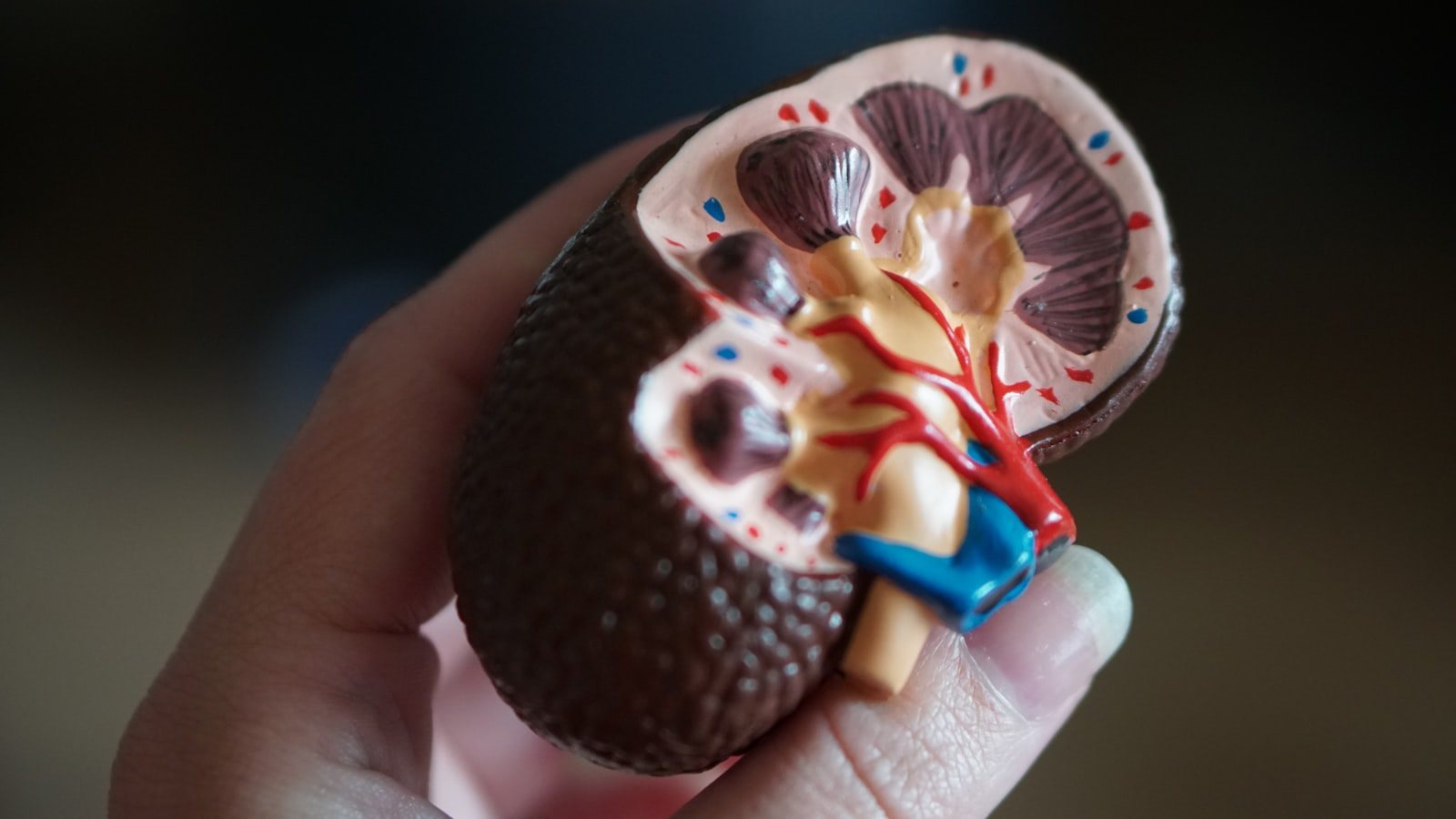
    An anatomical model of a kidney
    Bacteria travel upward from the bladder along the ureters. That short journey is the difference between a nuisance and a serious infection.

    What changes when it moves up

    A bladder infection is largely local: burning, urgency, frequency, discomfort low down. You feel irritated rather than ill.

    A kidney infection makes you systemically unwell. Fever, chills, nausea and pain in the back or side arrive, often within hours, and the whole body is involved.

    Bladder infection compared with kidney infection
    Bladder infectionKidney infection
    Where the pain isLow down, above the pubic boneBack or side, below the ribs
    FeverUsually noneCommon, often with shaking chills
    Nausea and vomitingUnusualCommon
    How you feel overallUncomfortable but wellGenuinely unwell
    OnsetGradual over a day or twoOften rapid, over hours
    Typical treatmentShort oral antibiotic courseLonger course; sometimes hospital care

    The practical rule is simple. Urinary symptoms plus fever, chills, back pain, nausea or vomiting means being assessed the same day rather than waiting.

    Timing is the other difference. Bladder symptoms build gradually over a day or two; a kidney infection often declares itself within hours, and people can usually name the point at which they went from uncomfortable to genuinely ill.

    The symptoms to act on

    A thermometer showing a high reading
    Fever with urinary symptoms is the combination that changes the urgency, whatever the rest of the picture looks like.
    • Fever, often with shaking chills
    • Pain in the back or side, usually on one side, below the ribs
    • Nausea or vomiting
    • Burning on passing urine, urgency or frequency
    • Cloudy, bloody or strong-smelling urine
    • Feeling suddenly and unusually unwell
    • Confusion, particularly in older adults

    Urinary symptoms combined with fever, back or flank pain, nausea or vomiting need same-day assessment. Untreated kidney infection can damage the kidneys and is a common route to sepsis.

    One reassurance: a kidney infection caught early and treated promptly usually resolves completely, with no lasting effect on kidney function. The urgency is about acting quickly, not about the outlook once treatment starts.

    Who is more likely to get one

    • Anyone with recurrent bladder infections, covered in our article on recurrent urinary tract infections
    • People with kidney stones or any obstruction to urine flow
    • People with an indwelling urinary catheter
    • Anyone whose bladder does not empty completely
    • People with diabetes, or a suppressed immune system
    • Pregnant people, in whom the urinary tract changes shape and drains less freely
    • Men with prostate enlargement

    In older adults the presentation is often atypical. Confusion, unsteadiness or a fall may appear before any urinary symptom, and fever may be absent entirely.

    Men deserve a specific note. Urinary infection is much less common in men, and when it occurs it is more likely to reflect an underlying cause such as prostate enlargement or obstruction. It is generally investigated rather than simply treated.

    How it is diagnosed and treated

    Assessment involves a urine sample for testing and culture, blood tests where you are unwell, and sometimes imaging to look for stones or obstruction.

    A specimen being processed in a laboratory
    A culture identifies the organism and its susceptibilities, which is what allows treatment to be narrowed from an initial best guess.

    The culture matters more here than in a simple bladder infection. Treatment usually starts before results are back, and being able to narrow it afterwards is what keeps the course effective and limits unnecessary broad-spectrum antibiotic use.

    Most people are treated at home with oral antibiotics for one to two weeks. Hospital treatment with intravenous antibiotics and fluids is needed when someone cannot keep fluids down, is severely unwell, is pregnant, or has an obstruction.

    A modern hospital room with an intravenous stand
    Hospital treatment is needed when fluids cannot be kept down, when there is obstruction, or when someone is severely unwell.

    What recovery looks like

    Fever and chills usually settle within 48 to 72 hours of effective treatment. Flank pain and general fatigue take longer, often a week or two, and tiredness can persist beyond that.

    Drink enough to keep urine pale, complete the whole course even once you feel well, and attend any follow-up urine test arranged for you. A repeat sample is sometimes checked afterwards, particularly in pregnancy or where there were complications.

    If infections keep returning after a kidney infection, that pattern deserves proper investigation rather than repeated courses, as set out in our article on recurrent urinary tract infections.

    When it does not settle

    You should feel meaningfully better within 48 to 72 hours of starting treatment. If you do not, that is a signal rather than a matter of patience.

    It usually means one of three things: the organism is resistant to the antibiotic chosen, there is an obstruction such as a stone preventing drainage, or a collection of pus has formed that needs drainage.

    All three need reassessment rather than a longer course of the same treatment. Recurrent or unresolving kidney infection is one of the situations where an infectious disease physician is asked to advise, as set out in our guide to when an infection needs a specialist.

    Kidney infection in pregnancy

    Pregnancy deserves separate mention. The urinary tract drains less freely, kidney infection is more common, and it carries risks for the pregnancy itself.

    That is why urine is screened routinely at antenatal appointments, including when there are no symptoms at all, and why treatment threshold is lower. Any urinary symptom in pregnancy should be reported rather than watched.

    Our article on infections and vaccines in pregnancy covers what else changes.

    Finally, a repeat culture is sometimes arranged after treatment finishes, particularly in pregnancy or where there were complications. Attend for it even if you feel entirely well, because it is the check that the infection actually cleared.

    Reducing the risk

    A person drinking a glass of water
    Fluid intake and complete bladder emptying are the two measures with the most straightforward rationale behind them.
    • Drink enough that urine stays pale through the day
    • Do not delay passing urine when you need to
    • Treat bladder infections promptly rather than waiting them out
    • Have recurrent infections properly investigated rather than repeatedly treated
    • Discuss vaginal estrogen after menopause, which reduces recurrence
    • Keep diabetes well controlled
    • Have any stone or obstruction managed

    Frequently asked questions

    How do I know if my UTI has spread to my kidneys?

    The key additions are fever, chills, pain in the back or side, and nausea or vomiting. A bladder infection makes you uncomfortable; a kidney infection makes you feel genuinely unwell.

    How long does treatment take?

    Usually one to two weeks of antibiotics, longer than for a bladder infection. You should feel clearly better within two or three days, and if not, you need reassessment rather than more of the same.

    Can a kidney infection cause permanent damage?

    It can if treatment is delayed or if there is an untreated obstruction, particularly with repeated episodes. Prompt treatment makes lasting damage uncommon.

    Do I need to go to hospital?

    Most people do not. Hospital care is needed if you cannot keep fluids or tablets down, are severely unwell, are pregnant, or have an obstruction such as a kidney stone.

    Why do I need a urine culture if I am already on antibiotics?

    Because treatment usually starts before results are available. The culture confirms the organism is susceptible to what you are taking and allows a change if it is not.

    More about the specialty is on the infectious disease physician page, and appointments can be arranged through the contact page.

    Sources and further reading: American Kidney Fund — Kidney infection (pyelonephritis).

    This article is general health information, not medical advice, and it cannot account for your own history or medications. Discuss your situation with a qualified clinician before acting on anything you read here.

  • Shingles: The Rash, the Nerve Pain, and the Vaccine

    Shingles: The Rash, the Nerve Pain, and the Vaccine

    Shingles is chickenpox returning. The virus that caused it in childhood never leaves the body; it retreats into nerve tissue and stays there, held in check by the immune system, sometimes for fifty years or more.

    When that control slips, the virus travels back down a single nerve to the skin. That is why the rash appears in a band on one side of the body and stops abruptly at the midline.

    A person pressing a hand to their torso
    Pain, burning or itching in one band of skin often arrives days before any rash, and is frequently mistaken for something else.

    The warning that comes before the rash

    For one to five days before anything appears, most people feel something in the area the rash will occupy: burning, tingling, itching, or a deep ache. The skin may be painful to touch while looking entirely normal.

    This phase is regularly misread. Depending on where it lands it can be mistaken for a muscle strain, a trapped nerve, kidney pain, or even a cardiac problem.

    If you have had chickenpox and develop unexplained pain confined to one band on one side of the body, shingles is worth raising as a possibility, because what happens next is time-sensitive.

    Why treatment is time-critical

    Antiviral treatment works best when started within 72 hours of the rash appearing. It shortens the illness, reduces the severity, and lowers the chance of lasting nerve pain afterwards.

    Beyond that window it becomes less effective, though it may still be offered in some circumstances. This is the single most useful thing to know about shingles: a new one-sided rash is a same-week problem, not a wait-and-see one.

    A new painful rash in a band on one side of the body should be assessed within 72 hours. Shingles affecting the eye, the tip of the nose or the ear needs urgent same-day assessment, as sight and hearing can be affected.

    How the illness unfolds

    The usual course
    StageTimingWhat happens
    Before the rashOne to five daysPain, burning, tingling or itching in one band of skin
    Rash appearsDays one to threeRed patches on one side, following a nerve, not crossing the midline
    BlisteringDays three to sevenFluid-filled blisters form; this is the infectious phase
    CrustingDays seven to tenBlisters dry and scab; contagiousness ends
    HealingTwo to four weeksScabs clear, sometimes leaving discoloration
    Nerve painBeyond three monthsPostherpetic neuralgia, if it develops
    Skin being examined closely by a clinician
    The rash follows a single nerve and stops at the midline, which is what distinguishes it from most other rashes.

    One further complication deserves naming. Shingles affecting the eye can threaten sight, and shingles affecting the ear can affect hearing and cause facial weakness. Both are treatable, and both are time-critical.

    Postherpetic neuralgia

    The most common complication is nerve pain that persists after the rash has healed. It is defined as pain continuing three months or more, and it can last months or years.

    An older person sitting at home in discomfort
    Nerve pain after the rash heals is the complication that most affects quality of life, and it becomes more likely with age.

    People describe it as burning, stabbing, or a deep ache, and the skin is often exquisitely sensitive, so that clothing or a light touch is painful. It mainly affects people over 60, and the risk rises with age.

    It is treatable, though not always easily, and treatment is different from ordinary painkillers because the pain originates in the nerve rather than in damaged tissue. Starting antivirals early reduces the chance of it developing at all.

    What triggers it

    Shingles happens when immune control over the dormant virus slips. That is most often simply age: the risk climbs steadily from around 50 as immune surveillance naturally declines.

    Other triggers include illness, physical or emotional stress, treatments that suppress the immune system, and certain cancers. Frequently no trigger is identifiable at all, which is worth saying because people often search for something they did wrong.

    Anyone who has had chickenpox can develop shingles, including children, though it is far more common with age. Having had it once does not prevent it happening again.

    Is it contagious?

    You cannot catch shingles from someone with shingles. What can be transmitted, through contact with the fluid in the blisters, is the virus itself, and in someone who has never had chickenpox or been vaccinated it causes chickenpox rather than shingles.

    The infectious period runs from when blisters appear until they have all crusted over. Keeping the rash covered, avoiding scratching and washing hands reduces the risk.

    During that window, avoid contact with newborns, pregnant people who have not had chickenpox, and anyone whose immune system is suppressed.

    Managing the illness itself

    Alongside antivirals, the aim is to keep the rash clean and to control pain properly. Pain in the acute phase is often underestimated, and treating it well appears to matter for what happens afterwards.

    • Keep the rash clean and dry, and cover it with a loose, non-stick dressing
    • Do not scratch; broken blisters can become secondarily infected
    • Wear loose clothing over the affected area
    • Use cool compresses for relief
    • Take pain relief regularly rather than waiting for pain to build
    • Ask specifically about pain control if what you have is not working

    If the rash becomes increasingly red, warm and tender at the edges rather than settling, that can indicate a bacterial infection on top, which is covered in our article on cellulitis.

    The vaccine

    A vaccine is available and is recommended for adults from age 50, and for younger adults whose immune systems are weakened. It is given as two doses, typically two to six months apart.

    A vaccine vial and syringe on a clinic tray
    Two doses, two to six months apart, and worth having even after a previous episode of shingles.

    With both doses it is more than 90 percent effective at preventing shingles and postherpetic neuralgia, which places it among the more effective adult vaccines available.

    • It is recommended even if you have already had shingles, since recurrence is possible
    • It is recommended even if you do not remember having chickenpox
    • Both doses are needed; one dose gives substantially less protection
    • Sore arm, tiredness and aching for a day or two are common after each dose
    • Timing around other vaccines and around treatments that suppress immunity is worth checking
    An older couple walking outdoors
    Adult vaccination is easy to lose track of, and a single review appointment usually settles what is outstanding.

    Adult immunization generally is easy to lose track of. A pre-travel appointment is a natural moment to review what is outstanding, alongside the destination advice covered in our article on planning travel vaccines. Our travel medicine service covers both.

    Frequently asked questions

    How soon do I need to be seen?

    Within 72 hours of the rash appearing, because antiviral treatment is most effective in that window. Shingles near the eye or ear needs same-day assessment regardless.

    Can I catch shingles from someone?

    No. You cannot catch shingles itself. Someone who has never had chickenpox or been vaccinated can catch the virus from blister fluid and develop chickenpox.

    Should I have the vaccine if I have already had shingles?

    Yes, it is still recommended, because shingles can recur. Ask your clinician about the right interval after an episode.

    What is postherpetic neuralgia?

    Nerve pain that persists three months or more after the rash heals. It mainly affects older adults, can last a long time, and is treated with medicines aimed at nerve pain rather than ordinary painkillers.

    Does the vaccine work if I do not remember having chickenpox?

    It is still recommended. The great majority of adults have had chickenpox whether or not they remember it, and testing beforehand is not usually required.

    You can read more on the health and wellness page or reach the practice through the contact page.

    Sources and further reading: National Foundation for Infectious Diseases — Shingles (herpes zoster).

    This article is general health information, not medical advice, and it cannot account for your own history or medications. Discuss your situation with a qualified clinician before acting on anything you read here.
  • Pneumonia in Adults: When It Needs More Than Rest

    Pneumonia in Adults: When It Needs More Than Rest

    Most coughs are viral and settle on their own. Pneumonia is different: an infection in the lung tissue itself, where the small air sacs fill with fluid and stop doing their job.

    The difficulty is that it does not always announce itself. Some people are visibly and obviously ill. Others feel unwell in an ordinary way for a week before anyone suspects anything.

    A person coughing at home
    A cough that is worsening in the second week, rather than settling, is one of the more useful signals.

    How it differs from a cold or bronchitis

    All three produce a cough. What separates them is where the infection sits and how the whole person feels.

    Telling them apart
    ColdAcute bronchitisPneumonia
    Where it isNose and throatAirwaysLung tissue itself
    FeverMild or noneMild or noneOften present, sometimes high
    CoughMild, ticklyProminent, can last weeksOften productive, sometimes painful
    BreathingNormalUsually normalOften faster or harder work
    How you feelUnder the weatherTired but functioningGenuinely unwell
    Usual treatmentRest and fluidsRest and fluidsAntibiotics if bacterial

    Colored phlegm does not distinguish them, and neither does the cough lasting two weeks. Bronchitis routinely does both, which is one reason our article on why antibiotics are not always the answer spends time on it.

    The signs that need same-day assessment

    Some features shift this from something to monitor to something to act on.

    A pulse oximeter on a fingertip
    Breathlessness at rest and confusion are the two features that most reliably signal urgency, in any age group.
    • Breathlessness at rest, or struggling to complete a sentence
    • Chest pain, particularly on breathing in
    • Confusion, drowsiness or a sudden change in behavior
    • A high fever with shaking chills
    • Coughing up blood
    • Blue or grey lips or fingertips
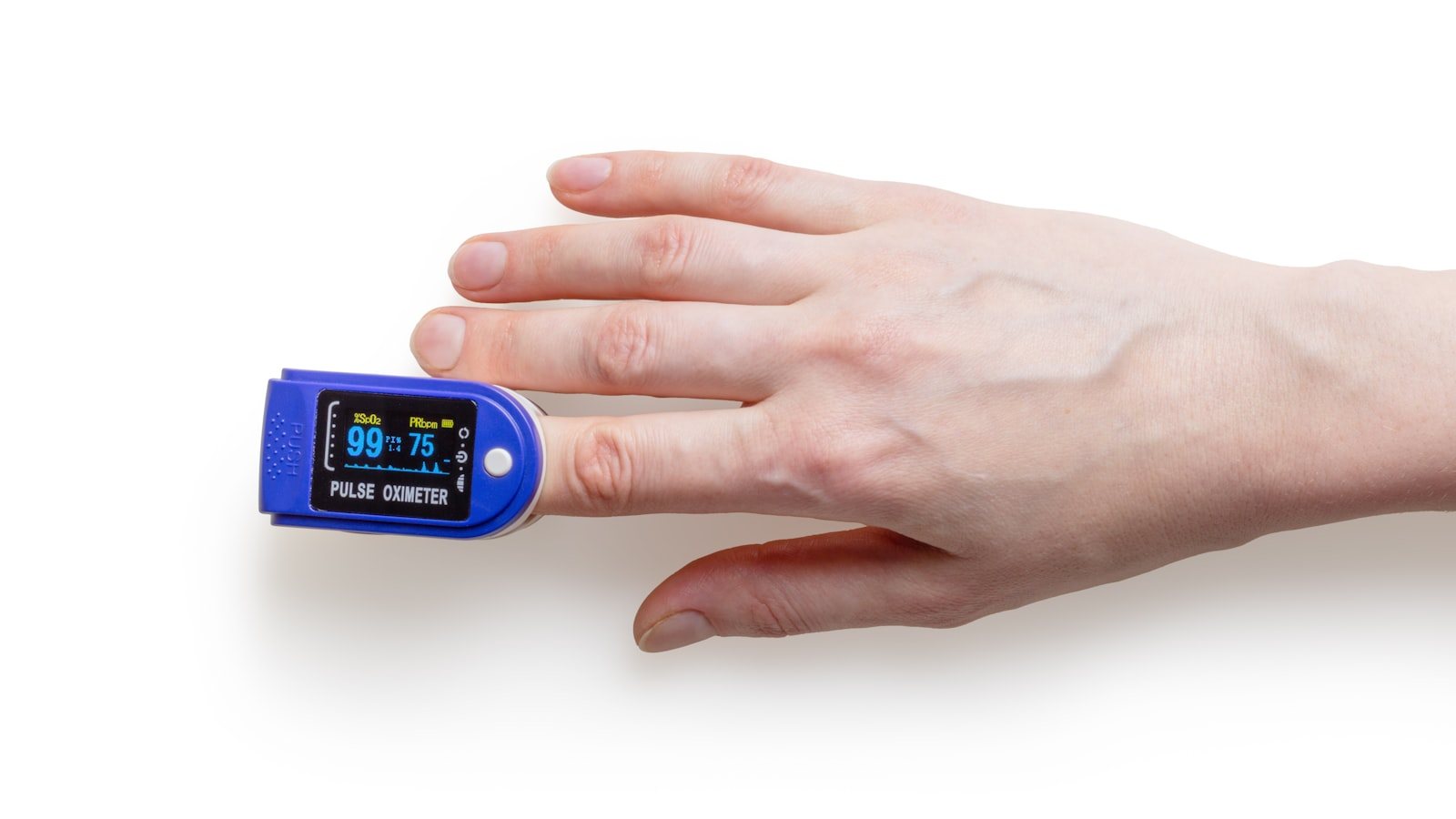
    • A pulse oximeter reading below your usual level, or below 92 percent

    Confusion, breathlessness at rest, chest pain or blue-tinged lips need emergency assessment. Pneumonia is one of the commonest triggers for sepsis, which can develop within hours.

    One more distinction is worth holding on to. Feeling unwell all over, rather than just having a cough, is the feature that most reliably separates pneumonia from the illnesses it resembles.

    Who is more likely to become seriously unwell

    • Adults over 65, and very young children
    • People with COPD, asthma, heart failure, diabetes or kidney disease
    • Anyone whose immune system is suppressed by illness or treatment
    • Smokers, and people with a heavy alcohol intake
    • People who have recently had influenza or another viral illness
    • Anyone with difficulty swallowing, or who has recently choked on food or drink

    In older adults, pneumonia can present without a fever and without an obvious cough. Confusion, a fall, or simply not being themselves may be the first sign, and that deserves as much attention as a textbook presentation.

    How it is diagnosed

    Assessment starts with listening to the chest, checking oxygen levels, and taking a temperature, pulse and breathing rate. Those simple measurements do most of the work in deciding how serious it is.

    A stethoscope used during a chest examination
    Oxygen level, breathing rate and what the chest sounds like decide most of the question before any imaging is ordered.

    A chest radiograph confirms it where the picture is unclear or the illness is severe. Blood tests and sputum or blood cultures may be added, particularly if hospital treatment is needed.

    Not everyone needs imaging. Many cases are diagnosed and treated on clinical grounds in someone who is otherwise well.

    Treatment

    Bacterial pneumonia is treated with antibiotics, chosen for the likely organism and adjusted if cultures identify something specific. Viral pneumonia is not, though antiviral treatment is sometimes used for influenza or COVID-19.

    Tablets and a glass of water on a table
    Most people treated at home improve within two to three days. No improvement by then is a reason to be reassessed.

    Most people treated at home start to improve within two or three days. If there is no improvement by then, or things are getting worse, that is a reason to be reassessed rather than to wait out the course.

    Severe cases need hospital treatment: oxygen, intravenous antibiotics and fluids. Where prolonged intravenous therapy is required afterwards, it can often be completed through an office infusion center.

    Who can be treated at home

    Most people with pneumonia are treated at home. The decision turns on how the whole person is doing rather than on what the chest sounds like: breathing rate, oxygen level, blood pressure, mental state, age and other conditions.

    Clinicians use scoring tools to support that judgment, but the underlying question is simple enough: can this person be safely looked after outside hospital, and is there someone to notice if they deteriorate?

    If you are treated at home, make sure you leave knowing what would mean coming back, and by when you should expect to feel better. Those two pieces of information do more for safety than anything else in the consultation.

    Recovery is slower than people expect

    This is the part that surprises people most. The infection may be gone long before you feel normal.

    A person resting at home with a warm drink
    A cough lingering for a month and fatigue for longer is the expected course, not a sign that treatment failed.

    A rough guide: the fever settles within about a week, the chest pain and mucus production improve over about four weeks, the cough and breathlessness over about six, and the tiredness can persist for three months.

    That timeline is normal. Knowing it in advance prevents a great deal of unnecessary worry, and prevents people from assuming that a lingering cough means the antibiotics did not work.

    Two further points about recovery. A cough that is slowly improving is different from one that has plateaued or worsened, and only the second needs review. And a second fever after the first has settled is always worth reporting, because it can signal a complication rather than a relapse of the same illness.

    Reducing the risk

    • Keep influenza and pneumococcal vaccination up to date as advised for your age and health
    • Stop smoking; it is the single largest modifiable risk factor
    • Keep chronic lung, heart and kidney conditions well controlled
    • Wash hands regularly, particularly in winter
    • Seek review early if a viral illness is followed by a second deterioration

    Adult vaccination is easy to lose track of. A pre-travel appointment is a natural moment to review it, alongside the destination-specific advice covered in our article on how far in advance to plan travel vaccines.

    Frequently asked questions

    How long does pneumonia take to recover from?

    The fever usually settles within a week, but the cough and breathlessness often take around six weeks and fatigue can last up to three months. A slow recovery is normal and does not mean treatment failed.

    What is walking pneumonia?

    An informal term for a milder pneumonia, often caused by particular organisms, where people remain up and about. It still deserves assessment, because mild at the start does not guarantee mild throughout.

    Do I need a chest x-ray?

    Not always. Many cases are diagnosed clinically. Imaging is used when the picture is unclear, the illness is severe, or symptoms are not improving as expected.

    Can pneumonia be viral?

    Yes, and viral pneumonia does not respond to antibiotics. Influenza and COVID-19 both cause it, and bacterial infection sometimes follows a viral one, which is why a second deterioration matters.

    When should I go back if I am not improving?

    If there is no improvement after two or three days of treatment, or if breathing becomes harder, confusion develops or the fever returns after settling, be reassessed promptly rather than finishing the course first.

    More about the specialty is on the infectious disease physician page, and the contact page explains how to reach the practice.

    Sources and further reading: American Lung Association — Pneumonia symptoms and diagnosis.

    This article is general health information, not medical advice, and it cannot account for your own history or medications. Discuss your situation with a qualified clinician before acting on anything you read here.

  • Endocarditis: When Infection Reaches a Heart Valve

    Endocarditis: When Infection Reaches a Heart Valve

    Endocarditis is an infection of the lining inside the heart, most often affecting a valve. Bacteria enter the bloodstream from somewhere else entirely, travel to the heart, and settle on a surface that suits them.

    It is uncommon, and it is serious. It is also one of the infections where the symptoms are easiest to explain away, because for weeks they can look like nothing more than being run down.

    Dental instruments arranged on a tray
    Bacteria reach the heart from elsewhere. The mouth is one route among several, which is why dental health matters more than it seems to.
    How bacteria reach a heart valve

    Small numbers of bacteria enter the bloodstream regularly in ordinary life: brushing teeth, chewing, a skin infection, a urinary infection. In almost everyone the immune system clears them within minutes.

    Problems arise when there is somewhere for them to lodge. A damaged or artificial valve, a congenital heart abnormality or an implanted cardiac device provides a surface where bacteria can attach and form a vegetation that antibiotics struggle to penetrate.

    That is the same biofilm problem that makes infections around implanted joints difficult to treat, and it explains why courses run for weeks rather than days.

    Who is at higher risk

    • People with a prosthetic heart valve, or prosthetic material used in valve repair
    • Anyone who has had endocarditis before
    • People with certain congenital heart conditions
    • Heart transplant recipients who develop a valve problem
    • People who inject drugs
    • People with long-term intravenous lines or implanted cardiac devices

    Most people with a heart murmur are not in a high-risk group. The distinction matters, because it determines whether antibiotics before dental work are appropriate.

    The symptoms that get dismissed

    Endocarditis can develop quickly with obvious severe illness, or slowly over weeks with symptoms that never quite declare themselves.

    A person lying awake at night
    Night sweats and weeks of feeling unwell without a clear cause are the presentation most often put down to something else.
    • A fever that comes and goes, often low grade
    • Night sweats, sometimes drenching
    • Unexplained fatigue, weight loss or poor appetite
    • Aching muscles and joints
    • Breathlessness, or swelling in the legs
    • A new or changed heart murmur
    • Small painless spots on the palms or soles, or splinter-like marks under the nails

    The pattern that should prompt investigation is an unexplained fever lasting more than a week in someone with a known valve problem. That combination is worth naming explicitly to whoever assesses you.

    How it is diagnosed

    Two things establish the diagnosis: blood cultures identifying the organism, and an echocardiogram showing what is happening on the valve.

    An ultrasound examination being performed
    Echocardiography shows what is happening on the valve; blood cultures identify what is growing there.

    Several sets of blood cultures are taken, usually from different sites and at different times, because a single positive result can be contamination and a single negative one proves little.

    This is why teams ask patients to hold off on antibiotics before cultures are drawn where it is safe to do so. Starting treatment first can leave the cultures negative without curing anything, and the organism determines the entire treatment plan.

    Treatment runs for weeks

    Endocarditis is treated with prolonged intravenous antibiotics, commonly for four to six weeks, chosen specifically for the organism found and its susceptibility pattern.

    An intravenous drip being adjusted
    Four to six weeks of intravenous therapy is typical, and much of it is now completed outside hospital.

    Some people need heart surgery as well, to repair or replace a damaged valve, remove infected material, or deal with complications. That decision is made jointly by cardiology, cardiac surgery and infectious disease.

    Not all of that time is spent as an inpatient. Once stable, many people complete treatment through an office infusion center or at home, which our article on outpatient intravenous antibiotics describes week by week.

    Antibiotics before dental work: who actually needs them

    This is the question patients ask most, and the guidance has narrowed considerably over the years. Preventive antibiotics are now recommended for a small group rather than everyone with a heart condition.

    Preventive antibiotics before dental procedures
    SituationProphylaxis usually recommended?
    Prosthetic heart valve, or prosthetic material used in valve repairYes
    Previous infective endocarditisYes
    Certain congenital heart conditionsYes, in defined circumstances
    Heart transplant recipient with a valve problemYes
    Mitral valve prolapse without the aboveNot routinely
    A heart murmur with no structural abnormalityNo
    Coronary artery disease, stents, or bypass surgeryNo
    Joint replacement without a cardiac indicationNot for cardiac reasons

    Where prophylaxis is indicated, it applies to procedures involving the gums or the tissue around the roots of the teeth, or which perforate the lining of the mouth. It is not needed for routine fillings or a check-up.

    If you are unsure which column you are in, ask your cardiologist directly and carry the answer with you. Do not decide it yourself, and do not rely on advice given for a different condition years ago.

    If you are diagnosed

    Expect a longer relationship with the medical system than most infections require. Endocarditis is managed by several teams at once, and the coordination between them is part of the treatment rather than an administrative overhead.
    Ask who is coordinating your care, what the planned duration is, what would change it, and who to contact between appointments. Ask also whether dental review is needed, since an untreated dental source can undo a completed course.

    Follow-up continues after treatment ends, usually with repeat echocardiography and a review of valve function. Report any return of fever, night sweats or fatigue promptly rather than waiting for the next appointment.

    What actually reduces the risk

    Everyday oral health does more than antibiotics before appointments. Bacteria enter the bloodstream far more often through daily chewing and brushing than through occasional dental procedures.

    A toothbrush on a plain background
    Daily oral health does more to reduce risk than antibiotics before appointments, because everyday exposure is far more frequent.
    • Brush and floss daily, and see a dentist regularly
    • Treat dental infection promptly rather than waiting
    • Care for any intravenous line exactly as instructed
    • Treat skin infections early, as covered in our article on cellulitis
    • Avoid non-sterile piercing and tattooing
    • Tell every clinician and dentist about your cardiac history

    An unexplained fever lasting more than a week in someone with a prosthetic valve, a previous episode of endocarditis or a cardiac device should be assessed promptly, and blood cultures taken before antibiotics are started where it is safe to do so.

    Frequently asked questions

    Can endocarditis be cured?

    It often can, with prolonged intravenous antibiotics chosen for the specific organism, and surgery where needed. Outcomes depend heavily on how early it is identified and on which organism is involved.

    Do I need antibiotics before every dental visit?

    Almost certainly not. Current guidance limits prophylaxis to a defined group, mainly people with prosthetic valve material, previous endocarditis, certain congenital conditions or a transplanted heart with valve disease. Ask your cardiologist for a clear answer specific to you.

    Why does treatment take six weeks?

    Bacteria on a valve form a dense vegetation that antibiotics penetrate poorly, and there is no way to physically remove it short of surgery. Long courses are what clears it reliably.

    Can I have the intravenous antibiotics at home?

    Frequently yes, once you are stable and the organism is known. Outpatient parenteral therapy is well established for endocarditis, with regular blood tests and review.

    Is a heart murmur a reason to worry about endocarditis?

    On its own, usually not. Many murmurs are innocent. Risk relates to specific structural abnormalities, prosthetic material and previous endocarditis rather than to the presence of a murmur.

    More about the specialty is on the infectious disease physician page, the clinicians are listed on the provider profiles page, and the contact page explains how to reach us.

    Sources and further reading: American Dental Association — Antibiotic prophylaxis prior to dental procedures.

    This article is general health information, not medical advice, and it cannot account for your own history or medications. Discuss your situation with a qualified clinician before acting on anything you read here.