

Skip to content

Author: Alexandra W. Dretler

  • What a Culture and Sensitivity Report Actually Says

    What a Culture and Sensitivity Report Actually Says

    Someone takes a sample, tells you it has gone for culture, and that the result will take a couple of days. Meanwhile you are started on an antibiotic. Then the result arrives and the antibiotic is changed, or stopped, or left alone with no explanation of why.

    All three of those are normal, and none of them means the first decision was wrong. The report is short and the words on it are used in a specific way that is worth knowing.
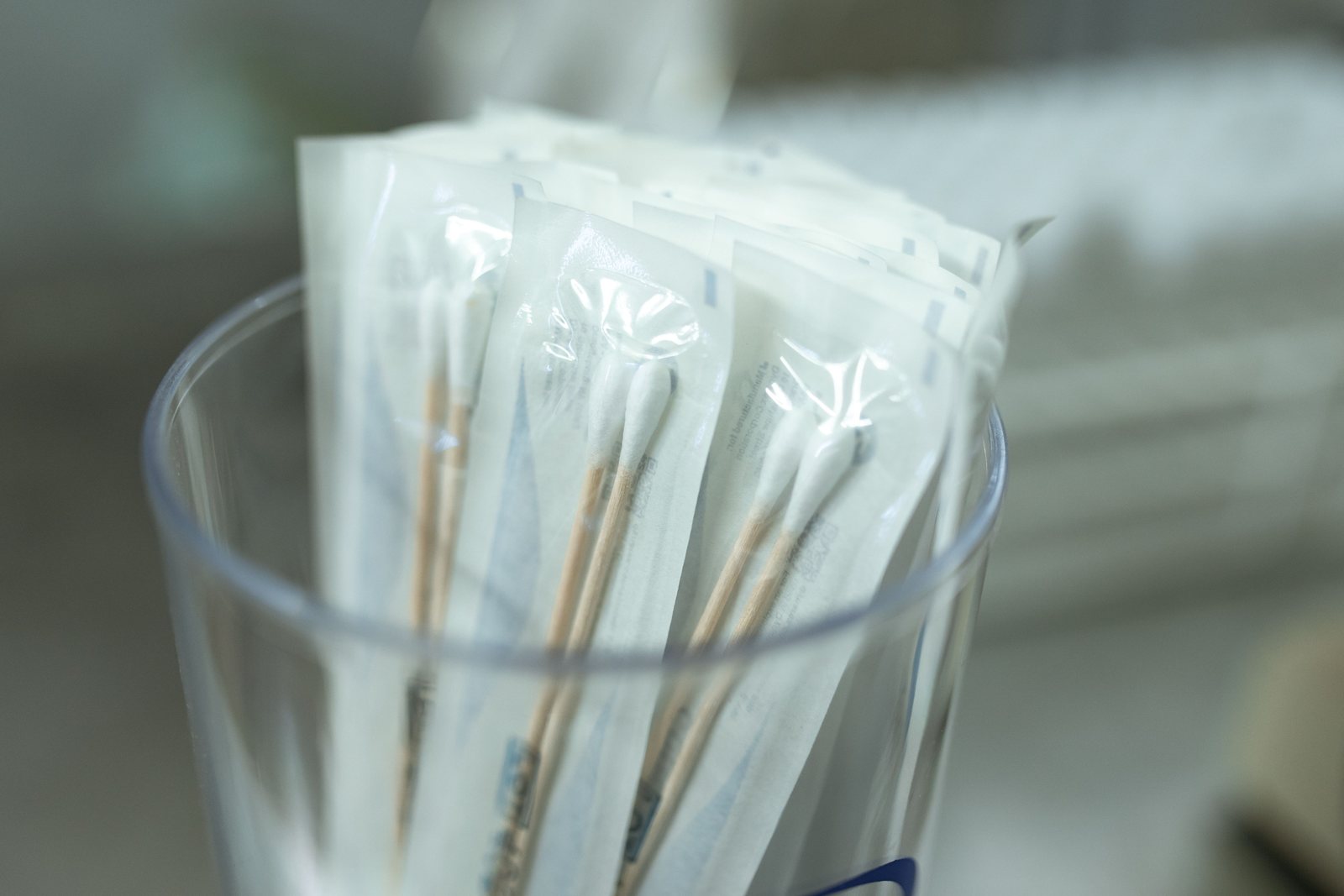
    Individually packaged sterile swabs in a holder
    Everything the report can say is limited by what was in the sample and how it was collected.

    It starts with a sample, and that is the part patients can affect

    A culture can only grow what was collected. A urine sample taken carelessly grows skin bacteria. A wound swabbed across its surface grows whatever lives on the surface. A sputum sample that is really saliva grows mouth organisms.

    This is why instructions about collection are more than bureaucracy, and why a sample taken before antibiotics start is worth far more than one taken after. Two blood culture bottles drawn from separate sites, a mid-stream urine, a deep wound sample rather than a surface swab: each is trying to make the result mean something.

    If you are asked to hold off on antibiotics until a sample is taken, that is usually a few hours well spent. Antibiotics started first can make the culture grow nothing, which leaves the choice of treatment to guesswork for the rest of the illness.

    Why it takes two or three days

    A gloved hand placing sample tubes into a laboratory unit
    The wait is biological. Bacteria have to grow to a visible colony before anything can be tested on them.

    Nothing in the delay is administrative. Bacteria are put onto a growth medium and kept warm, and they multiply at their own pace until there are enough of them to see. Only then can they be identified, and only after that can antibiotics be tested against them.

    1. Day one: the sample is plated and goes into an incubator
    2. Day two: colonies are visible, and identification begins
    3. Day two or three: antibiotics are tested against the organism
    4. Day three: a full result with sensitivities is reported
    5. Longer for slow growers, including the organisms behind tuberculosis and some fungal infections
    6. Longer again for joint and implant samples, which are held deliberately; see infection after a joint replacement

    Some information arrives earlier. A Gram stain can be reported within hours and says roughly what shape and family of organism is present, which is often enough to improve the first antibiotic choice long before the full result.

    Empiric treatment, and why the antibiotic changes

    The antibiotic you are given on day one is chosen before anyone knows what the organism is. That is called empiric treatment, and it is a reasoned bet based on the site of infection, what usually causes it locally, your allergies and what you have taken recently.

    When the culture comes back, the bet is checked. Often the antibiotic is narrowed to something more targeted, which is better treatment rather than a downgrade: fewer side effects, less collateral damage to your gut bacteria, and less pressure toward resistance. Sometimes it is broadened. Occasionally it is stopped, because the culture shows there was no infection to treat.

    What the words on the report mean

    A person reviewing results on a computer monitor
    The report is read alongside where the sample came from, which is why the same words can mean different things.
    The terms that appear, and how they are read
    On the reportWhat it meansWhat usually follows
    No growthNothing grew in the time allowedOften good news; can also mean antibiotics were started first
    Sensitive (S)This antibiotic should work at normal dosesA candidate for treatment
    Intermediate (I)Might work at higher doses, or at that body siteUsed with care, sometimes for urinary infections
    Resistant (R)This antibiotic should not be relied onRuled out, whatever it did in the past
    Mixed growth / normal floraSeveral organisms, probably contaminationUsually a repeat sample rather than treatment
    ColonizationThe organism is present but not causing illnessFrequently no treatment at all

    That last row causes more argument than the rest of the report combined. Bacteria living on a surface without causing disease is normal, and treating it does harm without doing good. Our articles on infections in older adults and what MRSA does and does not mean both turn on that distinction.

    Blood cultures are a special case

    Blood is normally sterile, so anything growing from it is taken seriously in a way that a swab from a wound is not. That is why two sets are drawn from separate sites, and why the timing matters more than for any other sample.

    Two sets growing the same organism is convincing. One set growing a common skin bacterium usually means the sample picked something up on the way in, which is exactly what the second set exists to distinguish. Anything genuinely in the bloodstream changes the whole plan, as our articles on sepsis and heart valve infection describe.

    Why a sensitive antibiotic is not always the one chosen

    The list of sensitive options is a menu, not a ranking. Several other things decide which is picked.

    • Whether the drug reaches the infected site — some barely enter urine, bone, or the brain
    • Whether it can be taken by mouth, or needs a line; see outpatient IV antibiotics
    • Your kidney and liver function, and interactions with your other medications
    • Allergies, and whether they are real; see whether a penicillin allergy is genuine
    • How narrow the drug is, because the narrowest effective option is preferred
    • Whether the infection involves an implant or a deep collection that needs draining

    The last of those is the one people find hardest to accept: no antibiotic clears an undrained abscess, and no sensitivity report changes that.

    Questions worth asking about your own result

    1. What grew, and is it the cause of my illness or just present?
    2. Was the sample taken before antibiotics started?
    3. Is the antibiotic I am on one the report says is active?
    4. Is there a narrower option that would work as well?
    5. How long is the course, and what decides when it stops?
    6. Does anything need draining or removing as well as treating?

    Interpreting cultures, particularly resistant organisms and results that do not fit the clinical picture, is a large part of what an infectious disease practice does. Our article on when to see an infectious disease specialist sets out what that adds, and you can reach us through the contact page.

    Frequently asked questions

    Why does a culture take two or three days?

    Because bacteria have to multiply to a visible colony before they can be identified, and then antibiotics have to be tested against them. The delay is biological rather than administrative. A Gram stain gives partial information within hours.

    My culture showed no growth. Does that mean nothing is wrong?

    Not necessarily. It often means no bacterial infection, which is useful. It can also mean antibiotics were started before the sample, the organism does not grow easily, or the sample missed the infection.

    Why was my antibiotic changed when I was getting better?

    Usually to narrow it. The first choice covers many possibilities; once the organism is known, a more targeted drug does the same job with fewer side effects and less resistance pressure. Feeling better does not mean the first choice was ideal.

    The report says sensitive to several antibiotics. Why this one?

    Because sensitivity is only one factor. Whether the drug reaches the infected site, whether it can be taken by mouth, your kidney function, allergies and how narrow it is all matter.

    It grew bacteria but I was told not to treat it. Why?

    Because bacteria being present is not the same as bacteria causing illness. Colonization is common, and treating it exposes you to side effects and resistance without benefit.

    Sources and further reading: Testing.com — Antibiotic susceptibility testing.

    This article is general health information, not medical advice, and it cannot account for your own history or medications. Discuss your situation with a qualified clinician before acting on anything you read here.


  • The Cough That Outlasts the Illness

    The Cough That Outlasts the Illness

    The illness is over. The fever went two weeks ago, the energy came back, and the cough is still there — dry, tiring, worse at night, and impossible to explain to anyone who asks whether you are still contagious.

    This is one of the most common reasons people ask for antibiotics, and one of the situations in which antibiotics are least likely to help. Understanding why makes the waiting considerably easier.

    What is actually happening

    The infection damaged the lining of the airways. Coughing is what clears that damage, and the nerve endings involved stay irritable for weeks after the organisms have gone. The cough is not the infection continuing; it is the repair.

    That is why it is often dry, why it is triggered by cold air, laughing, exercise or lying down, and why it fades gradually rather than stopping one day.

    How long a cough usually runs, and what it means
    How long it has lastedWhat it is usually calledWhat it usually turns out to be
    Under three weeksAcute coughThe infection itself, still resolving
    Three to eight weeksSubacute coughPost-infectious airway irritation, in most cases
    Over eight weeksChronic coughUsually something other than the original infection
    Any duration, with new feverNot a lingering coughA second illness, or a complication, and worth assessing
    Any duration, coughing bloodNever watchful waitingNeeds assessment regardless of how well you otherwise feel

    Roughly a quarter of people still have a cough three weeks after a chest infection, and it is not unusual for it to run to six or eight. Knowing that in advance is worth a great deal, because the alarming part is usually not the cough but the assumption that it should have stopped.

    Why antibiotics do not shorten it

    A person holding a bottle of liquid medicine
    Most of what is sold for coughs has little evidence behind it, which is not the same as saying nothing helps.

    Most chest infections that leave a lingering cough were viral to begin with. Even where a bacterial infection was treated properly, the cough that follows is tissue recovery, and no antibiotic accelerates that. Trials of antibiotics for uncomplicated acute bronchitis find a benefit measured in a fraction of a day, against a meaningful rate of side effects.

    The costs are not theoretical: C. difficile diarrhea, drug reactions, and the resistance described in our article on antibiotic resistance. Our articles on sinus infections and strep throat cover the same question where the answer is sometimes different.

    What actually helps, and what does not

    • Time, which is unsatisfying and is the main treatment
    • Honey, which performs as well as most cough medicines in trials
    • Fluids and humid air, which ease the irritation
    • Stopping smoking, and avoiding smoke, which matters more here than at any other time
    • Treating the cause if it is not the infection — reflux, post-nasal drip and asthma are the usual candidates
    • Over-the-counter cough syrups, which have limited evidence and are not harmful in ordinary use

    If you have asthma or COPD, a cough that lingers after an infection is often the airways staying twitchy, and an inhaler adjustment does more than anything else. That is worth raising rather than waiting out.

    Whooping cough, which adults are told they cannot have

    Pertussis is filed mentally as a childhood illness, and it is a common cause of a cough lasting many weeks in vaccinated adults. Childhood immunity fades, the adult illness is milder than the textbook version, and the characteristic whoop is often entirely absent.

    What is characteristic instead is the pattern: bouts of coughing severe enough to make you retch or struggle to draw breath, separated by long stretches of feeling completely well. It is worth naming because it is treatable early, because it is infectious, and because adults are how it reaches infants, in whom it is dangerous.

    Antibiotics shorten the infectious period but do little for the cough once it is established, which is why the case for the booster is stronger than the case for treatment. The Tdap vaccine covers it, and our article on adult vaccines explains where it sits in the adult schedule. If you are around a newborn, that booster is the point of the exercise.

    When the cough is not post-infectious at all

    Past about eight weeks, the original infection stops being the likely explanation, and a handful of other causes account for most of what remains.

    • Asthma, which can present as cough alone, typically worse at night or with exercise
    • Reflux, frequently without any heartburn at all, worse lying down and after meals
    • Post-nasal drip, with throat clearing and a sensation of dripping
    • A blood pressure medication — ACE inhibitors cause a dry cough in a notable minority, sometimes months after starting
    • Whooping cough, which occurs in vaccinated adults and can cough on for months
    • Something structural, which is why a chest X-ray is part of the work-up at this stage

    That blood pressure medication line is worth a moment. It is a common, easily fixed cause that is regularly missed because the cough can start long after the tablet did. If you take one, mention it.

    When to be seen sooner

    A clinician seated at a desk with a stethoscope
    A cough that changes character, rather than one that simply persists, is the one worth bringing forward.
    • Coughing blood, at any point
    • Breathlessness, or a wheeze that is new for you
    • Chest pain, particularly on breathing in
    • Fever returning after it had settled, which can mean pneumonia developing
    • Weight loss, drenching night sweats, or a cough beyond eight weeks; see tuberculosis and prolonged fever
    • Any of the warning signs of sepsis
    • Difficulty swallowing, or a hoarse voice lasting more than three weeks

    Older adults are the exception to most of the reassurance here: an infection can present without fever and with confusion instead, as our article on infections in older adults explains. So can RSV, which leaves a cough lasting weeks.

    If a cough has outlasted what anyone expected, or infections keep returning, a specialist assessment can help sort out what is driving it. You can reach us through the contact page.

    Frequently asked questions

    How long is too long for a cough after a chest infection?

    Three to eight weeks is common and usually needs nothing. Beyond eight weeks the original infection is no longer the likely cause, and it is worth investigating properly.

    Am I still contagious if I am still coughing?

    Usually not. Once fever has gone and you feel well, the cough generally reflects healing airways rather than active infection. Whooping cough and tuberculosis are the exceptions, which is part of why a long cough gets assessed.

    Would antibiotics clear it faster?

    Almost certainly not. Trials in uncomplicated bronchitis show a benefit of well under a day, against real risks including C. difficile and resistance. If a new fever appears, that is a different question.

    Why is it so much worse at night?

    Lying flat allows secretions to pool and reflux to reach the throat, and airways are naturally narrower overnight. An extra pillow and avoiding late meals often help more than cough medicine.

    Could my blood pressure tablet be causing it?

    If it is an ACE inhibitor, quite possibly. It causes a dry cough in a notable minority and can start months after the tablet did. Do not stop it yourself; mention it, because alternatives exist.

    Sources and further reading: American Thoracic Society — Cough (Patient Education Information Series, PDF).

    This article is general health information, not medical advice, and it cannot account for your own history or medications. Discuss your situation with a qualified clinician before acting on anything you read here.

  • Vaccines When Your Immune System Is Suppressed

    Vaccines When Your Immune System Is Suppressed

    Treatment that suppresses the immune system changes the vaccine conversation in two directions at once. Some vaccines become unsafe. The rest become more important than they were before, because the infections they prevent hit harder.

    Both halves get lost. People are told “no live vaccines” and hear “no vaccines”, which is close to the opposite of the advice.

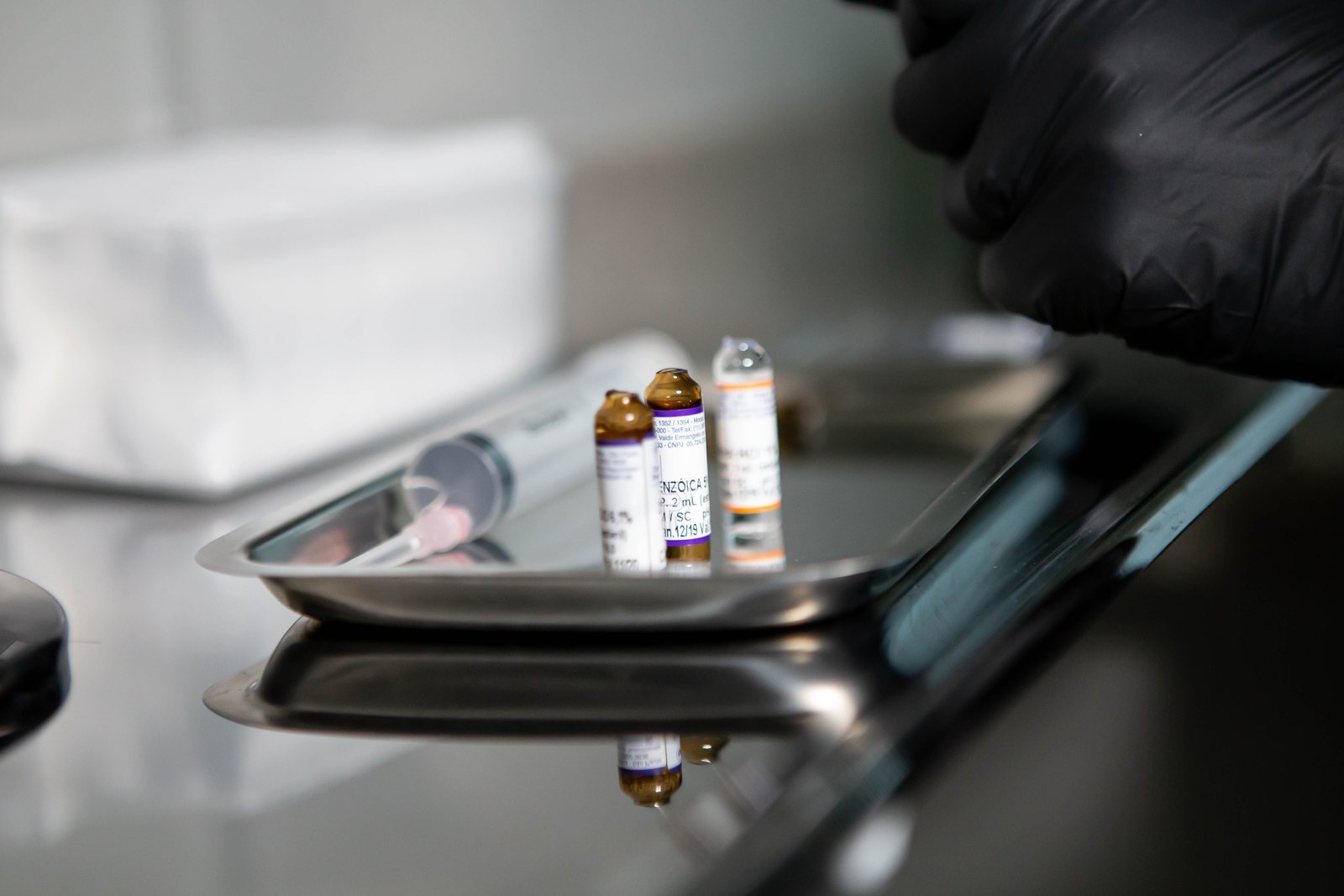
    Medical vials and a syringe on a stainless tray
    The distinction that governs everything is whether a vaccine contains a living organism or not.

    Live and inactivated, and why the difference matters

    A live vaccine contains a weakened form of the organism. It provokes a strong, long-lasting response precisely because the body has something replicating to react to. In someone whose immune system is working, that weakened organism is controlled easily. In someone whose immune system is suppressed, it may not be.

    Everything else — the great majority of adult vaccines — contains no living organism at all. It cannot cause the infection it protects against, whatever your immune status. The question with these is not safety but how well they work.

    The two kinds, and what changes
    Live vaccinesInactivated and other non-live vaccines
    What is in themA weakened living organismKilled organism, a protein, or genetic instructions
    ExamplesMMR, varicella, yellow fever, live nasal fluFlu shot, shingles, pneumococcal, hepatitis B, tetanus, COVID
    If you are immunosuppressedGenerally avoidedSafe; recommended, often more strongly than usual
    The practical problemTiming around when treatment startsThe response may be weaker, not absent
    If given at the wrong timeCan cause illness from the vaccine strainMay simply work less well; can be repeated or boosted

    The fourth row is where most of the real planning sits. A weaker response is not no response, and it is usually managed by choosing the timing, using a higher-dose formulation where one exists, or checking antibody levels afterwards.

    Timing is the thing worth planning

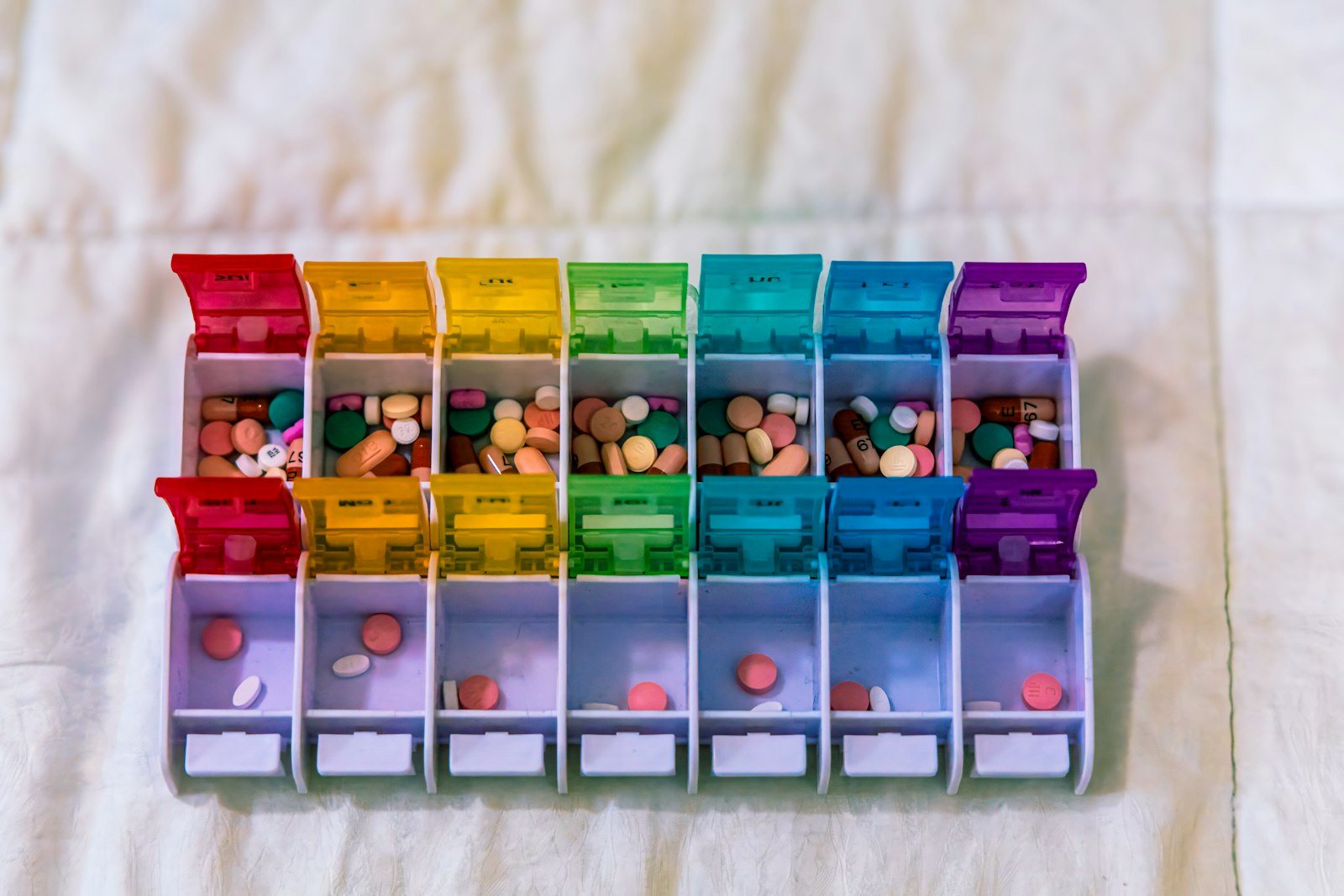
    A weekly pill organizer filled with tablets
    Where treatment has not yet started, a short delay to get vaccines in first is often the single most useful adjustment.

    If immune-suppressing treatment has not started yet, this is the moment that matters. Live vaccines can generally be given beforehand, with a gap before treatment begins, and non-live vaccines given in advance tend to produce a better response.

    • Ideally, live vaccines at least four weeks before treatment starts
    • Non-live vaccines ideally a couple of weeks before, though later is still worthwhile
    • Some treatments are timed around the vaccine rather than the reverse
    • A few medications blunt the response markedly and may be briefly paused, which is a decision for the prescribing specialist and not something to do independently
    • After treatment ends, there is usually a waiting period before live vaccines can resume, and it varies a great deal by drug

    Never pause or delay immune-suppressing treatment to fit a vaccine in without the specialist who prescribed it saying so. The disease being treated is also a risk, and that trade-off is theirs to weigh with you.

    Which ones matter more than they did

    The vaccines that prevent the infections you are now more vulnerable to move up the list, and several are given differently in this situation.

    • Influenza, annually, and the injected form rather than the live nasal spray; see flu antivirals for what happens if you catch it
    • Pneumococcal vaccines, which prevent a common cause of pneumonia
    • Shingles, where the non-live vaccine has made this possible for many people who previously could not have it; see shingles and its vaccine
    • COVID-19, on whatever schedule currently applies to immunocompromised adults
    • Hepatitis B, often at a higher dose or with extra doses; see what a positive hepatitis B test means
    • RSV, which is now recommended for many at-risk adults; see RSV in adults

    Our article on which adult vaccines you need covers the standard schedule these are built on.

    The live vaccines to be careful with

    • MMR (measles, mumps and rubella)
    • Varicella, the chickenpox vaccine
    • The live nasal influenza spray, where the injected vaccine is used instead
    • Yellow fever, which matters for travel; see travel vaccines and how far in advance to plan
    • Oral typhoid, where an injected alternative exists
    • BCG

    Travel is where this becomes concrete. Yellow fever vaccination is required for entry to some countries, and if it cannot be given safely, that is a conversation to have months before booking rather than weeks. A waiver letter is sometimes possible. Our article on fever after international travel covers what happens if something is caught anyway.

    Household members, and why they can have live vaccines

    People often assume that if they cannot have a live vaccine, nobody they live with should either. With one narrow exception this is backwards, and it leaves households less protected than they should be.

    Children and other household members should be fully vaccinated, including with live vaccines. A well-vaccinated household is a barrier between you and the infection. The usual caveats are practical rather than prohibitive: after the live nasal flu spray or a rotavirus dose, ordinary hygiene precautions are advised for a short period, and someone who develops a rash after varicella vaccination should avoid close contact until it resolves.

    What to ask, and when

    1. Ask for a vaccine review at the point immune-suppressing treatment is first discussed, not after it starts
    2. Bring your vaccination records; if you cannot find them, our adult vaccines article covers how to trace them
    3. Ask specifically which of your vaccines are live and what that means for timing
    4. Ask whether a higher-dose or additional-dose schedule applies to you
    5. Ask whether antibody levels will be checked afterwards, as they are for hepatitis B
    6. Ask what to do if you are exposed to chickenpox or measles, since preventive treatment after exposure exists and is time-critical

    That last point is the one most worth writing down now. If you are immunosuppressed and exposed to measles or chickenpox, there is something that can be given, and it works best given quickly.

    Infections during immune suppression are a large part of what this practice does, including infections during cancer treatment. You can reach us through the contact page.

    Frequently asked questions

    Does immunosuppression mean I cannot have any vaccines?

    No, and this is the most common misunderstanding. Live vaccines are generally avoided. Non-live vaccines are safe and usually recommended more strongly than for other adults, because the infections they prevent are more dangerous for you.

    Will vaccines still work if my immune system is suppressed?

    Usually, though the response may be weaker. That is managed by timing, higher-dose or additional doses where they exist, and sometimes by checking antibody levels afterwards. A weaker response is still substantial protection.

    Can my children have their normal vaccines?

    Yes, including live ones, and they should. A vaccinated household protects you. Brief sensible precautions apply after the live nasal flu spray and rotavirus, and if a rash develops after varicella vaccination.

    I need yellow fever vaccine for a trip. What now?

    Raise it early, ideally months ahead. Depending on your treatment it may be possible, may need to be timed carefully, or may not be advisable, in which case a waiver letter and a discussion about the itinerary are the alternatives.

    Should I stop my medication to get vaccinated?

    Not on your own. Some regimens are adjusted around vaccination and some are not, and the disease being treated carries its own risk. This is a decision for the specialist who prescribes it.

    Sources and further reading: American College of Rheumatology — Vaccination recommendations for patients with rheumatic and musculoskeletal diseases.

    This article is general health information, not medical advice, and it cannot account for your own history or medications. Discuss your situation with a qualified clinician before acting on anything you read here.
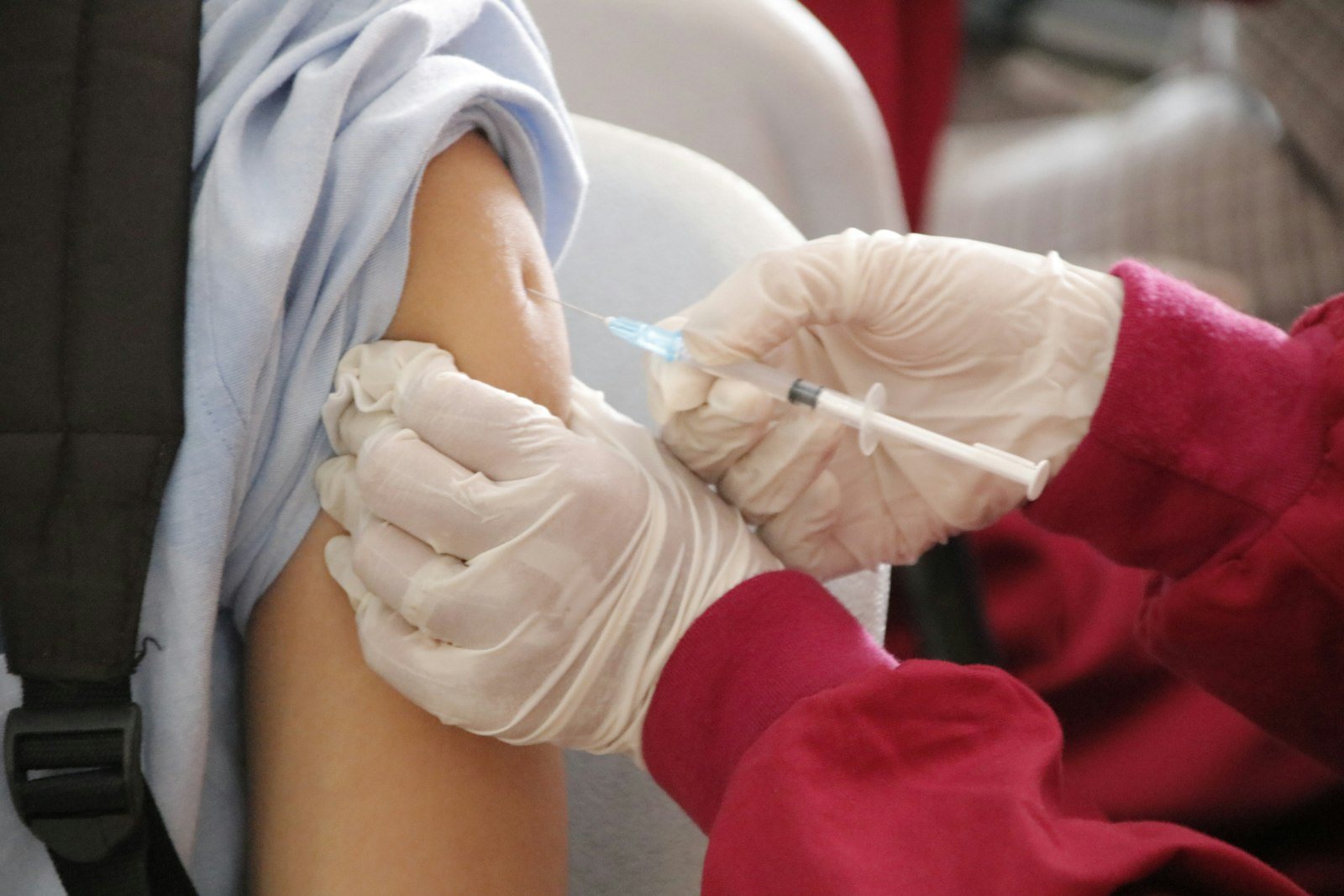
  • Infection After a Joint Replacement: Uncommon, Serious, Treatable

    Infection After a Joint Replacement: Uncommon, Serious, Treatable

    Hip and knee replacements are among the most reliably successful operations in medicine. Infection is the complication people fear most, and it is genuinely uncommon: something in the order of one in a hundred, lower in many series.

    It is worth understanding anyway, for two reasons. The warning signs are easy to dismiss as ordinary post-operative soreness, and the treatment depends heavily on how quickly it is recognized.

    Sterile surgical instruments laid out on surgical drapes
    Modern joint replacement is done with extensive precautions against infection, which is why it has become uncommon rather than routine.

    Early, delayed and late are three different problems

    Infections around a replaced joint are grouped by when they appear, and the grouping is not academic: it points to where the bacteria came from and what can be done.

    How the timing changes the picture
    When it appearsWhere it usually came fromWhat treatment tends to involve
    Within about six weeks of surgeryContamination at the time of the operationWashout, keeping the implant, exchanging the plastic parts
    Three months to two yearsAlso from surgery, but slower-growing bacteriaUsually removal and staged replacement of the implant
    After two yearsBacteria arriving through the bloodstream from elsewhereDepends on how long symptoms have been present
    Any time, symptoms under three weeks oldOften a bloodstream source, caught earlyA washout may still save the implant
    Any time, symptoms for monthsEstablished biofilm on the implantThe implant almost always has to come out

    The pattern running through that table is that speed of recognition, not the calendar date of the surgery, decides whether the implant can be kept. That is the single most actionable fact in this article.

    Why an implant changes the rules

    Bacteria behave differently on artificial surfaces. They form a biofilm, a layer that antibiotics penetrate poorly and the immune system struggles to reach. It is why infections that would clear easily in soft tissue become entrenched around metal and plastic, and why the same organism needs far longer treatment here.

    It is also why a resistant organism such as MRSA matters more in this setting than in an ordinary skin infection, and why bone and joint infections generally run for weeks rather than days.

    The warning signs, and how they differ from normal healing

    Some soreness, swelling and warmth is expected for weeks after a joint replacement. What matters is the direction of travel. Recovery that is going backwards is the signal, whatever the absolute level of discomfort.

    • Pain that increases after a period of steady improvement
    • A wound that reopens, or continues draining beyond the first week or two
    • Redness spreading outward from the scar rather than fading
    • Fever, chills, or night sweats
    • New pain in a joint replaced years ago, especially with fever
    • A joint that becomes stiff or hot when it had been loosening up

    New pain in a joint that has been comfortable for years is worth reporting even without fever, and especially after a dental procedure, a skin infection or a urinary infection. Late infections usually arrive through the bloodstream from somewhere else.

    Our article on what to watch for after surgery covers the general version of this question, and cellulitis covers the spreading redness that sometimes accompanies it.

    Who is at higher risk

    Most people who develop one of these infections have no particular risk factor, which is worth saying plainly. Some things do shift the odds, and several of them can be improved before a planned operation rather than after.

    • Diabetes, particularly where blood sugar control is poor around the surgery
    • Rheumatoid arthritis and other conditions treated with immune-suppressing medication
    • Obesity, smoking, and poor nutrition
    • A previous infection in the same joint, or revision rather than first-time surgery
    • Ongoing skin conditions or ulcers, including diabetic foot ulcers
    • Injection drug use, and any recurrent source of bacteria in the bloodstream

    How it is diagnosed

    Blood tests showing inflammation are suggestive but not decisive; they rise for many reasons. The test that settles it is a sample of fluid taken from the joint itself with a needle, sent for cell counts and culture.

    1. Blood tests for inflammatory markers
    2. X-rays, which may show loosening in longer-standing infection
    3. Aspiration of joint fluid, which is the key step
    4. Culture of that fluid, held longer than usual because some organisms grow slowly
    5. Samples taken during surgery, if an operation goes ahead

    Antibiotics are often deliberately withheld until the fluid has been sampled, because starting them first can render the culture negative and leave everyone guessing. Our article on what a culture and sensitivity report says explains why that sample matters so much.

    Treatment is long, and mostly successful

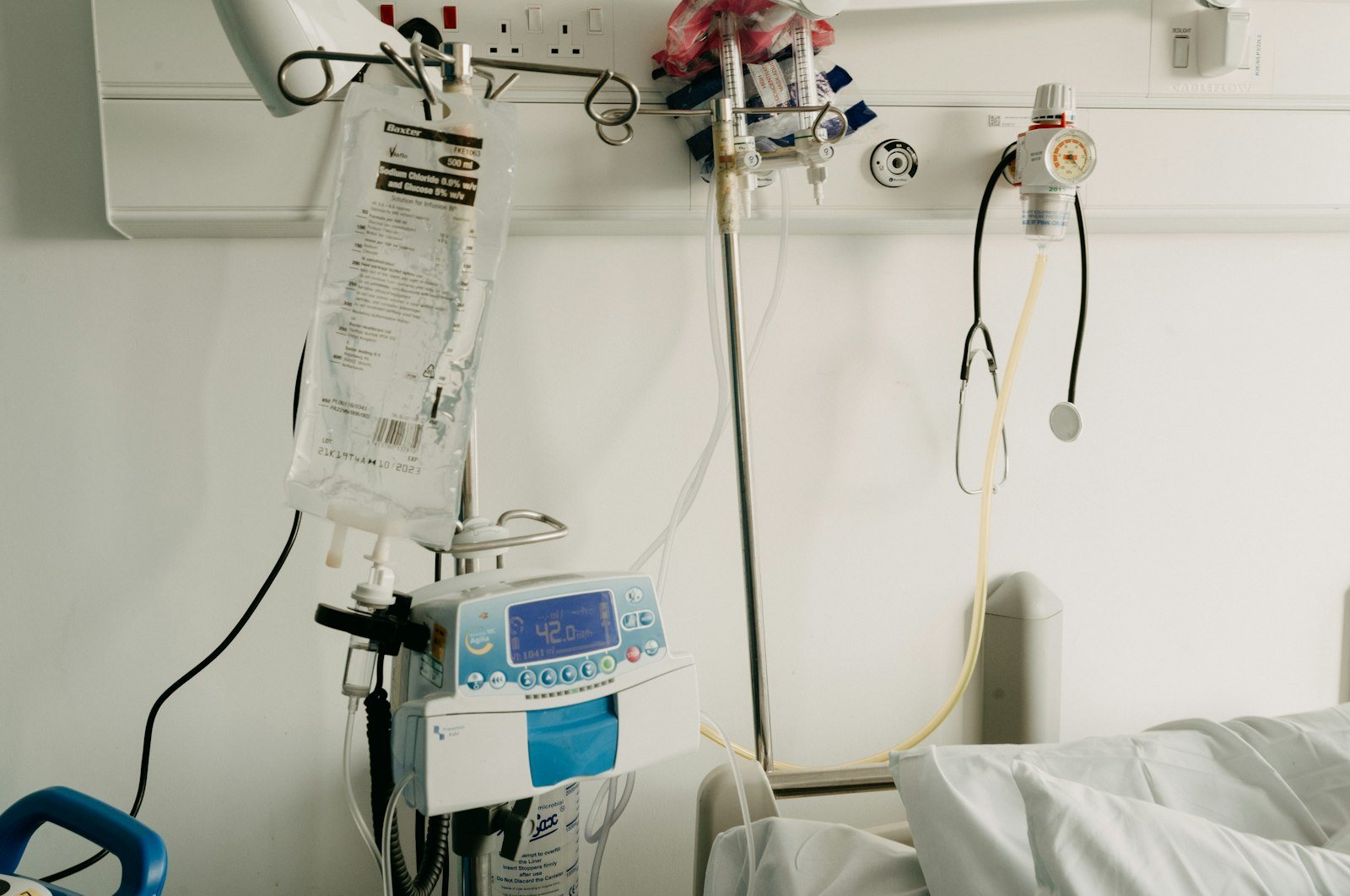
    An intravenous drip bag on a stand in a hospital room
    Treatment usually begins with intravenous antibiotics for several weeks, often continued at home rather than in hospital.

    Almost all treatment involves surgery of some kind, because antibiotics alone rarely clear an infection on an implant. What surgery depends on the timing above: a washout with the implant retained, or removal and replacement in one or two stages.

    The two-stage approach removes the implant, places a temporary antibiotic-loaded spacer, runs several weeks of antibiotics, and then re-implants once the infection is cleared. It is a long road, and it succeeds in the large majority of cases.

    The intravenous phase typically runs four to six weeks and is usually delivered at home through a long line rather than as an inpatient. Our article on outpatient IV antibiotics describes exactly what that involves week to week.

    What reduces the risk

    • Treat skin and dental infections promptly rather than waiting them out
    • Manage diabetes and blood sugar well before and after surgery
    • Stop smoking before the operation; it measurably affects wound healing
    • Keep the wound clean and dry, and report drainage rather than watching it
    • Tell any clinician treating an infection elsewhere that you have a joint replacement
    • Keep vaccinations current, particularly if you are also on immune-suppressing treatment

    Routine antibiotics before dental work are no longer recommended for most people with joint replacements, which surprises patients told otherwise years ago. The reasoning is the same as for heart valves, set out in our article on endocarditis and dental work. Treating an actual dental infection promptly matters far more than premedication does.

    These infections are managed jointly by surgeons and infectious disease physicians. Our article on when to see an infectious disease specialist explains what that side of it adds, and you can reach us through the contact page.

    Frequently asked questions

    How likely is infection after a joint replacement?

    Uncommon. Broadly around one in a hundred for a first-time hip or knee replacement, and lower in many reported series. Revision surgery carries a higher risk than a first operation.

    Will I definitely lose the implant?

    No. If the infection is caught within a few weeks of surgery, or within about three weeks of symptoms starting in a long-standing joint, a washout with the implant retained is often possible. Delay is what forces removal.

    Do I need antibiotics before the dentist?

    For most people with a joint replacement, no longer routinely. Some individuals with particular risk factors still do. Ask your surgeon rather than assuming either way, and treat actual dental infections promptly.

    Why do the antibiotics run for six weeks?

    Because bacteria on an implant form a biofilm that antibiotics penetrate poorly. Courses that would clear a soft-tissue infection in a week are not sufficient here.

    My knee replacement hurts three years on. Is it infected?

    Most likely not; wear, loosening and other causes are more common. But new pain in a joint that was comfortable is worth assessing, particularly with fever or after an infection elsewhere.

    Sources and further reading: Hospital for Special Surgery — Infection in a hip or knee joint replacement (patient guide, PDF).

    This article is general health information, not medical advice, and it cannot account for your own history or medications. Discuss your situation with a qualified clinician before acting on anything you read here.
  • Fever After International Travel: Always Worth Mentioning the Trip

    Fever After International Travel: Always Worth Mentioning the Trip

    The single most useful thing you can say to a clinician when you are unwell is that you have been abroad. It sounds obvious. It is left out constantly, because by the time the fever arrives the trip feels finished and unrelated.

    Malaria is the reason this matters more than any other. It is treatable and it can kill, the difference between those outcomes is often measured in days, and it is diagnosed by a test nobody runs unless someone mentions travel.

    An open passport showing entry stamps
    How long ago you returned, and where from, narrows the possibilities more than any symptom does.

    Why the timing does so much of the work

    Infections have incubation periods, and the gap between coming home and falling ill rules whole groups of them in or out. This is why the first questions are about dates and places rather than about how bad you feel.

    What the gap between returning and falling ill tends to suggest
    Time since returnWhat comes into viewWhat it means for you
    Under a weekTraveler’s diarrhea, dengue, chikungunya, fluCommon, mostly short-lived, but dengue needs assessing
    One to four weeksMalaria, typhoid, hepatitis AThe highest-priority window; malaria is the concern
    One to six monthsMalaria still possible, tuberculosis, hepatitisWorth mentioning travel even if it feels long ago
    Six months to a yearTuberculosis, some parasitic infectionsRare, but the travel history remains relevant
    Any time, with severe symptomsMalaria until proven otherwiseSame-day assessment, not a routine appointment

    The last row is the one to act on. A fever after travel to a malaria area is treated as urgent regardless of how well you otherwise feel, because malaria can go from mild-seeming to dangerous inside a day.

    Malaria, and why prevention is not a guarantee

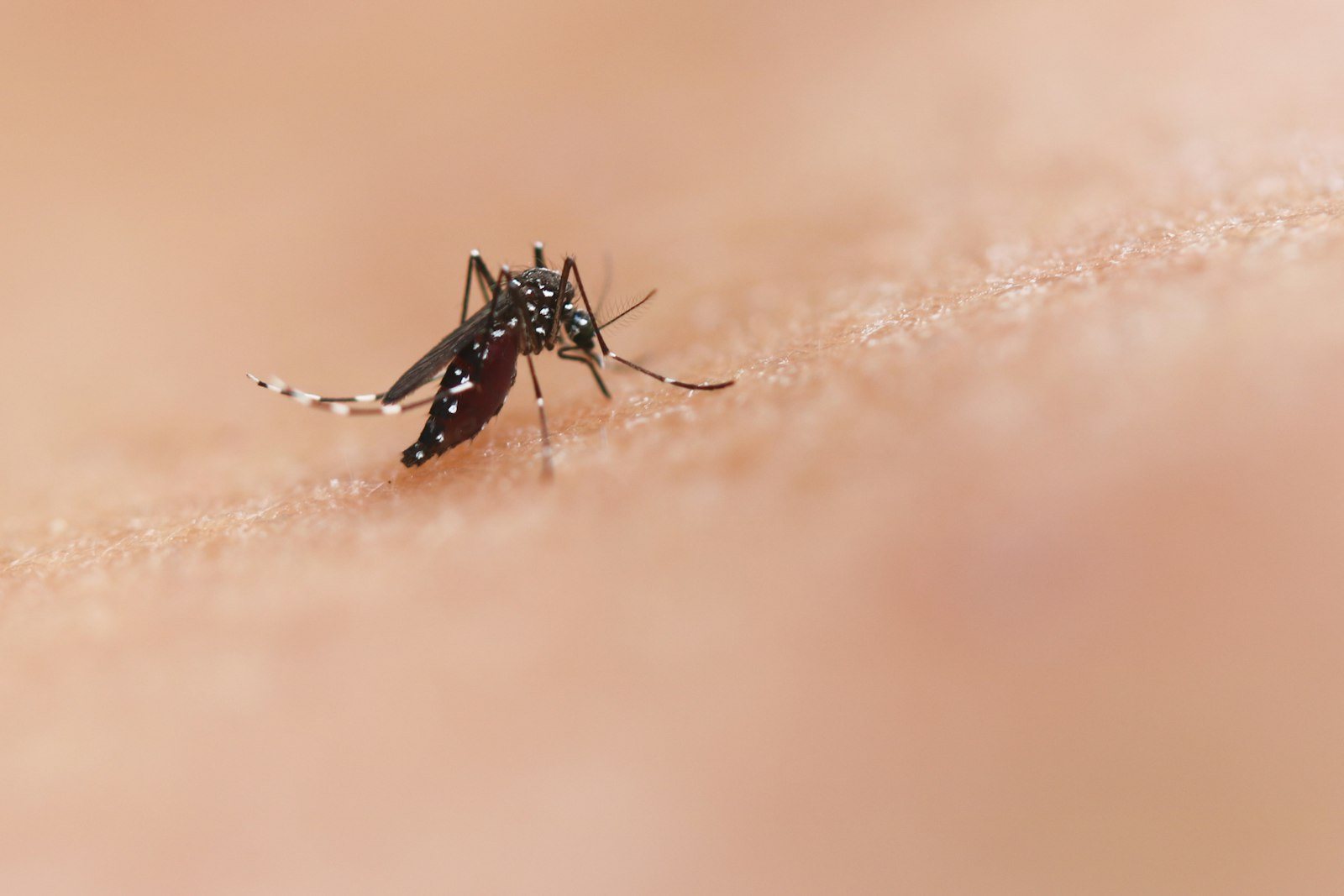
    A mosquito resting on human skin
    The mosquitoes that carry malaria bite mainly between dusk and dawn, which is why bed nets matter as much as repellent.

    Taking preventive tablets substantially lowers the risk. It does not remove it, and it can delay the onset of symptoms by weeks, which is exactly the circumstance in which people stop connecting the illness to the trip.

    Malaria has no signature symptom. It often looks like flu: fever, chills, headache, aches, sometimes vomiting or diarrhea. Nothing about how it feels distinguishes it from the ordinary illnesses in our article on flu and its treatment. The distinction is made by a blood test, and only when someone thinks to order it.

    If you develop a fever within a year of returning from a malaria area, say so explicitly and early: “I was in [country] [x] weeks ago.” Do not wait to be asked. The travel history is the single piece of information that changes what gets tested.

    What actually gets checked

    A gloved technician looking through a microscope
    Malaria is diagnosed by examining blood directly, and a single negative result does not always settle the question.

    The core test is a blood film, looked at under a microscope, often alongside a rapid antigen test. If the suspicion is high and the first film is negative, it is usually repeated over the following day or two, because parasites come and go from the bloodstream in cycles.

    • Blood films and a rapid malaria test, repeated if the first is negative
    • Full blood count and liver and kidney function
    • Blood cultures, which is where our article on culture and sensitivity results explains the wait
    • Urine testing, and a chest film if there are respiratory symptoms
    • Dengue and other specific tests, guided by where you went
    • Stool testing if diarrhea is prominent

    The list looks long because the differential is wide. Most of it is one blood draw.

    Two things change the order of that list. A rash, which points toward dengue and several other specific infections, and diarrhea, which redirects attention to the gut. Both are worth mentioning without being asked, because neither is visible once you are sitting in a consulting room describing a fever that has temporarily settled.

    The other possibilities, briefly

    • Dengue causes high fever, severe headache and joint pain. The dangerous phase can begin as the fever settles, which is counterintuitive and worth knowing.
    • Typhoid builds gradually over a week or more, often with constipation rather than diarrhea early on.
    • Traveler’s diarrhea is common and usually self-limiting; if it persists or follows antibiotics, see C. difficile
    • Hepatitis A may cause jaundice weeks after exposure; it is vaccine-preventable, as our article on travel vaccines covers
    • Tuberculosis can present months later with weight loss, night sweats and a lasting cough; see latent tuberculosis
    • Something entirely unrelated to travel, which is in fact the most common answer of all

    That last point is worth holding onto. Most fevers after a trip turn out to be the same infections people get at home. The travel history is not a prediction; it is a set of possibilities that must be excluded first because some of them are dangerous.

    What to tell them, and what to bring

    1. Every country and region you visited, including stopovers and short side trips
    2. The dates you left and returned, as precisely as you can
    3. What preventive tablets you took, whether you finished them, and any doses missed
    4. What vaccines you had before going, and when
    5. What you did: rural areas, fresh water swimming, animal contact, unfiltered water, street food, insect bites, any new sexual partners
    6. Whether anyone who traveled with you is also unwell
    7. Any medical care you received while away, including injections or transfusions

    Freshwater swimming and animal contact are asked about because they open up specific diagnoses; the bites and animal contact article covers the rabies question, which is time-critical and separate from fever.

    When it needs to be today

    • Any fever within a year of travel to a malaria area
    • Confusion, severe headache, or a stiff neck
    • Breathlessness, chest pain, or a very fast heartbeat
    • Persistent vomiting, or being unable to keep fluids down
    • Yellowing of the eyes or skin, or dark urine
    • Unusual bleeding or bruising, which matters particularly with dengue
    • Any of the warning signs of sepsis

    A travel clinic before departure is the other half of this. Our article on how far in advance to book travel vaccines explains the timing, and the practice runs a travel medicine service. If you are unwell now and it followed a trip, you can reach us through the contact page.

    Frequently asked questions

    I took my malaria tablets. Can I still get malaria?

    Yes. Prevention greatly reduces the risk but does not eliminate it, and it can delay symptoms by weeks. Having taken tablets is a reason to mention them, not a reason to rule malaria out.

    How long after travel should I still mention the trip?

    A year, as a working rule. Most illness appears within a month, but malaria and tuberculosis can appear much later, and the travel history costs nothing to volunteer.

    My fever settled by itself. Do I still need to be seen?

    If you traveled to a malaria area, yes. Malaria fevers characteristically come and go in cycles, so a fever that has settled is not reassuring in the way it would otherwise be.

    Should I go to the emergency department or my own doctor?

    If you are seriously unwell, confused, breathless or unable to keep fluids down, go to the emergency department. Otherwise a same-day appointment is reasonable, provided you say clearly that you have been abroad.

    Everyone I traveled with is fine. Does that rule things out?

    No. Mosquito exposure, food and water exposure and susceptibility all vary between people in the same group. It is useful information, not an exclusion.

    Sources and further reading: Northwestern Medicine — Malaria and other travel-related infections.

    This article is general health information, not medical advice, and it cannot account for your own history or medications. Discuss your situation with a qualified clinician before acting on anything you read here.
  • An HIV Diagnosis Today: What Treatment Actually Involves

    An HIV Diagnosis Today: What Treatment Actually Involves

    Most of what the public knows about HIV was learned in the 1980s and 1990s and has not been updated since. That matters, because almost every part of it is now wrong, and the gap between the old picture and the current reality is the single biggest source of fear at the point of diagnosis.

    Someone diagnosed today, who starts treatment and stays in care, has a life expectancy close to normal. Treatment is usually one tablet once a day. And someone whose virus is suppressed by treatment cannot pass HIV on to a sexual partner. None of those three statements was true thirty years ago; all three are firmly established now.

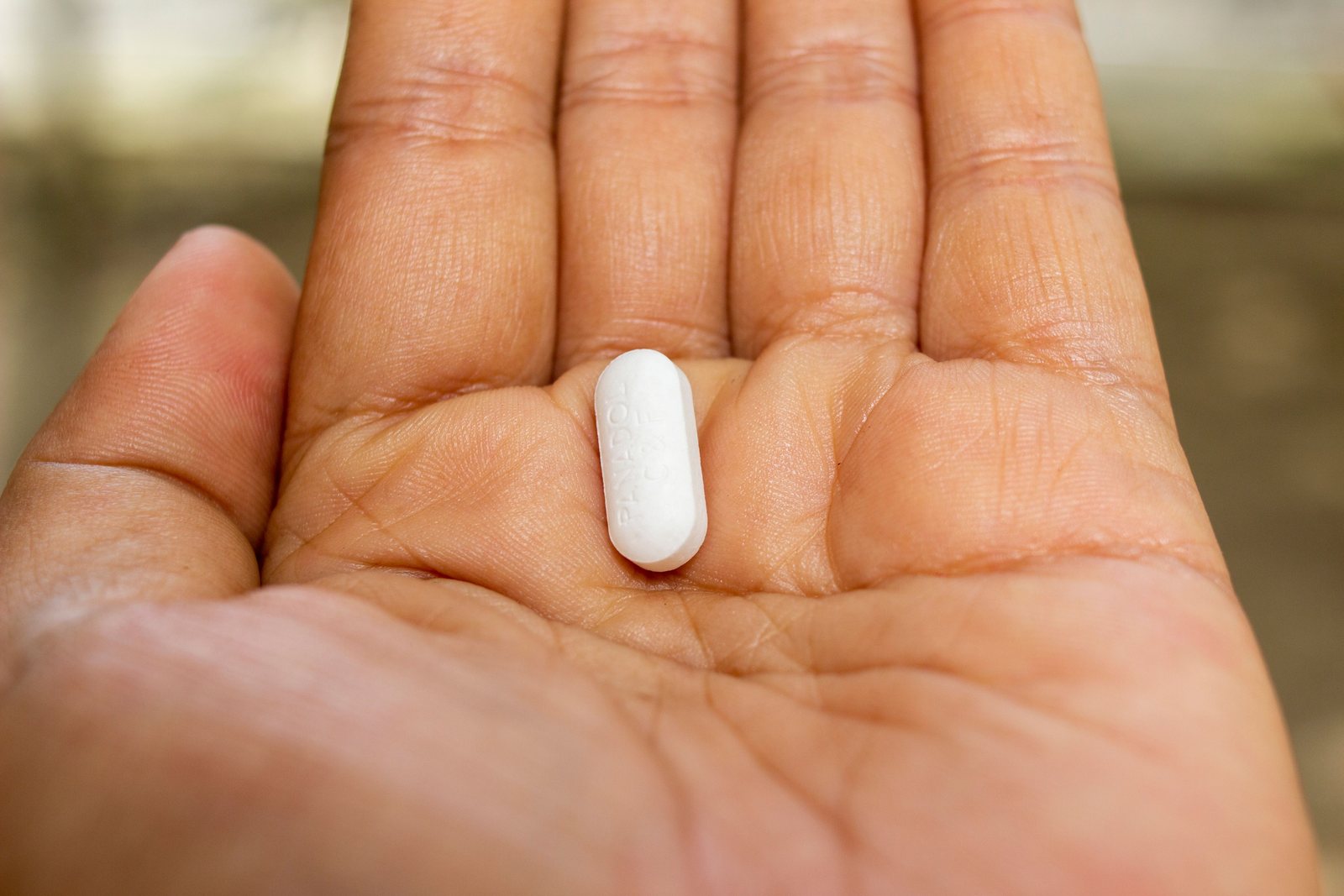
    A single white tablet in the palm of a hand
    For most people starting treatment today, the regimen is a single tablet taken once a day.

    What has actually changed

    The picture people carry, and the current reality
    The 1990s pictureTreatment today
    PillsHandfuls, on a rigid scheduleUsually one tablet daily; injections every two months for some
    Side effectsFrequently severe and visibleUsually mild and short-lived; alternatives if not
    When treatment startsOnce the immune system had declinedImmediately after diagnosis, often the same week
    Life expectancySubstantially shortenedClose to normal with treatment
    Passing it onA constant riskNot transmitted sexually when the viral load is undetectable
    Clinic visitsFrequent and demandingTypically every six months once stable

    The change in when treatment starts is the least known and among the most important. Waiting for the immune system to decline was standard practice for years; it is now clear that starting straight away leads to better outcomes, and same-day starts are increasingly ordinary.

    What the first year looks like

    The early appointments are busier than what follows, and that pattern is deliberate rather than a sign that something is wrong.

    1. Baseline blood tests: viral load, CD4 count, kidney and liver function, and a resistance test to guide which drugs to use
    2. Screening for other infections that share routes of transmission, including hepatitis B, hepatitis C and syphilis
    3. A test for latent tuberculosis, which is treated before it has any chance to reactivate
    4. Starting treatment, usually within days rather than weeks
    5. A viral load check at roughly four to six weeks to confirm it is falling
    6. Further checks until it is undetectable, typically within three to six months
    7. Once stable, routine monitoring settles to about twice a year

    Vaccinations are reviewed early too, because some are recommended specifically for people with HIV and a few live vaccines need care depending on the CD4 count. Our article on adult vaccines covers the general adult schedule.

    Undetectable means untransmittable

    Gloved hands pipetting a sample into a rack of tubes
    The viral load test is the number that matters most, and it is what “undetectable” refers to.

    This is the finding that changed the most and is understood the least. When treatment suppresses the virus to an undetectable level and keeps it there, HIV is not passed on to sexual partners. Not “rarely” and not “at low risk”: large studies following thousands of couples over years recorded no transmissions.

    Two things are worth being precise about. It depends on the viral load actually being and staying undetectable, which is why the routine tests continue after the number looks good. And it applies to sexual transmission, which is why the PrEP conversation is separate for a partner who wants their own protection.

    An undetectable viral load is not a cure. The virus is suppressed rather than eliminated, and it returns if treatment stops. That is the reason treatment continues indefinitely even when everything looks and feels normal.

    The CD4 count, and why it stops being the headline

    Two numbers get reported and they answer different questions. The viral load measures how much virus is present, and it is the measure of whether treatment is working. The CD4 count measures immune function, and it describes how much recovery has happened.

    The CD4 count rises after treatment starts, sometimes slowly, and how far it recovers depends partly on how low it was at diagnosis. Once it is comfortably above the threshold at which infections become a concern, it is often measured less frequently. A viral load that stays undetectable is the reassuring finding, not the CD4 climbing every year.

    Living with it, practically

    Two people walking together along a city street
    For most people on treatment, HIV becomes a managed condition rather than the organizing fact of their life.

    The realistic difficulties are not usually medical. They are remembering a daily tablet, deciding who to tell, and dealing with outdated assumptions held by other people. Those are real, and worth support, and they are a different category of problem from the one people brace for.

    • Taking the tablet at the same time each day; alarms and pill boxes work
    • Telling the clinic about every other medicine, including over-the-counter and herbal products, because interactions are the main practical hazard
    • Keeping routine health care going: blood pressure, cholesterol, cancer screening
    • Long-acting injections given every two months suit some people better than daily tablets, and are worth asking about
    • Pregnancy is entirely compatible with treatment; see infections and vaccines in pregnancy
    • Missing occasional doses is not a catastrophe; stopping altogether is what causes resistance

    Infections that would once have defined the illness are now uncommon in people on treatment, and a fever is investigated the same way it would be in anyone else, as our article on a fever that will not go away describes.

    Testing, and why it is a routine test

    HIV testing is recommended at least once for every adult, and more often for people with ongoing risk. That framing is deliberate. A test offered routinely, rather than only when someone asks, is how infections get found before they have done damage.

    Late diagnosis remains the main reason anyone still becomes seriously ill with HIV in the United States, and it is almost always a testing failure rather than a treatment one. Our article on how PrEP works covers prevention for people who test negative and want to stay that way.

    We provide long-term HIV care, and you can reach us through the contact page. Our article on when to see an infectious disease specialist explains what that ongoing relationship involves.

    Frequently asked questions

    Does HIV still shorten life expectancy?

    Not substantially, for someone diagnosed today who starts treatment and stays in care. The gap that remains is driven mostly by late diagnosis and by other health conditions rather than by HIV itself.

    What does undetectable actually mean?

    That the amount of virus in the blood is below what the test can measure. It is not a cure; the virus is suppressed rather than gone, and it returns if treatment stops.

    Can I pass HIV on if I am undetectable?

    Not to sexual partners. Large studies following thousands of couples recorded no transmissions where the viral load was consistently undetectable. This depends on staying undetectable, which is what the routine tests confirm.

    Are the side effects as bad as people say?

    The drugs people remember are not the drugs in use. Modern regimens usually cause mild effects that settle in the first weeks, and there are enough alternatives that persisting with something unpleasant is rarely necessary.

    Do I have to take it forever?

    Yes, with current treatment. Stopping allows the virus to rebound and can allow resistance to develop. The upside is that indefinite treatment now means one tablet a day or an injection every two months.

    Sources and further reading: San Francisco AIDS Foundation — HIV treatment.

    This article is general health information, not medical advice, and it cannot account for your own history or medications. Discuss your situation with a qualified clinician before acting on anything you read here.
  • MRSA: What the Word Actually Means, and What It Does Not

    MRSA: What the Word Actually Means, and What It Does Not

    Being told a culture grew MRSA lands badly. The word has been attached to “superbug” headlines for twenty years, and people reasonably assume they have caught something exotic and dangerous.

    What MRSA actually describes is narrower and less frightening than that. It is ordinary staph, a bacterium that lives harmlessly on the skin and in the nose of roughly a third of people, which happens to be resistant to one family of antibiotics. The infection is the same infection. The list of drugs that will treat it is shorter.

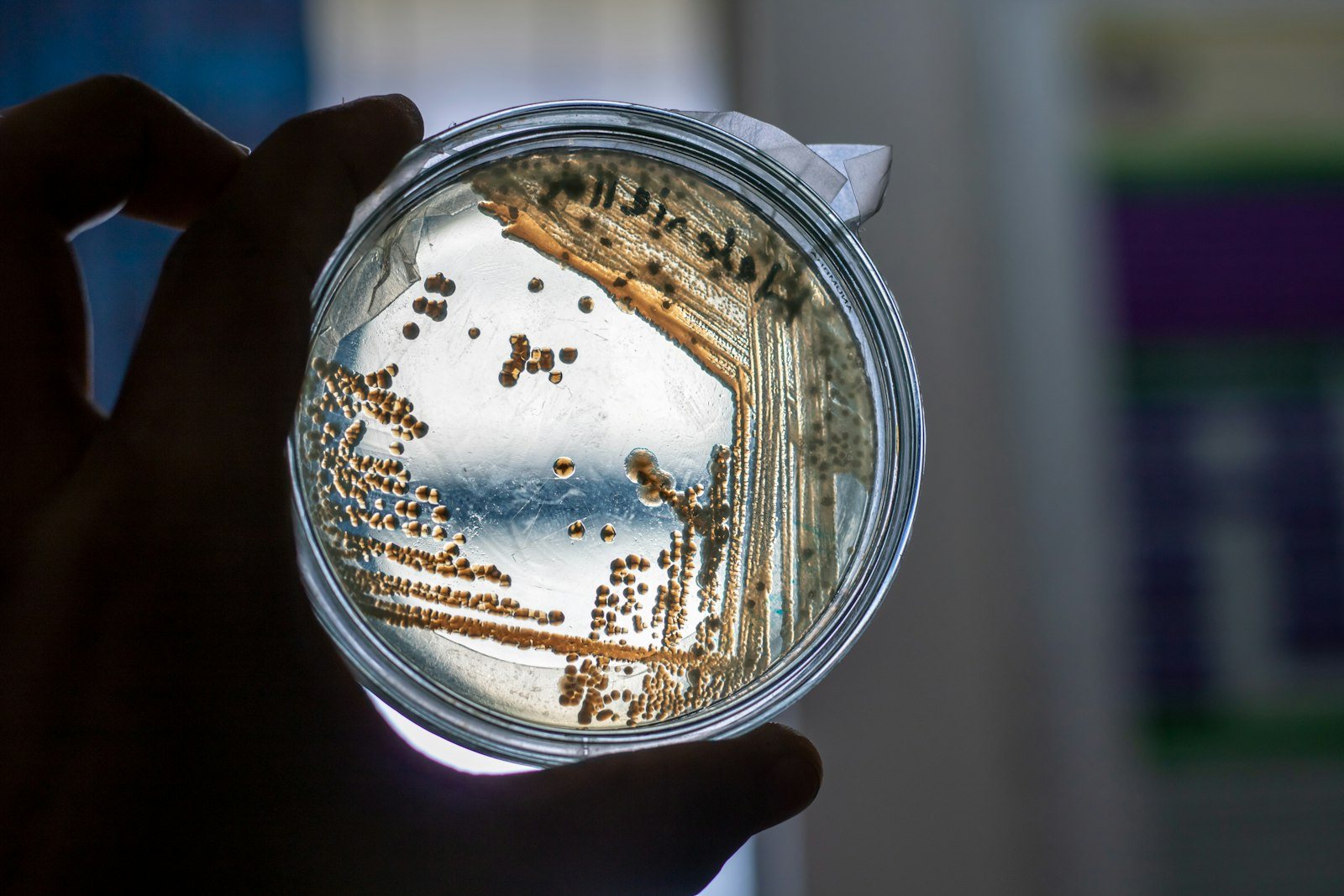
    A petri dish holding a bacterial culture
    MRSA is a result reported on a culture, not a separate disease with its own symptoms.

    What the letters mean

    Methicillin-resistant Staphylococcus aureus. Methicillin is an old antibiotic no longer used, and it survives in the name as shorthand for a whole family: the penicillins and the related drugs that would normally be first choice for a staph infection. Resistance to one predicts resistance to the others.

    That is the entire meaning of the word. It says which antibiotics will not work. It says nothing about how aggressive the infection is, how deep it has gone, or how worried anyone should be, all of which come from examining the patient rather than reading the report.

    What a MRSA result changes, and what it does not
    Ordinary staphMRSA
    Which antibioticPenicillin family, usually oralA different class; sometimes intravenous
    Whether drainage is neededOften, for an abscessEqually often; unchanged
    How long treatment runsDepends on the siteDepends on the site; unchanged
    How dangerous it isDepends where it isDepends where it is; broadly similar
    Precautions in hospitalStandardContact precautions may be added
    What it means for your householdBasic hygieneBasic hygiene, applied more carefully

    The row people expect to differ is the fourth one. For a skin infection treated with the right drug, MRSA is not meaningfully more dangerous than ordinary staph. What makes staph dangerous is reaching the bloodstream, a joint or a heart valve, and that is true of both.

    Two quite different MRSA stories

    The distinction that matters clinically is where it was acquired, because the two behave differently and turn up in different people.

    • Community-associated MRSA typically causes skin and soft-tissue infections in otherwise healthy people. It often presents as a boil or abscess that someone is convinced is a spider bite.
    • Healthcare-associated MRSA occurs in people with recent hospital stays, surgery, catheters or dialysis, and shows up in wounds, the bloodstream and around implanted devices.

    The spider-bite conviction is worth naming. A painful, rapidly growing lump with a central point is far more often a staph abscess than a bite. Our article on animal and human bites covers what genuine bites actually look like, and cellulitis covers the spreading redness that sometimes accompanies it.

    Treatment, and the part antibiotics do not do

    For a skin abscess, the single most important treatment is drainage. That is not a preliminary step before the real treatment; for many abscesses it is the treatment, and antibiotics are an adjunct. An abscess that is not drained will not reliably resolve on antibiotics however carefully they are chosen.

    Where antibiotics are needed, several oral options work against community-associated MRSA. Deeper infections, and anything involving the bloodstream, bone or a prosthesis, are treated intravenously and for considerably longer, which is often arranged through outpatient IV antibiotics rather than in hospital.

    • Do not squeeze or dig at an abscess; it pushes infection deeper
    • Keep it covered with a clean dry dressing until it has healed
    • Finish the course you were given, for the reasons in our article on antibiotic resistance
    • Go back if the redness is spreading, not shrinking, after 48 hours
    • Deep infections in bone or joints are a different undertaking; see bone and joint infections

    Red streaks spreading from the site, fever with a skin infection, or a wound that suddenly becomes much more painful are reasons to be seen the same day rather than to wait for a scheduled appointment.

    Why resistance happened here in the first place

    Staph acquired this resistance the way bacteria usually do: it was exposed to the antibiotic repeatedly, and the strains that could survive it were the ones left to multiply. That process began within a few years of the drug being introduced, and it has been going on ever since.

    This is the practical case for not taking antibiotics that cannot help you. Every unnecessary course applies the same selective pressure, in your own body and in the community, and MRSA is simply the most familiar name for the result. Our article on antibiotic resistance sets out how that works in more detail.

    Carrying it is not the same as being infected

    A significant number of people carry MRSA in their nose or on their skin without any infection at all. Colonization is not illness, does not cause symptoms, and is not treated in most circumstances.

    Decolonization, usually a nasal ointment and antiseptic washes, is used in specific situations: before certain operations, or when someone has repeated infections. It is not routine, it does not always hold, and using it indiscriminately breeds resistance to the very treatments it relies on.

    What actually prevents spread

    Wall-mounted soap and sanitizer dispensers
    Hand hygiene and keeping wounds covered do more than any product marketed for the purpose.

    MRSA spreads by contact, most often through hands and shared items rather than through the air. The measures that work are unglamorous and effective.

    • Wash hands properly, and use sanitizer when soap is not available
    • Keep any wound covered until it has healed
    • Do not share towels, razors, or bar soap
    • Wash towels and bed linen in hot water and dry them thoroughly
    • Wipe down shared gym equipment before and after use
    • Cover cuts before training or playing contact sports
    Dumbbells on a rack in a gym
    Shared equipment, skin-to-skin contact and cuts explain why outbreaks cluster in gyms and sports teams.

    Households where one person has a MRSA infection do not need to be disinfected top to bottom. Routine cleaning of surfaces that hands touch, plus the list above, is what is actually recommended.

    When it warrants a specialist

    • Infections that keep coming back despite correct treatment
    • Any MRSA found in the bloodstream, which is always a serious matter
    • Infection around a joint replacement, pacemaker or other implanted device
    • Wounds that are not healing, which our article on why some wounds do not heal covers
    • Infections in people with diabetes, particularly foot ulcers
    • A reported penicillin allergy narrowing the options further

    Resistant organisms are a large part of what an infectious disease practice does, from choosing the drug to arranging the monitoring. Our article on when to see an infectious disease specialist sets out what that assessment adds, and you can reach us through the contact page.

    Frequently asked questions

    Is MRSA more dangerous than regular staph?

    For a skin infection treated with the right antibiotic, not meaningfully. What makes any staph dangerous is reaching the blood, a joint or a heart valve, and that is true of both resistant and non-resistant strains.

    Can I give MRSA to my family?

    It can spread by contact, so keep wounds covered, wash hands, and do not share towels or razors. Deep cleaning the house is not necessary, and family members do not need testing unless they develop infections.

    I was told I carry MRSA but have no infection. Do I need treatment?

    Usually not. Carrying it is not illness. Clearance treatment is reserved for specific circumstances such as before certain surgery or with recurrent infections.

    Why was my abscess drained instead of just treated with antibiotics?

    Because for many abscesses drainage is the definitive treatment and antibiotics are the supporting act. An undrained collection often will not clear on antibiotics alone.

    Does a MRSA infection mean I will always have it?

    No. The infection is treated and resolves. You may carry the bacteria for a period afterwards, and carriage can also disappear by itself over time.

    Sources and further reading: Minnesota Department of Health — Methicillin-resistant Staphylococcus aureus (MRSA).

    This article is general health information, not medical advice, and it cannot account for your own history or medications. Discuss your situation with a qualified clinician before acting on anything you read here.

  • RSV Is Not Just a Childhood Illness

    RSV Is Not Just a Childhood Illness

    RSV has a reputation as an infant illness, and for decades that is where nearly all the attention went. The reputation is out of date. Respiratory syncytial virus sends tens of thousands of American adults to hospital every year, and almost all of them are older adults or people with chronic lung or heart disease.

    It rarely gets named, because in an adult it looks like a bad cold that will not lift and is usually recorded as one. Testing has become more common, and the picture that has emerged is of an illness comparable to flu in the people it hits hardest.

    Why it gets mistaken for a cold

    The first few days are indistinguishable: runny nose, sore throat, tiredness. What separates RSV is where it goes next. It moves into the lower airway more readily than a common cold, which is why the cough becomes the dominant symptom and why wheezing appears in people who do not usually wheeze.

    How an adult respiratory illness tends to sort itself out
    Common coldFluRSV in an adult
    How it startsGradual, over a day or twoAbruptly, often hour by hourGradual, like a cold
    FeverMild or noneUsually prominentOften mild or absent
    The dominant symptomCongestionAches and exhaustionCough, often with wheeze
    Typical courseBetter within a weekWorst days two to fourCough drags on for weeks
    Who ends up in troubleVery fewOlder adults and chronic illnessOlder adults, COPD, heart failure

    That final column is the part clinicians have come to take seriously. An RSV infection frequently destabilizes a chronic condition rather than causing dramatic symptoms of its own, and the hospital admission is for the heart failure or the COPD flare rather than for the virus.

    Who is genuinely at risk

    • Adults 75 and over, where the risk climbs steeply
    • Adults 50 to 74 with a chronic condition that raises their risk
    • Chronic lung disease, particularly COPD and poorly controlled asthma
    • Heart failure and coronary artery disease
    • Diabetes, kidney disease and liver disease
    • Anyone whose immune system is suppressed, including during cancer treatment
    • Residents of nursing homes and long-term care

    If that list looks like the one in our article on flu antivirals, it is nearly the same list. The vulnerability is to respiratory infection generally rather than to any one virus, which is also why pneumonia so often follows.

    What to watch, and what a home reading does and does not tell you

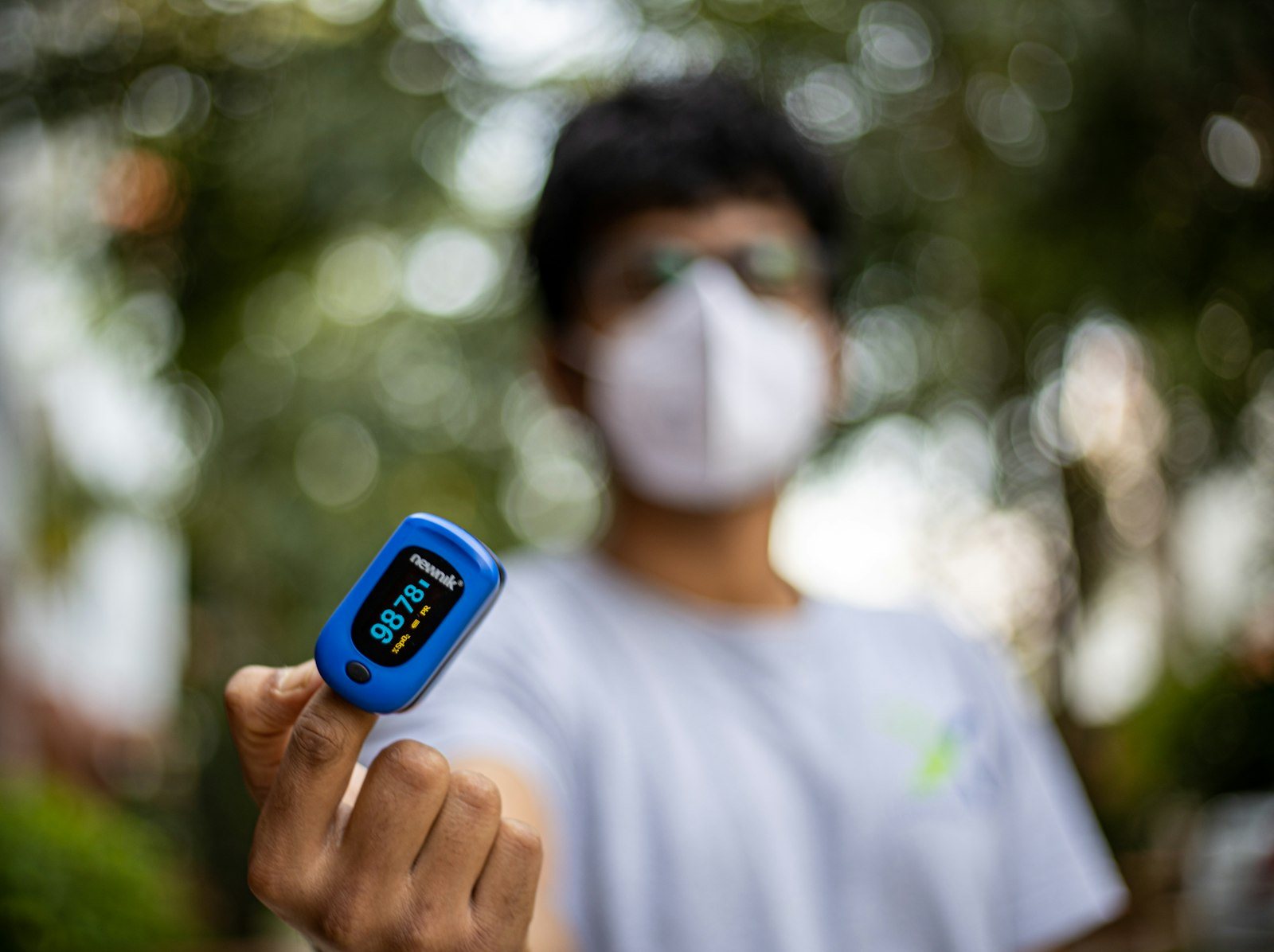
    A fingertip pulse oximeter being used
    Breathlessness matters more than the cough. A home oximeter is useful context, not a verdict.

    The symptom that should prompt a call is breathing, not coughing. Coughs from RSV are unpleasant and long-lasting and are not by themselves alarming. Being short of breath walking across a room, when you were not the week before, is a different matter.

    Home pulse oximeters have become common. They are genuinely useful for spotting a trend, and they mislead in specific ways: cold hands, nail polish and poor circulation all lower the reading, and darker skin tones can read a few points higher than the true value, which risks false reassurance. Use it alongside how you feel, not instead.

    • Breathlessness at rest, or on much less exertion than usual
    • A wheeze that is new, or worse than your normal baseline
    • Blue or grey lips or fingertips, which is an emergency
    • Confusion or unusual drowsiness, especially in an older adult
    • A rescue inhaler that is not lasting as long as it should
    • Any of the warning signs of sepsis

    In an older adult, an infection can announce itself as confusion, a fall, or simply not being themselves, without much cough and without fever at all. Our article on infections in older adults covers why.

    Season, spread, and where adults catch it

    RSV runs on roughly the same calendar as flu in most of the United States, building through late fall and peaking in winter, though the season has been less predictable since 2020. It spreads through respiratory droplets and, more than most respiratory viruses, through hands and surfaces.

    Young children are the main reservoir. They shed a great deal of virus, for longer than adults do, and they are not careful about it. Grandparents and anyone providing childcare are therefore a well-recognized route into exactly the age group least able to tolerate the infection.

    • Wash hands after contact with young children, particularly before touching your face
    • Do not share cups or utensils during respiratory season
    • Clean the surfaces and toys that hands touch most
    • Keep away from vulnerable relatives while you have any respiratory illness
    • Consider a mask when visiting someone frail if you are unwell but unavoidably there

    Treatment is supportive, and that is not a brush-off

    There is no antiviral for RSV in adults. That sounds like bad news and mostly is not: the treatment that matters is managing the chronic condition the virus has upset, which means adjusting inhalers, treating a COPD flare properly, or managing fluid in heart failure.

    Antibiotics do nothing for RSV itself. They are prescribed when a bacterial pneumonia develops on top of it, which does happen. That is a decision based on how the illness evolves, not a routine addition, and our article on antibiotic resistance explains what routine addition costs.

    What the vaccine changed

    An older adult receiving a vaccination in the arm
    RSV vaccines for older adults arrived in 2023 and have measurably reduced severe illness and hospital admission.

    Until recently there was nothing to offer in advance. There are now RSV vaccines for older adults, and in real-world use they have substantially reduced hospital visits for RSV. Recommendations center on adults 75 and over, and on adults from 50 with conditions that raise their risk.

    Unlike flu, this is not currently an annual vaccine, and the age thresholds have shifted more than once since 2023. That is a reason to ask what applies to you now rather than to rely on a number you read a year ago. Our article on adult vaccines covers what else may be due at the same visit, including shingles.

    If a respiratory infection has left you not recovering, or infections keep coming back, a specialist assessment can help. You can reach us through the contact page.

    Frequently asked questions

    Is RSV in an adult serious?

    For most healthy adults it is a bad cold with a long cough. In adults over 75, and in people with COPD or heart failure, it causes tens of thousands of hospital admissions a year in the United States.

    How do I know whether I have RSV, flu or a cold?

    You mostly cannot without a test. Flu tends to start abruptly with fever; RSV starts like a cold and settles into the chest. The distinction matters most if you are in a high-risk group, because flu has a treatment and RSV does not.

    Can I catch RSV from my grandchildren?

    Yes, and that is a common route. Children carry it readily and shed a lot of virus. It is one of the reasons the vaccine is discussed with older adults who provide childcare.

    Why is there no antiviral for RSV in adults?

    None has yet proven effective enough in adults to be recommended. Treatment concentrates on supporting breathing and on managing the lung or heart condition the infection has destabilized.

    Do I need the RSV vaccine every year?

    Currently no. It is not an annual vaccine, and the recommendations on age and repeat doses have changed more than once. Ask what applies this season rather than assuming last season still applies.

    Sources and further reading: Yale Medicine — Should you get an RSV vaccine?.

    This article is general health information, not medical advice, and it cannot account for your own history or medications. Discuss your situation with a qualified clinician before acting on anything you read here.
  • Strep Throat in Adults: When a Sore Throat Needs a Test

    Strep Throat in Adults: When a Sore Throat Needs a Test

    Most sore throats in adults are viral. They hurt considerably, they last several days, and they get better without antibiotics doing anything to help. Strep is the exception worth identifying, and it accounts for something like one adult sore throat in ten.

    That ratio is the whole problem. It is high enough that strep is worth testing for, and low enough that treating every sore throat with antibiotics would mean nine people in ten taking a drug that cannot help them.

    What actually points toward strep

    There is no symptom that proves it. What clinicians do instead is weigh a handful of features that, taken together, move the odds enough to decide whether a test is worth doing at all.

    What shifts the odds in an adult sore throat
    FeatureDirectionWhy it carries weight
    Fever with the sore throatToward strepViral sore throats more often run without much fever
    No cough at allToward strepCough points to the airway, which strep does not involve
    Tender, swollen glands in the front of the neckToward strepReflects the local lymph nodes reacting
    White patches on the tonsilsToward strepAlso seen in mono, so it is suggestive rather than deciding
    Runny nose, hoarseness, red eyesAway from strepThese are the signature of a virus
    Age over 45Away from strepStrep becomes less common with age, though it never disappears

    None of those rows is a verdict. Two or three of them together is usually the point at which a swab is taken rather than debated.

    The test, and what a result means

    Test tubes arranged in a laboratory rack
    A rapid test returns an answer in minutes; a culture takes a day or two and catches a little more.

    The rapid test is good at confirming strep when it is positive. A positive result is trusted and treated. A negative result is a slightly softer thing: it misses a small number of true infections, which is why a culture is sometimes added.

    In adults, a negative rapid test is often accepted without a follow-up culture, because the complication the whole exercise exists to prevent is genuinely rare in this age group. In children the threshold is different, which is one reason adults and children are managed differently for what looks like the same illness.

    A test result is only as good as the reason it was ordered. Swabbing a throat with a streaming nose and a cough will occasionally find strep bacteria that are simply living there, and treat a virus by accident.

    The look-alikes that matter

    Two conditions imitate strep closely enough to be worth naming, and both are missed regularly.

    • Mono. Sore throat, white patches, huge glands, and profound fatigue that outlasts everything else. Our article on why the tiredness of mono lasts covers the spleen precaution that goes with it.
    • Viral pharyngitis. By far the most common, and often accompanied by hoarseness or a cough that gives the game away.
    • A sinus infection draining backwards, which can make the throat sore in the mornings; see when antibiotics help a sinus infection
    • Acid reflux, which produces a sore throat that is worse on waking and never comes with fever

    The mono overlap is the one with a practical consequence. A common antibiotic given for a presumed strep throat causes a widespread rash in people who actually have mono. It is not an allergy, though it is regularly recorded as one, which is exactly the mislabeling described in our article on whether a penicillin allergy is real.

    What helps while you are waiting

    Whether it turns out to be strep or not, the first days are managed the same way, and this is the part that actually makes the pain tolerable. It is worth doing properly rather than treating it as a stopgap.

    • Acetaminophen or ibuprofen, taken regularly rather than only when it becomes unbearable, which is more effective at the same total dose
    • Cold fluids and ice, which numb better than hot drinks do despite the folklore
    • Salt water gargles, which are cheap, harmless and modestly helpful
    • Anesthetic lozenges or sprays for short-term relief before eating
    • Rest, and staying home while you are febrile

    The pain from strep typically peaks around day two or three. A sore throat that is getting steadily worse after that, rather than easing, is the pattern that warrants another look regardless of what any test said.

    Why strep is treated at all

    Untreated strep throat settles by itself in most people within about a week. Antibiotics shorten that by a day or so, which on its own would be a thin reason to prescribe them.

    They are given for three other reasons: to reduce spread to other people, to prevent the local complications that occasionally follow, and to prevent rheumatic fever, which is rare in the United States precisely because strep throats are treated.

    • An abscess forming beside the tonsil, which causes one-sided pain and difficulty opening the mouth
    • Infection spreading into the neck tissues, which is uncommon but serious
    • Rheumatic fever affecting the heart valves, weeks after an untreated infection; see bone and joint infections for how deep infections are handled
    • Kidney inflammation, which antibiotics do not reliably prevent

    Finishing the course, and when to go back

    Capsules spilling from a prescription bottle
    Feeling better after two days is expected. It is not a sign that the rest of the course is unnecessary.

    Penicillin or amoxicillin remains first choice, for ten days. Strep has not developed resistance to penicillin, which is unusual and worth appreciating in the context of antibiotic resistance more broadly. A genuine penicillin allergy has well-established alternatives.

    You should feel meaningfully better within 48 hours of starting. If you do not, that is worth a call rather than patience.

    • Difficulty breathing or swallowing your own saliva, which is an emergency
    • Severe pain on one side, or difficulty opening your mouth fully
    • A swelling in the neck that is enlarging
    • Fever that returns after settling, or persists past 48 hours on treatment
    • A rash appearing after starting the antibiotic
    • Any of the warning signs of sepsis

    A sore throat that keeps returning, or an infection that never fully clears, is worth a specialist opinion. You can reach us through the contact page.

    Frequently asked questions

    Can I tell strep from a viral sore throat myself?

    Not reliably. Fever without a cough, tender neck glands and white patches together raise the odds enough to test, but experienced clinicians still get it wrong without a swab, which is why the swab exists.

    My rapid test was negative but I feel terrible. What now?

    Feeling terrible is entirely compatible with a virus. If the picture strongly suggested strep, a culture may be sent. If symptoms are severe or one-sided, that needs looking at regardless of the test.

    Do I really need all ten days of antibiotics?

    Yes. The shortening of symptoms happens in the first two days; the prevention of rheumatic fever depends on completing the course. Stopping early is where the real risk sits.

    How long am I contagious?

    Roughly 24 hours after starting an effective antibiotic, which is the usual basis for returning to work or school. Untreated, you can pass it on for a couple of weeks.

    I get strep every year. Should my tonsils come out?

    Occasionally, but the bar is high and it is based on how many well-documented episodes occurred over how long. Several confirmed infections a year for a couple of years is the kind of pattern that prompts the conversation.

    Sources and further reading: UCSF Health — Streptococcal screen.

    This article is general health information, not medical advice, and it cannot account for your own history or medications. Discuss your situation with a qualified clinician before acting on anything you read here.

  • Flu Antivirals: When They Change the Outcome, and When They Do Not

    Flu Antivirals: When They Change the Outcome, and When They Do Not

    Antiviral medicines for flu are asked about far more often than they are needed, and prescribed far less often than they should be for the people who genuinely benefit. Both of those things are true at the same time, and they are the reason the answer sounds inconsistent depending on who you ask.

    For a healthy adult who catches flu, an antiviral started promptly shortens the illness by roughly a day. That is the honest figure, and for most people it is not the difference between a bad week and a good one. For someone whose lungs, heart or immune system leaves no margin, the same medicine is aimed at something else entirely: keeping them out of hospital.

    A pharmacist showing a pill bottle to a customer
    Antivirals work best started within the first 48 hours, which usually means deciding before the illness has fully declared itself.

    What the medicines actually do

    Flu antivirals interfere with the virus multiplying. They do not kill it outright, and they do nothing at all for the other respiratory infections that feel identical in the first two days. That is why they are not a general remedy for feeling awful in winter.

    Because they act on a virus that is already replicating fast, timing dominates everything. Started early, there is still virus to stop. Started on day five, most of the replication has already happened and what you are left with is your own immune response, which no antiviral touches.

    What antivirals change, by who is taking them
    SituationWhat treatment is aimed atHow much timing matters
    Healthy adult, mild illnessShortening symptoms by about a dayOnly worth it inside 48 hours
    Adult at higher risk of complicationsPreventing the illness from escalatingStart as early as possible; still considered later
    Someone sick enough for hospitalReducing the severity of a serious illnessGiven regardless of how many days in
    Exposed household contact at high riskPreventing infection taking holdOnly useful started within days of exposure
    Healthy adult, day five, improvingVery littleThe window has passed; supportive care is the answer

    That third row surprises people. Once someone is unwell enough to be admitted, the usual 48-hour rule is set aside, because the balance of benefit and harm has changed completely.

    Who counts as higher risk

    A doctor taking an older patient's blood pressure
    The people who gain most from antivirals are often the ones least likely to think of themselves as unwell enough to ask.

    The groups below are not a ranking of how ill you feel. They describe who is more likely to end up with pneumonia, a hospital admission, or a flare of something they already have.

    • Adults 65 and over, and especially those over 75
    • Anyone with chronic lung disease, including asthma and COPD
    • Heart disease, diabetes, kidney disease and liver disease
    • Pregnancy, and the first two weeks after delivery; see our article on infections and vaccines in pregnancy
    • Anyone whose immune system is suppressed by illness or by treatment, including infections during cancer treatment
    • Residents of nursing homes and long-term care facilities
    • People with a body mass index of 40 or above

    If you are in one of these groups, the useful thing to know now, while you are well, is how you would get seen quickly. The 48-hour window is short, and it is easy to lose most of it working out who to call.

    Why flu is worth confirming rather than assuming

    Plenty of illnesses feel like flu. Testing matters here because the treatment decision follows the answer, and because two of the alternatives have their own treatments. Our articles on RSV in adults and pneumonia in adults cover the two that are most often missed in older patients.

    A rapid test in a clinic can return an answer in under half an hour. A negative result during a busy flu season does not entirely exclude it, which is why a clinician weighs the test alongside how the illness looks and what is circulating locally.

    What antivirals will not do

    They are not antibiotics, and they have no effect on bacteria. If a bacterial pneumonia develops on top of flu, that needs its own treatment, and the two problems are managed separately.

    • They do not replace vaccination, and they are not a reason to skip it
    • They do not prevent the fatigue that can outlast the fever by a week or two
    • They will not shorten a cold, a sinus infection, or a sore throat that turns out to be strep
    • They are not a treatment for RSV, which is a different virus entirely
    • They do not stop you being infectious immediately; you are still contagious

    Asking for an antibiotic “just in case” during flu is worth resisting for the reasons set out in our article on antibiotic resistance. It will not treat the virus, and it carries real costs, including C. difficile diarrhea.

    Side effects, and the practical business of taking them

    The most common complaint with the oral treatment is nausea, which is noticeably better when the dose is taken with food. A newer single-dose option exists and is convenient, though it is not automatically the better choice for everyone.

    Dose adjustments matter in kidney disease, and interactions are worth checking if you take several regular medicines. Neither of these is a reason to avoid treatment; both are reasons to mention your full medication list rather than assume it is on file.

    The vaccine is still the part that matters most

    Gloved hands drawing liquid from a vial into a syringe
    Vaccination reduces the chance of needing any of this, and it lowers the severity of the illness in people who catch flu anyway.

    Antivirals are a response to something that has already happened. Vaccination changes the odds beforehand, and it does so for the same groups who benefit most from treatment. It is also the part most often skipped by the people it would help most.

    Our article on which adult vaccines you need covers what else is due at the same visit, and RSV in adults explains why a second respiratory vaccine now sits alongside it for older adults.

    When flu stops being a home illness

    • Difficulty breathing, or breathlessness at rest
    • Chest pain, or pressure that does not ease
    • Confusion, or difficulty staying awake
    • Symptoms that improve and then clearly worsen again, which can mean a bacterial infection on top
    • Any of the warning signs of sepsis
    • Not passing urine, or being unable to keep fluids down

    In older adults, none of this may look dramatic. Confusion or a fall can be the first sign, as our article on infections in older adults explains, and the temperature can stay stubbornly normal throughout.

    If flu keeps landing you in trouble, or an infection has never quite resolved, a specialist assessment can be worth arranging. You can reach us through the contact page.

    Frequently asked questions

    Is it too late for an antiviral if I have been sick for three days?

    For a healthy adult with mild illness, probably, and supportive care is the sensible answer. If you are in a higher-risk group or getting worse rather than better, it is still worth asking, because the calculation is different.

    Do antivirals stop me passing flu on?

    Not immediately. They reduce how much virus you shed over time, but you remain infectious in the early days of treatment. Staying away from other people still does more.

    Can I take an antiviral instead of the flu vaccine?

    No. The vaccine reduces your chance of catching flu at all and blunts the illness if you do. An antiviral only helps once you are already infected, and only if it is started in time.

    Why was I not offered one when my neighbor was?

    Most likely because the benefit differs. In an otherwise healthy adult the gain is about a day of symptoms; in someone with lung disease or over 75 the aim is avoiding hospital.

    Will an antiviral help my cough that has lasted two weeks?

    Almost certainly not. A cough lingering after flu is usually the airway recovering rather than continuing infection. A cough with fever returning, or breathlessness, is different and should be assessed.

    Sources and further reading: New York State Department of Health — Flu (influenza).

    This article is general health information, not medical advice, and it cannot account for your own history or medications. Discuss your situation with a qualified clinician before acting on anything you read here.