

Skip to content

Author: Alexandra W. Dretler

  • Infections in Older Adults: Confusion Can Come Before Fever

    Infections in Older Adults: Confusion Can Come Before Fever

    The textbook signs of infection are fever, a raised heart rate and feeling obviously unwell. In someone over eighty, those may never appear.

    What appears instead is confusion, a fall, a sudden loss of appetite, or simply not being themselves. Families notice it first and are frequently told it is nothing. It often is not.

    An older person sitting quietly by a window
    A change in how someone is functioning is often the earliest sign of infection in an older adult, and it is easy to attribute to age.

    Why the presentation changes

    Two things shift with age. The immune response that produces fever becomes blunted, so the temperature may barely move even during a significant infection. And the brain becomes more vulnerable to any physical stress, so illness anywhere in the body shows up as a change in thinking.

    The result is that an infection which would produce a dramatic fever at thirty can produce nothing but quiet confusion at eighty-five.

    The same infections, presenting differently
    InfectionTypical in a younger adultOften in an older adult
    PneumoniaCough, fever, chest painConfusion, a fall, faster breathing, little cough
    Urinary infectionBurning, urgency, frequencyConfusion, new incontinence, loss of appetite
    Skin infectionRedness, pain, feverRedness with little pain, and withdrawal
    Any serious infectionHigh fever, obvious illnessLow or normal temperature, drowsiness, not eating

    A normal temperature does not rule out infection in an older adult. A temperature that is lower than usual can itself be a warning sign, and so can a rise of even a degree above that person’s own baseline.

    The signs families notice first
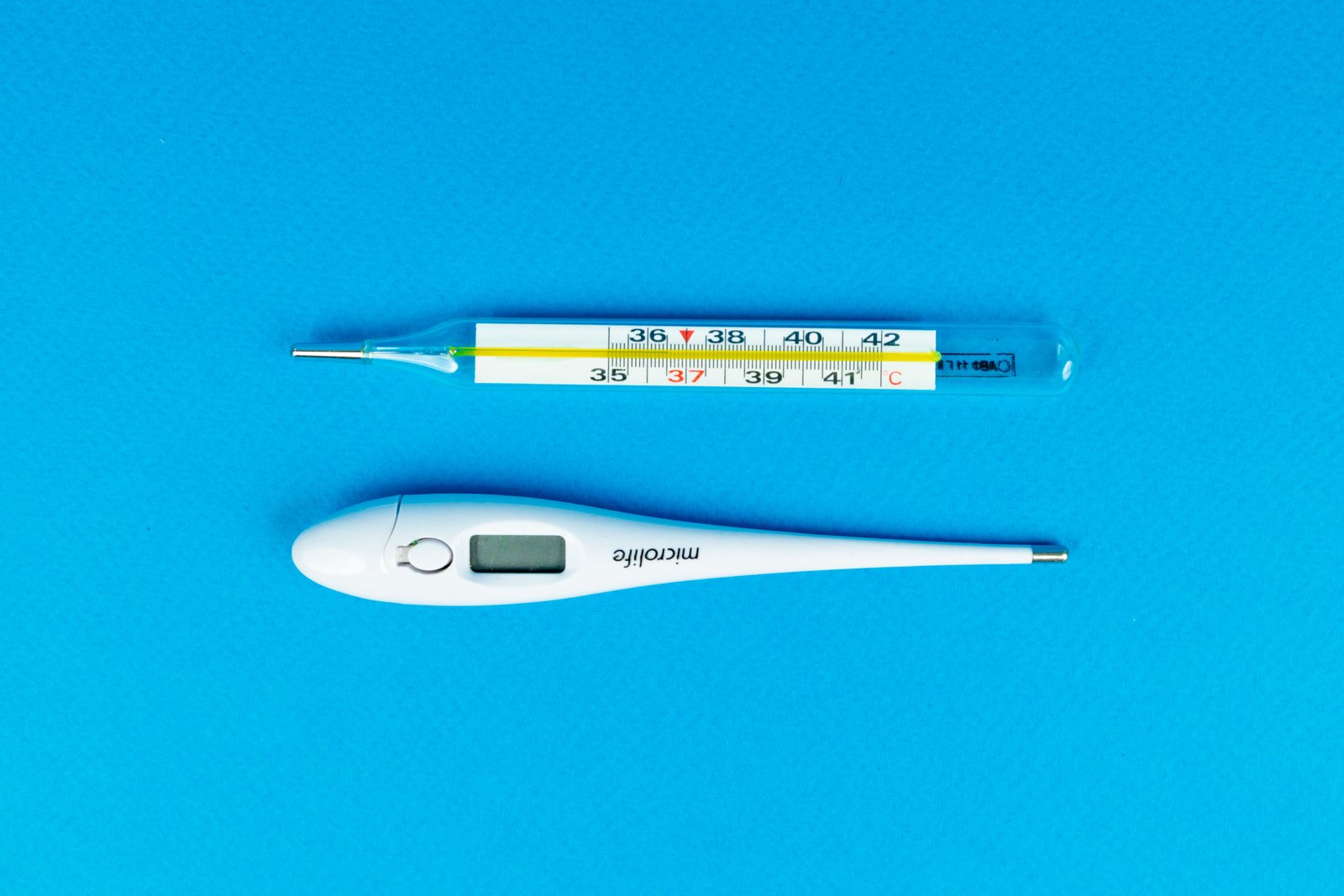
    A digital thermometer
    A single reading matters less than a change from that person’s own normal.
    • New or worsening confusion, or being unusually withdrawn and quiet
    • A fall, or new unsteadiness in someone who normally walks well
    • Not eating or drinking, or refusing a favorite food
    • New incontinence, or a sudden change in continence
    • Sleeping far more than usual, or being hard to rouse
    • Simply not being themselves, which is worth stating plainly to a clinician

    That last one carries more weight than people expect. A family member saying that someone is not themselves is a recognized and useful clinical signal, and it should be said directly rather than hedged.

    The urine test problem

    Laboratory equipment used to process urine samples
    Bacteria in the urine of an older adult is common, and by itself it is not an infection.

    Here is where a great deal goes wrong. Many older adults, particularly women and anyone with a catheter, have bacteria in their urine all the time without being infected. This is called asymptomatic bacteriuria, it is common, and it does not require treatment.

    So a confused older person gets a urine test, bacteria are found, and the confusion is blamed on a urinary infection. Sometimes that is right. Often it is not, and two things follow: they receive antibiotics they do not need, and the real cause of the confusion is not looked for.

    • Bacteria in the urine plus urinary symptoms usually does mean infection
    • Bacteria in the urine with no urinary symptoms usually does not
    • Confusion alone, with no urinary symptoms, is weak evidence for a urinary infection
    • Treating bacteriuria that is not causing illness does not help and carries real cost
    • Cloudy or strong-smelling urine is not by itself a reason for antibiotics

    Antibiotic tablets in a blister pack
    Antibiotics given for bacteria that were not causing illness carry the same risks without the benefit.

    Those costs are not theoretical. Unnecessary antibiotics in older adults cause C. difficile, which is more dangerous in this age group than in any other, alongside drug interactions, kidney effects and resistant organisms that make the next real infection harder to treat.

    It is entirely reasonable to ask: does this person have symptoms that point to the urinary tract, or only bacteria in the urine? That single question prevents a great deal of unnecessary treatment.

    Where these infections usually start

    A small number of sites account for most serious infection in older adults, and each has something practical that reduces the risk.

    • The chest. Pneumonia is the most common serious infection in this age group. Difficulty swallowing raises the risk, because small amounts of food or fluid reach the lungs
    • The urinary tract. Genuine infection is common, particularly with a catheter. Our article on recurrent urinary tract infections covers what actually prevents it
    • The skin. Thin skin tears easily, and pressure areas and leg ulcers are entry points. Cellulitis can spread with little pain to signal it
    • The mouth. Poor dental health feeds infection elsewhere, including the chest and occasionally the heart valves
    • Devices. Catheters, feeding tubes and lines all provide a route in, and each should be reviewed regularly for whether it is still needed

    The single most effective preventive step is removing a urinary catheter that is no longer necessary. Catheters are frequently left in long after the reason for them has passed, and every additional day carries risk.

    What genuinely needs urgent attention

    None of the above is an argument for waiting. The point is to look properly rather than to assume, and some things need to be seen the same day.

    A woman making a telephone call at home
    When something has changed suddenly, calling the same day is the right response, even without a fever to point to.
    • Confusion that came on over hours rather than weeks
    • Breathing that is faster than usual, or new breathlessness
    • A temperature above 100.4 degrees Fahrenheit, or below 96.8
    • Not passing urine, or passing very little
    • Drowsiness, or difficulty waking the person
    • Any of the warning signs of sepsis, which in older adults may appear without a fever at all

    Sudden confusion in an older adult is treated as a medical problem until proven otherwise. It is not a normal part of aging, and gradual memory change over months is a different thing entirely from a change over a day or two.

    What helps in advance

    • Know the person’s usual baseline temperature, so a change is recognizable
    • Keep a current list of medications and conditions somewhere findable
    • Keep vaccinations current; see our article on adult vaccines
    • Encourage fluids routinely, as thirst diminishes with age
    • Keep dental and skin care up, since both are common entry points
    • Write down what changed and when, before the appointment

    If infections keep recurring, or a diagnosis has never been clear, our article on when to see an infectious disease specialist explains what that assessment adds. You can reach us through the contact page.

    Frequently asked questions

    Can someone have a serious infection without a fever?

    Yes, and it is common in older adults. The response that produces fever weakens with age, so temperature can stay normal or even fall during significant infection. A normal reading does not rule anything out.

    My relative is confused. Is it a urinary infection?

    It might be, but confusion alone is weak evidence. Bacteria are often present in the urine of older adults without causing illness, so finding them does not confirm the cause. Ask whether there are urinary symptoms as well.

    Why would antibiotics be withheld if the test grew bacteria?

    Because bacteria in the urine without symptoms is usually not an infection, and treating it does not help. It exposes the person to C. difficile, drug interactions and resistance while leaving the real cause unexamined.

    Is confusion just part of getting older?

    Gradual memory change over months is different from confusion developing over hours or days. The sudden kind is a medical problem and should be assessed promptly rather than attributed to age.

    What should I tell the doctor?

    What changed, when it started, and what the person is normally like. Their usual baseline is information only you have, and it is often what makes the difference between a change being taken seriously and being missed.

    Sources and further reading: HealthInAging.org (American Geriatrics Society) — Urinary tract infections and asymptomatic bacteriuria.

    This article is general health information, not medical advice, and it cannot account for your own history or medications. Discuss your situation with a qualified clinician before acting on anything you read here.


  • Norovirus or Food Poisoning? Telling Them Apart

    Norovirus or Food Poisoning? Telling Them Apart

    It comes on fast. You were fine at lunch and by evening you cannot keep water down. The first question everyone asks is what they ate.

    Often that is the wrong question. Sudden vomiting and diarrhea are far more often a virus passed from another person than anything wrong with a meal, and the difference matters, because one of them spreads through your household and the other does not.

    A clock on a plain wall
    How long after eating symptoms began is the single most useful piece of information, and it is the one people rarely note.

    The timing tells you more than the meal does

    People reliably blame the last thing they ate. That instinct is usually wrong, because almost nothing causes illness within an hour or two, and the meal that made you sick is more often the one from the day before.

    What the interval between eating and symptoms suggests
    Onset after eatingUsuallyTypical picture
    1 to 6 hoursA toxin already present in the foodViolent vomiting, little fever, over within a day
    12 to 48 hoursNorovirus, usually from a person not the foodVomiting and watery diarrhea, aching, low fever
    1 to 3 daysBacterial infection such as salmonellaDiarrhea, cramps, fever, sometimes blood
    3 to 7 daysCampylobacter, or other bacteriaCramping diarrhea, fever, often after poultry
    Over a weekParasites, or something unrelatedProlonged loose stool, weight loss

    The middle row is the common one. Norovirus is the most frequent cause of sudden vomiting and diarrhea in adults, and while it can be carried on food, it is usually caught from another person or a surface they touched.

    None of these intervals is exact, and they overlap. They are a guide to which explanation is more likely, not a way to identify an organism, and the only way to be certain is testing where testing is warranted.

    Why norovirus spreads so efficiently

    Norovirus is unusually good at what it does, and understanding why explains the precautions that actually work.

    • It takes very few virus particles to infect someone
    • It survives on surfaces for days
    • It is shed before symptoms start and for at least two days after they stop
    • Alcohol hand gel works poorly against it, unlike most other things
    • Vomiting spreads it through the air onto nearby surfaces
    • Having had it gives only short-lived protection, so you can catch it again
    Soapy hands being washed under running water
    Soap and water physically remove norovirus in a way that alcohol gel does not.

    Hand sanitizer is not a substitute here. Wash with soap and running water, particularly after using the bathroom and before handling food. This is the one common infection where the gel by the door is close to useless.

    For the household, that means cleaning bathroom surfaces and door handles with a bleach-based product rather than a general spray, washing soiled laundry separately on a hot cycle, and keeping the unwell person away from food preparation until two days after they are better.

    When the food really was the problem

    Eggs and a cutting board on a kitchen counter
    Cross-contamination in the kitchen causes more illness than undercooking does.

    Genuine food-borne infection tends to declare itself a day or more after the meal, often with more fever and more cramping. Poultry, undercooked ground meat, unpasteurized milk and cheese, raw shellfish, and pre-cut fruit and salad account for a large share.

    If several people who shared a meal are ill and others who did not are well, the food is the likelier explanation. If the illness is moving through a household or an office over several days, it is almost certainly being passed person to person.

    What to do while it runs its course

    Most of these illnesses resolve on their own in one to three days and need no treatment. Dehydration is the actual risk, and it is the thing to manage.

    1. Sip small amounts often rather than drinking a glass at once
    2. Use oral rehydration solution if diarrhea is heavy, or if you are older or frail
    3. Return to bland food as soon as you can face it; do not starve yourself
    4. Skip alcohol and caffeine while symptoms last
    5. Avoid anti-diarrheal medication if you have fever or blood in the stool
    6. Stay off work, and away from cooking for others, for two days after symptoms stop

    Antibiotics do not help viral illness and are usually unnecessary even for bacterial food poisoning, where they can prolong carriage of the organism. Our article on antibiotic resistance covers why that matters, and taking a course also raises the risk of C. difficile afterwards.

    The four things that prevent most of it

    A food thermometer being used to check cooked meat
    A thermometer settles the question that judging by color does not.

    Food safety advice tends to arrive as a long list nobody remembers. In practice most household food-borne illness comes down to four habits.

    1. Separate. Raw meat, poultry and seafood are kept away from anything eaten raw. Cross-contamination in the kitchen causes more illness than undercooking
    2. Cook. Use a thermometer rather than judging by color. Ground meat and poultry are the two where this genuinely matters
    3. Chill. Refrigerate leftovers within two hours, or one hour in hot weather. Bacteria multiply fastest between refrigerator and cooking temperature
    4. Clean. Wash hands, boards and counters between tasks, and replace sponges and cloths often, since they hold more bacteria than anything else in a kitchen

    Some foods carry enough risk that certain people are advised to avoid them entirely: unpasteurized milk and soft cheese, raw or undercooked eggs, raw shellfish, raw sprouts, and deli meats that have not been reheated. That applies particularly during pregnancy, after sixty-five, and to anyone with suppressed immunity, including during cancer treatment.

    When it stops being self-limiting

    • Signs of dehydration: passing little urine, dizziness on standing, a dry mouth
    • Blood in the stool, or black stool
    • Fever above 102 degrees Fahrenheit, or fever lasting beyond a couple of days
    • Vomiting that prevents any fluid staying down for more than a few hours
    • Diarrhea lasting more than a week
    • Severe abdominal pain rather than cramping that eases after passing stool
    • Recent travel abroad, recent antibiotics, pregnancy, or a suppressed immune system

    Older adults dehydrate faster and show it differently, often as confusion or a fall rather than thirst. Our article on infections in older adults covers why the usual warning signs can be absent.

    Frequently asked questions

    How do I know if it was the food or a bug going around?

    Timing and pattern. Illness within a few hours of eating points to a toxin in the food; twelve to forty eight hours points to norovirus, usually caught from a person. If others who shared the meal are also ill, the food is likelier.

    How long am I contagious?

    With norovirus, from before symptoms begin until at least two days after they stop, and sometimes longer. That is why the advice to stay away from cooking and work extends beyond the point at which you feel better.

    Should I take something to stop the diarrhea?

    Usually not at first. Diarrhea clears the organism, and anti-diarrheal medication should be avoided entirely if you have a fever or blood in the stool. For simple watery diarrhea without those features it can be reasonable, but ask.

    Do I need a stool test?

    Not for a short, uncomplicated illness that settles on its own. Testing is worthwhile for blood in the stool, prolonged symptoms, recent travel, recent antibiotics, or a suppressed immune system, because those change what is treated.

    Can I catch norovirus twice in one season?

    Yes. Immunity is short-lived and there are several strains circulating, so a second episode within the same year is entirely possible.

    Sources and further reading: U.S. Food and Drug Administration — What you need to know about foodborne illnesses.

    This article is general health information, not medical advice, and it cannot account for your own history or medications. Discuss your situation with a qualified clinician before acting on anything you read here.

  • Mono: Why the Tiredness Outlasts the Sore Throat

    Mono: Why the Tiredness Outlasts the Sore Throat

    Mono announces itself as a severe sore throat with swollen glands and a fever, and that part behaves much like any other bad throat infection. It settles within a couple of weeks.

    The exhaustion does not. Weeks after the throat is fine, people are still sleeping ten hours and unable to get through a normal day. That gap between recovery and feeling recovered is the part nobody warns about.

    A person holding their throat
    The sore throat is often the worst most people have had, and it is also the part that resolves fastest.

    What it is

    Mononucleosis is usually caused by Epstein-Barr virus, a herpes-family virus that most people meet at some point. Caught in early childhood it usually passes as an unremarkable illness. Caught in adolescence or adulthood it produces the full picture.

    It spreads through saliva, which is where the nickname comes from, though sharing drinks, utensils and toothbrushes does it just as effectively as kissing. The incubation period is long — four to six weeks — so tracing where you caught it is usually futile.

    Why the tiredness lasts

    The fatigue of mono is not ordinary tiredness and it does not respond to willpower. The immune response is doing something unusual and metabolically expensive, and the exhaustion tracks that response rather than the sore throat.

    What settles when, roughly
    SymptomUsual course
    FeverOne to two weeks
    Sore throatOne to two weeks, worst in the first week
    Swollen glandsTwo to four weeks
    Enlarged spleenFour to six weeks, sometimes longer
    FatigueSeveral weeks; a minority carry it for months
    A person asleep in bed during the day
    Sleep is not indulgence during recovery from mono; it tracks what the immune system is doing.

    Pushing through does not shorten it and reliably makes it worse. The pattern people describe most often is a good day, followed by doing far too much, followed by two bad days. Recovery goes faster when the good days are not spent all at once.

    The spleen is the part that matters

    The spleen enlarges in a majority of cases. While enlarged it sits lower and is less protected by the ribs, and a blow to the abdomen can rupture it. That is rare, but it is a genuine emergency.

    Sudden severe pain in the upper left abdomen, pain at the tip of the left shoulder, lightheadedness or fainting needs emergency assessment immediately. That combination can indicate a ruptured spleen.

    This is why contact sports, heavy lifting and vigorous exercise are avoided for at least three to four weeks, and longer for collision sports. The restriction is not about fatigue; it is about the spleen, and it applies even on days you feel well.

    Running shoes on an athletics track
    The restriction on contact sport is about splenic rupture, not about energy levels, so it holds even on good days.

    The rest of the body is involved too

    Mono is often described as a throat illness, which undersells it. Epstein-Barr virus produces a whole-body response, and several of its other effects explain symptoms people find alarming because nobody mentioned them.

    • The liver. Mild inflammation is common and shows on blood tests. It usually causes no symptoms and settles on its own, but it is the reason alcohol is discouraged for a few weeks
    • Jaundice. A minority develop yellowing of the eyes or skin. It is worth reporting, though it usually resolves without treatment
    • Swollen glands. Nodes in the neck can stay enlarged for weeks after everything else has settled, which is normal rather than sinister
    • A puffy face or eyelids. Common early, and often the first thing family members notice
    • Rash. Can occur without any antibiotic being involved at all

    None of these means the illness is going badly. They are part of the ordinary picture, and knowing that in advance saves a great deal of worry during a recovery that is already longer than expected.

    Diagnosis, and one thing to avoid

    A blood sample being handled in a laboratory
    Blood tests confirm the diagnosis and distinguish it from a bacterial throat infection.

    Diagnosis is usually a blood test, alongside a count showing the characteristic changes in white cells. Tests done very early can be negative and may need repeating.

    There is one classic trap. Mono is easily mistaken for bacterial tonsillitis, and if amoxicillin or ampicillin is given, most people with mono develop a widespread rash. It is not a true drug allergy, but it is frequently recorded as one, and that label then follows them for life. Our article on penicillin allergy labels covers the cost of carrying one wrongly.

    If you developed a rash on antibiotics during an illness that turned out to be mono, say so whenever a penicillin allergy is discussed. It is a specific, well recognized interaction and it is not the same as being allergic.

    Going back to work or school

    There is no fixed exclusion period. Mono is not spread by being in the same room, and people are not kept away from work or school on infection-control grounds. The limit is what you can actually manage.

    Most people return part-time before they return fully, and the ones who do best treat the first fortnight back as a phased return rather than a finish line. Students often need adjustments for deadlines or exams, and a note from a clinician is worth asking for early rather than once something has already been missed.

    Set expectations with the people around you as well. Mono has a reputation as a mild illness because the name sounds unserious, and colleagues, teachers and family frequently underestimate it. Being explicit that the fatigue runs for weeks, and is not a matter of effort, prevents a lot of unhelpful pressure.

    What actually helps

    • Rest, without treating it as optional; the fatigue is physiological
    • Fluids, in quantity, especially while swallowing is painful
    • Acetaminophen or ibuprofen for throat pain and fever
    • Cold drinks, ice, and soft food while the throat is at its worst
    • Avoiding alcohol for a month or so, since the liver is often mildly inflamed
    • Returning to activity gradually, in steps rather than all at once

    Antibiotics do nothing, because this is a virus. Antiviral drugs are not used for ordinary mono either. Our article on antibiotic resistance explains why taking them anyway carries a real cost.

    When to be seen

    • Difficulty breathing, or a throat so swollen that swallowing fluids fails
    • Inability to keep fluids down, or signs of dehydration
    • Severe abdominal pain, particularly upper left
    • Yellowing of the eyes or skin
    • Fatigue that is not improving at all after several weeks, which is worth reassessing rather than assuming — see our article on a fever that will not go away

    Frequently asked questions

    How long until I feel normal?

    Most people are substantially better by four weeks and back to normal within two to three months. A minority have fatigue for longer. Recovery is not linear, and good days followed by bad days is the usual pattern rather than a setback.

    When can I play sports again?

    Non-contact activity can usually restart once you feel able, but contact sports, collision sports and heavy lifting are avoided for at least three to four weeks, and often longer. The reason is the spleen, not the tiredness, so ask before returning.

    Can I get mono twice?

    Effectively no. The virus stays in your body for life and reactivates silently at times, but a second illness like the first is very unusual. Fatigue months later is more often the tail of the first episode than a new infection.

    Am I still contagious?

    The virus is shed in saliva for months after recovery, and intermittently for years, so avoiding shared drinks and utensils for a while is sensible. Complete avoidance is not realistic and is not expected.

    I was given antibiotics and came out in a rash. Am I allergic?

    Probably not. A widespread rash after amoxicillin or ampicillin during mono is a well recognized interaction rather than a true allergy. It is worth having assessed rather than carrying a penicillin allergy label for life on the strength of it.

    Sources and further reading: Cleveland Clinic — Mononucleosis.

    This article is general health information, not medical advice, and it cannot account for your own history or medications. Discuss your situation with a qualified clinician before acting on anything you read here.

  • Syphilis Is Rising Again, and Testing Is How It Gets Caught

    Syphilis Is Rising Again, and Testing Is How It Gets Caught

    Syphilis was close to eliminated in the United States twenty five years ago. It is now rising steeply, including among people who would never consider themselves at risk.

    It is also entirely curable, usually with a single injection, and detected by an ordinary blood test. The gap between how treatable it is and how often it is missed is the whole problem.

    A printed report being reviewed on a desk
    Case numbers have climbed year on year, and congenital syphilis has risen faster still.

    Why it goes undetected

    The first sign of syphilis is a sore called a chancre. It has three properties that together make it very easy to miss.

    • It is painless, so nothing prompts you to look
    • It is often hidden — inside the vagina, the anus, the mouth, or under foreskin — where it is never seen
    • It heals by itself in three to six weeks whether or not it is treated

    That last point is the dangerous one. The sore going away feels like the problem resolving. It is not. The infection continues, and the next stage may not appear for weeks or months.

    A close view of skin on a forearm
    A painless sore that heals on its own is the easiest thing in medicine to dismiss, and the infection continues regardless.

    The stages, and what they look like

    How syphilis progresses when untreated
    StageWhenWhat is seen
    Primary3 weeks after exposure, roughlyA single painless sore, often unnoticed
    SecondaryWeeks to months laterRash, often on the palms and soles; fever; swollen glands; hair loss
    LatentAfter symptoms settleNothing at all; detectable only by blood test
    LateYears later, in a minorityDamage to the heart, brain, nerves or eyes
    Neurological or eye involvementAny stageHeadache, vision or hearing change, confusion

    The rash of secondary syphilis is the one detail worth remembering, because it is unusual. Rashes on the palms of the hands and soles of the feet are uncommon in general, and this is one of the few conditions that regularly causes them.

    New vision changes, hearing changes, severe headache or confusion in someone with syphilis are urgent, not routine. Involvement of the eyes or nervous system can happen at any stage, including early, and is treated differently.

    Who should be tested

    A blood sample being taken from a patient arm
    Testing is an ordinary blood test, and it is the only way to detect the latent stage.

    Because the latent stage produces no symptoms whatever, testing is the only route to finding it. It is a blood test, it is inexpensive, and it is routinely offered alongside other screening.

    • Anyone with a new partner, or more than one partner
    • Everyone who is pregnant, at the first visit — and again later where risk exists
    • Anyone diagnosed with another sexually transmitted infection
    • Anyone taking PrEP for HIV prevention, as part of routine review
    • Anyone with an unexplained rash involving the palms or soles
    • Anyone whose partner has been diagnosed

    Why there are two blood tests, not one

    Syphilis testing routinely involves two different blood tests, and understanding why prevents a good deal of confusion when results are explained.

    One type detects antibodies to the organism itself. Once positive, it generally stays positive for life, treated or not. It answers the question of whether you have ever had syphilis, and it cannot tell you whether the infection is active now.

    The other type measures a marker that rises with active infection and falls after successful treatment. It is reported as a number, and that number is what follow-up tracks. A falling result confirms treatment worked; a rising one suggests reinfection or treatment failure.

    • A permanently positive test does not mean you are still infected
    • The numerical result is the one that matters after treatment
    • Keep a record of your result and its number, because future testing is interpreted against it
    • A previously treated infection makes later results harder to read without that history, which is why the record is worth holding onto

    If you have been treated for syphilis before, say so whenever you are tested again. One of the tests will stay positive for life, and without that history a result can look like a new infection when it is not.

    Testing in pregnancy is the urgent case

    Congenital syphilis, where the infection passes to a baby during pregnancy, has risen faster than syphilis overall. It can cause stillbirth, prematurity and lasting harm.

    Almost all of it is preventable. Testing at the first prenatal visit, repeated later where there is ongoing risk, catches it in time for treatment that protects the baby. Our article on infections and vaccines in pregnancy covers what else is screened for.

    Treatment is simpler than people expect

    A vial and syringe prepared on a clinical tray
    Early syphilis is usually treated with a single injection of long-acting penicillin.

    Syphilis has never developed resistance to penicillin. Early infection is treated with one injection of a long-acting form; later or latent infection needs three weekly injections. Treatment stops the infection and prevents further damage.

    Damage already done is not reversed, which is the argument for testing rather than waiting for symptoms.

    If you carry a penicillin allergy label, raise it early. Penicillin is so clearly the best treatment here, and the only one recommended in pregnancy, that formal assessment of the label is worthwhile rather than simply accepting a second choice. Our article on whether a penicillin allergy label is accurate explains why most turn out to be wrong.

    Some people develop fever, chills and aching within a day of the first dose. This is a recognized reaction to the infection being cleared, not an allergy to the drug, and it settles. Knowing about it beforehand prevents a great deal of alarm.

    After treatment

    • Follow-up blood tests confirm the infection is responding; they are part of the cure
    • Avoid sex until treatment is complete and you have been told it is safe
    • Partners need testing and usually treatment, even if they feel entirely well
    • Being treated once does not protect you; reinfection is common
    • Testing for other infections is offered at the same time, because they travel together

    Frequently asked questions

    I had a sore that healed on its own. Am I fine?

    Not necessarily, and this is the most common reason syphilis is missed. The primary sore heals whether or not it is treated, while the infection continues. A blood test is the only way to know.

    Can syphilis be caught without intercourse?

    Yes. It spreads through direct contact with a sore, which includes oral and anal sex and sometimes prolonged skin contact. It is not spread by toilet seats, swimming pools, cutlery or shared clothing.

    How soon after exposure is a test reliable?

    Blood tests can take a few weeks after exposure to become positive. If you test very early and the result is negative but there was a genuine exposure, a repeat test is usually advised rather than treating the first result as final.

    Is one injection really enough?

    For early syphilis, yes. Later or latent infection needs three weekly injections. The follow-up blood tests are what confirm it worked, which is why those appointments matter as much as the injection itself.

    Do I have to tell my partners?

    They need to know, because they may be infected without symptoms and can be reinfected by you or reinfect you. Health departments can notify partners anonymously if you prefer, and that service exists precisely because the conversation is difficult.

    If you are arranging testing or have had a positive result, our article on when to see an infectious disease specialist explains what the appointment covers.

    Sources and further reading: American Sexual Health Association — Understanding syphilis.

    This article is general health information, not medical advice, and it cannot account for your own history or medications. Discuss your situation with a qualified clinician before acting on anything you read here.

  • Hepatitis B: What a Positive Test Actually Means

    Hepatitis B: What a Positive Test Actually Means

    A positive hepatitis B test is not a single diagnosis. It is a panel of several results read together, and the combination decides everything that follows.

    Some people are told they are immune. Some are told they had it years ago and cleared it. Some are told they carry it chronically. Those are very different situations, and they are all reported from the same set of blood tests.

    Blood sample tubes ready for laboratory testing
    Hepatitis B is reported as a panel rather than a single positive or negative, which is why the wording on the result matters so much.

    Why the panel confuses people

    Three results do most of the work. One indicates current infection, one indicates immunity, and one indicates past exposure. Reading them together tells you which of four quite different situations you are in.

    What the common combinations usually mean
    PictureWhat it meansWhat follows
    Surface antigen positiveCurrent infection, acute or chronicFurther tests to see which, then monitoring
    Surface antibody positive aloneImmune from vaccinationNothing; you are protected
    Surface antibody and core antibody positivePast infection, now clearedUsually nothing further
    Core antibody positive alonePast exposure, needs interpretationMatters before immune-suppressing treatment
    All negativeNo infection and no immunityVaccination is worth discussing

    That fourth row is the one most often misread. Core antibody alone is not a diagnosis of active infection, but it is not nothing either, and it becomes important if you are ever given treatment that suppresses the immune system.

    Who gets tested, and why it is often incidental

    Most people who learn they have hepatitis B were not looking for it. It turns up on screening before surgery, during pregnancy, at a blood donation, on an immigration medical, or before starting a medication that suppresses the immune system.

    That is not an accident of testing practice. Chronic hepatitis B usually causes no symptoms for decades, which is precisely why screening exists rather than waiting for people to feel unwell.

    • Anyone born in a region where hepatitis B is common, which includes much of Asia, Africa, the Pacific and parts of Eastern Europe
    • Anyone whose parent was born in one of those regions, because transmission at birth is the usual route
    • Household members and sexual partners of anyone infected
    • Anyone about to start chemotherapy, a biologic, or long-term steroids
    • People on dialysis, and people with HIV or hepatitis C
    • Anyone with persistently abnormal liver blood tests and no explanation

    Screening is now recommended at least once for all adults, which is a broader position than the risk-based approach many people remember.

    Acute and chronic are different diseases

    Acute hepatitis B is the illness that follows soon after infection. It can cause jaundice, nausea and profound fatigue, or it can pass unnoticed. In adults who catch it, the great majority clear the virus on their own and become immune.

    Chronic hepatitis B means the virus is still present six months later. The risk of that outcome depends enormously on the age at which infection happened. Infection in infancy usually becomes chronic; infection in adulthood usually does not.

    This is why most people living with chronic hepatitis B worldwide acquired it at birth or in early childhood, often without anyone knowing, and are diagnosed decades later on a routine test.

    Chronic does not mean the same thing for everyone

    Chronic infection is not one steady state. It moves through phases, and the phase you are in decides whether treatment is needed now, later, or possibly never.

    • Some people have virus present but no liver inflammation and normal blood tests
    • Some have active inflammation, which is what damages the liver over time
    • Phases can change, in both directions, over years
    • Treatment is aimed at people in an active phase, not at everyone who tests positive
    • Not being on treatment is a monitoring decision, not a gap in your care

    Being told you do not need treatment is not the same as being told to forget about it. The phases shift, which is exactly why monitoring continues even when nothing is being prescribed.

    What monitoring involves

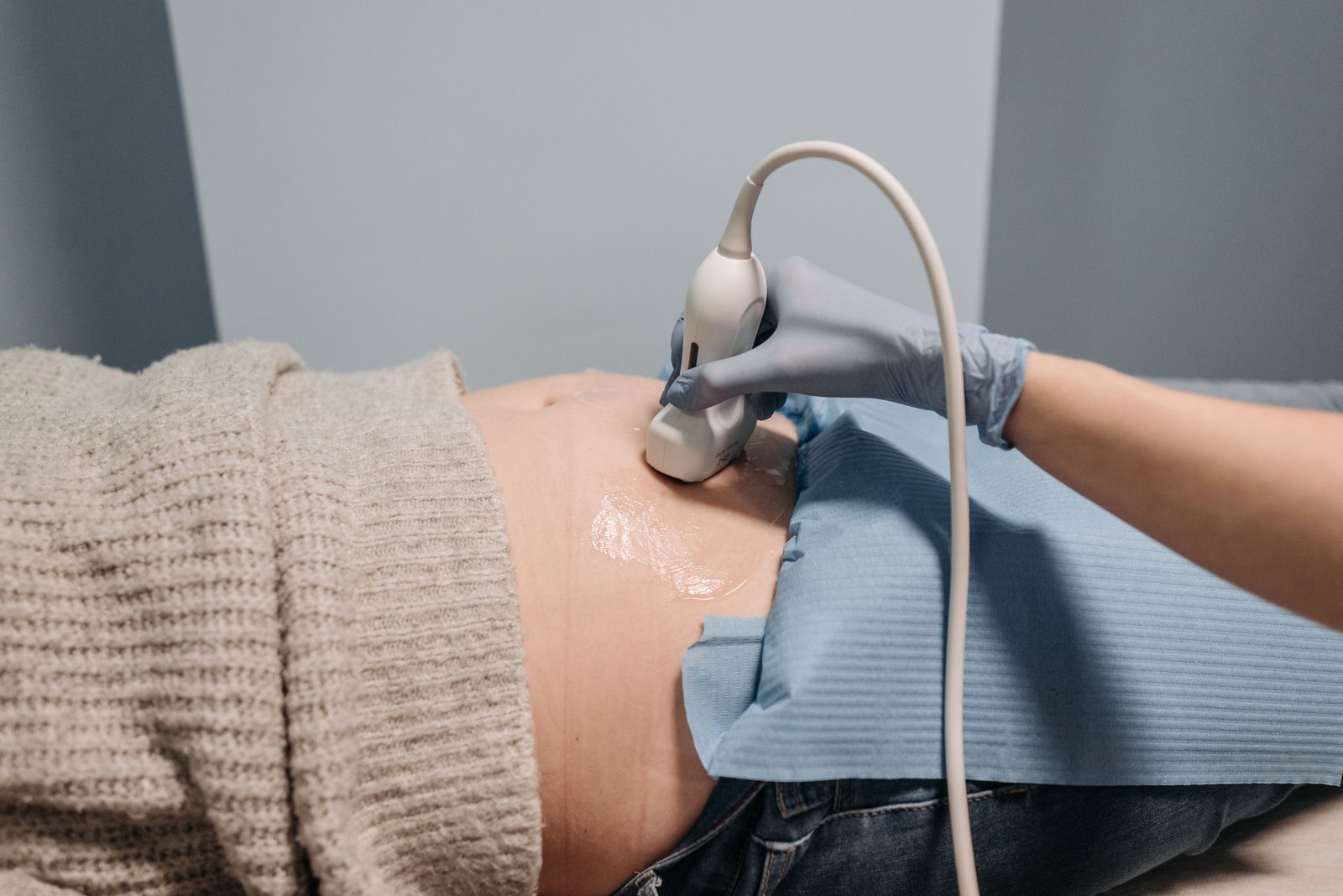
    An abdominal ultrasound being performed
    Monitoring is usually blood tests once or twice a year, with an ultrasound where liver cancer screening is indicated.

    For most people this is straightforward and does not disrupt life. Blood tests check liver enzymes and the amount of virus present. Where risk factors warrant it, an ultrasound is added to screen for liver cancer, because chronic hepatitis B raises that risk even when the liver is not scarred.

    That screening is the single strongest argument for staying in follow-up. Liver cancer found on a scheduled scan is a far more treatable problem than liver cancer found because symptoms appeared.

    Treatment, when it is needed

    Tablets in a blister pack
    Treatment is usually a single daily tablet, and it suppresses the virus rather than eliminating it.

    Where treatment is indicated it is usually one tablet daily, well tolerated, and taken long term. It suppresses the virus, allows the liver to recover, and substantially reduces the risk of cirrhosis and cancer.

    It is not a cure in the way that hepatitis C treatment is. Hepatitis C is now cured with a short course of tablets; hepatitis B is controlled rather than eliminated. Confusing the two is common and leads to real disappointment, so it is worth being clear which one you have.

    Never stop hepatitis B treatment on your own. Stopping abruptly can cause a flare of liver inflammation that is more dangerous than the untreated infection. Any change is planned and monitored.

    Protecting people around you

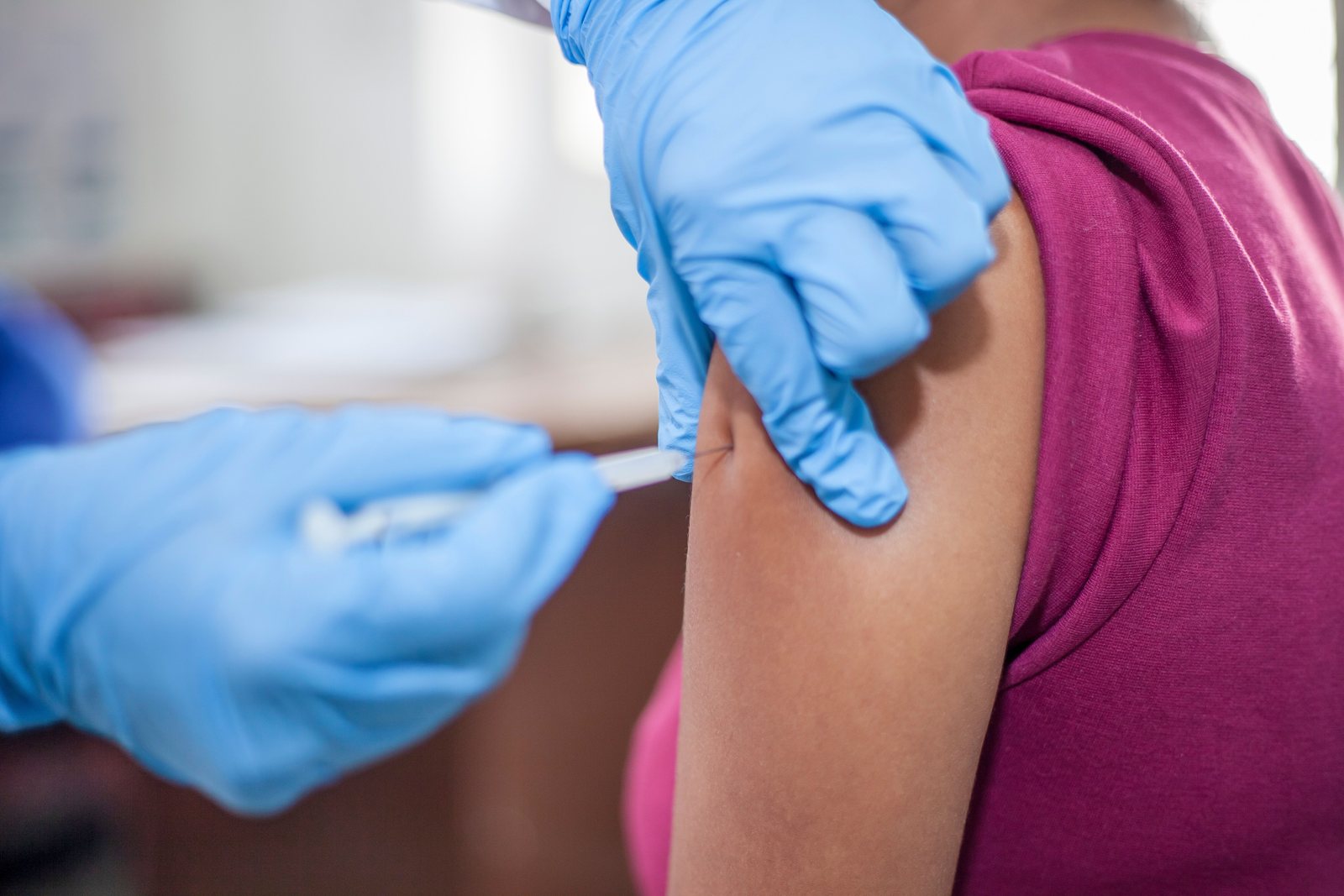
    An adult receiving a vaccination in the arm
    Vaccination protects household contacts completely, and is the single most useful thing to arrange after a diagnosis.

    Hepatitis B spreads through blood and body fluids, not through casual contact. You cannot pass it by sharing food, cooking, hugging, coughing or using the same bathroom.

    • Household members and sexual partners should be tested and vaccinated
    • The vaccine is highly effective and is part of the routine adult schedule, covered in our article on adult vaccines
    • Do not share razors, toothbrushes or nail clippers
    • Cover cuts, and clean blood spills with diluted household bleach
    • Tell any clinician doing a procedure, so nothing is missed
    • In pregnancy, treatment and infant vaccination prevent transmission at birth; see our article on infections and vaccines in pregnancy

    One more point worth raising with any doctor who prescribes for you. If you have evidence of past or current hepatitis B and are given chemotherapy, a transplant, steroids or a biologic, the virus can reactivate. Preventive treatment is given alongside. The same conversation usually covers latent tuberculosis screening.

    Frequently asked questions

    Does a positive test mean I am infectious?

    Only if the surface antigen is positive, which indicates current infection. A positive antibody result on its own means immunity or past cleared infection, and carries no risk to anyone. Ask specifically which part of the panel was positive.

    Can hepatitis B be cured?

    Chronic hepatitis B is controlled rather than cured. Treatment suppresses the virus and protects the liver, and is usually long term. This differs from hepatitis C, which is cured with a short course, and the two are often confused.

    Why am I not being treated?

    Treatment is aimed at people whose infection is in an active phase causing liver inflammation. If yours is not, treating would add side effects without benefit. That is a considered decision, and it is why monitoring continues.

    Can I pass it to my children or by cooking for my family?

    No. It is not spread by food, utensils, hugging, coughing or shared bathrooms. It spreads through blood and body fluids. Household members should still be tested and vaccinated, which removes the risk entirely.

    Do I need to avoid alcohol completely?

    Alcohol adds injury to a liver already under strain, and the advice is to limit it substantially or avoid it. Where there is any liver scarring, avoiding it entirely is usually advised. Ask in the context of your own results.

    If you are working out what a result means or whether you need follow-up, our article on when to see an infectious disease specialist explains what that appointment covers. You can reach us through the contact page.

    Sources and further reading: Hepatitis B Foundation — What is hepatitis B?.

    This article is general health information, not medical advice, and it cannot account for your own history or medications. Discuss your situation with a qualified clinician before acting on anything you read here.

  • Adult Vaccines: Which Ones You Actually Need, and When

    Adult Vaccines: Which Ones You Actually Need, and When

    Childhood vaccination is organized, scheduled and chased up. Adult vaccination is largely left to the individual to remember, and most people have no idea what they are due or when they last had anything.

    The adult schedule is genuinely useful, and it is shorter than people expect. It is built around a small standing list, a few things that change with age, and a set of additions that depend on health conditions rather than on birthdays.

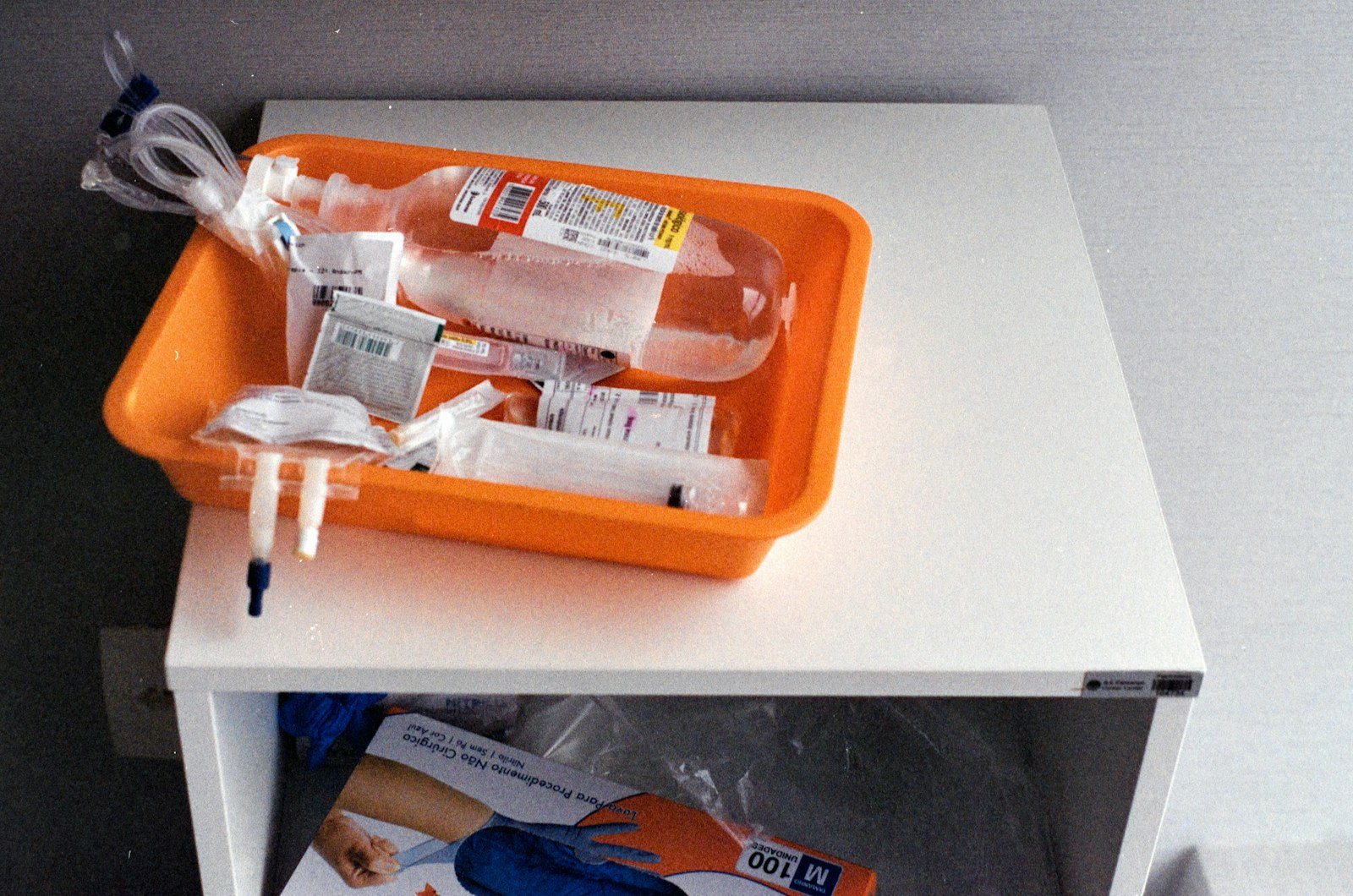
    Intravenous fluid bags and syringes on a tray
    The adult schedule is shorter than most people assume, and largely organized by age and health condition.

    How the adult schedule is organized

    Rather than memorizing a list, it helps to see the four reasons an adult vaccine is recommended. Almost everything fits one of them.

    Why any given adult vaccine is recommended
    ReasonWhat it coversExample
    Every yearProtection that does not lastInfluenza, each fall
    Periodic boosterProtection that fades over yearsTetanus and diphtheria, every ten years
    Age thresholdRisk that rises with ageShingles and pneumococcal vaccines
    Health condition or exposureRisk from a condition, job or travelHepatitis B, and travel vaccines

    One caution before any specifics. Adult recommendations are reviewed and changed regularly, and the age thresholds in particular have moved more than once in recent years. Treat what follows as the shape of the schedule rather than the final word, and confirm the current detail against the schedule linked at the end of this article or with your own clinician.

    The annual one

    Autumn leaves on a path
    Influenza vaccination is timed for the fall, before the season rather than during it.

    Influenza vaccine is recommended every year for essentially all adults. It is annual for two separate reasons: the circulating strains change, and the protection itself fades over a season.

    Timing matters more than people realize. Fall, before influenza is circulating widely, is the target. It takes about two weeks to take effect, and getting it in December after an outbreak has started gives away much of the benefit. Higher-dose formulations are available for older adults, whose response to the standard version is weaker.

    The one most adults are overdue for

    Tetanus, diphtheria and pertussis protection needs a booster every ten years, and this is the vaccine adults are most commonly behind on. Many people last had it in childhood.

    The pertussis component is the part that has changed. At least one adult booster should include it, because whooping cough remains in circulation and adults with a mild, lingering cough are a common source of infection in infants who are too young to be protected themselves.

    It is also the vaccine most likely to be needed at short notice, since a dirty wound or a bite requires a booster if it has been more than five years. Our article on bites and infection risk covers that shorter interval.

    In pregnancy, a pertussis-containing booster is recommended in every pregnancy, timed to pass protection to the baby. Our article on infections and vaccines in pregnancy covers the detail.

    What changes as you get older

    An older adult talking with a clinician
    Several vaccines are recommended by age threshold, and the thresholds have moved in recent years.
    • Shingles. Recommended from age fifty, given as two doses. Also recommended for younger adults with suppressed immunity. Our article on shingles, its pain and the vaccine explains why it matters beyond the rash
    • Pneumococcal. Recommended at an age threshold that has been lowered in recent years, and earlier for adults with chronic heart, lung, liver or kidney disease, diabetes, no spleen, or suppressed immunity. Relevant to anyone who has had pneumonia
    • RSV. Recommended for older adults, with a lower age threshold for those with chronic conditions
    • COVID-19. Recommendations are updated each season and are now largely organized around age and risk rather than applying uniformly

    The age thresholds for pneumococcal, RSV and COVID-19 vaccines have all been revised within the last few years. If you were told you were too young for one of these, that advice may no longer hold. It is worth asking again.

    The ones that depend on you, not your age

    A second group is recommended because of a health condition, a job, a living situation or travel, and these are the ones most often missed because nothing prompts them.

    • Hepatitis B — now recommended for all adults through middle age, and beyond that for anyone with diabetes, kidney disease, liver disease or specific risk factors
    • Hepatitis A — for liver disease, certain exposures and some travel
    • HPV — routine through the mid twenties, and a discussion worth having up to the mid forties
    • Meningococcal — for people without a spleen, certain immune conditions, some students and some travel
    • MMR and varicella — for adults with no evidence of immunity, though these are live vaccines and not given during pregnancy or with significant immune suppression
    • Travel vaccines — covered in our article on how far in advance to book travel vaccines

    If you take an immune-suppressing medication, or are being assessed for one, raise vaccination before starting rather than after. Live vaccines are generally avoided once immunity is suppressed, and the response to inactivated vaccines is better beforehand. The same conversation usually covers screening for latent tuberculosis.

    Finding out what you have already had

    A form being filled in on a clipboard
    Most adults underestimate what they have had, and the records usually exist somewhere.

    Almost nobody knows their full history, and the records are more findable than people assume. Georgia maintains a statewide immunization registry, and pharmacies keep records of everything they administer.

    • Ask your primary care office to check the state immunization registry
    • Ask any pharmacy where you have had a flu shot; they hold their own records
    • Employers, universities and the military often hold records for required vaccines
    • Blood testing can confirm immunity to hepatitis B, measles and chickenpox where records cannot be found
    • Where nothing can be established, it is safe to vaccinate rather than assume

    Once you have assembled it, keep a copy yourself. It is asked for on travel, before surgery, when starting immune-suppressing treatment, and at every new registration.

    Where to get them

    A pharmacy counter with staff assisting
    Pharmacies administer most routine adult vaccines without an appointment.

    Most routine adult vaccines are available at pharmacies without an appointment, and most are covered by insurance as preventive care. Vaccines tied to a specific condition are usually better arranged through the clinician managing that condition, who can sequence them around treatment.

    For travel, timing is the constraint rather than availability, and some schedules need weeks. Our travel medicine service handles that, and the practice page explains what else we cover.

    Frequently asked questions

    I have no idea what I have had. Where do I start?

    Ask your primary care office to check the state immunization registry, and any pharmacy where you have had a flu shot. Between them, most adults can reconstruct the majority of their history. Where a record cannot be found, revaccinating is safe.

    Is it harmful to have a vaccine I did not need?

    Generally not. Receiving an extra dose of most vaccines is not dangerous, and where records are missing that is usually the preferred approach rather than leaving someone unprotected on an assumption.

    Can I have more than one vaccine at the same visit?

    Yes, and it is routine. Multiple vaccines can be given at one appointment, usually in different arms. It does not reduce how well any of them work.

    Do I need a tetanus booster after every wound?

    Not every wound, but the interval is shorter for dirty wounds and bites, where a booster is given if it has been more than five years rather than the usual ten.

    I take medication that suppresses my immune system. Does that change things?

    Yes, in two ways. Live vaccines are generally avoided, and the response to other vaccines may be reduced. This is why vaccination is reviewed before starting such treatment wherever possible. Discuss the specific drug rather than assuming a general rule.

    Sources and further reading: Immunize.org — Vaccination schedules for patients.

    This article is general health information, not medical advice, and it cannot account for your own history or medications. Discuss your situation with a qualified clinician before acting on anything you read here.
  • Bites: Why the Smallest Ones Get Infected Most

    Bites: Why the Smallest Ones Get Infected Most

    A dog bite that tears the skin looks alarming and gets attention immediately. A cat bite leaves two small punctures that stop bleeding in a minute and look like nothing at all.

    The cat bite is the one far more likely to become infected. Understanding why explains most of what matters about bite wounds, and it is the opposite of what the appearance suggests.

    A small wound on a hand
    The wounds that look least dramatic are frequently the ones that carry bacteria deepest.

    Why bites infect so readily

    A bite is not a clean cut. It is an injection of mouth bacteria into tissue, delivered by teeth designed to puncture. The mouths of cats, dogs and humans all carry dense mixed populations of bacteria, and a bite deposits them below the skin where the immune system has more difficulty reaching them.

    The shape of the wound then decides what happens next. A wide laceration bleeds freely, washes itself out to some degree and can be cleaned thoroughly. A narrow puncture seals over within hours, trapping bacteria in a warm pocket with damaged tissue and no drainage. Cats have long, fine teeth, so they produce exactly the second kind.

    How the common bite types compare
    BiteTypical woundInfection riskParticular concern
    CatDeep, narrow puncturesHigh, often around halfReaches joints and tendon sheaths easily
    DogCrushing and tearingLower, roughly one in fiveTissue damage; force injuries in children
    HumanPuncture or lacerationHighKnuckle wounds from a punch are the worst kind
    Rodent or rabbitSmall punctureLowRarely needs antibiotics
    Wild mammalVariableVariableRabies assessment comes first

    The first hour

    Hands being washed under running water
    Prolonged irrigation with running water is the single most effective thing done to a bite wound, and it is done at home.

    What happens in the first hour has more influence on whether a bite becomes infected than anything prescribed later. The main intervention is unglamorous: water, and a lot of it.

    1. Let it bleed briefly. Bleeding flushes the wound; do not rush to stop it
    2. Wash under running water for a full five minutes, longer than feels necessary
    3. Use soap around the wound; irrigate the wound itself thoroughly with water
    4. Apply pressure with a clean cloth if bleeding continues
    5. Cover with a clean dry dressing, but do not tape a puncture wound tightly closed
    6. Raise the area above heart level, which limits swelling considerably
    7. Write down the time of the bite, and what bit you

    Do not use hydrogen peroxide, alcohol or iodine inside a puncture wound. They damage the tissue trying to heal without reliably reaching the bacteria that are already deep. Running water in quantity does more good.

    Cat bites, and the hand

    A cat sitting indoors
    A cat bite to the hand is the combination that most often ends in a same-day clinic visit.

    Cat bites are the highest risk of the common ones, and cat bites to the hand are higher still. The hand has very little soft tissue between skin and the structures beneath, so a puncture that looks superficial can seed a joint or a tendon sheath directly.

    A tendon sheath infection is a surgical problem, not an antibiotic problem, and it can cost permanent function if it is left. The warning combination is a finger that is swollen along its whole length, held slightly bent, painful to straighten, and tender along the tendon rather than just at the puncture.

    Any cat bite over a joint or on the hand should be assessed the same day, even if it looks trivial and even if you feel completely well. This is the single most common bite scenario that turns into a serious problem.

    Human bites, and the injury nobody reports

    Human bites carry an infection risk comparable to cat bites. The most important is not a bite in the ordinary sense at all: it is the wound made when a closed fist strikes someone in the mouth and a tooth splits the skin over a knuckle.

    That injury reaches the joint capsule almost by definition. When the hand relaxes afterwards, the tendon carries contamination back inside and the small skin wound closes over it. It is very often presented late, and sometimes described as something else, which is exactly why it goes wrong.

    Any wound over a knuckle following a punch needs same-day assessment. Saying plainly how it happened changes the treatment; a knuckle wound described as catching the hand on a door frame does not get the attention it needs.

    In the clinic

    A clinician dressing a wound on a patient hand
    Many bite wounds are deliberately left open, because closing them traps the problem inside.

    Assessment covers the wound, what is underneath it, and two questions that have nothing to do with bacteria: tetanus and rabies.

    • Irrigation and exploration. The wound is cleaned properly and checked for damage to tendon, nerve or joint, and for a retained tooth fragment
    • Closure. Many bites, especially punctures and hand wounds, are left open on purpose; closing them raises infection risk
    • Tetanus. A booster is given if it has been more than five years, which is a shorter interval than the usual ten for a dirty wound
    • Rabies. Assessed for bats and wild mammals, and for domestic animals whose vaccination status is unknown or that cannot be observed
    • Antibiotics. Prophylaxis is usual for cat bites, human bites, hand and face wounds, deep punctures, and anyone with reduced immunity

    The standard choice covers the mixed mouth bacteria involved, and it is a penicillin-class combination. If you carry a penicillin allergy label, say so early, and read our article on whether that label is accurate — the alternatives for bite wounds are noticeably less good, and most labels turn out to be wrong.

    People without a functioning spleen, on immune-suppressing treatment, or with poorly controlled diabetes are treated more cautiously across the board. A dog bite in someone without a spleen is a specific and urgent situation.

    When to be seen, and how quickly

    A person standing in a home kitchen
    Spreading redness, worsening pain or fever after a bite is a same-day problem, not a wait-and-see one.
    • Any cat bite, particularly to the hand, and any bite over a joint
    • Any wound over a knuckle after a punch
    • A bite from a bat, or any wild or unfamiliar animal
    • Bites to the face, hand, foot or genitals
    • Any bite in someone with diabetes, no spleen, or suppressed immunity
    • Deep wounds, wounds you cannot clean, or wounds that will not stop bleeding

    Return the same day if redness spreads, pain increases after the first day, the area becomes hot and swollen, fluid or pus appears, you develop fever, or you cannot move the part normally. Spreading redness after a bite is cellulitis, and treated bites can still become infected.

    Frequently asked questions

    The bite looks fine. Do I still need to be seen?

    For cat bites, hand wounds, knuckle injuries and bites in anyone with reduced immunity, yes. How a bite looks in the first hours predicts very little, and these are the wounds that infect after they have already closed over.

    My own pet bit me. Is that lower risk?

    The rabies question is usually simpler, because a vaccinated pet can be observed. The bacterial risk is exactly the same. A cat bite from your own cat carries the same odds as any other cat bite.

    When do I need a tetanus shot?

    If your last booster was more than five years ago. Bites count as dirty wounds, so the interval is shorter than the ten years that applies to routine boosters. Our article on adult vaccines covers where that fits in the schedule.

    Should the wound be stitched?

    Often not. Closing a bite can trap bacteria and raise infection risk, so many are left open deliberately, particularly punctures and hand wounds. Facial wounds are the usual exception, where appearance is weighed against the risk.

    How long until I know it is not infected?

    Most bite infections declare themselves within twenty four to seventy two hours. Pain that increases after the first day is the most useful early warning, because normal wound pain should be improving by then.

    For wounds that are slow to heal after the initial infection has settled, our article on why some wounds do not heal covers what gets in the way. You can reach the practice through the contact page.

    Sources and further reading: familydoctor.org (American Academy of Family Physicians) — Cat and dog bites.

    This article is general health information, not medical advice, and it cannot account for your own history or medications. Discuss your situation with a qualified clinician before acting on anything you read here.

  • Fungal Infections: The Ones That Go Beyond Skin and Nails

    Fungal Infections: The Ones That Go Beyond Skin and Nails

    Say fungal infection and most people picture athletes foot or a thickened toenail. That is the overwhelming majority, it is a nuisance rather than a danger, and it is treated from a pharmacy shelf or a short prescription.

    A much smaller group of fungal infections behaves nothing like that. They reach the lungs, the bloodstream or deeper tissue, they are treated for months rather than weeks, and they occur mainly in people whose immune defenses are down. Telling the two apart is the useful thing to understand.

    A culture plate held in a gloved hand
    Fungi grow slowly in the laboratory, which is one reason identifying them takes longer than identifying bacteria.

    Fungi are everywhere, and mostly harmless

    Fungi are their own kingdom of life, separate from bacteria and viruses. They live in soil, on decaying plant matter, in dust and on our own skin and mucous membranes. You inhale fungal spores constantly and it does not matter.

    That is the key to the whole subject. Exposure is universal; disease is not. What determines whether a fungus causes an infection is far more about the state of the person than the presence of the fungus.

    Two very different categories

    Superficial and invasive fungal infections compared
    SuperficialInvasive
    WhereSkin, nails, hair, mouth, vaginaLungs, blood, brain, deep organs
    Who gets itAnyoneMostly people with suppressed immunity
    How commonVeryUncommon
    Typical treatmentCream, or tablets for a few weeksTablets or infusions, months
    Seen byPrimary care or dermatologyInfectious disease, often with other specialists
    Serious?RarelyYes
    Bare feet on a bathroom floor
    Athletes foot and nail infections are the fungal infections nearly everyone means, and they are a different problem entirely.

    Thrush sits between the two. Oral or vaginal candida is common and easily treated in healthy people, but oral thrush appearing in an adult with no obvious cause is worth mentioning, because it occasionally points to something suppressing immunity that has not yet been identified.

    Where the serious ones come from

    Dry soil and dust outdoors
    Several important fungi live in soil and are inhaled when ground is disturbed.

    Some fungi are geographic. They live in the soil of particular regions, and infection follows disturbing that soil rather than contact with another person. None of these spread from person to person.

    • Histoplasma — soil enriched by bird or bat droppings, common through the Ohio and Mississippi River valleys and present in the Southeast
    • Blastomyces — damp soil and rotting wood, overlapping regions
    • Coccidioides, which causes Valley fever — dry soil of the Southwest and parts of California, and a common reason for illness after travel there
    • Cryptococcus — soil and bird droppings worldwide, mainly a problem in people with suppressed immunity
    • Aspergillus — ubiquitous mold in dust, compost and construction sites, inhaled by everyone and dangerous to few

    Most people who inhale these clear them without ever knowing. Histoplasma exposure in particular is so common in endemic areas that many residents have evidence of past infection and were never ill. Where it does cause disease, it often looks like a pneumonia that will not resolve, or like a fever with no obvious source.

    The one most likely to matter in Georgia

    Of that list, histoplasmosis is the one with the clearest local relevance. The organism is established across the Southeast, and the activities that stir it up are ordinary ones: clearing an old barn or shed, cutting down a tree, cleaning a chicken coop, disturbing an attic or a chimney where birds or bats have roosted, or working on a demolition site.

    In a healthy adult, the usual result of that exposure is either nothing at all or a flu-like illness for a week or two that never gets a name. Only a minority develop a pneumonia that lingers, and fewer still develop disease that spreads beyond the lungs.

    The reason it is worth knowing about is diagnostic rather than preventive. Someone presenting with weeks of fever, cough and fatigue after a weekend clearing an old building is a recognizable picture, but only if the exposure is mentioned. It rarely comes up unless the patient thinks to raise it, which is exactly why it belongs in the history you prepare.

    If you developed a persistent cough or fever in the weeks after disturbing old soil, a bird roost, a barn or a demolition site, mention it specifically. That detail is often what turns an unexplained illness into an identified one.

    Who actually gets invasive infection

    A patient sitting up in a hospital room
    Invasive fungal infection is largely a disease of suppressed immunity rather than of unusual exposure.
    • People having chemotherapy, particularly with low white cell counts, as covered in our article on infections during cancer treatment
    • Organ and stem cell transplant recipients on anti-rejection drugs
    • People on long-term steroids or TNF inhibitors
    • People with advanced or untreated HIV
    • Patients in intensive care with central lines and long antibiotic courses
    • People with structural lung disease such as emphysema or old cavities
    • People with poorly controlled diabetes, for certain specific infections

    If you take an immune-suppressing medication and develop a fever, a cough that will not clear, or new breathlessness, say which drug you are on at the first contact. It changes what is considered and how quickly.

    Why diagnosis takes time

    Fungi grow slowly. A bacterial culture often declares itself within a day or two; a fungal culture can take weeks, and treatment frequently has to begin before it is confirmed.

    To bridge that gap, other tests are used: antigen tests on blood or urine, antibody tests, and imaging patterns that suggest fungal disease. Each is helpful and none is perfect, which is why several are usually combined. A biopsy is sometimes the only way to settle it.

    Treatment, and why it runs long

    A pharmacy interior lined with shelves of medicine bottles
    Antifungal courses are measured in months, and interactions with other medications are a routine part of managing them.

    Superficial infections respond to topical treatment or a short course of tablets. Nail infections are the slow exception, needing months simply because the nail has to grow out.

    Invasive infections are treated for months, sometimes a year, and often begin with intravenous therapy before switching to tablets. Where that continues at home, our article on outpatient IV antibiotics describes how it works in practice.

    Two things make antifungal treatment distinctive. Drug interactions are extensive, because the azole antifungals affect the same liver pathway as many common drugs, including statins and some heart medications. And blood levels of the drug are often measured, which is unusual in ordinary antibiotic treatment but routine here.

    Frequently asked questions

    Are fungal infections contagious?

    Superficial ones can spread by direct contact or shared surfaces, which is why athletes foot passes around locker rooms. The serious invasive infections are not transmitted between people at all; they come from the environment.

    I was told I have a fungus in my lungs. How worried should I be?

    It depends heavily on which fungus, and on your immune system. Some findings represent old, healed exposure visible on a scan and need nothing. Others need months of treatment. The specific organism and your own risk factors decide it.

    Why is my nail treatment taking so long?

    The medication clears the fungus, but the damaged nail cannot repair itself and simply has to grow out. A toenail takes nine to twelve months to replace, so the nail looks abnormal long after treatment has worked.

    Can I prevent fungal infections if my immunity is low?

    Partly. Avoiding heavy dust exposure, gardening with disturbed soil, construction sites and compost helps. Some people are given preventive antifungal medication during the highest risk periods. Ask your team what applies to your situation rather than assuming.

    Do antibiotics cause fungal infections?

    They can encourage superficial ones. Antibiotics reduce the normal bacteria that keep candida in check, which is why thrush sometimes follows a course. That is a different problem from invasive fungal disease, and a reminder of why unnecessary antibiotics carry a cost.

    If a fungal infection has been raised and you are unsure how serious it is, our article on when to see an infectious disease specialist explains what the assessment covers.

    Sources and further reading: Merck Manual Consumer Version — Overview of fungal infections.

    This article is general health information, not medical advice, and it cannot account for your own history or medications. Discuss your situation with a qualified clinician before acting on anything you read here.

  • A Fever That Will Not Go Away: How It Gets Investigated

    A Fever That Will Not Go Away: How It Gets Investigated

    Most fevers explain themselves within a few days. You get a sore throat, a cough or a stomach upset, the fever tracks alongside it, and both settle.

    Occasionally a fever arrives without any of that, and then does not leave. Weeks pass, the first round of tests comes back normal, and nobody can yet say why. That situation has a name, a defined approach, and a better outlook than it feels like from inside.

    Handwritten notes in a notebook
    A written record of temperatures, times and symptoms is worth more to the investigation than any single reading.

    What counts as a prolonged fever

    Clinicians use a specific definition rather than a vague one, because it decides when the search changes gear. A fever of unknown origin means a temperature above about 101 degrees Fahrenheit on several separate occasions, lasting more than three weeks, with no diagnosis after an initial round of sensible investigation.

    All three parts matter. Three weeks rules out the ordinary viral illnesses that account for most fevers. Several occasions rules out a single misleading reading. And “after initial investigation” means the straightforward explanations have already been looked for and not found.

    A fever lasting a few days is not this. If you are a week into a fever with an obvious cause, that is an ordinary illness taking its course. This article is about the much smaller group where weeks pass without an answer.

    What it usually turns out to be

    The causes fall into a small number of groups, and the proportions have shifted over the decades as imaging and testing improved. Infections were once the overwhelming majority; they are now roughly a quarter.

    The categories a prolonged fever is worked through
    CategoryExamplesRoughly how often
    InfectionAbscess, endocarditis, tuberculosis, bone infectionAbout a quarter
    Inflammatory conditionsVasculitis, adult Still disease, connective tissue diseaseAbout a fifth
    CancerLymphoma, leukemia, kidney cancerRoughly one in six
    MedicationsDrug fever, which resolves on stopping the drugUnder one in ten, and often missed
    No cause foundSettles on its own without a diagnosisA third or more

    That last row is the one worth holding onto. In modern series, a substantial share of prolonged fevers never receive a label and resolve anyway. An undiagnosed fever that is settling is a good outcome, not an incomplete one.

    The history does more work than the tests

    A doctor talking with a patient
    Most diagnoses in prolonged fever come from something in the history, not from a test ordered blindly.

    This is the part patients tend to underestimate. In prolonged fever, the detail that cracks it is usually something the patient knows and has not been asked. It is worth preparing before the appointment rather than trying to recall it in the room.

    • Every country you have traveled to, and when, however long ago
    • Animals: pets, bites, tick exposure, farm or bird contact
    • Your work, and anything you are exposed to there
    • Every medication, including supplements, and exactly when each was started
    • Recent dental work, surgery, or any implanted device or prosthetic joint
    • Anyone at home or at work with tuberculosis, or a positive test in the past, as covered in our article on latent tuberculosis
    • Unpasteurized milk or cheese, undercooked meat, or well water
    • Family history of periodic fever or autoimmune disease

    The medication list deserves particular attention. Drug fever can begin days or weeks after a drug is started, produces no rash in most cases, and looks exactly like an infection. It is diagnosed by stopping the suspect drug and watching, and it is the most reversible cause on the list.

    How the investigation proceeds

    The workup is deliberately staged. Tests are not ordered all at once, because a scattergun approach produces incidental findings that send the search sideways.

    A technician working with sample tubes
    Blood cultures are taken before antibiotics wherever possible, because antibiotics given first can make the cause impossible to identify.
    1. Repeat the basics: blood counts, inflammatory markers, liver and kidney function, urine testing
    2. Blood cultures, ideally several sets taken before any antibiotic is given
    3. Targeted tests based on the history, not a standard panel
    4. Cross-sectional imaging of the chest, abdomen and pelvis
    5. Echocardiography if a heart valve infection is plausible
    6. Specialized imaging or biopsy of anything the earlier steps flagged

    If you are still being investigated, avoid starting antibiotics that have not been discussed with the team managing the workup. Antibiotics given speculatively can suppress a positive culture without curing anything, and remove the best chance of a definite answer.

    Imaging, and its limits

    Scan images displayed on a monitor
    Cross-sectional imaging finds many causes, but incidental findings are common and not every one is relevant.

    Imaging finds abscesses, enlarged lymph nodes and tumors that explain a fever. It also finds a great many things that are present in healthy people and have nothing to do with the fever, which is why results are read alongside the history rather than on their own.

    Where standard imaging is unrevealing and the fever persists, functional imaging such as a PET scan is sometimes used to point toward tissue worth sampling. It suggests where to look; it rarely gives the answer by itself.

    What you can do while it is being worked out

    A person resting at home
    Keeping a simple daily record turns a vague account into evidence the team can actually use.
    • Take your temperature at the same times each day and write it down with the time
    • Note anything alongside it: sweats, rash, joint pain, weight, appetite
    • Weigh yourself weekly, because documented weight loss changes the assessment
    • Photograph any rash when it appears, since rashes rarely last until the appointment
    • Bring the full medication list, including anything started and stopped
    • Use acetaminophen for comfort if advised, but record the temperature before you take it

    When it stops being a waiting game

    Prolonged fever is usually investigated at an outpatient pace. Some developments change that, and they are worth knowing in advance.

    • Confusion, severe drowsiness, or difficulty rousing
    • Breathlessness at rest, chest pain, or a fast heart rate that does not settle
    • A new rash that does not fade under pressure
    • A stiff neck with headache and light sensitivity
    • Any of the warning signs of sepsis

    Those are emergency department symptoms, not next-appointment symptoms. A fever that has been slowly investigated for weeks can still become urgent, and the previous weeks of normal results do not change that.

    Frequently asked questions

    Three weeks of fever and nothing found. Is something being missed?

    Usually not. A staged workup deliberately avoids ordering everything at once, and a third or more of prolonged fevers resolve without ever being labeled. If nothing new has been looked at for a while, it is reasonable to ask what the next step is and what would trigger it.

    Should I be on antibiotics while waiting?

    Not unless a specific infection is suspected and the team has decided to treat it. Speculative antibiotics can turn a diagnosable infection into an undiagnosable one by suppressing cultures without curing the underlying problem.

    Could one of my regular medications be causing this?

    Yes, and it is one of the more commonly missed causes. Drug fever can start weeks after a drug is begun and usually causes no rash. Bring the complete list, including over the counter medicines and supplements, with start dates.

    Does a high fever mean a more serious cause?

    Not reliably. How high the temperature goes correlates poorly with how serious the cause is. The pattern over time, the associated symptoms and the history are far more informative than the peak number.

    When should a specialist be involved?

    Reasonably early, once a fever has passed three weeks without explanation. An infectious disease assessment is largely about taking a very detailed history and sequencing tests sensibly, and that is more useful before the picture has been blurred by partial treatment.

    Our article on when to see an infectious disease specialist covers what that referral involves. You can reach us through the contact page.

    Sources and further reading: Harvard Health — Fever in adults: when to worry.

    This article is general health information, not medical advice, and it cannot account for your own history or medications. Discuss your situation with a qualified clinician before acting on anything you read here.

  • A Positive TB Test With No Symptoms: What Latent Tuberculosis Means

    A Positive TB Test With No Symptoms: What Latent Tuberculosis Means

    You had a tuberculosis test because a job, a school, an immigration application or a new medication required it. The test came back positive. You feel completely well.

    In almost every case, this means latent tuberculosis infection. It is not the same as tuberculosis disease, you are not infectious, and there is nothing you need to do tonight. It does need attention, and here is why.

    A blood pressure cuff being fitted to a patient arm in a clinic
    A positive test says the immune system has met the organism at some point. It does not say when, and it does not say you are sick.

    What latent means

    Tuberculosis bacteria are inhaled in small numbers, usually from prolonged close contact with someone who had untreated tuberculosis of the lungs. In most healthy people the immune system surrounds the bacteria and walls them off before they can cause illness.

    The bacteria are not killed. They sit dormant inside those walled-off pockets, doing nothing, sometimes for the rest of a persons life. The immune system holds the line, and the only trace is that a test can now detect the immune response.

    That is latent infection: organism present, disease absent. You have no symptoms, your chest X-ray is normal, and you cannot pass tuberculosis to anyone, including children and people living in your home.

    Latent and active are different conditions

    How latent infection differs from tuberculosis disease
    Latent infectionActive disease
    SymptomsNoneCough, fever, night sweats, weight loss
    Chest X-rayNormalUsually abnormal
    Contagious to othersNoYes, if in the lungs or airway
    Feels unwellNoUsually, and often for weeks
    Skin or blood testPositiveUsually positive
    TreatmentOne or two drugs, three to four monthsFour drugs, six months or longer
    UrgencyPlanned, over coming weeksImmediate

    The distinction matters because the tests cannot tell them apart. A positive skin or blood test is the beginning of the assessment, not the end of it. What separates the two is symptoms and a chest X-ray, which is why one is arranged before any treatment is offered.

    If you have a cough lasting more than three weeks, fever, drenching night sweats or unexplained weight loss alongside a positive test, say so before anything else. That combination is assessed for active disease first, and it is treated differently.

    The two tests, and why they disagree

    An anatomical model of the lungs
    A normal chest X-ray is what separates latent infection from disease in someone with no symptoms.

    There are two ways to test. The older is the skin test, where a small amount of protein is injected into the forearm and the raised area measured two to three days later. The newer is a blood test, which measures how your white cells respond to tuberculosis proteins in the tube.

    The blood test has one clear advantage. If you were given BCG vaccine as a child, which is routine in much of the world and not in the United States, the skin test can read positive purely because of the vaccine. The blood test is not affected by BCG, so it answers the question the skin test leaves open.

    • The skin test needs a second visit to be read; the blood test does not
    • BCG vaccination can cause a false positive skin test, sometimes decades later
    • Neither test distinguishes latent infection from active disease
    • Neither test tells you when you were exposed
    • A positive result does not become negative after treatment, so repeat testing is not used to check that treatment worked

    Who is tested, and who should be

    Testing is targeted rather than universal, because testing people at very low risk produces more false positives than real ones. Screening is aimed at people more likely to have been exposed, or more likely to become unwell if they were.

    Blood sample tubes in a laboratory rack
    Testing is aimed at people with a real chance of exposure, or a real risk of reactivation.
    • People born in, or who lived in, countries where tuberculosis is common
    • Close contacts of someone diagnosed with active tuberculosis
    • Healthcare workers, and people who live or work in congregate settings
    • Anyone about to start a TNF inhibitor or similar immune-suppressing biologic
    • People with HIV, as covered in our article on HIV prevention and care
    • People on dialysis, awaiting transplant, or on long-term steroids
    • People having treatment for cancer that suppresses immunity

    Why it is worth treating

    Roughly five to ten percent of people with latent infection will develop active tuberculosis at some point, and most of that risk falls in the first two years after exposure. Ninety percent will never become unwell.
    Those odds change sharply if immunity drops. Starting a TNF inhibitor for rheumatoid arthritis or inflammatory bowel disease, beginning chemotherapy, receiving a transplant, or having untreated HIV all raise reactivation risk substantially. This is why rheumatologists and transplant teams screen before starting these drugs rather than after.

    Treating latent infection removes most of that future risk. It is the one point in the whole course of tuberculosis where a short, straightforward treatment prevents a long, difficult one.

    What treatment involves

    Tablets in a weekly pill organizer
    Modern regimens are far shorter than the nine months of daily tablets that older guidance described.
    Treatment has become considerably shorter. The nine-month daily course many people have heard about is no longer the usual first choice. Current preferred regimens run three to four months, and shorter courses are completed far more often than long ones.

    Regimens in common use for latent infection
    RegimenHow longHow often
    Isoniazid and rifapentine3 monthsOnce weekly, 12 doses
    Rifampin alone4 monthsDaily
    Isoniazid and rifampin3 monthsDaily
    Isoniazid alone6 to 9 monthsDaily

    Which one you are offered depends on your other medications, your liver, whether you are or may become pregnant, and what the strain is likely to be sensitive to. Rifampin in particular interacts with a long list of drugs, including hormonal contraception and some HIV medications, so the full list of what you take matters.

    Liver blood tests are checked at the start, and repeated during treatment if you have risk factors. Report nausea that does not settle, abdominal pain, dark urine or yellowing of the eyes rather than waiting for the next appointment.

    Finishing it

    A calendar with dates marked
    Completion is what determines whether treatment works, and short regimens are completed far more reliably than long ones.

    The single thing that determines whether treatment protects you is finishing it. A partial course gives partial protection, and stopping early is the most common reason treatment fails to do its job.

    Your positive test will stay positive afterwards. That is expected and is not a sign that treatment did not work. Ask for a written record of what you took and for how long, because you will be asked about that positive test again, and the record saves you repeating the whole assessment.

    Frequently asked questions

    Am I contagious?

    No. Latent infection cannot be passed to anyone. You do not need to isolate, wear a mask, use separate dishes or keep away from children. Only active tuberculosis of the lungs or airway is contagious.

    I had the BCG vaccine. Does that explain my positive test?

    It might explain a positive skin test, and BCG can affect that test for decades. It does not explain a positive blood test, which is not influenced by BCG. If you had BCG and a positive skin test, ask whether the blood test would settle the question.

    Do I have to be treated?

    It is a recommendation rather than an obligation, and the balance depends on you. For someone about to start an immune-suppressing drug, treatment is strongly advised. For someone older with liver disease and no risk factors, the balance can go the other way. It is a decision worth discussing rather than defaulting.

    Will this show up on future tests?

    Yes. Once positive, the skin and blood tests generally stay positive for life, treated or not. Keep a written record of your result, your normal chest X-ray and any treatment you completed, so future screening does not start from the beginning.

    Can I drink alcohol during treatment?

    The drugs used are processed by the liver, and alcohol adds to that load. Most clinicians advise limiting alcohol substantially during the course, and avoiding it entirely if your liver tests are abnormal. Ask specifically, because the answer depends on your regimen.

    If you are weighing up screening, treatment or a positive result from an occupational check, our article on when to see an infectious disease specialist explains what that appointment covers. Our practice information is on the our practice page.

    Sources and further reading: National Jewish Health — Tuberculosis (TB).

    This article is general health information, not medical advice, and it cannot account for your own history or medications. Discuss your situation with a qualified clinician before acting on anything you read here.