

Skip to content

Author: Alexandra W. Dretler

  • Infections That Keep Coming Back

    Infections That Keep Coming Back

    Four courses of antibiotics in a year, and somebody says the word “immune system.” It is a reasonable thought and it is usually the wrong one. Most recurrent infection has a mechanical, local or behavioral explanation long before it has an immunological one.

    That is worth knowing in both directions. It prevents an unnecessary and anxious work-up in most people, and it stops the small number with a genuine immune problem being told for years that they are simply unlucky.

    The ordinary explanations, which come first

    Before anything is tested, the question is whether there is a reason at the site itself.

    • Was it the same infection each time, or different ones? Recurrent infection at one site points somewhere quite different from infections all over.
    • Is something structural? Obstruction, a stone, a stricture, a catheter; see catheters and urinary infections
    • Is it actually recurrence, or relapse? An inadequately treated infection that returns is a different problem; see how long antibiotic courses run
    • Is it really infection at all? Several non-infectious conditions get treated repeatedly as infection
    • Is there an obvious risk factor? Diabetes, smoking, a biologic, or immune-suppressing treatment
    • Is there a reservoir? Sinuses, teeth, a collection, or a device

    Our articles on recurrent urinary infections, sinus infections and cellulitis cover the three commonest sites, each of which has its own set of local explanations.

    The patterns that do suggest something more
    Used blister packs on a wooden surface
    What matters is not the number of infections but their character: where, how severe, and with what organism.
    What shifts the question toward the immune system
    FeatureReassuring patternWorth investigating
    SiteSame site each timeDifferent sites, repeatedly
    SeverityOrdinary, outpatientNeeding hospital or intravenous treatment
    OrganismUsual organismsUnusual ones, or ones that rarely cause disease
    ResponseClears with standard treatmentNeeds prolonged or repeated courses to clear
    Other featuresOtherwise wellPoor growth in childhood, weight loss, chronic diarrhea
    Family historyNoneRelatives with similar problems or early deaths

    That third row does more work than the first. An unusual organism in an otherwise healthy adult raises the question far faster than a larger number of ordinary infections does. Our article on culture and sensitivity results explains why knowing the organism is worth the wait.

    What an immune work-up actually involves
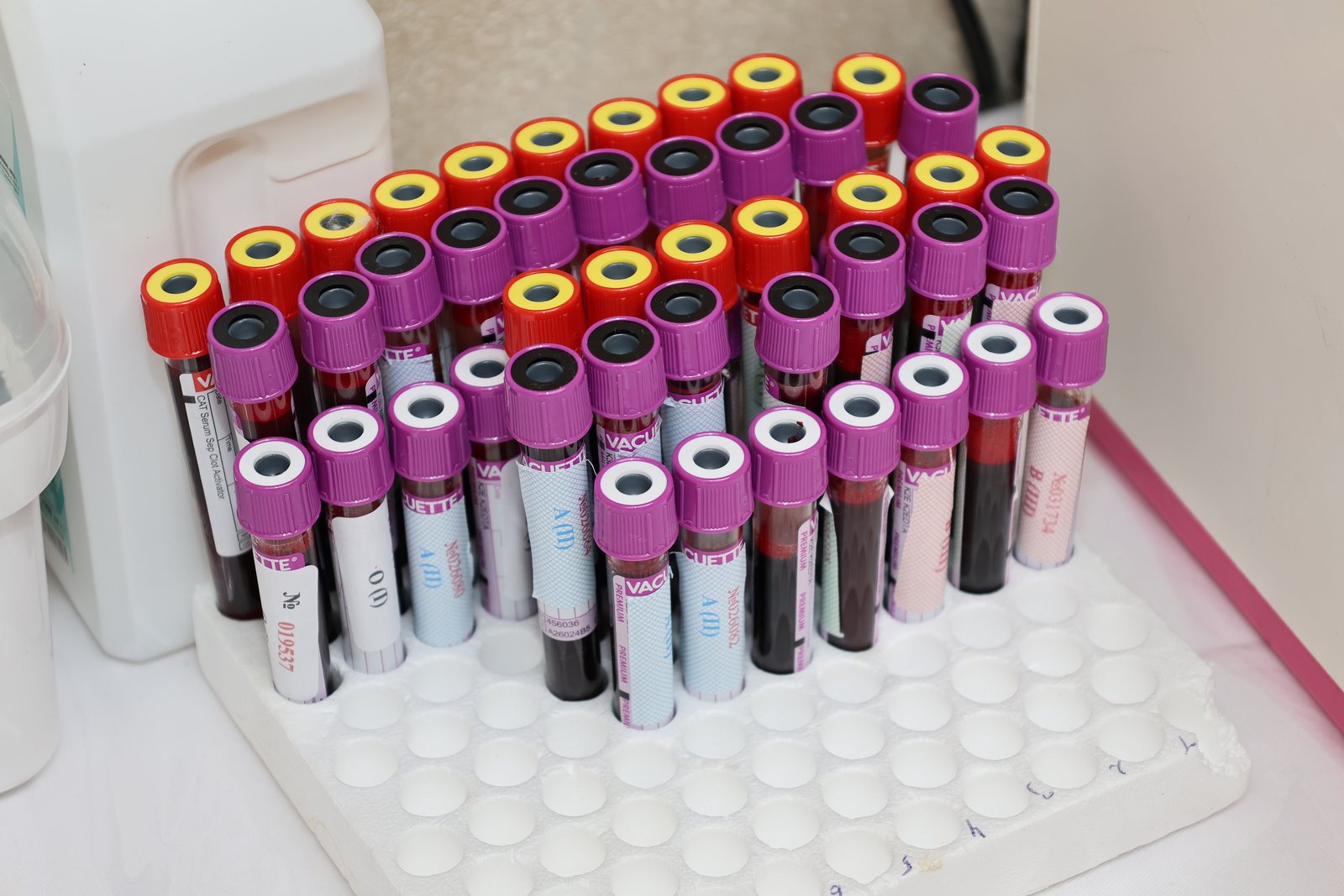
    Rows of blood sample vials in a laboratory
    The first round of tests is simpler and cheaper than most people expect.
    1. A full blood count with differential, which alone detects several problems
    2. Immunoglobulin levels — IgG, IgA and IgM
    3. Antibody responses to vaccines you have already received, which tests function rather than quantity
    4. Complement testing, in specific patterns of infection
    5. HIV testing, which is part of any such work-up; see HIV treatment today
    6. Tests for secondary causes — diabetes, kidney and liver disease, medications
    7. Specialist immunology referral where the first round is abnormal

    Note the third item. Measuring how much antibody someone has is less informative than measuring whether it works, which is why vaccine response testing is a standard part of the assessment rather than an exotic extra.

    The ten warning signs, and what they are for

    Several organizations publish a list of warning signs for immune deficiency, aimed at prompting a work-up rather than at making a diagnosis. They are worth knowing because they describe the pattern rather than the count.

    • Recurrent infections needing antibiotics several times a year
    • Two or more serious sinus infections in a year
    • Two or more episodes of pneumonia in a year
    • Infections that clear only with prolonged or intravenous antibiotics
    • Deep skin or organ abscesses, occurring repeatedly
    • Persistent thrush in the mouth or on the skin beyond infancy
    • Infection with organisms that rarely cause disease in healthy people
    • A family history of immune deficiency

    Meeting one of these is not a diagnosis and does not mean something is wrong. It means the question is reasonable to ask, which is a much lower bar and a much more useful one.

    Secondary causes are commoner than inherited ones

    When an immune problem is found in an adult, it is far more often acquired than born with. The common causes are unglamorous and mostly treatable or modifiable.

    • Medications — steroids, biologics, chemotherapy, some anti-seizure drugs
    • Diabetes, particularly when control is poor
    • Kidney or liver disease, and protein loss from either
    • HIV, which remains under-diagnosed
    • Blood cancers, particularly those affecting the antibody-producing cells
    • Malnutrition, alcohol excess and smoking
    • Absence of a working spleen

    Primary immunodeficiency — the inherited kind — does occur in adults and is under-recognized, particularly the antibody deficiencies that present in the twenties and thirties with recurrent chest and sinus infections. It is uncommon, but it is not rare enough to ignore in the right pattern.

    Children are a separate matter and are outside the scope of this article. Frequent coughs and colds in a young child in daycare are usually normal, and the warning signs used in childhood differ from those used in adults. Anyone worried about a child should raise it with their pediatrician rather than reading across from this.

    What to bring to the appointment

    This is a question answered largely by history, and the history is usually scattered across several places. Gathering it in advance shortens the process considerably.

    1. A list of every infection you can recall, with rough dates and the site
    2. Which antibiotics were used each time, and whether they worked
    3. Any culture results you have, which name the organism; see culture and sensitivity results
    4. Hospital admissions, and any intravenous treatment
    5. Your full medication list, including anything immune-suppressing; see antibiotics and your other medicines
    6. Vaccination history, which matters for the response testing
    7. Family history of recurrent infection or early unexplained death

    Our article on what happens at an infectious disease consultation covers the appointment itself.

    What treatment looks like if something is found
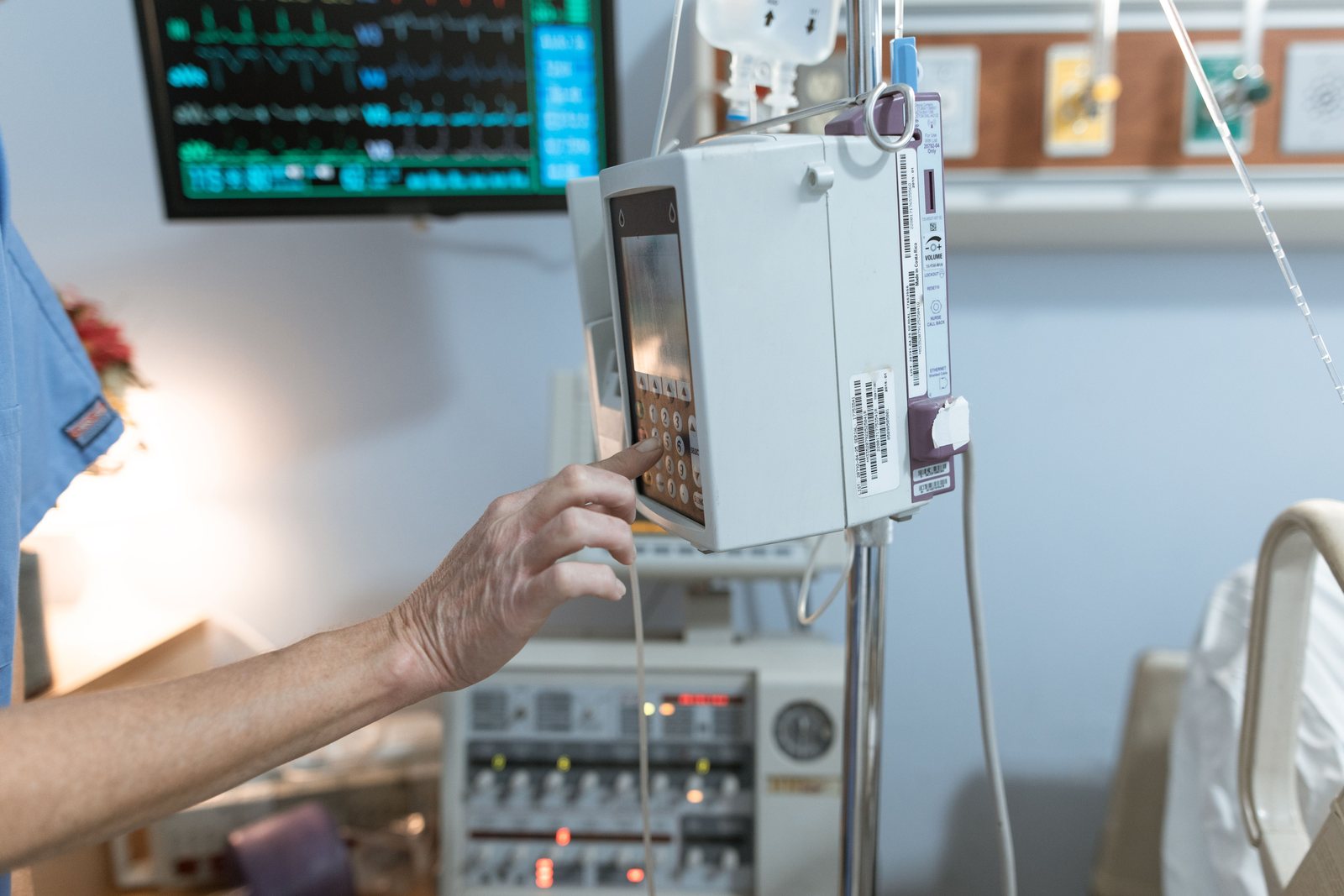
    A healthcare worker operating an infusion pump
    Where antibody production is deficient, regular immunoglobulin replacement is the mainstay and is given by infusion.
    • Treating the secondary cause, where there is one
    • Immunoglobulin replacement for antibody deficiency, by drip or under the skin; see what an infusion appointment involves
    • Preventive antibiotics in selected situations
    • Vaccination strategy adjusted to what does and does not work; see vaccines when your immune system is suppressed
    • Prompt treatment of infections rather than watchful waiting
    • Regular review, because the picture changes over time

    And if the work-up is normal, that is a result rather than a failure. It moves the question back to the local and mechanical explanations, which is where the answer usually is. Our article on when to see an infectious disease specialist covers when to raise it, and you can reach us through the contact page.

    Frequently asked questions

    How many infections a year is too many?

    There is no single number. The character matters more: infections at different sites, needing hospital treatment, caused by unusual organisms, or clearing only with prolonged courses. Several ordinary colds are not a warning sign.

    Does a normal blood count rule out an immune problem?

    No, but it is a useful start and detects several problems on its own. Immunoglobulin levels and vaccine response testing add the next layer.

    Are inherited immune problems only diagnosed in children?

    No. Antibody deficiencies in particular are frequently diagnosed in adults, often after years of recurrent chest and sinus infections, and are under-recognized.

    Could my medication be the cause?

    Quite possibly. Steroids, biologics, chemotherapy and several other drugs suppress immunity, and acquired causes are far commoner than inherited ones in adults.

    What if all the tests are normal?

    That is a useful result. It returns attention to local and mechanical explanations, which is where the answer usually lies for recurrent infection at a single site.

    Sources and further reading: Immune Deficiency Foundation — What is primary immunodeficiency?.

    This article is general health information, not medical advice, and it cannot account for your own history or medications. Discuss your situation with a qualified clinician before acting on anything you read here.


  • Joint Pain That Starts After an Infection

    Joint Pain That Starts After an Infection

    A few weeks after a bout of food poisoning or a urinary infection, a knee swells. Then an ankle. The original illness is long over, nothing grows on any test, and antibiotics make no difference at all.

    This is reactive arthritis: joint inflammation triggered by an infection elsewhere, rather than infection of the joint itself. The distinction sounds academic and it governs the entire treatment.

    Triggered, not infected

    In septic arthritis, bacteria are inside the joint and it is an emergency. In reactive arthritis, the joint is sterile — the immune system, having responded to an infection somewhere else, goes on reacting in the joints afterwards.

    That is why joint fluid grows nothing, why antibiotics do not help the arthritis, and why the treatment is anti-inflammatory rather than antimicrobial.

    Two very different things that both cause a swollen joint
    Septic arthritisReactive arthritis
    OnsetHours to a couple of daysOne to four weeks after an infection
    Joints involvedUsually oneOften several, asymmetric, lower limb
    FeverUsually, often highMild or absent
    Joint fluidBacteria presentInflammatory but sterile
    UrgencyEmergency — same dayPrompt assessment, not an emergency
    TreatmentDrainage and antibioticsAnti-inflammatories; not antibiotics

    A single hot, swollen, very painful joint with fever is septic arthritis until proven otherwise, and it needs assessment the same day. Do not use this article to talk yourself out of that. Our article on bone and joint infections covers it.

    Which infections trigger it

    • Gut infections — campylobacter, salmonella, shigella, yersinia; see norovirus and food poisoning for the acute illness
    • Chlamydia, which is the commonest genitourinary trigger; see what a full STI panel covers
    • Occasionally other urinary or respiratory infections
    • Rarely, following certain vaccinations — far less often than claimed
    • In many cases no trigger is ever identified, which does not change the diagnosis

    The original infection is often mild and sometimes passes unnoticed, which is why the connection is missed. A gut upset three weeks before a swollen knee rarely feels related to the person experiencing it.

    What it looks like beyond the joints

    A close view of a human eye
    Eye inflammation accompanies reactive arthritis often enough that new eye redness with joint pain should be assessed rather than watched.

    Reactive arthritis is not only a joint condition, and the associated features are often what makes the diagnosis.

    • Red, painful or light-sensitive eyes, which need assessment; our article on pink eye covers the ordinary causes that this is not
    • Pain where tendons attach to bone — the heel is classic
    • A whole finger or toe swollen rather than one joint
    • Lower back and buttock pain from inflammation of the sacroiliac joints
    • Skin changes on the palms or soles, and nail changes
    • Mouth ulcers, which are usually painless
    • Urinary symptoms without infection
    Two hands resting flat on a surface
    Large joints of the lower limb are most often affected, in an asymmetric pattern.

    Who gets it

    Reactive arthritis is uncommon after any single infection — a small percentage of people who have the triggering illness — and a few things shift the odds.

    • Age twenty to forty is the usual range, though it occurs outside it
    • Men and women are affected in similar numbers after gut infections; genitourinary triggers are reported more often in men
    • Carrying the HLA-B27 gene makes it more likely and more likely to be severe
    • A previous episode makes another more likely
    • The severity of the original infection does not predict it well
    • Family history of related conditions, including ankylosing spondylitis and psoriasis

    None of this is worth testing for in advance. It matters because it explains why one person in a household affected by the same food poisoning develops joint pain and nobody else does.

    How it is diagnosed, and why the tests are mostly negative

    There is no test that confirms reactive arthritis. It is a clinical diagnosis made by recognizing the pattern and excluding the things it resembles.

    1. Joint aspiration where a joint is hot and swollen, principally to exclude infection
    2. Inflammatory markers, usually raised; see what CRP and ESR mean
    3. Tests for the triggering infection — stool, urine or chlamydia testing
    4. Tests to exclude other causes, including gout and rheumatoid arthritis
    5. HLA-B27, which is associated but neither confirms nor excludes
    6. Imaging, which is often normal early on

    Patients frequently find the run of negative results unsettling, as though nothing has been found. In this condition the negatives are the finding.

    One question comes up repeatedly and deserves a direct answer: whether this is the start of a lifelong arthritis. For most people it is not. The majority of cases resolve and do not return, and even among those who have a second episode, most do not go on to a chronic condition. The minority who do are identified over months rather than at the first appointment, which is frustrating and is the honest position.

    Living with it while it settles

    The months before it resolves are the hard part, and a few practical things make a measurable difference.

    • Keep moving within the limits of the pain; immobility stiffens joints faster than the arthritis does
    • Use anti-inflammatories regularly rather than occasionally, if they are suitable for you
    • Ask about physiotherapy early rather than after months of guarding the joint
    • Report new eye symptoms the same day rather than waiting for the next appointment
    • Expect fluctuation; a bad week does not mean the condition is progressing
    • Tell any clinician treating you that this followed an infection, because the connection is easily lost between departments

    Treatment and what to expect

    Anti-inflammatory drugs are the mainstay, sometimes with steroid injection into a badly affected joint. Where the trigger was chlamydia, that infection is treated — for its own sake and for partners, not because it will resolve the arthritis.

    A person walking along a path through a green field
    Most people recover fully within three to six months, and keeping moving matters more than resting.
    • Most cases settle within three to six months
    • A minority run longer, and a small proportion become chronic
    • Recurrence happens, sometimes after another infection
    • Gentle continued movement preserves function better than rest
    • Persistent cases are managed by rheumatology, sometimes with a biologic
    • Treating the trigger promptly may reduce the chance of it happening at all

    If joint pain follows an infection and nobody has connected the two, saying so can shorten the process considerably. Our article on what happens at an infectious disease consultation covers how that history gets taken, and you can reach us through the contact page.

    Frequently asked questions

    Will antibiotics clear it up?

    No. The joint is not infected, so antibiotics do nothing for the arthritis. If the trigger was chlamydia, that is treated for its own sake and to protect partners, but the joint symptoms follow their own course.

    How long does it last?

    Most people improve within three to six months. A minority take longer, and a small proportion develop a chronic arthritis that needs ongoing rheumatology care.

    Is it the same as septic arthritis?

    No, and the difference matters urgently. Septic arthritis means bacteria inside the joint and is an emergency. A single hot swollen joint with fever should be assessed the same day regardless of any recent infection.

    Why are all my tests negative?

    Because there is no positive test for it. The diagnosis rests on the pattern and on excluding other causes, so a run of negative results is consistent with it rather than evidence against it.

    Can it come back?

    Yes, sometimes after another infection. Treating gut and genitourinary infections promptly is the main thing that may reduce the chance.

    Sources and further reading: National Institute of Arthritis and Musculoskeletal and Skin Diseases — Reactive arthritis.

    This article is general health information, not medical advice, and it cannot account for your own history or medications. Discuss your situation with a qualified clinician before acting on anything you read here.

  • H. pylori: The Bacterium Behind Most Stomach Ulcers

    H. pylori: The Bacterium Behind Most Stomach Ulcers

    Helicobacter pylori is the most successful bacterial colonizer of human beings. Something close to half the world carries it in the stomach, most people acquire it in childhood, and the overwhelming majority never know and never suffer for it.

    It is also the cause of most stomach and duodenal ulcers, and a recognized risk factor for stomach cancer. Those two facts sit together uncomfortably, and they explain why it is treated when it is found rather than watched.

    It is unusual among the infections covered on this site in that most carriers need nothing at all, which puts it closer to latent tuberculosis than to an acute illness: a dormant finding, treated because of what it might do rather than because of how it feels.

    What it does, and to whom

    The bacterium survives in the stomach by neutralising acid immediately around itself and burrowing into the mucus lining. That provokes inflammation, which in most people causes nothing detectable for a lifetime.

    What happens to people who carry it
    OutcomeRoughly how oftenWhat it means
    Nothing at allThe large majorityNo symptoms, no consequence
    Chronic gastritisVery common, often silentInflammation without symptoms
    Peptic ulcerAround one in ten carriersPain, sometimes bleeding; curable by eradication
    Stomach cancerA small minorityThe reason eradication is recommended when found
    MALT lymphomaRareCan sometimes resolve with eradication alone

    That fourth row carries most of the weight in the decision to treat. The individual risk is low; the population effect is large enough that eradication is recommended for everyone found to carry it.

    Who gets tested

    Testing is not universal, which surprises people. It is directed at those in whom finding it would change something.

    • Anyone with a current or previous peptic ulcer
    • Persistent indigestion, particularly under sixty and without alarm features
    • People starting long-term aspirin or anti-inflammatory drugs, in some guidance
    • Anyone with a first-degree relative who has had stomach cancer
    • Unexplained iron deficiency anemia, once other causes are excluded
    • Certain blood disorders, notably immune thrombocytopenia
    • Following treatment, to confirm it worked

    Difficulty swallowing, vomiting, unintentional weight loss, black or bloody stools, or new indigestion over the age of sixty are alarm features. Those need prompt assessment and usually endoscopy rather than a breath test.

    How people get it, and whether the household needs testing

    Transmission is person to person, mostly within households and mostly in childhood, by the oral and fecal-oral routes. Crowded living conditions and poor sanitation in early life raise the likelihood considerably, which is why prevalence varies so much between countries and generations.

    Family members are not routinely tested when one person is found to carry it. The exception is a household where someone has had stomach cancer, where testing relatives is reasonable. Otherwise the usual guidance is to test people who have a reason to be tested, not everyone who lives with them.

    Reinfection after successful treatment is uncommon in adults in countries like the United States — a few percent per year at most. A positive test years later more often means the original treatment failed than that it was caught again, which is part of why confirming eradication matters.

    How it is tested for

    Medical equipment with digital displays in a clinical room
    Endoscopy is used where the stomach lining itself needs to be seen, rather than for the infection alone.
    • Urea breath test — accurate, non-invasive, and the usual choice
    • Stool antigen test — equally reasonable, and often more practical
    • Endoscopy with biopsy — where the lining needs examining, or where resistance testing is wanted
    • Blood antibody tests — largely abandoned, because they stay positive after successful treatment and cannot distinguish past from present

    One practical trap: acid-suppressing medication and recent antibiotics both make the breath and stool tests falsely negative. Proton pump inhibitors are usually stopped two weeks before, and antibiotics four weeks before.

    What it is not

    H. pylori is blamed for a good deal it does not cause, partly because it is easy to test for and partly because a positive result feels like an answer.

    • It is not the cause of most indigestion; functional dyspepsia is commoner and eradication helps only a minority
    • It is not a cause of reflux, and treating it does not improve heartburn
    • It does not cause the vague fatigue and bloating it is sometimes blamed for
    • It is not a reason to avoid particular foods; diet does not eradicate it
    • It is not transmitted casually between adults in the way a respiratory virus is
    • A positive test in someone with an unrelated problem does not explain that problem

    Where indigestion persists after successful eradication, the answer usually lies elsewhere, and continuing to look at the stomach is not always the right move. That is a conversation worth having explicitly rather than by repeated testing.

    Treatment: several medicines at once, for a reason

    Several blister packs of tablets and capsules
    Treatment is typically three or four medicines taken together for fourteen days.

    Eradication requires combination therapy — usually two antibiotics plus an acid-suppressing drug, sometimes with bismuth, for fourteen days. It is a lot of tablets and it is not negotiable down to one or two: single agents fail almost completely.

    Resistance has made this harder than it used to be. Clarithromycin resistance in particular has risen to the point that the old standard regimen fails often enough to have been displaced in much guidance. Our article on antibiotic resistance explains the mechanism, and how long antibiotic courses run explains why the fourteen days matter.

    • Take every dose; partial treatment is the main driver of failure, for the reasons in our article on how long antibiotic courses run
    • Expect side effects — a metallic taste, nausea, loose stools are all common
    • Avoid alcohol entirely if the regimen includes metronidazole; see antibiotics and your other medicines
    • Tell the prescriber every antibiotic you have taken in recent years, because previous exposure guides the choice
    • Check interactions, particularly with other medicines; see antibiotics and your other medicines
    • Do not stop early because you feel better; there is nothing to feel

    The retest, which is the part most often skipped

    A person eating a bowl of soup
    Confirming eradication matters more here than in most infections, because failure is common and silent.

    Treatment fails in a meaningful proportion of people, and because most carriers have no symptoms, failure is invisible. Confirming eradication is therefore standard: a breath or stool test at least four weeks after finishing antibiotics, and at least two weeks after stopping acid suppression.

    Diarrhea during the course is common and is usually a nuisance rather than a problem, but severe or bloody diarrhea needs reporting; our article on C. difficile after antibiotics covers why.

    If the first course fails, a second is chosen using different antibiotics rather than repeating the same ones. Repeated failure is where a gastroenterology or infectious disease opinion is genuinely useful, and where testing the organism for resistance starts to be worth doing.

    You can reach us through the contact page.

    Frequently asked questions

    If most people with it are fine, why treat it?

    Because when it is found, eradication cures most ulcers and reduces stomach cancer risk. The individual risk is low but real, and treatment is short and usually effective. That is different from screening everybody.

    Why so many tablets?

    Because single antibiotics fail almost completely against it. Combination therapy — two antibiotics plus acid suppression, sometimes with bismuth — is what achieves eradication, and fourteen days works better than shorter courses.

    Do I need an endoscopy?

    Not usually. A breath or stool test is sufficient for most people. Endoscopy is used when the stomach lining needs examining, which includes anyone with alarm features.

    Why must I stop my acid medication before the test?

    Because it suppresses the bacterium enough to produce a false negative. Proton pump inhibitors are usually stopped two weeks beforehand and recent antibiotics four weeks.

    Do I really need the follow-up test?

    Yes. Treatment fails in a meaningful minority and failure causes no symptoms, so the only way to know is to test. It is done at least four weeks after finishing.

    Sources and further reading: American Gastroenterological Association — Management of refractory Helicobacter pylori infection.

    This article is general health information, not medical advice, and it cannot account for your own history or medications. Discuss your situation with a qualified clinician before acting on anything you read here.

  • Catheters and Urinary Infections: What Actually Helps

    Catheters and Urinary Infections: What Actually Helps

    A urinary catheter is the single largest risk factor for urinary infection in healthcare, and the risk is not subtle: it accumulates for every day the catheter stays in. After a month, bacteria are present in the urine of essentially everyone with a catheter.

    That last sentence sounds alarming and is the key to the whole subject. Bacteria in the urine of someone with a catheter is expected. It is not, on its own, an infection, and treating it as one causes more harm than it prevents.

    Why a catheter changes everything

    A catheter provides a direct route from outside the body to the bladder, and a surface for bacteria to form a biofilm on — the same phenomenon described in our article on infection after a joint replacement. It also stops the bladder emptying and refilling in the way that normally flushes organisms out.

    The consequence is that colonization is universal over time and cannot be prevented by anything you do at home. What can be influenced is whether it turns into illness, and how long the catheter stays in at all.

    Bacteria in the bag versus an infection

    What is expected, and what is not
    ColonizationInfection
    Bacteria presentYesYes
    Cloudy or smelly urineCommon, and not a reason to treatMay or may not be present
    FeverNoOften
    New pain or discomfortNoSuprapubic or flank pain
    New confusionNot from thisPossible, especially in older adults
    What should happenNothing; no antibioticsAssessment, and usually a catheter change

    Cloudy or strong-smelling urine in a catheter bag is not by itself a reason for antibiotics. It is one of the commonest reasons unnecessary antibiotics are given, and our article on infections in older adults covers the same trap in people without catheters.

    The reason this matters is not pedantry. Treating colonization exposes someone to C. difficile, drug reactions and resistance, and it selects for organisms that are harder to treat when a real infection eventually happens.

    Why this matters more in older adults

    Catheters are commonest in exactly the group where the consequences of getting this wrong are greatest. An older adult with a catheter may develop confusion during a genuine infection, and may equally be confused for reasons that have nothing to do with the urine.

    Our article on infections in older adults covers the central point: confusion alone, with bacteria in the urine, is not sufficient evidence of urinary infection, and treating on that basis is one of the commonest sources of unnecessary antibiotics in older people. The question to ask is whether anything else has changed — fever, new pain, a change in the urine output rather than its appearance.

    What actually reduces infection

    Sterile medical supplies in sealed packaging
    The measures that work are about the catheter itself rather than about anything added to it.
    1. Not having one. The most effective intervention by a wide margin is removing the catheter as soon as it is not needed, and asking regularly whether it still is.
    2. Hand hygiene before and after handling the catheter or bag, every time, by everyone.
    3. Keeping the bag below the bladder and never resting it on the floor, so urine cannot flow back.
    4. Keeping the system closed — not disconnecting it unless there is a reason.
    5. Securing the tube so it does not pull, which causes trauma and lets organisms in.
    6. Routine daily washing of the area with soap and water, which is sufficient.

    What does not help, despite being widely recommended

    • Cranberry products, which have not been shown to prevent catheter-associated infection
    • Antiseptics in the bag or antibiotic bladder washouts, which do not reduce infection and do breed resistance
    • Routine catheter changes on a schedule, in the absence of a reason, for most people
    • Antibiotics at catheter change, other than in specific situations
    • Antibiotics because the urine looks or smells unpleasant
    • Routine urine testing when the person is well, which finds bacteria that then get treated unnecessarily
    A glass of water on a wooden table
    Fluids are worth encouraging for general reasons; the evidence that they prevent catheter infection specifically is weak.

    One more distinction is worth making. A catheter that has been in for a long time will almost always grow something if the urine is cultured, so a culture is worth sending when there is a clinical reason and not otherwise. Where infection is suspected, the recommended practice is to change the catheter and take the sample from the new one, because a sample drawn through an old biofilm-coated tube tells you about the tube rather than about the bladder. Our article on culture and sensitivity results explains why the sample governs what the report can mean.

    Types, and the questions worth asking

    Not all catheters are the same, and the alternatives are worth raising rather than assuming the current arrangement is fixed.

    • Indwelling urethral — the usual type, and the one with the highest infection risk over time
    • Suprapubic — through the abdominal wall, often more comfortable long term and easier to manage
    • Intermittent self-catheterization — draining several times a day rather than leaving a tube in, which carries substantially less infection risk for people who can manage it
    • External or sheath devices, for men, which avoid entering the bladder at all

    Intermittent catheterization is the one most worth asking about. It is more effort day to day and it removes the permanent foreign body, which is where most of the infection risk comes from.

    When to call

    A phone and a notebook on a desk
    Knowing in advance who to call, and what counts as a reason, saves a great deal of uncertainty.
    • Fever, shivering or feeling generally unwell
    • New pain in the lower abdomen or the side
    • New confusion or a change in behavior in an older adult
    • The catheter not draining, or leaking around it
    • Blood in the urine that is new or increasing
    • Any of the warning signs of sepsis
    • The catheter coming out, which needs prompt advice rather than panic

    A catheter blocking is a common and treatable problem rather than an emergency in itself, but it needs attention the same day, because a blocked catheter causes pain and can precipitate infection.

    If urinary infections keep recurring around a catheter, or a resistant organism has been found, a specialist review can help sort out what is worth treating and what is not. Our articles on recurrent urinary infections and kidney infection cover the situation without a catheter, and you can reach us through the contact page.

    Frequently asked questions

    The urine is cloudy and smells. Do we need antibiotics?

    Usually not. Cloudy, strong-smelling urine is expected with a catheter and is not by itself an infection. Fever, new pain or new confusion are what change the answer.

    Should the catheter be changed on a schedule?

    For most people, no — changes are made for a reason, such as blockage, rather than by the calendar. Some individuals with recurrent blockage do have planned changes.

    Does cranberry juice help?

    Not for catheter-associated infection. The evidence is weak even for uncatheterized recurrent urinary infection, and it is weaker here.

    Why did they test the urine and then not treat it?

    Because finding bacteria in catheter urine is expected and does not mean illness. Treating it exposes the person to side effects and resistance without benefit, which is why routine testing of a well person is discouraged.

    What is the single best thing we can do?

    Get the catheter out as soon as it is no longer needed, and keep asking whether it still is. Nothing else comes close.

    Sources and further reading: National Association For Continence — Catheters.

    This article is general health information, not medical advice, and it cannot account for your own history or medications. Discuss your situation with a qualified clinician before acting on anything you read here.

  • When Back Pain Turns Out to Be an Infection

    When Back Pain Turns Out to Be an Infection

    Back pain is so common that almost nothing about it is alarming. Four in five adults have it at some point, the great majority of episodes settle, and treating every case as potentially sinister would be both wrong and unkind.

    Spinal infection is the rare exception, and it is missed for weeks or months with depressing regularity — not because it is hard to detect, but because it is not looked for. The features that should prompt looking are specific and worth knowing.

    How an infection reaches the spine

    Usually through the bloodstream. Bacteria from a skin infection, a urinary infection, a dental abscess, an infected line or an injection settle in the spine, where the blood supply to the vertebrae and the discs between them makes a hospitable landing site.

    Less often it follows spinal surgery or an injection directly into the spine. Our articles on surgical site infection and dental infections that spread cover two of the sources.

    What separates it from ordinary back pain

    A bedside lamp lit in a dark bedroom
    Pain that wakes you from sleep, rather than pain that makes it hard to get comfortable, is the feature clinicians take most seriously.
    Mechanical back pain, and the pattern that is not
    Ordinary back painWorth investigating
    What eases itRest, position, timeNothing reliably
    At nightUsually better lying downWakes you, or is worse at night
    Over weeksImprovingSteadily worsening
    FeverAbsentPresent, or came and went
    TendernessDiffuse, muscularFocal — one spot that hurts to press
    Recent historyLifting, a twist, nothingInfection elsewhere, surgery, a line, or injecting drugs
    Neurological signsNoneWeakness, numbness, bladder or bowel change

    New weakness in the legs, numbness around the groin, or loss of bladder or bowel control is an emergency whatever the cause. That combination needs the emergency department the same hour, not an appointment.

    Fever is present in only about half of spinal infections, which is the single most common reason they are dismissed. Its absence proves nothing.

    Where in the spine, and what that changes

    Most spinal infections settle in the lower back, some in the mid-back, and a minority in the neck. Location matters because it determines what is at risk if the infection expands.

    • The lumbar spine is the commonest site and the least immediately dangerous
    • Thoracic infection sits where the spinal canal is narrowest, so pressure develops sooner
    • Cervical infection is uncommon and the most urgent of the three
    • An epidural abscess — pus in the space around the cord — is the complication that turns this into an emergency
    • More than one level is affected in a significant minority, which is one reason the whole spine is often imaged rather than one region

    Who is more likely to get one

    • Diabetes, which is the commonest associated condition
    • Injecting drug use
    • Recent bloodstream infection, or infected heart valve
    • Dialysis, or a long-term intravenous line; see outpatient IV antibiotics
    • Immune suppression, including a biologic or steroids
    • Recent spinal surgery or spinal injection
    • Older age, and existing spinal degeneration

    That said, a meaningful minority of cases occur in people with none of these, which is why the pattern of the pain matters more than the risk profile.

    How it is confirmed

    A clinician reviewing scan images on a screen
    MRI is the test that answers the question; blood tests support it rather than settle it.
    1. Inflammatory markers, which are raised in most cases; see what CRP and ESR mean
    2. Blood cultures, which identify the organism in roughly half of cases
    3. MRI of the affected region, which is the definitive test
    4. Plain X-rays, which are often normal for the first two to four weeks
    5. A biopsy of the disc or bone where blood cultures are negative
    6. A search for the source — heart valve, urine, skin, teeth

    As with bone infection in the foot, getting a sample before antibiotics start matters enormously. Our article on culture and sensitivity results explains why a culture taken after treatment has begun so often grows nothing.

    What it is mistaken for

    Before the diagnosis is made, most people have been given one of a short list of other explanations, all of them reasonable at the time.

    • A disc problem, which is by far the commonest initial assessment
    • Muscular strain, particularly where there was a lifting incident to blame it on
    • Sciatica, where pain radiates down a leg
    • A compression fracture in an older person with osteoporosis
    • Cancer spread to the spine, which produces a similar pattern and needs the same imaging
    • In people who inject drugs, dismissal of the pain altogether, which is a recognized and serious failure

    The point is not that those diagnoses are careless. It is that each of them should improve or at least change over a few weeks, and pain that does neither deserves a second look rather than a repeat prescription.

    Treatment, and the length of it

    Most spinal infections are treated with antibiotics rather than surgery — typically six weeks or more, usually intravenous at first. The reasons are the ones set out in our article on why some courses run for weeks: bone is poorly penetrated, and the infection sits where the blood supply is limited.

    Surgery is needed where there is pressure on the spinal cord or nerves, where the spine has become unstable, where a collection needs draining, or where antibiotics are not working. It is a minority of cases rather than the default.

    A clinician with a patient in a rehabilitation room
    Recovery usually involves a period of rehabilitation, and back pain often outlasts the infection itself.

    Recovery is slow. Pain typically improves over months rather than weeks, some people are left with residual stiffness or deformity, and inflammatory markers are followed as part of deciding when treatment can stop. Our article on recovering after a serious infection covers the wider picture.

    Follow-up continues after the antibiotics stop. Inflammatory markers are rechecked, imaging is often repeated at intervals, and relapse — while uncommon — happens often enough that a return of the original pain is taken seriously rather than assumed to be mechanical.

    Why the delay happens, and what shortens it

    The average delay between symptoms and diagnosis is measured in weeks to months. It happens because back pain is common, because fever is often absent, and because plain X-rays are normal early — which is falsely reassuring to everyone involved.

    • Say clearly if the pain wakes you from sleep
    • Say if you have had any infection, procedure or line in the past few months
    • Say if there has been fever at any point, even briefly
    • Ask whether inflammatory markers have been checked if the pain is not settling
    • Ask about MRI rather than a repeat X-ray where the picture is not typical
    • Return sooner rather than later if pain is worsening rather than easing

    If back pain is not behaving the way back pain usually does, that is worth saying out loud. Our article on when to see an infectious disease specialist covers when an infection opinion helps, and you can reach us through the contact page.

    Frequently asked questions

    How common is spinal infection?

    Rare — a small fraction of a percent of back pain. That rarity is exactly why it is missed: the base rate is so low that it is not considered unless something about the pattern prompts it.

    Can you have a spinal infection without a fever?

    Yes, and it is common. Fever is present in roughly half of cases. Its absence is one of the main reasons diagnosis is delayed, so it should not be treated as reassuring.

    Will an X-ray show it?

    Often not for the first few weeks. Plain films lag well behind the disease, and a normal X-ray early on does not exclude infection. MRI is the test that answers the question.

    Does it always need surgery?

    No. Most cases are treated with antibiotics alone, usually for six weeks or more. Surgery is for pressure on the nerves, instability, a collection needing drainage, or failure of antibiotic treatment.

    How long does recovery take?

    Longer than the antibiotics. Pain usually improves over months rather than weeks, and some stiffness can persist. Rehabilitation is part of it rather than an afterthought.

    Sources and further reading: American Association of Neurological Surgeons — Spinal infections.

    This article is general health information, not medical advice, and it cannot account for your own history or medications. Discuss your situation with a qualified clinician before acting on anything you read here.
  • Infections You Can Catch From Pets, and the Ones You Cannot

    Infections You Can Catch From Pets, and the Ones You Cannot

    People are told to get rid of the cat far more often than the evidence supports. The advice usually arrives at a pregnancy or a cancer diagnosis, it is well meant, and it is almost always unnecessary.

    Infections do pass between pets and people. The list is shorter than the anxiety suggests, the routes are specific, and nearly all of them are managed by handling rather than by rehoming.

    The ones that are actually transmitted

    What passes from pets to people, and how
    InfectionFromHow it actually reaches you
    ToxoplasmosisCats, but mostly foodCat feces after 24 hours, soil, and undercooked meat
    Cat scratch diseaseCats, via their fleasA scratch or bite from an infected cat
    SalmonellaReptiles, amphibians, poultry, chicksHandling the animal or anything in its enclosure
    RingwormCats, dogs, rodentsDirect contact with the coat or skin
    Campylobacter and giardiaPuppies and kittens with diarrheaContact with feces, usually via hands
    PsittacosisBirds, especially parrotsBreathing dust from droppings in an enclosed space
    Bite infectionsCats and dogsThe bite itself; see animal and human bites

    The first row is the one that causes the most unnecessary distress. Most human toxoplasmosis in the United States comes from undercooked meat and unwashed produce, not from cats — and an indoor cat fed commercial food is a negligible source.

    The toxoplasmosis conversation, properly

    A cat sitting in a litter tray
    The specific risk is the litter tray, and it only becomes infectious after about a day.

    A cat sheds the parasite for a short period after a first infection, usually early in life, and the shed form is not infectious for roughly the first day. That single fact is what makes daily litter changing effective.

    • Have someone else change the litter tray if you are pregnant or immunosuppressed
    • If that is not possible, change it daily, wear gloves, and wash your hands after
    • Keep cats indoors and feed commercial food rather than raw meat
    • Wear gloves for gardening, since outdoor soil is a more likely source
    • Cook meat to a measured temperature and wash produce; see food safety when your immune system is weak
    • Do not adopt a new stray kitten during pregnancy or immune suppression

    Nothing on that list is rehoming the cat. Pregnancy and immune suppression change how the litter tray is handled, not whether you can keep a pet.

    Scratches, bites and the flea connection

    A close view of a cat's paw
    Cat scratch disease is carried by fleas rather than by cats themselves, which makes flea control the effective prevention.

    Cat scratch disease produces a small bump at the site and swollen lymph nodes a week or two later. In healthy people it usually settles by itself; in immunosuppressed people it can be more serious and is treated.

    Cat bites are a different matter and are covered in our article on animal and human bites. They infect more often than dog bites because the teeth are narrow and deep, and a cat bite over a joint or tendon is a same-day problem.

    Reptiles, amphibians and birds

    A pet bearded dragon in a terrarium
    Reptiles and amphibians carry salmonella as a normal part of their gut flora — healthy animals included.

    This is the one genuine reason to reconsider a pet rather than a habit. Reptiles, amphibians, chicks and ducklings carry salmonella routinely, and it is on their skin and everything in the enclosure rather than only in their droppings.

    • Not recommended in households with children under five, adults over 65, or anyone immunosuppressed
    • Wash hands thoroughly after any contact with the animal or its enclosure
    • Never clean a tank in the kitchen sink, or in the bath
    • Keep the animal out of food preparation areas entirely
    • Do not kiss or hold reptiles near your face
    • Birds: clean cages in a ventilated space and dampen droppings first to avoid dust

    Choosing a pet while immunosuppressed

    Getting a new animal is a different question from keeping an existing one, and it is reasonable to be more careful about it.

    • An adult animal from a known home carries less risk than a young stray
    • Kittens and puppies shed more organisms and are more likely to scratch and nip
    • Avoid animals with diarrhea entirely until a vet has dealt with it
    • Keep the animal current on veterinary care, deworming and flea control
    • Feed commercial food rather than raw diets, which carry salmonella into the house
    • Tell your veterinarian that someone in the household is immunosuppressed; it changes their advice too

    Dogs, specifically

    Dogs generate less of this anxiety than cats and deserve a short mention of their own. The realistic risks are bites, which are covered in our article on animal and human bites, diarrheal organisms from puppies, and ringworm.

    The one genuinely dog-specific caution is licking. A bacterium carried in dog saliva can cause severe infection in people without a working spleen or with significant liver disease — rare, but serious enough that those groups are advised to avoid letting dogs lick broken skin, and to seek care promptly after any bite.

    Fish tanks, farms and the unusual ones

    Two exposures come up rarely and are worth a line each, because neither is obvious.

    Aquarium water can carry an organism that causes a slowly growing skin infection on the hands and forearms, typically after a scratch while cleaning a tank. It is easily missed for months because it looks like an ordinary lump and does not respond to ordinary antibiotics. Wearing gloves prevents it; mentioning the aquarium is what gets it diagnosed.

    Farm animal contact, including petting zoos and county fairs, is a recognized source of E. coli and cryptosporidium, particularly in children. Hand washing stations exist at those events for a reason and hand sanitizer is not an adequate substitute against cryptosporidium.

    What pets do not transmit

    Some of the most common worries are simply not how these infections work.

    • MRSA passes in both directions between people and pets, but people are usually the source
    • Colds and flu are not caught from dogs or cats
    • Lyme disease is not caught from a dog; the dog can bring ticks indoors, which is a different problem — see tick bites in Georgia
    • Worms from pets are uncommon in adults with basic hygiene, and routine deworming handles most of it
    • HIV and hepatitis are not transmitted by pets in any direction

    Pets also do measurable good for the people who live with them, which belongs in the calculation. If you are immunosuppressed and worried about a specific animal or a specific exposure, that is a much better question to bring to an appointment than a general one. Our article on what happens at an infectious disease consultation covers how to raise it, and you can reach us through the contact page.

    Frequently asked questions

    Do I have to give up my cat if I am pregnant?

    No. The standard advice is to have someone else change the litter tray, or to change it daily with gloves and wash your hands. Most toxoplasmosis in the US comes from undercooked meat rather than from cats.

    What about if I am immunosuppressed?

    The same handling changes apply, with more attention to scratches, bites and flea control. Reptiles, amphibians and baby poultry are the animals genuinely worth avoiding.

    Is cat scratch disease serious?

    In healthy people it usually resolves on its own over weeks. In immunosuppressed people it can be more serious and is treated. Flea control on the cat is the effective prevention, since fleas carry the bacterium.

    Are reptiles really that risky?

    They carry salmonella as normal gut flora, including healthy animals, and it is on their skin and enclosure. They are not recommended for households with young children, older adults, or anyone immunosuppressed.

    Can my dog give me Lyme disease?

    Not directly. A dog can carry ticks into the house, and those ticks can bite you, which is a reason for tick control on the dog rather than a reason to worry about the dog itself.

    Sources and further reading: Cornell University College of Veterinary Medicine — Zoonotic disease: what can I catch from my cat?.

    This article is general health information, not medical advice, and it cannot account for your own history or medications. Discuss your situation with a qualified clinician before acting on anything you read here.
  • When a Dental Infection Stops Being a Dental Problem

    When a Dental Infection Stops Being a Dental Problem

    A tooth infection is a dental problem right up until the moment it is not. The transition is uncommon, it is fast when it happens, and it is one of the few infections where the anatomy genuinely explains the danger.

    The spaces around the jaw connect to the neck, and the neck connects to the chest. An infection that finds those planes can travel a long way in a day.

    Why a tooth can do this at all

    An abscess at the root of a tooth is under pressure in a rigid space. It takes the path of least resistance — usually outward, forming a visible gum swelling that drains and settles. Occasionally it goes the other way, into the soft tissue planes of the floor of the mouth, the cheek, or the neck.

    Those planes are continuous. There is no barrier between the floor of the mouth and the tissues of the neck, which is why a lower molar infection is watched more carefully than an upper one.

    The signs that it is no longer local

    A person holding their cheek in discomfort
    Ordinary toothache is miserable and localized; the warning signs are about swelling and function rather than pain.
    Ordinary toothache, and the pattern that is not
    Usually a dental problemNeeds urgent assessment
    PainLocalized to one toothSpreading across the jaw or into the neck
    SwellingSmall, at the gumFace, under the jaw, or in the neck
    Opening the mouthNormalRestricted — a significant warning sign
    SwallowingNormalPainful, or difficult
    VoiceNormalMuffled or altered
    TemperatureNormalFever, chills, feeling generally unwell
    BreathingNormalAny difficulty — this is an emergency

    Difficulty breathing, difficulty swallowing, a muffled voice, an inability to open the mouth, or swelling spreading under the jaw or down the neck are emergency department symptoms, not dental appointment symptoms. Go the same hour, not the same week.

    Swelling that crosses the midline under the jaw, or that pushes the tongue upward, is the specific picture clinicians are trained to fear, because it can compromise the airway quickly.

    What happens at the dentist

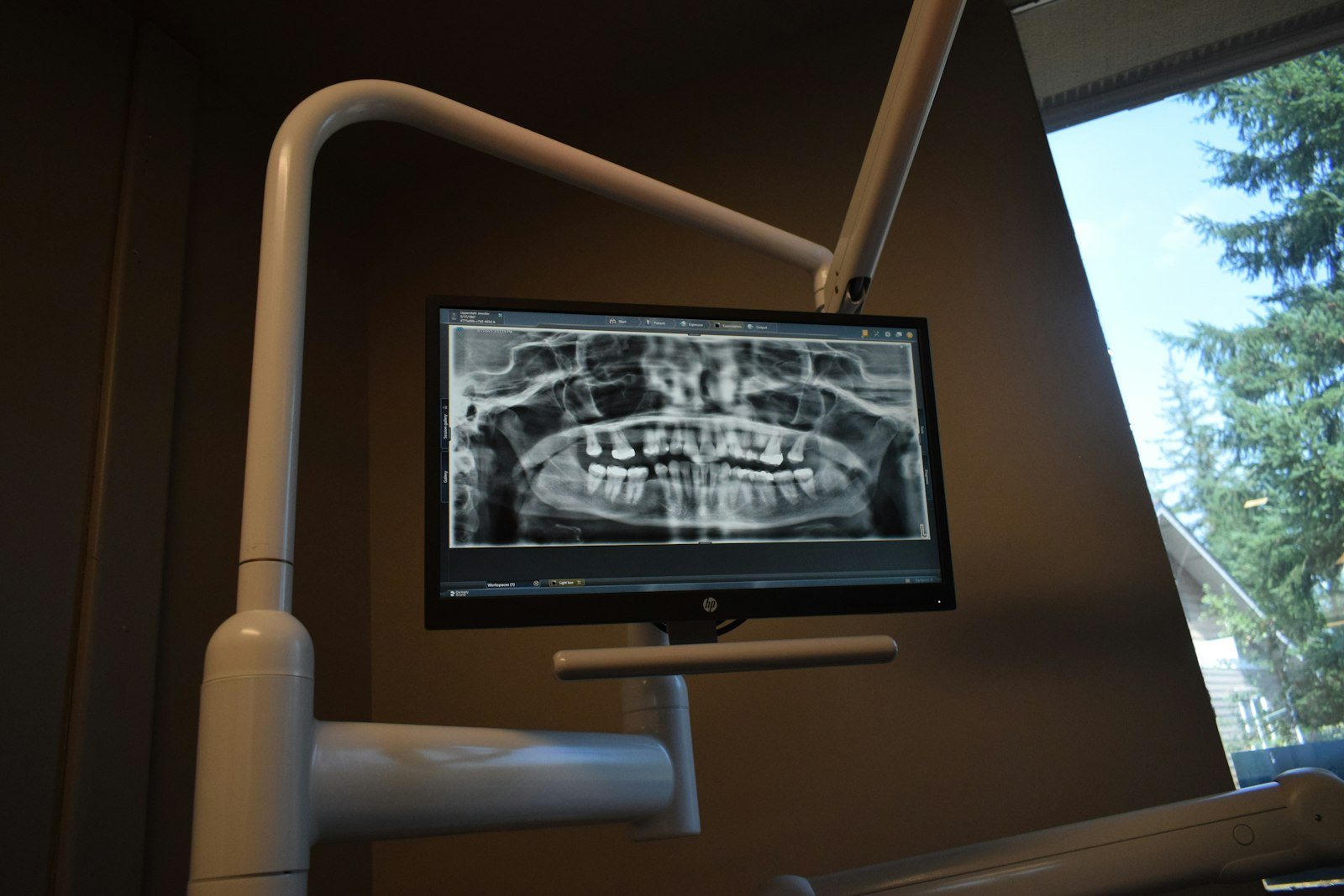
    A dental X-ray displayed on a monitor
    An X-ray shows the abscess at the root, and whether the bone around it has been affected.

    For an ordinary dental abscess, the treatment is drainage and dealing with the tooth — root canal treatment or extraction. Antibiotics alone do not cure a dental abscess, for the same reason they do not cure any undrained collection: the drug does not reach the inside of it.

    This surprises people who have had repeated courses of antibiotics for the same tooth. Each course settles the symptoms, the source remains, and it returns. Our articles on how long antibiotic courses run and antibiotic resistance explain what that repetition costs.

    Dental instruments laid out on a surface
    Definitive treatment addresses the tooth; antibiotics support it rather than replace it.

    Why it can move so fast

    Most infections announce themselves gradually. A spreading dental infection can go from uncomfortable to dangerous inside twelve hours, and the reason is mechanical rather than mysterious.

    The tissues under the tongue and jaw are loose and can hold a great deal of swelling before anything is visible from outside. By the time the outside of the neck looks swollen, a lot has already happened internally — and that space is also where the airway sits.

    This is why clinicians ask about swallowing and voice rather than about pain. Those questions are about the airway, and they change the urgency completely.

    What to do while you are waiting to be seen

    None of this treats the infection, and none of it is a substitute for being seen. It makes the wait more tolerable.

    • Take over-the-counter painkillers at proper doses and intervals rather than occasionally
    • Warm salt water rinses, several times a day
    • Sleep propped up rather than flat, which reduces the throbbing
    • Cold compress on the outside of the face for comfort
    • Do not apply aspirin directly to the gum; it burns the tissue
    • Do not try to lance a swelling yourself
    • Do not start leftover antibiotics from a previous course; see antibiotics and your other medicines

    When it needs more than a dentist

    • Facial or neck swelling, which usually means hospital assessment and often intravenous antibiotics; see outpatient IV antibiotics
    • Infection that has reached the jaw bone, treated for weeks; see bone and joint infections
    • Spread into the chest, which is rare and serious
    • Infection seeding a heart valve, which is the reason for the dental questions in our article on endocarditis
    • Anyone immunosuppressed or on a biologic, where the threshold for treating early is lower
    • Diabetes, which both worsens dental infection and is worsened by it

    Who is more likely to run into trouble

    Most spreading dental infections happen in people with no particular risk factor, usually after a problem has been ignored for months. A few things make it more likely and lower the threshold for being seen early.

    • Diabetes, particularly where control is poor
    • Immune suppression of any kind, including a biologic or chemotherapy
    • Smoking, which impairs healing in the mouth as everywhere else
    • Alcohol dependence and poor nutrition
    • Delayed care, for cost or fear, which is the commonest factor of all
    • A previous abscess in the same tooth that was treated with antibiotics alone

    Cost is worth naming honestly, because it is the reason many dental infections are left. An emergency department visit for a spreading infection is considerably more expensive than the dental treatment that would have prevented it, and the emergency department cannot fix the tooth.

    Prevention, which is unglamorous and works

    Almost every serious dental infection starts as something small and ignored, often over months. The prevention is the advice everyone already knows.

    • Brushing twice daily and cleaning between the teeth
    • Regular dental checks, which find the problem while it is still small
    • Dealing with a painful tooth rather than managing it with painkillers
    • Getting a broken or heavily decayed tooth treated even if it does not hurt
    • Telling your dentist about immune-suppressing treatment before it starts
    • Not relying on repeated antibiotics to keep a tooth quiet

    If a dental infection has spread, or keeps returning despite treatment, that is where an infectious disease opinion is useful alongside the dental care. Our article on when to see an infectious disease specialist covers what that adds, and you can reach us through the contact page.

    Frequently asked questions

    Can antibiotics alone cure a tooth abscess?

    No. They can settle the symptoms temporarily, but the collection has to be drained and the tooth treated. Repeated courses for the same tooth are a sign the source has not been dealt with.

    When is a toothache an emergency?

    When there is difficulty breathing or swallowing, a muffled voice, inability to open the mouth fully, or swelling spreading under the jaw or down the neck. Those are emergency department symptoms, immediately.

    Why does a lower tooth worry dentists more?

    Because the tissue planes below the lower jaw connect directly with the neck, and infection tracking that way can affect the airway. Upper tooth infections more often stay in the cheek.

    I have facial swelling but no pain. Is that better?

    Not necessarily. Pain sometimes eases when the pressure finds a way out, which can mean the infection has moved into tissue rather than resolved. Swelling is the sign to act on.

    Does a dental infection put my heart at risk?

    For most people, no. It matters more for those with certain heart valve conditions, which is why treating dental infection promptly is more important than routine antibiotics before dental work.

    Sources and further reading: National Institute of Dental and Craniofacial Research — Tooth decay.

    This article is general health information, not medical advice, and it cannot account for your own history or medications. Discuss your situation with a qualified clinician before acting on anything you read here.

  • Starting a Biologic: What It Means for Infection Risk

    Starting a Biologic: What It Means for Infection Risk

    Biologics changed the treatment of rheumatoid arthritis, psoriasis, inflammatory bowel disease and several other conditions. They work by switching off a specific part of the immune system, and that is precisely why they change your relationship with infection.

    The risk is real, manageable and frequently overstated by the internet. What matters is knowing which infections your particular drug makes more likely, and what to do about the few that are time-critical.

    Why these drugs are different from broad immune suppression

    Steroids suppress the immune system generally. A biologic blocks one messenger or one cell type, which makes it more effective for the disease and gives it a more predictable pattern of infection risk.

    What different targets tend to mean
    Drug familyWhat it blocksThe infection to know about
    TNF inhibitorsA key inflammatory messengerReactivation of latent tuberculosis; also fungal infections
    B-cell depleting therapiesAntibody-producing cellsHepatitis B reactivation; lower antibody response to vaccines
    IL-17 and IL-23 blockersOther inflammatory messengersCandida (thrush) more than anything else
    IL-6 blockersAn inflammatory messengerCRP is suppressed, so it cannot be used to detect infection
    JAK inhibitorsAn intracellular signalling pathwayShingles, at a higher rate than most
    Complement inhibitorsPart of innate immunityMeningococcal infection; vaccination is mandatory beforehand

    That IL-6 row deserves emphasis. On those drugs, CRP is artificially low even during a significant infection — so the number that would normally raise the alarm does not. Our article on what CRP and ESR mean covers the test; on these drugs, symptoms carry the weight instead.

    What gets screened before you start

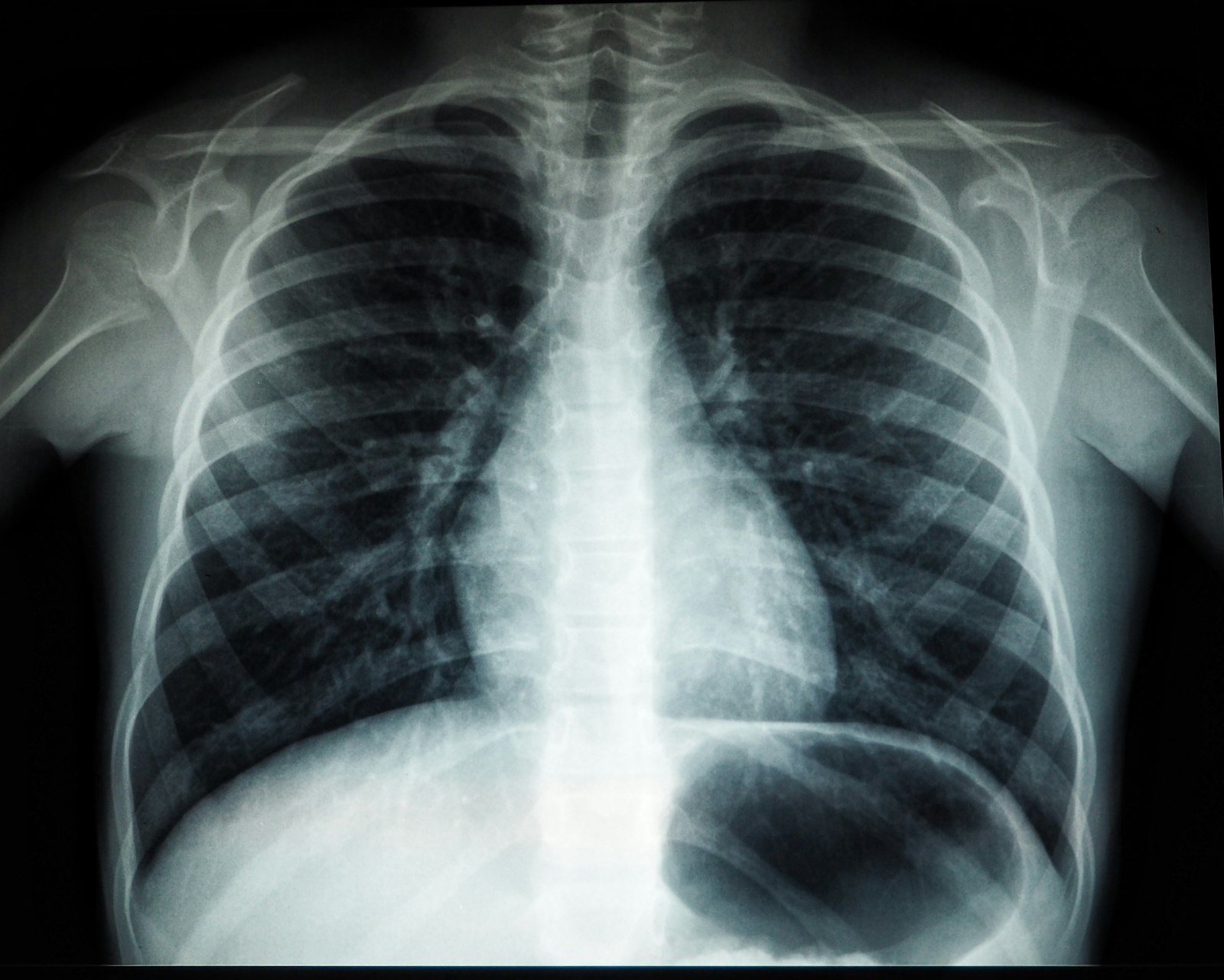
    A chest X-ray
    Screening before the first dose is about finding dormant infections that the drug could wake up.

    The screening is not a formality, and it is the reason infectious disease is often involved before a biologic starts at all.

    1. Latent tuberculosis, by skin or blood test and usually a chest X-ray. If positive, treatment starts before the biologic; see latent tuberculosis
    2. Hepatitis B, including the core antibody, because dormant infection can reactivate dangerously; see hepatitis B
    3. Hepatitis C and HIV in most protocols
    4. Vaccinations brought up to date first, because live vaccines become difficult afterwards; see vaccines when your immune system is suppressed
    5. Any active infection, including dental — see when a dental infection spreads
    6. Travel and residence history, which brings endemic fungal infections into view; see fungal infections

    If you have not had a tuberculosis test and a hepatitis B panel before starting a TNF inhibitor or a B-cell therapy, ask why not. These are the two screens that exist specifically to prevent a serious, avoidable reactivation.

    Living with it

    A person holding an injector pen
    Most biologics are self-injected at home, weekly to monthly depending on the drug.
    • Keep vaccinations current, using non-live vaccines; flu annually, and shingles matters particularly on JAK inhibitors
    • Treat dental problems promptly rather than waiting them out
    • Take food safety more seriously than you used to
    • Tell any clinician treating you that you are on a biologic — it is not on every record
    • Expect the drug to be paused during a significant infection, and resumed after
    • Discuss travel in advance, because both vaccines and destinations may need planning; see travel vaccines
    Medical supplies on a refrigerated shelf
    Most are refrigerated, and most come with specific instructions about how long they may be out.

    What the risk actually looks like in numbers

    Precise figures vary by drug, by disease and by study, which is why this article describes shape rather than percentages. A few things are consistent across the evidence and worth holding onto.

    • Serious infection is uncommon; most people on a biologic never have one
    • The commonest problems are ordinary: chest infections, skin infections, urinary infections
    • Risk is highest in the first months and falls as steroids come down
    • Combining a biologic with steroids raises risk more than the biologic alone
    • Age and other conditions influence the total more than the drug choice does
    • Untreated active inflammatory disease carries its own infection risk, which is the comparison that matters

    That last point is the one most often left out of the conversation. The alternative to treatment is not a neutral baseline.

    Surgery, travel and dental work

    Three situations come up repeatedly and are easier handled in advance than improvised.

    • Planned surgery. Most biologics are paused around an operation, timed to the drug’s dosing interval. That is a joint decision between the surgeon and the prescriber, and it needs a few weeks of notice; see what to watch for after surgery
    • Travel. Live vaccines are generally out, which affects yellow fever in particular. Raise it months ahead, not weeks; see travel vaccines and fever after travel
    • Dental work. Routine treatment is fine and should not be delayed. An active dental infection is the thing to deal with before it becomes the problem described in when a dental infection spreads

    The first months, and what settles

    Infection risk is not evenly spread over time. It is generally highest in the first months of treatment, partly because that is when reactivation of a dormant infection happens, and partly because it often overlaps with the highest steroid doses.

    It usually settles as the steroid comes down and the underlying disease comes under control. That is worth knowing at the start, when the list of precautions feels longest and most permanent.

    What to watch for, and when to call

    The general rule is that an infection on a biologic deserves a lower threshold and an earlier call than the same infection would otherwise.

    • Fever, particularly with rigors or shaking chills
    • A cough lasting more than a couple of weeks, or any weight loss or night sweats, which raises the question of tuberculosis
    • A painful rash in a band on one side of the body, which is shingles and is time-critical
    • Spreading redness or a wound that is not healing; see cellulitis
    • Persistent thrush in the mouth or throat
    • Any of the warning signs of sepsis
    • Feeling unwell in a way you cannot explain, which on these drugs is worth acting on

    None of this means the drug is the wrong choice. Untreated inflammatory disease carries its own infection risk, and for most people the balance favors treatment clearly. It means the monitoring exists for a reason. You can reach us through the contact page.

    Frequently asked questions

    How much does a biologic increase infection risk?

    Modestly for most serious infections, and more for specific ones tied to the drug family — tuberculosis reactivation with TNF inhibitors, shingles with JAK inhibitors. Untreated active disease carries risk too, which is part of the comparison.

    Why do I need a TB test before starting?

    Because TNF inhibitors in particular can reactivate dormant tuberculosis, sometimes in unusual sites. Finding and treating latent infection first prevents that, and it is one of the clearest wins in the whole screening process.

    Do I stop my biologic when I get an infection?

    Usually it is paused during a significant infection and restarted after recovery. Do not stop it permanently on your own; ask the team that prescribes it, because stopping and restarting has its own consequences.

    Can I have vaccines on a biologic?

    Non-live vaccines, yes, and they are recommended. Live vaccines are generally avoided, which is why vaccination is brought up to date before starting where possible.

    My CRP is normal. Does that mean no infection?

    Be careful with that on IL-6 blocking drugs, which suppress CRP directly. A normal value on those medicines is not reassuring, and symptoms matter more than the number.

    Sources and further reading: Arthritis Foundation — Biologic drugs for arthritis.

    This article is general health information, not medical advice, and it cannot account for your own history or medications. Discuss your situation with a qualified clinician before acting on anything you read here.

  • CRP and ESR: What Inflammation Numbers Actually Tell You

    CRP and ESR: What Inflammation Numbers Actually Tell You

    Two numbers turn up constantly in infection care, and both get over-read. CRP and ESR measure inflammation. They do not measure infection, they do not say what is causing it, and on their own they cannot tell you whether you are getting better.

    What they are good at is tracking a direction over time. Used that way they are genuinely useful. Used as a verdict on a single day, they mislead in both directions.

    What each one actually measures

    CRP is a protein the liver makes when there is inflammation anywhere in the body. ESR measures how quickly red blood cells settle in a tube, which changes when certain proteins rise. They are answering a similar question by very different routes, which is why they do not move in step.

    The two tests, side by side
    CRPESR
    What it isA protein measured directlyHow fast red cells settle
    How fast it risesWithin hoursOver days
    How fast it fallsWithin days of improvementOver weeks
    Best used forTracking something changing nowTracking something slow, such as bone infection
    Affected byAlmost any inflammationAge, anemia, pregnancy, obesity
    A normal result meansInflammation is unlikely, not impossibleThe same, with more caveats

    The timing rows explain most of the confusion. A CRP taken on the first day of an illness can be normal because it has not risen yet, and an ESR that is still high weeks after successful treatment is usually just lagging.

    Why a raised number does not name the cause

    Blood samples being loaded into a laboratory centrifuge
    Both tests are non-specific: they register inflammation without saying what is producing it.

    A raised CRP is consistent with a bacterial infection. It is equally consistent with a viral one, a flare of rheumatoid arthritis, recent surgery, a blood clot, a burn, pancreatitis or a cancer. Sometimes it is raised because of obesity or smoking.

    This is why “my CRP is 80” is not a diagnosis, and why clinicians ask about symptoms and take cultures rather than treating a number. Our article on what a culture and sensitivity report says covers the test that does name the cause.

    Very high numbers shift the odds toward a bacterial infection, but they do not settle it, and normal numbers do not exclude one. Some serious infections — including abscesses walled off from the bloodstream — can run with unimpressive markers.

    Why the same illness gives different numbers in different people

    Two people with the same infection can produce very different values, and it is not a measure of how badly each is affected.

    • Steroids blunt the response, so the number understates what is happening
    • IL-6 blocking drugs suppress CRP directly; see starting a biologic
    • Liver disease limits how much CRP can be produced at all
    • ESR rises with age, anemia and pregnancy regardless of infection
    • Obesity raises baseline CRP modestly and permanently
    • Some organisms provoke far more inflammation than others

    This is why a value is compared against that person’s own previous results rather than against a population range, and why the same number can be reassuring in one person and concerning in another.

    Where they earn their place

    The useful question is never “what is the number” but “which way is it going, and how fast.” That makes them valuable in a few specific situations.

    In each of those, the number is being compared with the last one rather than with a reference range.

    Reading a trend properly

    A hand-drawn line graph on paper
    Three values over two weeks say more than one value on any single day.
    1. Establish a starting point, ideally before treatment changes
    2. Repeat at an interval that matches the test — days for CRP, a week or more for ESR
    3. Expect CRP to fall first and ESR to trail behind
    4. Interpret a rise against how the person actually looks and feels
    5. Do not chase a number to zero; treatment length is decided by the site of infection, as our article on antibiotic course length explains
    6. Be cautious about a single isolated value in someone who is well

    The other markers you may see

    A few related tests turn up alongside these two, and they answer slightly different questions.

    • Procalcitonin rises more with bacterial infection than viral, and is used in some hospitals to help decide when antibiotics can stop. It is more specific than CRP but not decisive on its own.
    • White cell count is part of a routine blood count and moves for many reasons, including steroids and stress
    • Ferritin also rises with inflammation, which is why it is a poor measure of iron stores during illness
    • Albumin falls with prolonged inflammation and is a rough marker of how long something has been going on

    None of these changes the basic principle. They register that inflammation is happening; the cause comes from the history, the examination and the cultures.

    Common misreadings

    • “My CRP is normal, so there is nothing wrong.” Early infection, localized abscess and some chronic infections can all run with a normal CRP.
    • “My CRP is high, so I need antibiotics.” Viral illness raises it too, which is part of why antibiotic resistance is driven by treating numbers rather than people.
    • “My ESR is still high, so the treatment failed.” ESR falls slowly and can stay raised for weeks after a cure.
    • “The number went up, so I am worse.” A single rise can follow a procedure, a different illness, or nothing identifiable.
    • “I want it checked every week forever.” Testing without a question to answer generates anxiety and incidental findings.

    If your numbers are being followed and you do not know why, that is a fair question to ask at the appointment. Our article on what happens at an infectious disease consultation covers how that conversation usually goes, and you can reach us through the contact page.

    Frequently asked questions

    What is a normal CRP?

    Most laboratories call under about 10 mg/L normal, though ranges differ and the units vary between tests. The trend matters more than the threshold, which is why the same lab is used for repeat measurements.

    My CRP is high but I feel fine. Should I worry?

    It warrants explanation rather than alarm. Many things raise CRP, including recent illness, injury, inflammatory conditions and obesity. A single value in someone who feels well is usually repeated before anything else is done.

    Why check both CRP and ESR?

    They rise and fall on different timescales. CRP responds within hours and settles within days; ESR takes days to rise and weeks to fall. For slow deep infections the ESR trend is often the more useful of the two.

    Does a falling CRP mean I can stop antibiotics?

    Not by itself. Course length is determined mainly by where the infection is. A falling CRP is supporting evidence that treatment is working, not a stopping rule.

    Can a normal CRP rule out infection?

    No. It is reassuring but not conclusive. Very early infection and walled-off collections such as abscesses can both run with normal markers.

    Sources and further reading: StatPearls (NCBI Bookshelf) — C-reactive protein: clinical relevance and interpretation.

    This article is general health information, not medical advice, and it cannot account for your own history or medications. Discuss your situation with a qualified clinician before acting on anything you read here.

  • Food Safety When Your Immune System Is Weak

    Food Safety When Your Immune System Is Weak

    Food safety advice is easy to tune out. Most of it is aimed at everyone, most people ignore most of it, and most people are fine. That calculation changes when your immune system is suppressed.

    The organisms involved are the same ones everybody encounters. What differs is the outcome: an infection that would give someone else two unpleasant days can put you in hospital. The precautions are worth taking properly, and they are not as restrictive as people fear.

    Who this actually applies to

    If you are unsure whether your treatment counts, ask. The answer varies by drug and by dose, and guessing in either direction is unhelpful.

    The foods worth thinking about

    A delicatessen counter of cheeses and prepared foods
    Most of the higher-risk foods are things eaten raw, or ready-to-eat foods that sit refrigerated for a long time.
    What carries more risk, and the straightforward substitute
    FoodWhy it mattersWhat to do instead
    Deli meats and hot dogsListeria grows at refrigerator temperaturesHeat until steaming before eating
    Soft cheeses from unpasteurized milkListeria and others survive in themChoose pasteurized; hard cheeses are lower risk
    Raw or undercooked eggsSalmonellaCook until firm; use pasteurized egg for raw preparations
    Raw or rare meat and poultrySalmonella, campylobacter, E. coliCook to a measured temperature
    Raw fish and shellfishVibrio, norovirus, hepatitis ACook it; see hepatitis A
    Unpasteurized milk and juiceSeveral organisms at oncePasteurized versions of both
    Raw sproutsThe sprouting conditions suit bacteriaCook thoroughly, or skip them

    Notice what is not on that list. Fresh fruit and vegetables, cooked food, bread, pasteurized dairy and almost everything else is fine, washed and handled normally. The restrictions are narrower than most people assume when they first hear them.

    Temperature, not color

    A probe thermometer inserted into meat on a grill
    Color is an unreliable guide to whether meat is cooked; a thermometer is the only way to know.

    Meat can look done and not be, and can look pink and be perfectly safe. A twenty-dollar probe thermometer settles it, and it is the single most useful thing to buy off the back of this article.

    • Poultry, whole or ground, to 165°F
    • Ground meats other than poultry to 160°F
    • Whole cuts of beef, pork and lamb to 145°F, then rested three minutes
    • Leftovers and takeout reheated to 165°F, steaming throughout
    • Deli meats heated to steaming rather than eaten cold
    • Check in the thickest part, away from bone

    The four rules that do most of the work

    The general food safety advice is not different for you; it simply matters more. Four practices carry most of the benefit.

    1. Clean. Hands for twenty seconds before and after handling food. Wash produce under running water, including things you peel.
    2. Separate. Raw meat away from everything else, with its own board and its own plate. Never return cooked food to the plate the raw meat was on.
    3. Cook. To a measured temperature, not to an appearance.
    4. Chill. Refrigerate within two hours, one hour if it is above 90°F outside. Thaw in the refrigerator, not on the counter.

    Hand washing is the one that carries most of the benefit, and it is the one most often done too briefly. Twenty seconds with soap, including between the fingers and under the nails.

    The refrigerator, and leftovers

    An open refrigerator stocked with fresh produce
    A fridge at 40°F or below slows most organisms; listeria is the exception that keeps growing.
    • Keep the refrigerator at or below 40°F and the freezer at 0°F — use a thermometer rather than trusting the dial
    • Store raw meat on the bottom shelf so nothing drips onto food below
    • Eat leftovers within three to four days, and reheat to steaming
    • When in doubt, throw it out; the cost of being wrong is asymmetric here
    • Do not rely on smell — listeria and salmonella do not change how food smells
    • Clean the refrigerator regularly, including spills, since listeria persists on surfaces

    Water, ice and drinks

    Tap water in the United States is safe for almost everyone, including most people who are immunosuppressed. The exceptions are narrow and worth knowing rather than worrying about.

    • Well water is not routinely treated, and is worth testing if you rely on it
    • During a boil-water notice, follow it strictly rather than approximately
    • Ice from machines in unfamiliar places is worth skipping, since it is handled
    • Unpasteurized juice and cider are the drinks equivalent of raw milk
    • Filters marked for cyst removal help against cryptosporidium, which matters most at very low immunity
    • Bottled water is unnecessary at home for most people; ask if you are unsure about your own level of risk

    If you are cooking for someone else

    Households usually adapt around one person, and it is easier than expected. The higher-risk items are a short list, so the practical approach is to cook one meal for everyone and keep those few things separate rather than running two kitchens.

    The one thing worth being firm about is leftovers. Food that has been out on a table during a long meal, then refrigerated, then eaten cold two days later, is where most domestic problems begin.

    Eating out, and the rest of life

    None of this means never eating out. It means a few adjustments that are easy to make without announcing them: avoid buffets and salad bars where food sits out, skip raw preparations, ask for meat cooked through, and be more cautious with food from places you do not know.

    Water is worth a thought if you are travelling — our article on fever after international travel covers the wider picture, and norovirus and food poisoning covers what an ordinary episode looks like.

    And if you do develop diarrhea, fever or vomiting while immunosuppressed, that is a call rather than a wait-and-see. Our articles on sepsis warning signs and vaccines when your immune system is suppressed cover the surrounding ground, and you can reach us through the contact page.

    Frequently asked questions

    Do I have to avoid all these foods forever?

    Usually not. The precautions apply while your immune system is suppressed, and for many people that is a defined period. Ask how long your own situation lasts rather than assuming it is permanent.

    Is takeout safe?

    Reasonably, if it arrives hot and is eaten promptly or reheated to steaming. The higher risk is food that has sat at room temperature, which is why buffets and salad bars are the ones worth avoiding.

    Can I eat fruit and salad?

    Yes. Wash it thoroughly under running water, including produce you peel, because cutting through an unwashed skin carries bacteria inward. Raw sprouts are the exception.

    Why do deli meats keep appearing on these lists?

    Because listeria grows at refrigerator temperatures, which almost nothing else does. That makes ready-to-eat chilled foods unusual, and heating them until steaming removes the risk.

    I ate something I should not have. What now?

    Do not panic, and do watch. Most exposures cause nothing. Fever, diarrhea or vomiting in the following days is a reason to call rather than to wait, because the threshold for being seen is lower when you are immunosuppressed.

    Sources and further reading: Partnership for Food Safety Education — Four food safety practices.

    This article is general health information, not medical advice, and it cannot account for your own history or medications. Discuss your situation with a qualified clinician before acting on anything you read here.