

Skip to content

Author: Alexandra W. Dretler

  • Tick Bites in Georgia: What to Watch For

    Tick Bites in Georgia: What to Watch For

    Georgia has ticks, and it has them for most of the year. Warm winters mean activity well outside the summer months, and the highest-risk period runs from spring through early autumn.

    The great majority of tick bites cause nothing at all. The point of knowing about them is not alarm but timing: the illnesses that do follow are highly treatable when caught early, and considerably less so when they are not.

    A woodland trail bordered by tall grass
    Ticks wait on vegetation at the edges of paths rather than dropping from trees, which is why staying centered on a trail helps.

    Where you actually encounter them

    Ticks do not jump or fall from trees. They wait on the tips of grass and low vegetation with their front legs extended, and transfer onto whatever brushes past.

    That makes the edges of things the risky places: the margin of a path, the boundary between lawn and woodland, leaf litter, long grass and brush. Walking down the center of a trail genuinely reduces contact.

    Georgia’s common species include the lone star tick, the American dog tick and the blacklegged tick, and they carry different illnesses, which is part of why the picture here differs from the Northeast.

    What ticks in Georgia can transmit

    These are the ones most relevant locally. Timelines are typical rather than absolute.

    Tick-borne illness seen in Georgia
    IllnessTypical onset after a biteWhat it commonly looks like
    Rocky Mountain spotted feverTwo to fourteen daysFever and headache, then a rash often starting on wrists and ankles
    EhrlichiosisOne to two weeksHigh fever, headache, fatigue, muscle aches, sometimes a rash
    Lyme diseaseThree to thirty daysAn expanding rash, often with fever, fatigue and joint aches
    Alpha-gal syndromeWeeks to monthsDelayed allergic reaction hours after eating red meat
    Southern tick-associated rash illnessDaysAn expanding rash resembling that of Lyme disease

    Rocky Mountain spotted fever deserves particular attention. It can become severe quickly, treatment is most effective when started early, and the rash may appear late or not at all. Fever after a tick bite is worth reporting promptly rather than waiting for a rash to confirm anything.

    Alpha-gal syndrome is the outlier: not an infection but an allergy, triggered by a bite and producing reactions to red meat hours after eating it. The delay is what makes it so often missed.

    Removing a tick properly

    Speed matters more than technique, and technique matters more than folklore.

    A pair of fine-tipped tweezers
    Fine-tipped tweezers, close to the skin, steady upward pressure. Nothing else belongs in this procedure.
    1. Use fine-tipped tweezers and grasp the tick as close to the skin as possible
    2. Pull upward with steady, even pressure; do not twist or jerk
    3. If mouthparts remain, remove them with the tweezers or leave them to work out
    4. Clean the area and your hands with soap and water or an antiseptic
    5. Note the date, and photograph the tick if you can
    6. Dispose of it by sealing it in tape or flushing it

    Do not use petroleum jelly, nail polish, alcohol or a hot match. These do not make the tick detach, and they waste the time during which prompt removal reduces risk.

    What to watch for afterwards

    A small red bump at the bite site for a day or two is a normal reaction, not an infection. Note the date of the bite, because the timeline is what makes later symptoms interpretable.

    A person checking a thermometer at home
    Fever in the weeks after a tick bite is the symptom that matters most, with or without a rash.
    • Fever or chills in the days or weeks afterwards
    • A rash, whether spreading outward from the bite or appearing elsewhere
    • Severe headache, muscle aches or unusual fatigue
    • Nausea, vomiting or abdominal pain
    • Joint pain or swelling
    • Any reaction occurring hours after eating red meat

    Tell whoever assesses you that you had a tick bite, and when. Several of these illnesses are treated most effectively when started early and on clinical suspicion, before test results are available.

    Keep any photograph you took of the tick. Identifying the species helps narrow which illnesses are plausible, and a clear image is often enough for that without needing the tick itself.

    Avoiding bites in the first place

    Prevention is unglamorous and effective.

    Repellent being applied outdoors
    Repellent on skin, treated clothing, and a shower with a full-body check within a couple of hours of coming indoors.
    • Use an EPA-registered repellent on exposed skin, following the label
    • Treat clothing and gear with permethrin, or buy pre-treated items
    • Wear long trousers tucked into socks in brushy or grassy areas
    • Stay to the center of trails and avoid pushing through undergrowth
    • Shower within two hours of coming indoors
    • Do a full body check, including the scalp, waistband, armpits, groin and behind the knees
    • Tumble-dry clothing on high heat for ten minutes to kill any ticks on fabric

    One reassurance is worth stating plainly: the overwhelming majority of tick bites in Georgia lead to nothing at all. Knowing the timeline and the symptoms is not a reason to avoid being outdoors, it is what makes being outdoors straightforward.

    Children and tick bites

    Children spend more time in exactly the places ticks wait, and are less likely to notice or report a bite. Scalp and hairline bites are easy to miss entirely.

    Check behind the ears, along the hairline, at the back of the neck and behind the knees after outdoor play. Removal is the same in children as in adults: fine-tipped tweezers, close to the skin, steady upward pressure.

    Fever in a child in the weeks after outdoor exposure is worth mentioning the tick possibility about, even without a remembered bite. Rocky Mountain spotted fever in particular is treated on suspicion rather than waiting for confirmation.

    Pets and yards

    Dogs bring ticks indoors, and they get tick-borne illness themselves. Year-round veterinary tick prevention protects both the animal and the household.

    A dog standing in long grass
    Dogs carry ticks indoors, so year-round veterinary prevention protects the household as well as the animal.

    Around the house, keeping grass short, clearing leaf litter, and maintaining a gravel or wood-chip border between lawn and woodland all reduce the tick population close to where people spend time.

    If you travel outside Georgia, the mix of illnesses changes with the region, which is one of the things a pre-travel consultation covers, alongside vaccine timing.

    Frequently asked questions

    How long must a tick be attached to transmit disease?

    It varies by organism, and some are transmitted considerably faster than others. That is why prompt removal matters rather than relying on any particular time threshold as reassurance.

    Do I need antibiotics after every tick bite?

    No. Most bites need only cleaning and watchful waiting. Preventive treatment is considered in specific circumstances, which is a decision for a clinician who knows the tick type, attachment time and your circumstances.

    Should I get the tick tested?

    Routine testing of the tick is generally not recommended for guiding your care. A negative result can be falsely reassuring and a positive one does not mean you were infected. What matters is watching for symptoms.

    Is Lyme disease common in Georgia?

    Rocky Mountain spotted fever and ehrlichiosis are reported more frequently here than in much of the country, and the regional picture differs from the Northeast. Any suspected tick-borne illness should be assessed locally.

    What is alpha-gal syndrome?

    An allergy to a sugar found in red meat, which can develop after a bite from the lone star tick. Reactions typically occur several hours after eating, which is why the link to food is so often missed.

    More about the specialty is on the infectious disease physician page, and appointments can be arranged through the contact page.

    Sources and further reading: Georgia Department of Public Health — Tick-borne diseases.

    This article is general health information, not medical advice, and it cannot account for your own history or medications. Discuss your situation with a qualified clinician before acting on anything you read here.
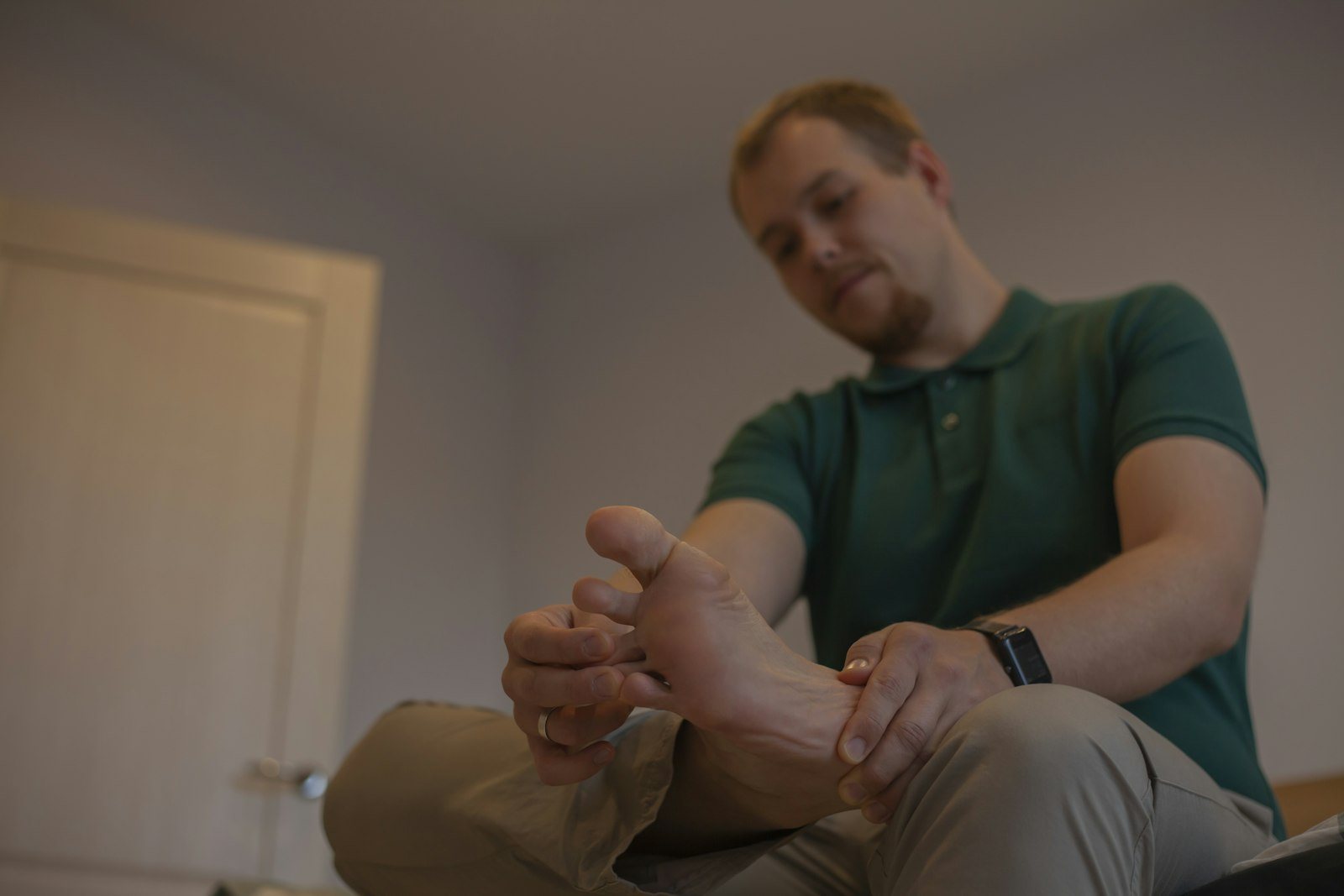

  • Diabetic Foot Ulcers: Preventing the First One

    Diabetic Foot Ulcers: Preventing the First One

    Most diabetic foot ulcers do not begin dramatically. They begin with a blister from a new shoe, a small stone that stayed in a sock, or a callus that was trimmed a little too enthusiastically.

    What turns those ordinary events into a serious wound is that they can go unnoticed for days. The two-minute check that prevents that is the single most effective habit available.

    A hand mirror used to check the sole of a foot
    A hand mirror on the bathroom floor solves the main practical problem: the sole is where ulcers form and the hardest part to see.

    Why feet are vulnerable in diabetes

    Three problems tend to arrive together, and each makes the others worse.

    Nerve damage removes the warning

    Peripheral neuropathy blunts or removes sensation in the feet. Pain is the body’s alarm for injury, and without it a blister or a foreign object can cause real damage while feeling like nothing at all.

    Neuropathy also affects the small nerves controlling sweat, leaving skin dry and prone to cracking, and it can subtly change the shape of the foot so that pressure lands in new places.

    Circulation is reduced

    Peripheral arterial disease narrows the vessels supplying the foot. Less blood means less oxygen for repair, so a small wound that would heal in days elsewhere can persist for weeks.

    Infection takes hold more readily

    Elevated blood glucose impairs the function of the immune cells that would normally clear bacteria at the site. An open wound on a poorly perfused, poorly defended foot is a genuinely dangerous combination.

    A clinician examining a patient foot
    An annual examination checks sensation and circulation, which together determine how closely your feet need watching.

    The daily check

    It takes about two minutes and works best attached to something you already do, such as undressing at night.

    1. Look at the top, sides and sole of each foot, and between every toe
    2. Use a hand mirror on the floor, or ask someone, if you cannot see the sole
    3. Feel for warm spots, hard areas and swelling as well as looking
    4. Check for cuts, blisters, cracks, calluses, color changes and ingrown nails
    5. Check inside your shoes for stones, ridges and worn linings before putting them on

    A warm spot with no visible break in the skin still matters. Localized heat often precedes visible breakdown, and it is one of the earliest signals available.

    How often your feet should be examined professionally

    Frequency depends on what has already been found, not on how your feet feel.

    Professional foot examination by risk level
    Risk levelWhat it meansTypical review
    LowNormal sensation, normal circulation, no deformityOnce a year
    ModerateNeuropathy, or reduced circulation, or foot deformityEvery three to six months
    HighMore than one of the above, or a previous ulcer or amputationEvery one to three months
    Active ulcerA wound is currently presentSpecialist wound care, reviewed frequently

    Note that the highest-risk category includes anyone who has healed an ulcer before. Recurrence is common, and previous ulceration is one of the strongest predictors of another.

    Footwear does more than anything else

    Pressure is what breaks skin down, and shoes are what distribute it.

    A pair of supportive, well-fitting shoes
    Roomy, supportive, seamless-lined shoes prevent more ulcers than any dressing treats.
    • Never walk barefoot, including indoors and at the beach
    • Choose a roomy toe box, adjustable fastening and a smooth, seamless lining
    • Shop for shoes late in the day, when feet are at their largest
    • Break new shoes in gradually, an hour at a time, checking your feet afterwards
    • Wear seamless socks and change them daily
    • Use prescribed therapeutic footwear or insoles consistently, not just for outings

    If you have neuropathy, a deformity, or a previous ulcer, therapeutic footwear is not a comfort upgrade. It is the intervention doing the most work.

    Day-to-day skin and nail care

    Dry, cracked skin is an entry point, and neuropathy makes it more likely by reducing the sweating that normally keeps skin supple.

    • Wash feet daily in warm, not hot, water and dry thoroughly between the toes
    • Moisturize the tops and soles, but not between the toes, where damp encourages fungus
    • Cut nails straight across rather than curved down at the corners
    • Treat athlete’s foot promptly; cracked skin between the toes is a common starting point
    • Test bath water with your hand or elbow, never your feet
    • Avoid hot water bottles, heat pads and radiators near the feet

    That last point causes more harm than people expect. Burns on insensate feet are a recognized cause of serious wounds, and they happen at temperatures that would feel merely warm elsewhere.

    What to call about, and how soon

    Because sensation is unreliable, the threshold for reporting has to be visual and low.

    • Any open area, blister, crack or break in the skin, however small
    • Redness, warmth or swelling in one part of the foot
    • A callus that has darkened, or has bleeding underneath it
    • Any discharge, odor, or staining on your sock
    • A change in the shape of the foot, or a new area of pressure
    • A nail that has become ingrown or discolored
    A blister on the heel seen close up
    A blister on an insensate foot needs the same attention as a painful one, because the absence of pain says nothing about severity.

    Redness spreading up the foot, fever, foul-smelling discharge, or an area that turns black are emergency features. Seek care the same day rather than waiting for a scheduled appointment.

    None of this needs to be burdensome. The daily check takes two minutes, the footwear rules become habit within a fortnight, and the professional reviews are already part of routine diabetes care for most people. The effort is small relative to what it prevents.

    If a wound does develop

    Treatment addresses the causes rather than the wound alone: taking pressure off the area, restoring circulation where possible, controlling infection and controlling blood glucose. Dressings support that work but do not substitute for it.

    A specialist treating a patient foot
    Offloading, circulation and infection control do the work; the dressing supports it rather than replacing it.

    Offloading is usually the intervention that matters most, and it is also the one people find hardest to sustain, because it means not walking normally on a foot that does not hurt.

    Our article on why some wounds do not heal covers the wider picture, and specialist wound care describes the service. Where infection reaches bone, treatment follows the path set out in bone and joint infections.

    Frequently asked questions

    How often should I check my feet?

    Every day. It takes about two minutes, and it is the single most effective thing you can do, precisely because neuropathy means you cannot rely on pain to alert you.

    I have no pain in my feet. Do I still need to check them?

    Especially then. Absent pain usually means reduced sensation, which is what allows a small injury to become a serious wound unnoticed. No pain raises the importance of looking, not the reverse.

    Can I trim my own calluses?

    Do not cut them yourself, and avoid medicated corn removers. Both cause wounds on feet that heal poorly. Calluses should be managed by a professional.

    Are diabetic shoes actually worth it?

    For anyone with neuropathy, a foot deformity or a previous ulcer, therapeutic footwear reduces pressure where the risk is highest. It prevents more ulcers than any dressing treats.

    How quickly should I report a small blister?

    The same week, and the same day if there is redness, warmth, swelling, discharge or fever. On a foot with reduced sensation the size of the visible problem is a poor guide to what lies underneath.

    The patient guide covers what to bring to an appointment, and the contact page explains how to reach the practice.

    Sources and further reading: American Diabetes Association — Foot complications.

    This article is general health information, not medical advice, and it cannot account for your own history or medications. Discuss your situation with a qualified clinician before acting on anything you read here.
  • Antibiotic Resistance: Why Fewer Prescriptions Protect You

    Antibiotic Resistance: Why Fewer Prescriptions Protect You

    Being told you do not need antibiotics can feel like being turned away. You are unwell, you came for help, and you are leaving without a prescription.

    It is worth knowing what is behind that decision, because it is not caution for its own sake and it is not about cost. Antibiotics that do not help you can actively harm you, and the harm is not hypothetical.

    A researcher examining a sample under a microscope
    Every antibiotic course kills susceptible bacteria and leaves the resistant ones behind to multiply. That is the whole mechanism.

    Antibiotics do nothing to viruses

    Antibiotics work on structures and processes that bacteria have and viruses do not: cell walls, bacterial ribosomes, bacterial enzymes. A virus has none of these, so there is nothing for the drug to act on.

    That is why colds, influenza, COVID-19, most sore throats, most sinus congestion and most coughs get no benefit whatsoever from an antibiotic. Not a small benefit. None.

    Illness lasting a week or more does not make it bacterial either. Viral illnesses routinely run ten days or longer, and the yellow or green mucus that many people take as proof of bacterial infection is simply what happens when immune cells arrive.

    How resistance actually develops

    Every time an antibiotic is taken, it kills the bacteria that are susceptible to it. Any bacteria that happen to survive are, by definition, the ones it does not kill well, and they now have less competition.

    Repeat that often enough and the surviving population becomes the normal one. This is not the person becoming resistant to antibiotics, which is a common misunderstanding. It is the bacteria changing.

    Those resistant bacteria are not confined to the person who took the course. They spread, which is why this is a shared problem rather than an individual one.

    What an unnecessary course costs you personally

    Even setting resistance aside, an antibiotic you did not need is not neutral.

    • Side effects: nausea, diarrhea, rash and thrush are common
    • Disruption of the normal gut bacteria, which takes weeks to recover
    • A meaningfully raised risk of Clostridioides difficile infection for months afterwards
    • Allergic reactions, occasionally severe
    • Interactions with medicines you already take
    • A future infection that is harder to treat because the easy options no longer work
    A person resting at home with a hot drink
    For a viral illness, the things that actually help are unglamorous: fluids, rest, and treating the symptoms.

    Which illnesses antibiotics do and do not help

    When antibiotics are the right tool
    IllnessUsual causeDo antibiotics help?
    Common coldVirusNo
    Influenza and COVID-19VirusNo; antivirals may be used instead
    Most sore throatsUsually viralOnly if strep is confirmed by testing
    Most sinus congestionUsually viralRarely, and only if it persists or worsens
    Most acute bronchitisUsually viralNo, even with a productive cough
    Bacterial pneumoniaBacteriaYes
    Urinary tract infectionBacteriaYes, guided by culture where possible
    CellulitisBacteriaYes

    The judgment in the middle rows is exactly where clinical assessment earns its keep, and where a confident yes or no cannot be made from symptoms alone.

    What actually helps a viral illness

    Nothing here is glamorous, which is part of why it disappoints. It is also what works.

    • Fluids, and more rest than feels necessary
    • Acetaminophen or ibuprofen for fever and aches, as directed
    • Warm drinks, honey for cough in adults and children over one year
    • Saline rinses or steam for nasal congestion
    • Time, and a plan for what would change the picture

    That last point matters. A good consultation ends with you knowing which specific developments would mean coming back, rather than simply being told to wait.

    When the picture does change

    Antibiotics are genuinely necessary sometimes, and the aim is not to avoid them but to use them when they will work.

    A clinician examining a patient during a consultation
    Distinguishing viral from bacterial illness is the part of the consultation that cannot be replaced by a symptom checklist.
    • Symptoms that improve and then clearly worsen again
    • A fever that returns after settling
    • Breathlessness, chest pain, or coughing up blood
    • A spreading area of red, warm, tender skin
    • Severe pain confined to one area, such as one sinus or one ear
    • Being unable to keep fluids down, or becoming confused or very drowsy

    Any of these is worth a reassessment. Some are urgent: our guide to the warning signs of sepsis covers the ones that mean emergency care rather than an appointment.

    It is also worth saying that pressing for antibiotics puts clinicians in a difficult position, and that a prescription written to end a conversation helps nobody. A better question than “can I have antibiotics?” is “what would make you think this is bacterial?” That is a question with a useful answer.

    If you are given a prescription

    Take it as directed and complete the course your prescriber specified. Do not save leftovers for next time, do not take someone else’s, and do not press for a repeat of something that worked once for a different illness.

    A prescription label on a medicine bottle
    Leftover antibiotics are not a spare kit. Return them to a pharmacy rather than keeping them for next time.

    Tell the prescriber about any previous reaction, about a history of C. difficile, and about every other medicine you take. Those details change what is safe to prescribe.

    Why the trajectory matters

    Resistance is not a distant problem. Infections that were once routine to treat already require second- and third-choice drugs in some patients, and those tend to be more toxic, more expensive, and more likely to be given intravenously.

    That is the practical shape of the problem: not that antibiotics stop working overnight, but that treatment slowly becomes harder, longer and more invasive. Patients needing weeks of intravenous therapy for infections that oral drugs once handled is what this looks like in a clinic.

    What stewardship means in practice

    Antimicrobial stewardship is the deliberate effort to use these drugs only when they help, and to use the narrowest effective option for the shortest effective time.

    A pharmacist reviewing medication records
    Narrowing treatment once cultures return is one of the most useful things a specialist does, both for the patient and for everyone else.

    It is a large part of what an infectious disease physician does day to day: choosing a drug for an identified organism, narrowing broad treatment once cultures return, and setting a duration that is long enough and no longer. Our guide to when an infection needs a specialist covers when that input is worth requesting.

    Frequently asked questions

    Why won’t my doctor give me antibiotics for a cough?

    Most acute coughs are viral, including ones that produce colored phlegm and last two or three weeks. Antibiotics do not shorten them and carry real side effects. Your clinician should tell you what would change that assessment.

    Does green or yellow mucus mean I need antibiotics?

    No. The color comes from immune cells arriving at the site and is entirely normal in viral infections. It is not evidence of bacterial infection on its own.

    Can I become resistant to antibiotics?

    People do not become resistant; bacteria do. But the resistant bacteria that develop can live in and on you, and can cause your next infection, so it does affect you personally.

    Should I keep leftover antibiotics for next time?

    No. Partial courses encourage resistance, the leftovers may be wrong for the next illness, and they expire. Return unused antibiotics to a pharmacy for disposal.

    If antibiotics are risky, why are they still prescribed so often?

    Because when an infection is bacterial they are genuinely effective and sometimes life-saving. The aim of stewardship is not fewer antibiotics for their own sake, but the right antibiotic, for the right infection, for the right length of time.

    You can read more on the our practice page, or reach us through the contact page.

    Sources and further reading: World Health Organization — Antimicrobial resistance.

    This article is general health information, not medical advice, and it cannot account for your own history or medications. Discuss your situation with a qualified clinician before acting on anything you read here.

  • Sepsis: The Warning Signs That Need Emergency Care

    Sepsis: The Warning Signs That Need Emergency Care

    Sepsis is what happens when the body’s response to an infection begins damaging its own tissues and organs. It is not a separate disease you catch. It is a complication of an infection you already have.

    It is also a medical emergency in the same category as a heart attack or a stroke, and it can worsen within hours. Recognizing it early is the single thing that most changes the outcome.

    A monitor displaying vital signs
    Sepsis is a complication of an infection rather than a separate illness, which is why it can arrive without warning.

    How an ordinary infection turns into sepsis

    Any infection can trigger it: a chest infection, a urinary infection, an infected wound, an abdominal infection. Most never do.

    In sepsis the immune response becomes dysregulated. Instead of containing the infection, the reaction spreads, blood vessels leak, blood pressure falls and organs stop receiving what they need.

    This is why someone can look reasonably well in the morning and be critically ill by evening. The deterioration is not gradual in the way people expect.

    The warning signs

    There is no single symptom. What matters is the combination, and the speed at which things change.

    • Confusion, disorientation, or unusual drowsiness
    • Fast breathing, or breathlessness at rest
    • A very high or a very low temperature, or shivering and chills
    • Skin that is mottled, pale, blue-tinged or unusually clammy
    • A fast heart rate, or a weak pulse
    • Passing much less urine than usual
    • Severe pain or discomfort, or a sense that something is badly wrong
    • An infection that is clearly getting worse rather than better
    A thermometer and pulse oximeter on a table
    No single sign confirms sepsis. The combination, and how quickly it develops, is what matters.

    If you suspect sepsis, call 911 or go to an emergency department now. Say the word “sepsis” and say that the person has an infection. Do not wait to see whether things improve overnight, and do not wait for a routine appointment.

    Infection, sepsis and septic shock

    These terms are used loosely in ordinary speech but describe different states.

    How the stages differ
    What is happeningWhere it is treated
    InfectionBacteria, virus or fungus causing localized illnessOften at home or in a clinic
    SepsisThe response to that infection is injuring organsHospital, urgently
    Septic shockBlood pressure stays dangerously low despite fluidsIntensive care
    Recovery phaseInfection controlled, organs recoveringHospital ward, then home with follow-up

    The practical message is that the first row can become the second faster than most people expect, and that the move from the second to the third is what treatment is racing to prevent.

    Who is most at risk

    Sepsis can affect anyone, but some people are considerably more vulnerable, and in them the usual signs may be muted or absent.

    • Adults over 65, and very young children
    • People with diabetes, kidney disease, liver disease or lung disease
    • Anyone whose immune system is suppressed by illness or treatment
    • People without a functioning spleen
    • Anyone with a recent hospital stay, surgery, or an indwelling line or catheter
    • People with chronic wounds or a recent serious infection
    An older adult sitting by a window at home
    In older adults, confusion or a sudden change in behavior can be the first sign, sometimes without a fever at all.

    In older adults especially, confusion or a sudden change in usual behavior may be the first and only obvious sign, and a fever may never appear. Trust the change in the person over the absence of a textbook symptom.

    One further point: sepsis does not require a dramatic infection to start it. Many cases begin with something entirely ordinary that was never thought serious enough to mention, which is why the question is always about how the person is now rather than how impressive the original infection looked.

    What happens in hospital

    Treatment is fast and runs in parallel rather than in sequence. Blood cultures are taken, broad-spectrum antibiotics are started quickly, intravenous fluids are given, and the source of the infection is looked for.

    A modern hospital room
    Cultures, antibiotics, fluids and the search for a source all happen in parallel rather than one after another.

    Once cultures identify the organism, treatment is usually narrowed to a more targeted antibiotic. That step is where an infectious disease physician is frequently involved, and it matters both for the individual and for limiting antibiotic resistance.

    Some people need oxygen, medication to support blood pressure, or organ support in intensive care. Others improve on a general ward within days.

    Lowering the risk in the first place

    Sepsis begins with an infection, so most of what reduces the risk is ordinary infection prevention done consistently.

    • Keep vaccinations up to date, including influenza and pneumococcal where advised
    • Clean and cover breaks in the skin, and watch them for spreading redness
    • Treat urinary and chest infections promptly rather than waiting them out
    • Keep diabetes and other chronic conditions well controlled
    • Care for any indwelling line or catheter exactly as instructed
    • Seek review early if an infection is not improving as expected

    People with a chronic wound are in a higher-risk group, which is part of why a wound that will not heal deserves proper assessment rather than another dressing, and why specialist wound care exists as a service. The same logic applies to a skin infection that is spreading.

    If you are the one worried about someone else

    Sepsis is often first noticed by a family member rather than the person affected, because confusion and drowsiness are easier to see from outside than from inside.

    If someone with an infection seems suddenly and unusually different, say so directly and say why. Describing what has changed since yesterday, and how fast, is more useful than listing symptoms in isolation.

    You are not overreacting by asking whether it could be sepsis. Clinicians would far rather assess someone who turns out to be fine than see them a day later.

    Recovery takes longer than people expect

    Surviving sepsis is not the end of it. Many people experience months of fatigue, muscle weakness, poor concentration, disturbed sleep and low mood afterwards. This is common and is sometimes called post-sepsis syndrome.

    A person resting at home with a book
    Fatigue and poor concentration for months afterwards are common and expected, not a sign that something has gone wrong.

    Knowing this in advance helps. People frequently assume that a slow recovery means something is wrong, when in fact it is the expected course after a severe illness.

    Follow-up matters, particularly where the original infection involved a device, a joint replacement or a deep site. Some of those need prolonged treatment, described in our articles on bone and joint infections and outpatient intravenous antibiotics.

    Frequently asked questions

    Is sepsis contagious?

    No. Sepsis itself cannot be passed between people. The infection that triggered it sometimes can, depending on what it is.

    Can you have sepsis without a fever?

    Yes. Older adults, very young children and people with weakened immune systems may have a normal or even low temperature. Confusion, fast breathing and a sudden change in condition can matter more than temperature.

    How quickly does sepsis develop?

    It can worsen over hours. That is why it is treated as an emergency and why waiting to see whether things settle overnight is the wrong approach.

    What should I say at the emergency department?

    Say that you are worried about sepsis, that there is a known or suspected infection, and describe what has changed and how fast. Naming your concern directly helps the team prioritize assessment.

    Does surviving sepsis cause lasting problems?

    It can. Fatigue, weakness, poor concentration and low mood for weeks or months are common. Most people improve steadily, but recovery is usually slower than expected and worth raising at follow-up.

    More about the specialty is on the infectious disease physician page. For non-urgent questions, the contact page lists how to reach the practice.

    Sources and further reading: Sepsis Alliance — What is sepsis?.

    This article is general health information, not medical advice, and it cannot account for your own history or medications. Discuss your situation with a qualified clinician before acting on anything you read here.

  • HIV Prevention: How PrEP Works

    HIV Prevention: How PrEP Works

    Pre-exposure prophylaxis, almost always shortened to PrEP, is medication taken by someone who does not have HIV in order to keep it that way. It is prevention, not treatment.

    It has been available since 2012, and it works well when taken as prescribed. What stops people using it is rarely the medicine itself: it is not knowing what starting involves, or assuming it is meant for somebody else.

    Tablets beside a prescription bottle
    PrEP is prevention taken by someone who does not have HIV, which is what separates it from treatment.

    How it works

    HIV needs to establish itself in the body during the hours and days after an exposure. PrEP keeps antiviral medication present in the tissues at concentrations that block that from happening.

    When taken as prescribed, it reduces the risk of acquiring HIV from sex by about 99 percent, and by at least 74 percent among people who inject drugs. Those are among the strongest numbers in preventive medicine.

    Both figures depend on the medication actually being in the body, which is why adherence and follow-up matter more than any other part of the plan.

    PrEP, PEP and treatment are three different things

    These get confused constantly, and the distinction is about timing.

    Three different uses of HIV medication
    When it is usedWho it is for
    PrEPTaken on an ongoing basis, before any exposurePeople without HIV who want to stay that way
    PEPStarted urgently after a possible exposure, ideally within 72 hoursPeople without HIV after a specific incident
    HIV treatmentTaken continuously after diagnosisPeople living with HIV, to suppress the virus and protect health

    PEP is a short emergency course and is time-critical. If you think you were exposed in the last three days, that is a same-day conversation with a clinician or an emergency department, not something to research at length first.

    Who it is for

    Current guidance is broad. Clinicians are encouraged to discuss PrEP with all sexually active adults and adolescents, and to prescribe it to anyone who asks for it, including people who do not describe any particular risk factor.

    That framing is deliberate. Risk-based questioning misses people, and asking for PrEP is itself a reasonable indication.

    It may also be an option during attempts to conceive, in pregnancy, and while breastfeeding, where one partner has HIV. That is a discussion to have specifically, because the plan is individualized.

    Starting: what actually happens

    You cannot start PrEP without an HIV test first. This is not bureaucracy. Taking PrEP while already having undiagnosed HIV can encourage the virus to develop resistance to those same drugs, which narrows treatment options later.

    A rapid test cassette on a clinic bench
    An HIV test before starting is not a formality: it protects future treatment options.
    1. An HIV test, plus tests for kidney function, hepatitis B and other sexually transmitted infections
    2. A discussion of which form of PrEP suits your circumstances
    3. A prescription, with clear instructions on when protection is established
    4. A follow-up appointment, usually within the first few months
    5. Regular reviews thereafter, typically every three months

    Protection is not instant. How long it takes to become effective depends on the formulation and the type of exposure, so ask directly when you will be protected rather than assuming it begins on day one.

    Staying on it

    Daily oral PrEP asks something real of you: remembering, every day, to take a tablet for a condition you do not have. That is a different psychological task from taking medication because you feel unwell.

    A reminder being set on a mobile phone
    Adherence is the whole game with oral PrEP; tie it to something you already do daily rather than relying on memory.

    Longer-acting injectable options have been approved, given at intervals of months rather than daily, which removes the daily-adherence problem for people who struggle with it. Which options are appropriate and available for you is a conversation with your prescriber.

    Do not stop or restart on your own. Stopping has rules of its own, and restarting requires repeat testing.

    Monitoring while you take it

    PrEP is not a prescription you collect and forget. Ongoing care usually means an HIV test roughly every three months, periodic kidney function checks, and screening for other sexually transmitted infections.

    Blood samples prepared for routine testing
    Regular testing while on PrEP catches the rare breakthrough early and keeps other infections from going unnoticed.

    That regular testing is part of the protection, not an inconvenience attached to it. It catches the rare breakthrough infection early, when treatment choices are widest.

    Privacy, and who needs to know

    Concern about confidentiality keeps people away from PrEP more often than concern about the medication. Your care is confidential in the same way the rest of your medical care is, and the prescription itself does not announce anything about your life to anyone.

    If specific worries apply to your situation, such as how a claim appears on a shared insurance plan, raise them at the first appointment. They are common questions, they are asked routinely, and there are usually practical answers.

    Questions worth asking at the first appointment

    • Which form of PrEP suits my circumstances, and why that one?
    • From what point am I actually protected?
    • What monitoring will I need, and how often?
    • What should I do if I miss a dose?
    • What does this cost me, and what does my insurance cover?
    • How do I stop safely if I want to?

    Cost and coverage vary by plan and by formulation, so ask specifically rather than assuming. The patient guide covers what to bring to a first appointment, and results are available afterwards through the patient portal.

    What PrEP does not do

    PrEP prevents HIV. It does nothing about chlamydia, gonorrhea, syphilis, hepatitis, or pregnancy.

    That is worth stating plainly because it is the most common misunderstanding. Barrier methods and regular screening still have a role alongside PrEP, and the routine screening built into PrEP care exists partly for this reason.

    Two people walking on a city street
    PrEP covers one infection well. Screening for the others is built into the follow-up schedule for good reason.

    If you think you may have been exposed to HIV within the last 72 hours, PEP is the relevant option and it is urgent. Contact a clinician or an emergency department the same day rather than waiting for a routine appointment.

    Frequently asked questions

    Does PrEP have side effects?

    Most people tolerate it well. Some experience mild nausea, headache or fatigue in the first weeks, which usually settles. Kidney function is monitored because a small number of people are affected, which is one reason for the regular reviews.

    How quickly does PrEP start working?

    Not immediately, and the interval depends on the formulation and the kind of exposure. Ask your prescriber to tell you the specific point at which you are protected, and use other precautions until then.

    Can I stop taking PrEP?

    Yes, but stopping has its own instructions, and how long to continue after your last possible exposure varies. Speak to your prescriber rather than simply stopping, and expect repeat testing if you later restart.

    Is PrEP only for certain groups of people?

    No. Guidance encourages clinicians to discuss it with all sexually active adults and adolescents and to prescribe it to anyone who requests it, including people who do not report specific risk factors.

    Will taking PrEP show up as HIV on a test?

    PrEP does not cause a positive HIV test. You are tested before starting and regularly while taking it, precisely so that any infection is identified promptly.

    You can read more about the specialty on the infectious disease physician page, see the clinicians on the provider profiles page, or reach us through the contact page.

    Sources and further reading: HIV.gov — Pre-exposure prophylaxis (PrEP).

    This article is general health information, not medical advice, and it cannot account for your own history or medications. Discuss your situation with a qualified clinician before acting on anything you read here.
  • Hepatitis C Treatment: What to Expect Today

    Hepatitis C Treatment: What to Expect Today

    Hepatitis C treatment has changed more completely than almost anything else in infectious disease. What was once a long course of injections with difficult side effects and uncertain results is now, for most people, a short course of daily tablets.

    Many people diagnosed today are working from what they heard about treatment years ago. That picture is out of date, and the gap between it and current practice is wide enough to be worth closing.

    A blood sample being taken at a clinic
    Hepatitis C is usually found on a blood test rather than through symptoms, which is why screening matters.

    Why screening matters more than symptoms

    Chronic hepatitis C often produces no symptoms at all for years. When symptoms do appear they are vague: fatigue, aching joints, poor appetite. By the time the liver gives clearer signals, damage may already have accumulated.

    That is the argument for testing rather than waiting. Screening is generally recommended at least once for all adults, in pregnancy, and repeatedly for anyone with ongoing risk factors.

    Testing happens in two steps. An antibody test shows whether you have ever been exposed. If it is positive, a second test looks for the virus itself, because a proportion of people clear hepatitis C without treatment and remain antibody positive afterwards.

    How hepatitis C is passed on

    Hepatitis C is a bloodborne virus. It is transmitted when blood from an infected person enters the bloodstream of someone else, which in practice means shared injecting equipment, needlestick injuries, and unsterile tattooing or medical procedures.

    Transfusions and transplants were a significant route before donated blood was routinely screened, which is why people who received blood products decades ago are often advised to be tested even with no other risk factor.

    Sexual transmission is possible but uncommon in heterosexual couples, and the risk is higher where there is HIV coinfection or anything that causes bleeding. Transmission from mother to baby occurs in a minority of pregnancies.

    It is not spread by sharing food, cutlery, cups, hugging, kissing or ordinary household contact. That misconception causes a great deal of unnecessary distress and is worth correcting directly.

    What treatment involves now

    Modern treatment uses direct-acting antivirals: oral medicines that block specific proteins the virus needs in order to copy itself. They are taken once daily, usually for eight to twelve weeks.

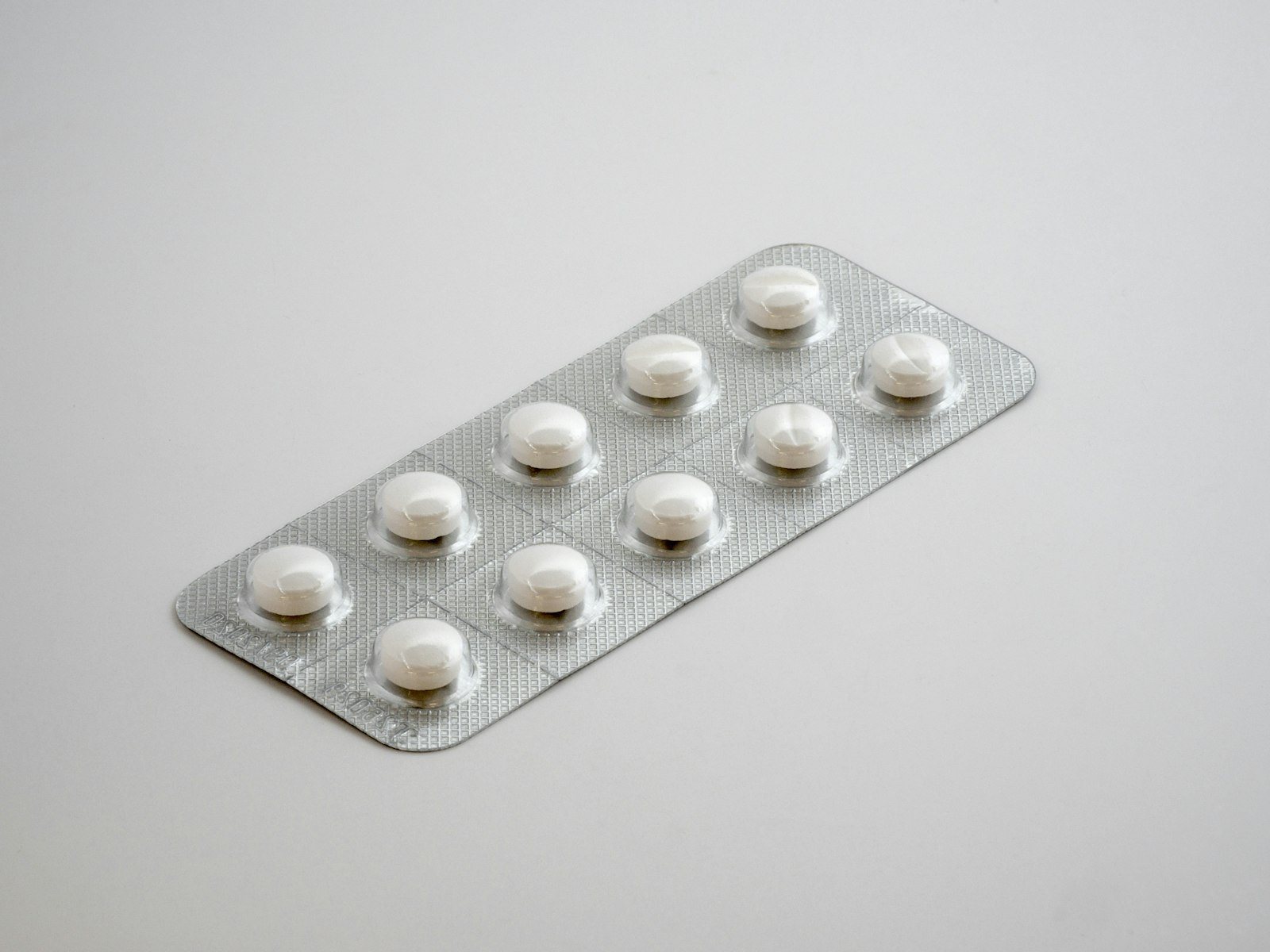
    A tablet in a blister pack
    Direct-acting antivirals are taken by mouth, usually once daily for eight to twelve weeks.

    Most people tolerate them well. The side effects reported most often are headache and tiredness, which is a different order of experience from the older interferon-based regimens.

    How hepatitis C treatment has changed
    The interferon eraDirect-acting antivirals
    How it was takenWeekly injections plus tabletsTablets, usually once daily
    Length of courseSix months to a yearCommonly eight to twelve weeks
    Side effectsFlu-like illness, mood changes, blood count problemsUsually mild; headache and fatigue most often reported
    Who could be treatedMany were excluded on other health groundsSuitable for far more people, including most with cirrhosis
    Genotype testingDetermined the regimenOften unnecessary with pan-genotypic regimens

    Week to week during a course

    The routine is undemanding. You take the tablets at the same time each day, attend a small number of appointments, and have blood tests to check the liver and confirm the virus is falling.

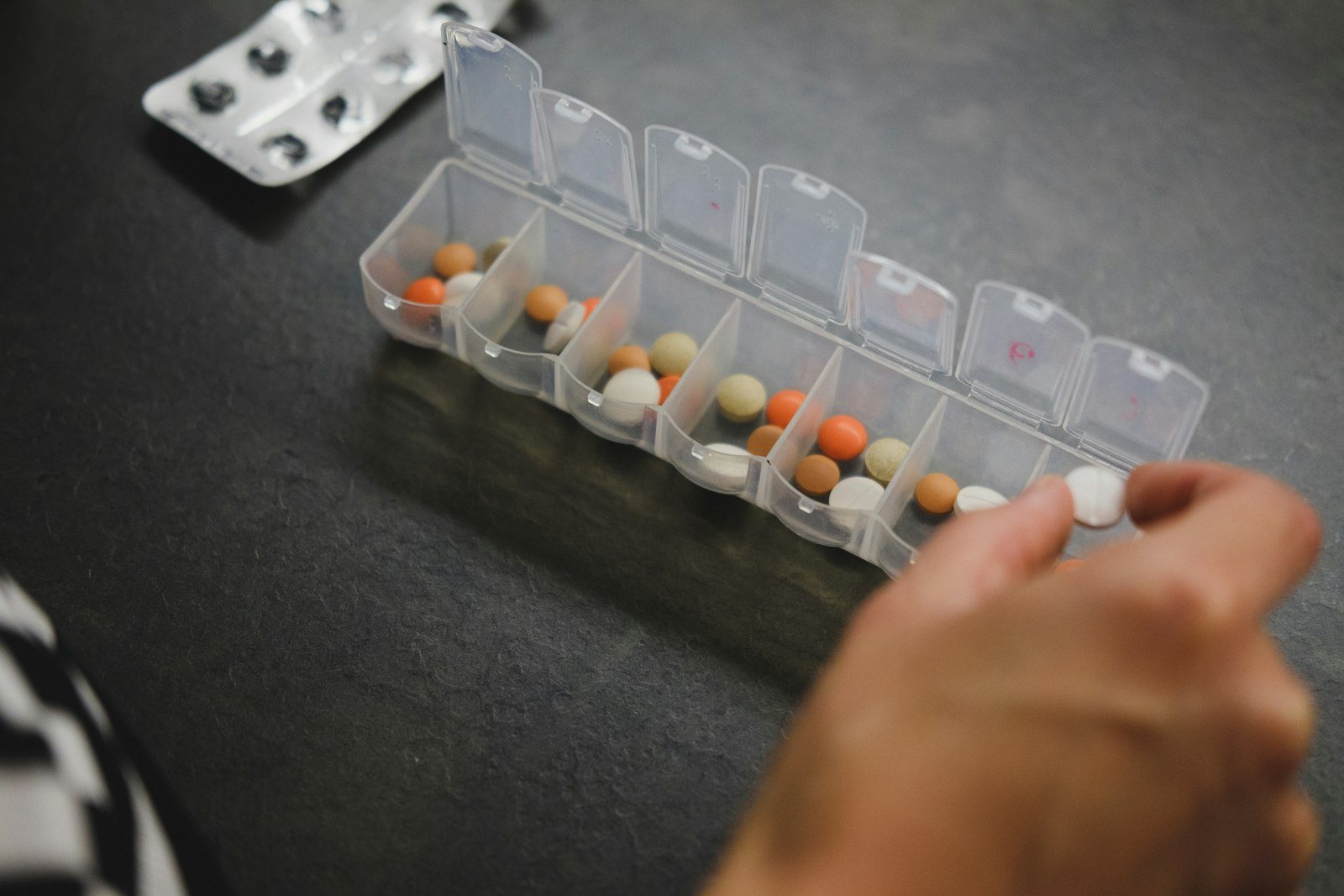
    A weekly pill organizer on a table
    Adherence is the single biggest factor within your control; an organizer and a fixed daily time do most of the work.

    Adherence is the part that matters most. Missed doses are the main avoidable reason a course fails, so a fixed time and a pill organizer are worth setting up on day one.

    Tell the prescribing team about every other medicine you take, including supplements and anything bought over the counter. Interactions with these antivirals are real and well documented, and some common medicines need adjusting for the duration.

    Appointments during a course are few. Most regimens involve an assessment before starting, a check partway through, and the confirming test afterwards, which is a lighter schedule than many people expect.

    Missing a single dose is not a crisis. Take it when you remember unless it is nearly time for the next one, do not double up, and tell the team so the pattern is on record rather than discovered later.

    How cure is confirmed

    Cure is defined as a sustained virologic response: no detectable virus in the blood twelve weeks after finishing treatment. That blood test is the point at which the infection is considered cleared.

    A laboratory report on a desk
    The confirming test is done twelve weeks after the last dose, not at the end of the course.

    The distinction between finishing treatment and being cured is worth holding onto. The course ending is not the endpoint; the twelve-week test is, and it is important to attend for it.

    After treatment

    Clearing the virus does not make you immune. Reinfection is possible if you are exposed again, so where risk factors continue, so does the need for periodic testing.

    People who had significant liver scarring before treatment continue to need monitoring afterwards, because that scarring does not disappear when the virus does. Those without it generally need no ongoing liver follow-up.

    A person walking outdoors in daylight
    Most people need no ongoing liver follow-up after cure; those who had significant scarring beforehand continue to be monitored.

    Alcohol is worth discussing honestly with your clinician both during and after treatment, since it compounds liver injury independently of the virus.

    Hepatitis C is curable in the great majority of people treated today. If you were told years ago that treatment was not an option for you, that assessment may simply be out of date and is worth revisiting.

    Preparing for the first appointment

    Bring a complete list of your medicines, including supplements and anything bought over the counter, because interaction checking is a genuine part of choosing a regimen. Bring any previous hepatitis test results you hold.

    Expect questions about alcohol, other liver conditions, and previous treatment attempts. These shape the regimen and the length of the course rather than being asked for their own sake.

    The patient guide covers what to bring and what to expect administratively, and results and messages are available through the patient portal.

    Research and access

    This practice takes part in FDA-approved trials of treatments for infectious diseases, especially HIV and hepatitis C, described on our clinical trials page. If a study is ever suggested to you, our guide to questions to ask before joining a clinical trial sets out what to establish first.

    Frequently asked questions

    Is hepatitis C really curable?

    For most people treated with modern direct-acting antivirals, yes. Cure is defined as no detectable virus twelve weeks after finishing the course. Your own likelihood depends on your history and liver condition, which your clinician can discuss.

    How long does treatment take?

    Commonly eight to twelve weeks of daily tablets. The exact length depends on the regimen chosen, whether you have been treated before, and whether you have cirrhosis.

    Will I feel unwell during treatment?

    Most people tolerate these medicines well. Headache and tiredness are the side effects most often reported. This is markedly different from the older interferon-based treatments.

    Can I be reinfected after being cured?

    Yes. Clearing the virus does not confer immunity. If exposure risks continue, periodic retesting is sensible.

    Do I still need liver monitoring after cure?

    It depends on how much scarring was present beforehand. People with advanced fibrosis or cirrhosis need continued monitoring; those without significant scarring generally do not.

    More about the specialty is on the infectious disease physician page, and appointments can be arranged through the contact page.

    Sources and further reading: AASLD-IDSA HCV Guidance — Initial treatment of adults.

    This article is general health information, not medical advice, and it cannot account for your own history or medications. Discuss your situation with a qualified clinician before acting on anything you read here.

  • Bone and Joint Infections: What Treatment Involves

    Bone and Joint Infections: What Treatment Involves

    Infections that reach bone or a joint behave differently from infections in soft tissue. They are harder for antibiotics to penetrate, they are slower to clear, and they often need a surgical component as well as a medical one.

    That is why treatment is measured in weeks rather than days, and why these are among the most common reasons an infectious disease physician is asked to see a patient.

    An orthopedic implant component
    Bone, joint and implant infections are grouped together because they share one problem: antibiotics reach them poorly.

    How these infections start

    Bacteria reach bone or a joint by one of three routes. They can be carried there in the bloodstream from elsewhere in the body, spread inward from an adjacent infection such as a deep foot ulcer, or be introduced directly during injury or surgery.

    The route often points to the likely organism, and therefore to the initial choice of antibiotic before cultures come back. It also shapes the search for a source: an infection seeded through the bloodstream raises the question of where it came from.

    Some people carry a higher baseline risk. Diabetes, peripheral vascular disease, rheumatoid arthritis, injecting drug use, immune suppression and previous surgery on the same site all increase susceptibility.

    The three main types

    The label matters, because it determines both the surgical approach and the length of treatment.

    How bone and joint infections differ
    TypeWhat is infectedTypical approach
    OsteomyelitisBone itself, often after injury, surgery or an adjacent ulcerRemoval of dead bone where needed, then a prolonged antibiotic course
    Septic arthritisThe space inside a natural jointUrgent drainage or washout, then antibiotics
    Prosthetic joint infectionTissue around an implanted joint replacementSurgery to debride or exchange the implant, plus a long antibiotic course
    Hardware infectionPlates, screws, rods or spinal instrumentationDepends on whether the hardware can be retained

    Septic arthritis in a natural joint is the one that will not wait. A hot, swollen, acutely painful joint that is difficult to move needs assessment the same day, because cartilage can be damaged quickly.

    Timing matters for implant infections in particular. An infection appearing within weeks of surgery behaves differently from one appearing years later, and the two are often managed with quite different surgical strategies.

    Late infections are more likely to have seeded through the bloodstream from somewhere else, which is why a dental abscess or a urinary infection in someone with a joint replacement is taken more seriously than it otherwise might be.

    How the diagnosis is made

    Blood tests and imaging support the diagnosis, but the decisive step is usually getting a sample. Fluid aspirated from a joint, or tissue taken at surgery, is what identifies the organism and shows which antibiotics will work against it.

    An imaging scanner in a hospital suite
    Imaging shows the extent of the problem; a tissue or fluid sample identifies the organism, and that is what determines treatment.

    This is the reason teams sometimes ask patients to hold off on antibiotics before a planned sampling procedure. Starting treatment first can make the cultures negative without curing anything, leaving everyone guessing for weeks afterwards.

    A joint that becomes hot, severely painful and difficult to move over hours, especially with fever, needs same-day assessment. Septic arthritis in a natural joint is time-critical.

    Why surgery is often part of it

    Antibiotics work on bacteria that are actively growing and reachable through the bloodstream. Dead bone has no blood supply, and bacteria on the surface of an implant form a biofilm that shields them.

    Removing dead tissue, draining collections and, where necessary, exchanging hardware is what makes the antibiotics able to finish the job. It is not an alternative to medical treatment but a precondition for it.

    Surgical lighting in an operating room
    Debridement removes what antibiotics cannot reach; the drug course then has a realistic chance of clearing what remains.

    Where an implant is involved, the surgical strategy varies: debridement with the implant retained, exchange in a single operation, or exchange in two stages with an interval between. Each carries a different expected antibiotic duration.

    The antibiotic course

    Courses are long. Six weeks is a common figure for bone and joint infection, and implant-related infection is frequently treated for longer, with the exact duration set by the organism, the surgery performed and how the patient responds.

    Much of that course is often intravenous, at least initially. That does not necessarily mean weeks in hospital: once stable, many patients complete treatment at home or through an office infusion center. Our article on what outpatient IV antibiotics involve covers what that looks like week to week.

    An intravenous bag hanging on a stand
    Long intravenous courses are increasingly completed outside hospital, with weekly monitoring rather than an inpatient bed.

    Expect regular blood tests throughout. Prolonged antimicrobial therapy can affect kidney function, liver enzymes and blood counts, and inflammatory markers are tracked to confirm the infection is responding. Results are available through the patient portal.

    Questions worth asking your team

    • What organism was found, and which antibiotic is it sensitive to?
    • How long is the planned course, and what would change it?
    • Will any of it be intravenous, and where would that happen?
    • What surgery is planned, and is the implant being retained or exchanged?
    • What weight-bearing am I allowed, and from when?
    • Which blood tests will be monitored, and how often?
    • What should make me call before my next appointment?

    Writing the answers down matters here more than in most consultations, because bone and joint treatment runs for months and involves several teams. The patient guide sets out what to bring to an appointment.

    Recovery, and what raises the odds

    Recovery runs on two tracks: clearing the infection and restoring function. They overlap, and rehabilitation usually begins well before the antibiotic course ends.

    Rehabilitation with a walking aid
    Rehabilitation usually starts before treatment finishes, and function returns more slowly than the infection clears.
    • Complete the full antibiotic course, even once you feel well
    • Attend the monitoring blood tests; they are how problems are caught early
    • Follow weight-bearing instructions exactly after surgery
    • Keep blood glucose controlled if you have diabetes
    • Stop smoking, which measurably impairs bone healing
    • Report new fever, wound discharge or a return of pain promptly

    Where an infection sits alongside a wound that will not close, both problems need addressing together, as covered in our article on why some wounds do not heal and on our wound care page.

    Frequently asked questions

    How long will I need antibiotics for a bone infection?

    Commonly around six weeks, though implant-related infections are often treated for longer. The duration is set by the organism, the surgery performed and your response, so it can change during treatment.

    Will my joint replacement have to be removed?

    Not always. Early infections are sometimes managed by washing out the joint and retaining the implant. Established infections more often need the implant exchanged, in one or two stages. The surgical team decides based on timing and the organism.

    Can I have the intravenous antibiotics at home?

    Often yes, once you are stable. Outpatient parenteral therapy is well established for bone and joint infection and avoids weeks of inpatient stay, with weekly blood tests and clinical review.

    Why do I need surgery if antibiotics can kill bacteria?

    Because antibiotics cannot reach dead bone, undrained collections or bacteria in a biofilm on an implant surface. Surgery removes what the drugs cannot penetrate so the course can work.

    What are the signs the infection has come back?

    Returning pain, new swelling or warmth, fever, or discharge from a surgical wound. Report these promptly rather than waiting for the next scheduled appointment.

    The clinicians are listed on the provider profiles page, and appointments can be arranged through the contact page.

    Sources and further reading: OrthoInfo (American Academy of Orthopaedic Surgeons) — Infection After Joint Replacement.

    This article is general health information, not medical advice, and it cannot account for your own history or medications. Discuss your situation with a qualified clinician before acting on anything you read here.

  • C. difficile: Diarrhea After Antibiotics

    C. difficile: Diarrhea After Antibiotics

    Loose stools during a course of antibiotics are common and usually harmless. The drug disturbs the normal balance of bacteria in the gut, things loosen up, and they settle again once the course finishes.

    A smaller number of people develop something different. Clostridioides difficile, usually shortened to C. diff, is an organism that can take advantage of that disturbance and multiply, producing toxins that inflame the lining of the colon.

    Knowing which of the two you are dealing with matters, because one resolves on its own and the other needs treating.

    A bacterial culture on an agar plate
    Antibiotics clear the organism they are aimed at, and a great deal of the normal gut population with it. C. diff can fill the gap left behind.

    Why antibiotics are the trigger

    The bacteria that normally occupy the colon are competition. They take up space and consume the nutrients that other organisms would use. Antibiotics remove much of that competition, and for a period afterwards the colon is unusually easy to colonize.

    Almost any antibiotic can do it, and the risk continues for weeks after the course ends. Other factors add to it: age over 65, a recent hospital or care home stay, acid-suppressing medication, and a weakened immune system.

    This is one of the reasons antibiotics are prescribed more carefully than they once were. Every course carries a downstream cost, which is part of why an infectious disease physician will often work to narrow treatment to the single drug that covers the organism found.

    Telling ordinary upset from C. diff

    There is overlap, and the distinction is made by testing rather than by guesswork. That said, the two tend to behave differently.

    Antibiotic-associated diarrhea compared with C. difficile infection
    Ordinary antibiotic-associated diarrheaC. difficile infection
    TimingDuring the course, settling after it endsDuring the course or up to several weeks afterwards
    Stool frequencyA few loose stools a dayOften frequent and watery
    Systemic symptomsUsually noneFever, abdominal pain and tenderness are common
    Blood testsNormalWhite cell count and inflammatory markers often raised
    TreatmentUsually none; fluids and timeSpecific antibiotic treatment directed at C. difficile
    RecurrenceUncommonA recognized problem; a first recurrence makes further ones more likely
    A person resting unwell on a sofa
    Frequent watery stools with abdominal pain and fever behave differently from the mild looseness that often accompanies a course of antibiotics.

    One further difference is worth noting: ordinary antibiotic-associated diarrhea tends to improve once the course finishes, while C. difficile often begins or worsens after it. Symptoms that start when the tablets stop deserve attention rather than reassurance.

    How it is diagnosed

    Diagnosis needs a stool sample. Laboratories generally look for the organism and for the toxins it produces, because carrying C. diff without illness is possible, particularly in people recently in hospital.

    That is why testing is done on people with symptoms, not as a routine check. A positive test in someone with formed stools usually reflects carriage rather than infection, and treating it does no good.

    A specimen tube being labeled in a laboratory
    Testing is done on liquid stool from someone with symptoms; a positive result without symptoms usually means carriage rather than infection.

    How it is treated

    The first step, where possible, is stopping the antibiotic that triggered it. That alone sometimes settles milder cases, though it is a decision for the prescriber rather than something to do unilaterally.

    Treatment then uses specific oral antibiotics directed at C. diff itself. Which one, and for how long, depends on severity and on whether this is a first episode or a recurrence.

    Capsules being dispensed on a pharmacy tray
    Treatment is targeted at C. difficile specifically, and the choice differs between a first episode and a recurrence.

    Antidiarrheal medicines are generally avoided, because slowing the bowel keeps the toxin in contact with the colon for longer. Fluids and electrolytes matter more.

    Seek urgent care for severe abdominal pain, a swollen abdomen, persistent vomiting, blood in the stool, a high fever, or signs of dehydration such as dizziness on standing and passing very little urine.

    Who is most at risk

    • Anyone who has had antibiotics in the last three months, particularly broad-spectrum ones
    • Adults over 65
    • People recently in hospital, a care home or a rehabilitation unit
    • People on long-term acid-suppressing medication
    • Anyone whose immune system is suppressed by illness or treatment
    • People who have had C. difficile before

    If several of these apply to you, mention it whenever an antibiotic is being considered. The patient guide covers what to bring to an appointment, and results are available afterwards through the patient portal.

    Recurrence, and why it happens

    Recurrence is the most frustrating feature of C. diff. Treatment clears the active infection but does not immediately restore the normal gut population, and spores can survive to germinate once treatment stops.

    A first recurrence makes a further one more likely. Because of that, repeat episodes are managed differently from a first: options include extended or tapering courses, a different agent, and approaches aimed at restoring the gut microbiome rather than suppressing the organism again.

    If you have had more than one episode, that is a reasonable point to ask for specialist input, as set out in our guide to when an infection needs a specialist.

    What the illness is like day to day

    The dominant symptom is frequent watery diarrhea, often with crampy lower abdominal pain. Many people also describe a distinctive tiredness that is out of proportion to how much they have lost, and appetite tends to disappear entirely.

    Fluid and salt replacement is the practical priority at home. Small amounts taken often are tolerated better than large drinks, and oral rehydration solutions are more effective than water alone when losses are heavy.

    Eating is a matter of what you can manage rather than any particular regimen. Bland, simple food in small portions is usually easier early on, with normal eating resumed as appetite returns.

    Bowel habit commonly takes several weeks to settle fully even after the infection has cleared, which is worth knowing so that a slow recovery is not mistaken for failure.

    Reducing the risk

    • Take antibiotics only when they are genuinely needed, and finish what is prescribed
    • Tell any prescriber if you have had C. diff before
    • Wash hands with soap and water rather than relying on alcohol gel, which does not kill spores
    • Clean surfaces with a bleach-based product during and after an episode
    • Review long-term acid-suppressing medication with your physician
    • Do not press for antibiotics for viral illnesses
    A bowl of yogurt with berries
    Appetite and bowel habit often take a few weeks to return to normal after an episode, even once the infection itself has cleared.

    Frequently asked questions

    How long after antibiotics can C. diff start?

    It can begin during the course or up to several weeks after it finishes. If diarrhea starts weeks later, mention the recent antibiotics, because the connection is easy to miss.

    Is C. difficile contagious?

    It spreads through spores that survive on surfaces and hands. Household transmission is uncommon but possible, which is why handwashing with soap and water and cleaning with a bleach-based product matter during an episode.

    Will probiotics prevent it?

    The evidence is mixed and no specific product is established as reliable prevention. Discuss it with your clinician rather than assuming protection, particularly if you are immunocompromised.

    Why does it keep coming back?

    Treatment clears the active infection but the normal gut bacteria take time to recover, and spores can survive to germinate afterwards. Recurrences are managed differently from a first episode, so tell your clinician it has happened before.

    Should I stop my antibiotic if I get diarrhea?

    Do not stop on your own. Contact whoever prescribed it. Stopping the trigger is often part of treatment, but the original infection may still need covering, and that judgement belongs with the prescriber.

    More about the specialty is on the infectious disease physician page, and appointments can be arranged through the contact page.

    Sources and further reading: American College of Gastroenterology — C. difficile infection.

    This article is general health information, not medical advice, and it cannot account for your own history or medications. Discuss your situation with a qualified clinician before acting on anything you read here.

  • Recurrent UTIs: When It Is Time to See a Specialist

    Recurrent UTIs: When It Is Time to See a Specialist

    A urinary tract infection is unpleasant but usually straightforward. A short course of antibiotics, and within a few days it is over.

    For some people it is not over. The symptoms return weeks later, then again, until the pattern itself becomes the problem. At that point the question changes from how to treat this infection to why they keep happening.

    A calendar with dates marked
    Keeping dates is more useful than it sounds: the pattern is what turns a series of separate infections into a diagnosis.

    What counts as recurrent

    The usual definition is two or more infections in six months, or three or more in twelve months. It is a threshold rather than a rule, but crossing it is a reasonable point to stop treating episodes in isolation.

    There is an important distinction underneath it. A relapse is the same organism returning, usually soon after treatment, and suggests the infection was never fully cleared. A reinfection is a new organism, usually later, and points to susceptibility rather than treatment failure.

    Telling those apart requires cultures. That is one reason a specialist will often ask for a urine culture before each course rather than treating on symptoms alone.

    Why they keep coming back

    Recurrence usually has a reason, and it is rarely a lack of hygiene.

    The bladder is not emptying completely

    Urine left behind after voiding gives bacteria time and material to multiply. This can follow pelvic organ prolapse, an enlarged prostate, neurological conditions, or simply a habit of rushing.

    Hormonal changes after menopause

    Falling estrogen thins the vaginal and urethral tissue and shifts the local bacterial balance, which makes colonization easier. This is one of the most common and most treatable contributors.

    Anatomy, stones or catheters

    Kidney stones can harbor bacteria that antibiotics cannot reach. Indwelling catheters provide a surface for biofilm. Structural abnormalities can obstruct drainage.

    Behavioral and contraceptive factors

    Frequent sexual activity is associated with more episodes in younger women, and spermicide-containing products and diaphragms raise the risk by disturbing the normal vaginal flora. Neither is a matter of hygiene, and both are worth raising because a change of method sometimes resolves the pattern on its own.

    Resistant organisms

    Repeated antibiotic courses select for resistant bacteria. An infection that looks identical may be caused by an organism that the usual first-line drug no longer covers, which is where specialist input on antibiotic choice becomes valuable.

    A urinalysis test strip being read
    A dipstick suggests infection; a culture identifies the organism and shows which antibiotics will actually work against it.

    What the evidence supports for prevention

    Prevention advice for UTIs is unusually full of folklore. The table below separates measures with reasonable support from those that are widely repeated but weakly supported.

    Prevention measures and how well they are supported
    MeasureEvidenceNotes
    Drinking more fluidReasonable supportTrials in women who drink little suggest fewer episodes
    Vaginal estrogen after menopauseGood supportOne of the more effective options; a prescribing decision
    Voiding after intercourseModest supportLow cost and low risk, so commonly advised
    Cranberry productsMixedSome trials show benefit, others none; not a treatment
    Preventive low-dose antibioticsGood supportEffective while taken; weighed against resistance and side effects
    Wiping direction and hygiene changesWeakWidely repeated, little evidence of effect
    Avoiding baths, tight clothing, certain foodsWeakNot supported as a cause of recurrence
    A person drinking a glass of water
    Fluid intake is one of the few self-directed measures with reasonable trial support behind it.

    None of these causes reflects anything a patient has done wrong, and it is worth saying plainly, because recurrent infections are often accompanied by a sense that they must somehow be self-inflicted.

    How treatment is changing

    The direction of travel in recurrent UTI care is away from reflexive antibiotics and toward treating the reason. That means fixing what can be fixed, using cultures to narrow every course, and reserving preventive antibiotics for people in whom other measures have genuinely been tried.

    It also means being honest that not every episode of urinary symptoms is an infection. Bladder pain syndrome, vaginal atrophy and overactive bladder can all produce burning and urgency without bacteria, and they will not respond to antibiotics no matter how many courses are tried.

    That distinction is worth making early, because months can be lost treating the wrong thing.

    When to see a specialist

    Speak to your own physician first. Specialist review is worth requesting when:

    • Infections keep returning despite preventive measures
    • Cultures grow organisms resistant to first-line antibiotics
    • You have had a UTI with fever, flank pain, nausea or vomiting
    • There is blood in the urine that persists after treatment
    • You have kidney stones, a catheter, or a known structural abnormality
    • You are pregnant, immunocompromised, or have a transplant
    • Symptoms are present but cultures keep coming back negative

    Which specialty is right depends on the reason. Urology handles structure and drainage; an infectious disease physician handles the organism and the antibiotic strategy, particularly where resistance is the obstacle.

    Bring the dates too. A list of episodes with what was cultured and what was prescribed will shorten the assessment considerably, and it frequently reveals a pattern that was invisible when each infection was handled separately by whoever happened to be available at the time.

    What a specialist assessment involves

    Expect a detailed history first: the timing of each episode, what was cultured, what was prescribed and whether it worked. Bring your records, because the pattern is the diagnosis.

    A patient and clinician in conversation
    The history matters more than any single test: what grew, what was prescribed, and whether it worked.

    Testing may include cultures taken before treatment, imaging of the kidneys and bladder, and an assessment of how completely the bladder empties. The plan that follows is usually a combination of treating the cause and reducing exposure to antibiotics, not simply a different prescription.

    A prescription bottle with tablets
    Narrowing treatment to what the culture shows is how repeated courses stop breeding resistance.

    Get urgent advice if a urinary infection comes with fever, chills, back or flank pain, nausea or vomiting. Those suggest the kidneys are involved, which is treated differently and more quickly.

    Frequently asked questions

    How many UTIs are too many?

    Two or more in six months, or three or more in twelve months, is the usual threshold for calling them recurrent and looking for an underlying reason rather than treating each one separately.

    Does cranberry juice prevent UTIs?

    The evidence is mixed. Some trials show a modest reduction in episodes and others show none. It is not harmful for most people, but it is not a treatment and should not replace assessment if infections keep recurring.

    Why do my cultures come back negative when I have symptoms?

    Several possibilities: the sample was taken after antibiotics started, the organism does not grow on standard culture, or the symptoms have a non-infectious cause such as bladder pain syndrome. Persistent symptoms with negative cultures deserve a proper workup.

    Can I take antibiotics every time symptoms start?

    Self-starting treatment is sometimes arranged for selected patients, but it should be a documented plan with your clinician, not an improvisation. Repeated unguided courses drive resistance and can mask a treatable cause.

    Are recurrent UTIs a sign of something serious?

    Usually not, but they can point to stones, incomplete emptying or a structural issue worth identifying. That is the reason for assessment: not because recurrence is dangerous in itself, but because the cause may be fixable.

    The patient guide covers what to bring to a first appointment, results are available through the patient portal, and you can read more about the practice on the our practice page or arrange an appointment through the contact page.

    Sources and further reading: Office on Women’s Health — Urinary tract infections.

    This article is general health information, not medical advice, and it cannot account for your own history or medications. Discuss your situation with a qualified clinician before acting on anything you read here.

  • Cellulitis: When a Skin Infection Needs Urgent Care

    Cellulitis: When a Skin Infection Needs Urgent Care

    Cellulitis is a bacterial infection of the skin and the soft tissue just beneath it. It usually shows up as an area that is red or discolored, warm to the touch, swollen and tender, most often on a lower leg.

    It is common, and most cases settle with oral antibiotics. What matters is noticing when a case is not behaving like a straightforward one, because the difference between a routine appointment and a same-day one can be significant.

    A small cut on the skin covered with a plaster
    Cellulitis usually begins where the skin barrier is broken, and the break can be small enough that nobody remembers it.

    How cellulitis starts

    Bacteria that live harmlessly on the skin surface get through a break and into the tissue underneath. The break is often trivial: a scratch, an insect bite, a cracked heel, athlete’s foot between the toes, or a patch of eczema.

    That is why the entry point frequently cannot be found by the time someone seeks care. The infection has moved on from where it began.

    Cellulitis is not usually contagious. It spreads within one person’s tissue rather than from person to person, which is a common source of worry that can be set aside.

    What it looks like, and how to track it

    The affected area is typically warm, tender and swollen, with edges that fade into normal skin rather than stopping sharply. On darker skin the color change can be subtle, so warmth, swelling and tenderness carry more weight than redness alone.

    One practical step helps more than almost anything else: mark the edge. Drawing a line around the border with a pen, and noting the time, turns a vague impression into evidence. If the area has clearly crossed that line a few hours later, the infection is advancing.

    A skin marker used to record the edge of an affected area
    Marking the border and noting the time turns “I think it is spreading” into something a clinician can act on.

    Take a photograph in the same light each time as well. Progress over a day is much easier to judge from images than from memory.

    Conditions cellulitis is mistaken for

    A surprising share of suspected cellulitis turns out to be something else. That matters, because those conditions do not improve with antibiotics.

    Cellulitis and its common look-alikes
    ConditionHow it usually differsWhat it needs instead
    CellulitisOne limb, warm, tender, spreading over hours to days, often with feverAntibiotics
    Venous stasis dermatitisUsually both legs, chronic, itchy rather than painful, no feverCompression and skin care
    Deep vein thrombosisSwelling and aching without much warmth or sharp-edged rednessUrgent imaging and anticoagulation
    Contact dermatitisItchy, sometimes blistered, follows the shape of what touched the skinRemoving the trigger, topical treatment
    GoutSudden, severe pain centered on a joint, often the big toeAnti-inflammatory treatment
    LipodermatosclerosisLong-standing hardening and tightening of the lower leg skinCompression and vascular assessment

    If two courses of antibiotics have changed nothing, the most useful question is usually not which antibiotic next, but whether the diagnosis is right. That is one of the situations covered in our guide to when to see an infectious disease specialist.

    There is no blood test that confirms cellulitis. The diagnosis is clinical, made from the appearance, the history and how the area behaves over time, which is exactly why tracking the border is so useful.

    Who is more likely to get it

    Anything that damages the skin barrier or impairs drainage and circulation raises the risk.

    • Swelling in the legs, whether from venous disease, heart failure or lymphedema
    • Diabetes, particularly with reduced sensation in the feet
    • Athlete’s foot and cracked skin between the toes
    • Eczema, psoriasis or any chronic skin condition
    • Previous cellulitis in the same limb
    • Obesity, and reduced mobility
    • A weakened immune system
    A person resting with the legs elevated
    Persistent leg swelling is one of the strongest risk factors, and treating it is part of preventing the next episode.

    Warning signs that need same-day assessment

    Most cellulitis can wait for a normal appointment. These features should not.

    • Redness expanding quickly, or clearly past a line drawn a few hours earlier
    • Fever, chills, or feeling suddenly and severely unwell
    • Pain that seems out of proportion to how the skin looks
    • Blisters, purple or blackened skin, or an area that becomes numb
    • Infection on the face or around an eye
    • Cellulitis in someone with diabetes, poor circulation or a suppressed immune system
    • A red streak running up the limb toward the groin or armpit

    Severe pain that outstrips the appearance of the skin, skin that turns dusky or blackened, or rapid deterioration over hours are emergency features. Seek immediate care rather than waiting for an appointment.

    How it is treated

    Most cases are treated with oral antibiotics chosen to cover the bacteria that usually cause cellulitis. Improvement is measured in a day or two, not hours, and the redness often looks slightly worse before it starts to settle.

    A tablet beside a glass of water
    Finish the full course. Stopping when the skin looks better is a common route back to a second episode.

    Elevating the limb above the level of the heart genuinely speeds things up, because it reduces the swelling the bacteria are sitting in. It is the part of treatment most often skipped.

    Intravenous antibiotics are used when the infection is severe, when oral treatment has failed, or when someone cannot take tablets. That no longer always means a hospital stay: treatment can often continue through an office infusion center, an approach covered in our article on what outpatient IV antibiotics involve.

    Preventing the next episode

    One episode of cellulitis makes another more likely in the same limb, so prevention is worth real effort.

    • Treat athlete’s foot and any cracked skin between the toes
    • Moisturize dry skin to keep the barrier intact
    • Wear prescribed compression consistently if you have leg swelling
    • Clean and cover breaks in the skin promptly
    • Keep blood glucose in your target range if you have diabetes
    • Have any chronic skin condition properly managed

    If the wound that started it will not close, that is a separate problem with its own causes, set out in our article on why some wounds do not heal, and it may need specialist wound care.

    A person making a telephone call at home
    When in doubt, call. Describing what has changed since yesterday is more useful than waiting to see what happens overnight.

    Frequently asked questions

    How long does cellulitis take to clear up?

    Most people notice improvement within two to three days of starting antibiotics, though swelling and discoloration can take a couple of weeks to settle completely. If nothing has improved after two or three days, get reassessed rather than waiting out the course.

    Is cellulitis contagious?

    Not in the usual sense. It spreads through one person’s own tissue rather than between people. The underlying skin condition that let it in, such as athlete’s foot, can be passed on.

    Why did my doctor draw a line on my leg?

    To create a fixed reference point. Comparing the border against a marked line and a noted time is the simplest way to tell whether the infection is advancing or settling, and it is worth doing at home too.

    Can I get cellulitis more than once?

    Yes, and a previous episode is one of the strongest predictors of another in the same limb. Treating leg swelling and any fungal infection between the toes lowers that risk meaningfully.

    When does cellulitis need a specialist?

    When it recurs, fails to respond to treatment, involves a joint replacement or other implanted hardware, occurs in someone immunocompromised, or when the diagnosis is in doubt. Your physician can arrange a referral, and the practice contact page explains how to reach us.

    More about the specialty is on the infectious disease physician page, and the clinicians are listed on the provider profiles page.

    Sources and further reading: American Academy of Dermatology — Cellulitis.

    This article is general health information, not medical advice, and it cannot account for your own history or medications. Discuss your situation with a qualified clinician before acting on anything you read here.